Luxury spa breaks for couples are not just about robes, candles, and a smug Instagram post. They are about rest, quiet, and shared time in places built to slow...
Luxury spa breaks for couples are not just about robes, candles, and a smug Instagram post. They are about rest, quiet, and shared time in places built to slow the body and clear the head. The best ones combine serious wellness programming, proper hospitality, excellent food, and settings that make two tired people remember how to sit still together.
Key Takeaways
- The right spa break mixes privacy, treatment quality, and calm surroundings.
- Price alone proves nothing; real value comes from service, design, therapists, and food.
- Couples should choose a property that fits their pace, not the other way around.
- A good spa stay gives more than pampering: it restores energy, attention, and conversation.
- The finest retreats treat beauty as something ordered and peaceful, not loud or gaudy.
What is a luxury spa break for couples?
It is a short stay, usually at a high-end hotel, resort, or dedicated wellness retreat, where two people share treatments, quiet spaces, and time away from the usual grind. The point is not simple indulgence. The point is restoration. Frankly, a lot of marketing around wellness is airy nonsense, full of bamboo, slogans, and overpriced tea. What matters is whether the place is well run, the therapists know their craft, and the rooms actually let you sleep.
When I review luxury stays, I look for practical grace, not empty theater. Do the baths work? Is the spa quiet? Is the food nourishing without pretending to be mystical? Are the staff attentive without hovering? These are the real measures. A couple’s spa break should also respect human dignity: clean spaces, unhurried service, and enough privacy for honest conversation. There is something deeply right about setting aside time for rest and beauty, because both are part of a sane life. Even Scripture treats rest as a gift, not a weakness.
The best spa retreats are built around craftsmanship. That sounds grand, but it is simple. Stone should feel good underfoot. Linens should be excellent. Massage oils should smell clean rather than synthetic. Treatments should be delivered by trained professionals, not by someone reading a script. In other words, excellence matters. Luxury is not merely price; it is ordered care.
For couples, the right setting also matters. Sea cliffs, mountain air, desert silence, old-world hotels, or a forest lodge can all work. What fails is noise, crowding, and the stiff boredom of a property that thinks “exclusive” means inaccessible. Here’s the kicker: a spa break becomes memorable when it creates room for both stillness and delight. That is rare enough to be worth paying for.

For context, many of the strongest luxury properties pair wellness with excellent hotels and serious dining, the same way the better names in hospitality do on luxury hotels and exclusive destinations. A retreat is only as good as the whole experience, not one treatment room with dim lights and a eucalyptus branch.
Core benefits and importance
Luxury spa breaks matter because they solve a real problem: modern couples are exhausted. Not in a dramatic, social-media way. Plain old tired. Time, attention, and good sleep get smashed by work, travel, family duties, and endless noise. A well-run spa stay gives those things back. That is the point. Anything else is garnish.
- Rest without compromise: The best properties silence the usual nonsense—traffic, alarms, bad mattresses, and the low-grade irritation of being half-available all day.
- Better connection: Couples talk more when they are not rushing to dinner, checking phones, or solving household problems.
- Physical recovery: Heat, hydrotherapy, massage, and movement can ease tension if the staff know what they are doing.
- Food with purpose: Good spa cuisine should support energy and comfort, not punish guests with tiny portions and moralizing menus.
- Design that calms: Rooms, pools, and lounges should feel composed. Beauty is not extra. It steadies the mind.
Most luxury marketing pretends people buy spa breaks because they crave “self-care.” Fine. But couples usually want something simpler: relief. Relief from schedules, screens, and the small abrasions of daily life. That is why the setting matters so much. A retreat in the hills of Bali, a thermal hotel in Italy, or a château in France each offers a different mood, but the principle stays the same. Quiet helps people remember what is worth talking about.
I have also noticed that the strongest retreats understand stewardship. They do not waste guests’ time with gimmicks. They use space well. They employ trained people. They keep standards high. That is a moral matter as much as a commercial one. Work done well honors the people receiving it. That idea is old, and it still holds.
For broader luxury planning, the same logic applies across categories. The same attention to quality that informs luxury watches or fine jewelry also separates a real retreat from a costume version of one. You can feel the difference in five minutes.
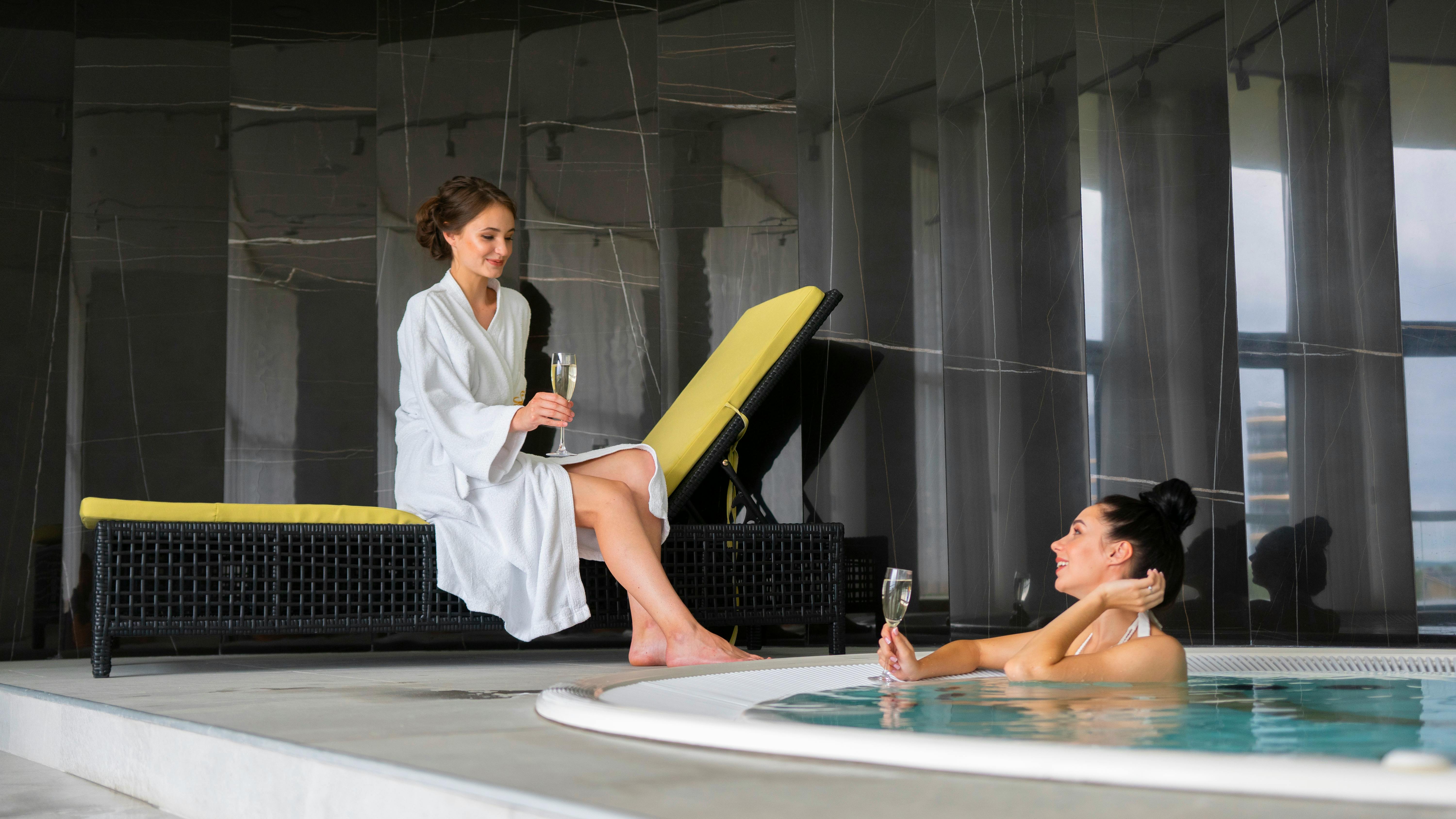
Step-by-step guide to choosing the right couple’s spa break
Choosing well is not hard. It just requires refusing hype. I mean it. Some brochures read like they were written by a scented candle having a nervous breakdown. Cut through that and use a simple process.
- Decide the mood first. Do you want beach calm, mountain quiet, urban convenience, or total seclusion? A couple who wants long walks and fresh air should not book a gleaming city tower with a spa attached to a shopping mall. That sounds obvious, yet people do it constantly.
- Check the spa menu, not just the photos. Look for real therapies: deep-tissue massage, hydrotherapy, couples’ rituals, thermal circuits, facials with quality products, and treatments done by licensed professionals. Vague “signature experiences” are often fluff.
- Inspect the room category. Spa breaks fail when the bedroom is merely average. You want quiet, a real bed, good blackout curtains, and a bathroom that does not feel cheap. If you are staying multiple nights, comfort matters more than novelty.
- Study food and drink. A couple’s retreat should have excellent dining, not just “healthy” food. If the property offers a serious wine list or refined non-alcoholic pairings, even better. Luxury travel is still travel; meals count.
- Read the service signals. Good places respond clearly, explain timing, and honor privacy. Bad places overpromise and underdeliver. Everyone talks about exceptional service, but very few properties can keep it up at 8 p.m. when the day gets busy.
- Compare inclusions carefully. Some rates include treatments, meals, transfers, or access to thermal areas. Others merely wrap an ordinary stay in a thin wellness costume. Compare actual value, not the headline price.
- Book around recovery, not punishment. Do not cram the stay with excursions. Leave time for naps, walks, reading, and one unhurried meal. A spa break is not a race.
When I compare properties, I usually favor the ones with a strong sense of order. They may not be the flashiest. They are often the ones that know how to use silence well. A retreat should feel like a composed piece of architecture, where every choice serves the whole. That is why design matters as much as treatment quality.
If you are choosing between a famous name and a smaller property, look at the consistency of experience. I trust repeated excellence more than grand claims. The same principle shows up in the best hotel brands and premium travel operators, including properties often covered in luxury hotel reviews and premium travel experiences. The name on the facade matters less than what happens after check-in.
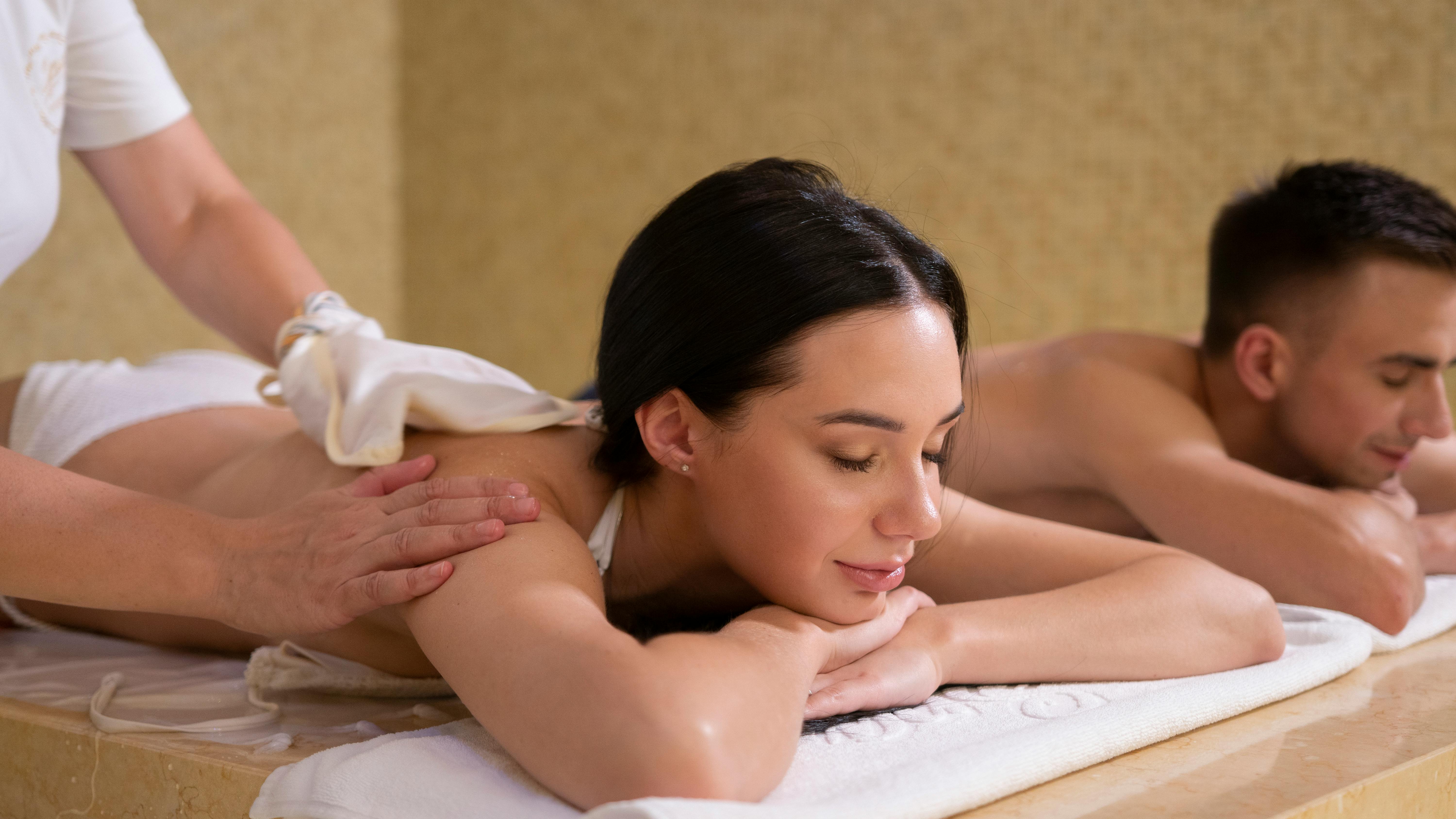
Comparison table
| Feature | Luxury Spa Break for Couples | Standard Wellness Weekend |
|---|
| Privacy | High, with suites, private pools, or reserved spa hours | Often mixed with crowds and shared facilities |
| Therapies | Specialist treatments, thermal circuits, expert therapists | Basic massages and generic facial menus |
| Dining | Fine dining, curated menus, strong beverage options | Functional meals, limited choice, little finesse |
| Design | Thoughtful materials, calm spaces, strong sense of place | Functional but forgettable interiors |
| Value | Higher upfront cost, stronger experience, better recovery | Lower cost, thinner result |
| Best for | Couples seeking rest, romance, and quality | Travelers wanting a short break, not much more |
The comparison is simple. Luxury spa breaks cost more because they should do more. If they do not, walk away. Price without substance is just expensive wallpaper.
Common mistakes to avoid
The biggest mistake is confusing glamour with quality. A gold faucet does not make a healing retreat. Neither does an infinity pool with too many hashtags. Real value comes from the sum of the parts. That is where the weak properties fall apart.
- Booking for the photo, not the stay: Some places are built for images and nothing else. The light is nice, the experience is thin.
- Ignoring the room: A bad bed can ruin excellent treatments. Sleep is not optional.
- Assuming “detox” means something: Most detox language is marketing fog. Bodies already have organs for that.
- Overpacking the schedule: If every hour is booked, the stay turns into another obligation.
- Choosing a resort with noisy group traffic: Couples need calm. Conferences, weddings, and loud family pools can wreck it.
- Paying for status instead of standards: Famous does not always mean better. Sometimes it just means better known.
Here’s the thing nobody tells you: the more expensive the retreat, the more irritated guests become when details slip. That is fair. High standards create high expectations. Good operators know this and act accordingly. Poor ones hide behind branding, which is usually a sign they have little else to offer.
I also see people chase the “most exclusive” option as though rarity itself were virtue. Not really. A place can be hard to book and still be mediocre. True excellence shows in small, repeatable acts: fresh towels, quiet hallways, clear communication, and meals cooked with care. That kind of labor reflects dignity in work, which is more admirable than any slogan on a robe.
For more on the wider world of refined travel and premium leisure, many readers also look at luxury destinations and high-end home products, because the same eye for comfort applies whether you are packing a suitcase or furnishing a room. Comfort is a discipline, not an accident.
Frequently asked questions
What should couples look for in a luxury spa break?
Look for privacy, skilled therapists, excellent rooms, strong dining, and a setting that actually calms the nervous system. If the property feels loud or overdesigned, keep looking.
Are luxury spa breaks worth the money?
Often, yes, if the stay delivers real rest, expert treatment, and good hospitality. If it only adds marble and a higher bill, no. That is just vanity with a minibar.
How many nights are ideal for a couple’s spa retreat?
Two to four nights usually works well. One night is too rushed. A week can be wonderful if the property and budget support it, but shorter stays are easier to plan and easier to enjoy.
Should couples choose a resort spa or a city spa hotel?
Choose based on your goal. Resorts suit deep rest and privacy. City spa hotels suit convenience and short escapes. If you want silence, do not pretend downtown noise is charming.
Final Thought
The best luxury spa break for couples is not the loudest or the most expensive. It is the one that gives back time, rest, and attention, while making the body feel cared for and the mind feel less crowded. That matters because beauty, rightly used, points beyond itself. It quiets the noise and reminds people that life is meant to be ordered, grateful, and human.
If you choose carefully, a spa break can be more than a romantic weekend. It can be an act of stewardship toward your shared life. That sounds lofty, but it is simple enough: rest well, eat well, walk slowly, and let a place built with skill do its work. The world makes enough noise. A good retreat does not add to it.