The most luxurious perfume for men is not the loudest bottle on the shelf. It is the one that smells expensive, wears cleanly, and leaves a trail without...
The most luxurious perfume for men is not the loudest bottle on the shelf. It is the one that smells expensive, wears cleanly, and leaves a trail without shouting, because real luxury is restraint, materials, and craft—not marketing theater.
Key Takeaways:
- Luxury perfume for men is about composition, raw materials, and longevity.
- The best bottles balance projection, dry-down, and wearability.
- Most “exclusive” scents are overpriced hype. Frankly, some are just fancy citrus and ego.
- The right fragrance fits your skin, setting, and wardrobe, not the ad campaign.
- Think of perfume as stewardship: a small daily choice that can reflect order, discipline, and attention to beauty.
What is the most luxurious perfume for men?
Luxury perfume for men is a fragrance built with expensive materials, disciplined composition, and a clear point of view. It is not merely “strong” or “popular.” It is structured. It uses quality citrus, woods, resins, florals, musks, and spices in proportions that feel deliberate rather than noisy. That distinction matters.
Most people confuse luxury with performance metrics alone. Big projection. Long wear. Thick syrupy notes. Fine, those can be part of the picture, but they are not the whole thing. I’ve reviewed enough scents to say this plainly: the best luxury fragrance often smells more controlled than dramatic. It opens with clarity, develops with texture, and settles into a dry-down that feels polished, almost architectural. Beauty here is not cheap spectacle; it reflects order, proportion, and a kind of disciplined workmanship that, yes, still matters.
Think of houses like Creed, Chanel, Tom Ford, Roja Parfums, Maison Francis Kurkdjian, Amouage, and Dior. Each approaches luxury differently. Some lean on heritage. Some lean on raw material richness. Some lean on bold modernity. But the names alone do not make the juice worth it. Let’s be real, the perfume world is full of bottles sold on mystique. The truth is simpler: a luxurious scent must smell refined on skin, not just impressive on paper.
If you want a useful definition, here it is: the most luxurious perfume for men is the one that combines excellent ingredients, balanced structure, and contextual elegance. It should work in a suit, on a dinner date, or at a formal event without becoming a cloud of self-advertisement. A fragrance should frame the man, not eat him alive.
For background on how major houses position themselves, see the brand histories and fragrance lineups discussed by Fragrantica, industry coverage at Harper’s Bazaar Beauty, and retail/editorial notes from Luckyscent. Those sources are useful because they separate hype from actual scent description—something many ads never bother to do.
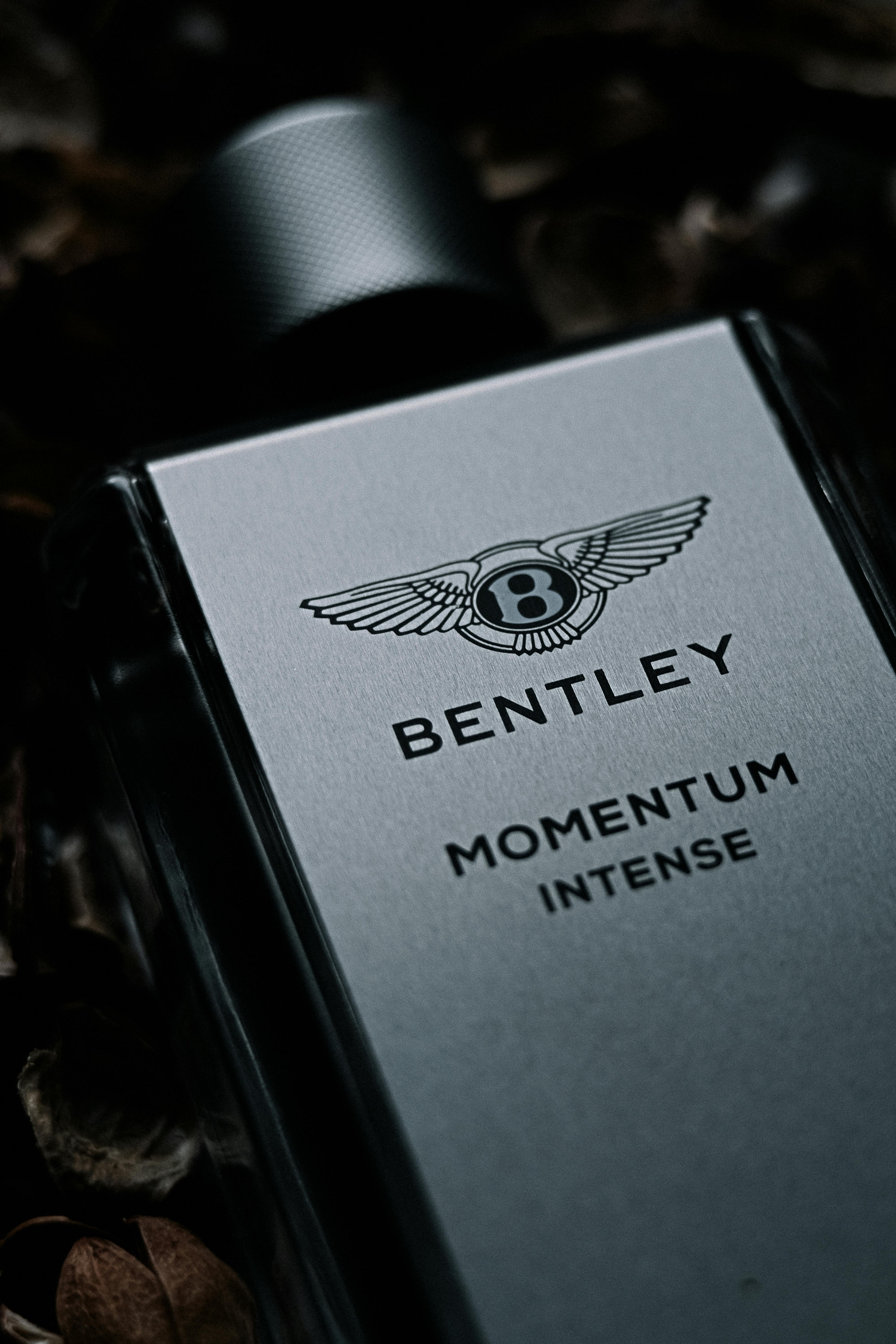
Core benefits and why luxury fragrance matters
Luxury fragrance does more than smell pleasant. It shapes presence, and presence matters more than most people admit.
- First impression without noise: A refined scent can signal care, taste, and self-respect before you say a word. Not a bad return on investment.
- Material quality: Higher-end perfumery often uses better natural extracts, smoother synthetics, and more measured blending. That usually means fewer harsh edges.
- Complex development: Good luxury scents evolve. Citrus fades into woods. Spices soften. Musks warm up. A cheap fragrance usually collapses into one flat note.
- Longevity with composure: The point is not just lasting power. It is lasting power that stays elegant, not sour or shrill by hour six.
- Personal identity: A fragrance can become part of your signature. That’s useful when you do not want to perform style like a loud salesman.
- Gift value: Fine perfume works as a serious gift because it balances intimacy and practicality. It is useful, but not crass.
- Craft appreciation: Luxury fragrance rewards attention. You are paying for blending skill, sourcing, aging, and maceration—not just a bottle shape.
Here’s the kicker: expensive perfume is not always better, but cheap perfume rarely surprises anyone in a good way. Most “best men’s cologne” lists read like affiliate bait wrapped in inflated language. I’ve seen plenty of bottles priced like jewelry and built like cafeteria coffee. No thanks.
Still, luxury perfume does have a real place. It can reinforce wardrobe, ritual, and discipline. A man who chooses scent carefully usually chooses other things carefully too—shoes, watches, tailoring, how he enters a room. That quiet order is not vanity. It is a form of stewardship over what he has been given.
Luxury fragrance also offers practical value in premium settings. Fine dining, business dinners, weddings, travel lounges, and evening events all reward restraint. A well-chosen scent can make a dinner feel more composed, much like Condé Nast Traveler explains luxury travel atmosphere through service, setting, and detail. That same logic applies here: the best things are often the ones that do not beg for applause.
If you want broader luxury context, look at how premium taste is discussed in Town & Country style coverage or in fragrance retrospectives from WWD Beauty. The pattern is consistent: the best luxury is usually quiet, exacting, and a bit merciless about quality.
How to choose the right luxury perfume for men
Choosing the right scent is simple in theory and annoying in practice.
You test, wait, and compare. Then you ignore the label theatrics and judge the juice on skin, because skin chemistry is not a footnote; it is the whole story.
- Start with the setting
- Decide where you will wear it most often: office, evening, travel, formal events, or daily use.
- A heavy amber or oud works in cooler weather, while citrus-woods and aromatic blends fit warmer months better.
- Choose a family, not a hype list
- Woody, oriental, aromatic, citrus, leathery, smoky, or fresh-spicy.
- If you like incense and depth, look at Amouage or Roja. If you want polished refinement, Chanel and Dior often do the job better than the buzz suggests.
- Test on skin, not paper alone
- Paper strips tell you the top notes and very little else.
- Skin reveals the real structure, and yes, it can kill or improve a fragrance.
- Wait for the dry-down
- The opening is a salesman.
- The dry-down is the actual person.
- Check the scent at 15 minutes, 2 hours, and 6 hours.
- Measure projection honestly
- Luxurious does not mean room-filling.
- In fact, in many cases, subtle projection is the more expensive-feeling move.
- Consider concentration
- Eau de Parfum usually offers stronger presence than Eau de Toilette.
- Extrait de Parfum can be richer, though not automatically better.
- Compare bottle size and price per milliliter
- Many luxury houses charge heavily for presentation.
- The bottle may be gorgeous, but you are buying scent, not cabinet jewelry.
- Buy from reputable sellers
- Counterfeits are not rare.
- Stick to authorized retailers when possible.
- Dress the scent to the occasion
- For black tie or formal dinners, refined woods, iris, or soft spices work well.
- For daytime, bright citrus or aromatic vetiver keeps things clean.
- Keep a small rotation
- One signature scent is useful.
- Two or three well-chosen fragrances cover most situations without clutter.
I’ve tested enough bottles to know what actually works. The best fragrance collections are not giant. They are edited. A man with six mediocre scents is less interesting than a man with two superb ones. Quality over clutter. A very old-fashioned idea, apparently, but still correct.
If you want a stronger sense of scent architecture, review editorial fragrance guides from Esquire Style and curated niche selections from Basenotes. Those sources help you separate note lists from real-world wear.
Comparison table: luxury niche perfumes vs designer classics
Luxury fragrance buyers usually end up comparing niche houses with designer giants. That makes sense. One side sells rarity and density; the other sells polish, consistency, and broad appeal. Neither side is automatically superior.
| Factor | Luxury Niche Perfume | Designer Classic Perfume |
|---|
| Scent profile | More experimental, often denser and less conventional | More polished, crowd-friendly, and versatile |
| Raw materials | Often emphasizes costlier naturals and unusual accords | Often uses well-made blends with smarter cost control |
| Projection | Can be strong, but varies wildly | Usually more predictable and wearable |
| Longevity | Often excellent, though not always elegant | Typically balanced for broad use |
| Price | Higher per milliliter in many cases | Usually better value for daily wear |
| Exclusivity | Higher perceived uniqueness | More recognizable and easier to find |
| Best for | Collectors, enthusiasts, statement wear | Daily use, office, dinners, travel |
| Main risk | Overcomplication or weirdness for its own sake | Playing it safe and becoming generic |
Here is the blunt version. Niche perfume is not inherently better. Sometimes it is magnificent. Sometimes it smells like someone gave a perfumer too much freedom and not enough editing. Designer fragrance can be a safer buy, but safety can become boredom if the house is lazy. The best luxury purchases sit in the narrow space between discipline and character.
When I compare bottles across categories, I look for the same thing I value in travel or hospitality: execution. A superb hotel is not luxurious because it says so in gold lettering; it is luxurious because the bed is right, the service is calm, and the details are handled without fuss. Fragrance works the same way. Substance first. Myth later.
For a broader sense of luxury standards, Travel + Leisure and Robb Report often frame premium products with useful context, especially when quality has to justify cost. That is the basic rule here too.
Common mistakes to avoid when buying luxury perfume
Most perfume advice is nonsense with a price tag.
The worst mistake is buying with your eyes and not your nose, because packaging, social media, and brand name can seduce people into paying for fumes that do very little.
- Chasing hype over fit: A fragrance might be beloved online and still smell wrong on you. That’s normal.
- Buying blind too often: Sampling matters. Blind buying is basically gambling with bad odds.
- Confusing strength with quality: Loud is not luxurious. It can just be loud.
- Ignoring climate: Heavy oud in summer can be exhausting. Fresh citrus in cold weather can vanish too quickly.
- Over-spraying: More sprays do not equal more elegance. They may equal a headache.
- Skipping dry-down testing: The opening lies. The base note tells the truth.
- Using one scent for everything: A single bottle for every setting is lazy. It can work, but usually it doesn’t.
- Trusting influencer language: “Beast mode,” “panty dropper,” and similar nonsense are not analysis. They are marketing varnish for people who fear saying anything precise.
Let’s be real, the fragrance world loves inflated language. “Ultra-premium.” “Iconic.” “Addictive.” Fine, but what does it actually smell like? Resin? Almond? Suede? Incense? Leather? If the description cannot name materials or structure, I do not trust the review.
Another mistake is chasing status through ultra-expensive extrait concentrations that you will never wear comfortably. Luxury should serve life, not dominate it. That idea is older than modern branding, and it still holds. Good stewardship means buying what you will actually use, maintain, and enjoy. Waste is not elegance.
One more thing: do not store bottles badly. Heat and sunlight can degrade fragrance. Keep them cool, dark, and sealed. Small discipline, large payoff.
For practical fragrance education and brand histories, the editorial notes at Fragrantica and Basenotes are useful starting points, even if you should never treat any forum like gospel.
Frequently asked questions
What is the best luxury perfume for men in 2026?
The best luxury perfume depends on the setting and your skin, but top contenders usually include refined houses such as Creed, Chanel, Dior, Tom Ford, Roja Parfums, Amouage, and Maison Francis Kurkdjian. If you want a single answer, choose the one that smells polished on your skin and still feels composed after several hours.
Is expensive perfume actually better?
Sometimes. Not always. Higher prices often reflect better sourcing, branding, concentration, and bottle presentation, but a high price does not guarantee better blending. Plenty of expensive fragrances are overbuilt or forgettable. The proof is in the wear, not the receipt.
Should men wear niche or designer perfume?
Both can work. Niche fragrance often offers more originality and depth, while designer perfume usually gives smoother wearability and better value. If you want a daily signature, designer can be smarter. If you want something more distinctive, niche may fit better.
How many sprays of luxury perfume should a man use?
Usually 2 to 5 sprays, depending on concentration and setting. Office wear usually needs less. Evening wear can handle more. Over-spraying is one of the easiest ways to ruin an otherwise excellent fragrance.
Final thought
Luxury perfume for men is not about proving you can spend money. It is about choosing scent with judgment, care, and a bit of humility. That may sound unfashionable in a market built on vanity and oversized claims, but it is the truth. The finest fragrances do not scream wealth; they suggest order, confidence, and an appreciation for craft that treats beauty as something worth handling well.
I think that matters. A great fragrance, like a well-cut jacket or a perfectly run dinner service, honors the small disciplines that make life more fitting, more graceful, and a little less chaotic. Most luxury marketing wants you to worship the bottle. Better to pay attention to the work inside it.
When a scent is chosen well, it becomes part of how a man carries himself—quietly, cleanly, with no need to make a fuss. That is the real luxury. Not the performance. The measure.