Foodie cities are destinations where dining is not an afterthought. They are places where <strong>fine dining, street stalls, market culture, and regional...
Foodie cities are destinations where dining is not an afterthought. They are places where fine dining, street stalls, market culture, and regional specialties shape the whole trip, and where a meal can matter as much as a museum or hotel suite. Frankly, most travel writing makes this sound more poetic than it is. The real point is simple: if you care about flavor, sourcing, craft, and ritual, some cities are worth the airfare.
Key Takeaways- Foodie cities reward travelers who care about both Michelin-level refinement and local authenticity.
- The best destinations combine signature dishes, strong markets, serious chefs, and a clear culinary identity.
- Luxury food travel is not just about price; it is about precision, hospitality, provenance, and consistency.
- I have found that the best trips mix one high-end tasting menu with three or four humble, excellent meals.
- Beauty in food, when done well, reflects order, skill, and care—small mercies in a rushed world.
What is a foodie city?
A foodie city is a place where eating well is part of the culture, not a tourist add-on. It has depth. It has memory. It has a rhythm of supply, season, and tradition that shows up in markets, bakeries, bistros, hawker stalls, wine bars, and tasting menus.
A true foodie city usually has several things in common: local ingredients with clear provenance, chefs who respect regional technique, neighborhood restaurants that locals actually use, and enough competition to keep standards sharp. I’ve reviewed enough luxury travel content to say this plainly: a famous restaurant alone does not make a city worth visiting for food. That is marketing fluff, not a real standard.
The best cities also show range. You can eat at a three-star temple of technique one night, then have a bowl of noodles, roast duck, or market seafood the next morning that costs a fraction as much and hits harder. That range matters. It tells you the city has a living food culture, not just polished theatrics for visitors.
There is also a moral dimension here, though people rarely say it out loud. Good food, properly made, reflects stewardship: of land, of labor, of animals, of time. That may sound a bit old-fashioned, but it is true. Excellence is not vanity when it respects the dignity of work and the gifts of creation.
When I examine luxury dining destinations, I look for three things. First, the supply chain, because fresh fish, produce, cheese, spices, and bread reveal more than any brochure. Second, the chef ecosystem, because talent attracts talent. Third, the ordinary meals, because that is where truth lives. Anyone can stage a tasting menu. Fewer cities can feed people well every day.
So, what separates a good place from a great one? Consistency. And maybe a little soul.
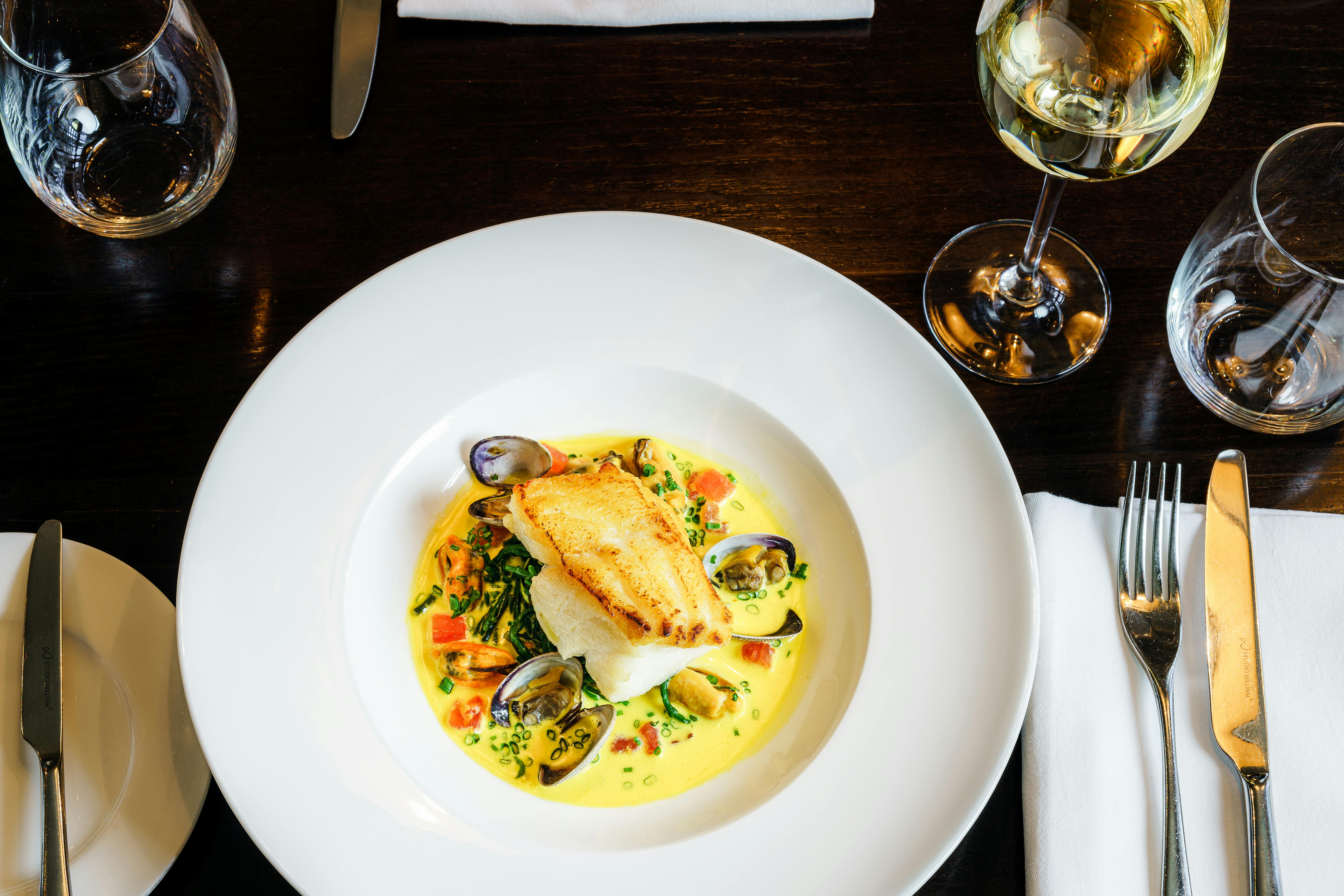
Core benefits and importance of foodie travel
Food travel is practical. It is also indulgent. Why both?
Because food is one of the fastest ways to understand a place, and also one of the easiest ways to waste money if you chase hype. The benefits are not abstract. They are sensory, social, and cultural, and they get better when you choose cities with genuine culinary depth rather than empty prestige.
- Cultural access: Local dishes reveal history, trade routes, faith traditions, class habits, and migration patterns. A city’s menu often tells the story of its people more honestly than its monuments do.
- Better value for luxury travelers: In many foodie cities, the real value is not the starred restaurant but the neighborhood spot where the same ingredient quality appears with less ceremony and a smaller bill.
- Memorable experiences: A perfect seafood rice, a flawless croissant, or a broth that tastes like it was made by somebody who actually cared can outlast a shopping spree.
- Stronger trip planning: When food is a core reason for travel, you build the rest of the itinerary around it—markets, wine bars, bakeries, cooking classes, and reservations that matter.
- A richer sense of place: The best cities have edible signatures. Think of saffron in Valencia, seafood in Tokyo, fermented flavors in Seoul, or pastries in Paris.
Here’s the kicker: the most expensive meal is not always the best one. In fact, I would argue that luxury food travel works best when you resist the trap of equating cost with quality. Some of the best meals I’ve had came from chefs who cared more about precision than spectacle. That is not a romantic fantasy. It is just how good food works.
For travelers who care about premium experiences, foodie cities also improve the rest of the trip. Great restaurants tend to cluster near strong hotels, well-run bars, good transport, and interesting neighborhoods. That makes logistics easier and the whole city feel more coherent. You spend less time figuring things out and more time eating, walking, and talking.
The benefits extend to the mind too. A meal done properly slows you down. It forces attention. That is no small thing in a world that rewards distraction. Fine dining, at its best, trains gratitude. It reminds you that craftsmanship matters and that pleasure is not the enemy of restraint when it is ordered rightly.
And yes, some luxury marketing would have you believe every city can be "discovered" through some branded food crawl. Rubbish. The best places stand on real culinary habits, not slogans.
Step-by-step guide to choosing the best foodie city for your trip
Choosing a foodie city should be methodical. Not glamorous. Methodical.
If I were planning a serious culinary trip, I would ignore influencer lists and start with evidence: Michelin stars, local food guides, markets, wine regions, seasonal ingredients, and restaurant concentration by neighborhood. Then I would check whether the city still feeds its own people well. That last part matters more than the brochures admit.
- Define your food style
Are you chasing haute cuisine, street food, seafood, pastries, wine, or a mix? A city like Tokyo excels in precision and range, while Bangkok shines in street-level complexity. Pick the type of excellence you want. - Check the culinary identity
A real foodie city has signatures. Think pasta in Bologna, dim sum in Hong Kong, stews in Lisbon, or ramen in Osaka. If a place cannot name its own strengths, be suspicious. - Study the market culture
Markets tell the truth. In my analysis, strong markets usually correlate with better casual dining, better chef sourcing, and stronger local pride. If the fish market is weak, the seafood restaurants usually are too. - Balance prestige and daily eating
Book one serious dinner, but don’t build the trip around trophies. The truth is, a city proves itself in breakfast, lunch, and late-night food. This is where Travel + Leisure’s food city picks can be a useful starting point, but your own preferences should still lead. - Look at neighborhoods, not just restaurants
Excellent food clusters in walkable districts where cafés, bakeries, bars, and markets reinforce one another. That ecosystem matters more than one famous room with white tablecloths. - Reserve smartly
Luxury dining requires timing. Book the hardest seats early, but leave room for spontaneous meals. Some of the best plates arrive without a reservation and without pretense. - Plan around seasonality
Lobster, truffles, berries, shellfish, game, and vegetables all peak at different times. If you travel out of season, you may miss the thing the city does best. - Mix high and low
I always recommend one tasting menu, one market lunch, one local breakfast, and one beloved no-frills dinner. That balance gives you perspective. It also keeps your wallet from crying in the corner. - Check for hospitality quality
Service matters. Not fake fawning, just competence, warmth, and timing. Good hospitality reflects a culture that values the guest without performing like a circus. - Read beyond the glossy listicles
Use guides from the MICHELIN Guide, local publications, and serious travel editors. Then compare them with local voices. If all the praise comes from one PR pipeline, that should make you uneasy.

Comparison table: foodie city travel vs. generic luxury city break
| Factor | Foodie City Travel | Generic Luxury City Break |
|---|
| Core appeal | Eating well at every level | Hotels, shopping, and broad sightseeing |
| Cultural depth | Strong culinary identity, markets, traditions | Often surface-level, built for leisure only |
| Daily satisfaction | High, because meals anchor the day | Varies, and can feel vague or repetitive |
| Value | Excellent when mixing high-end and local spots | Often expensive without a clear payoff |
| Best for | Travelers who care about flavor, craft, and place | Travelers who want comfort without a food focus |
| Risk | Overbooking famous restaurants, chasing hype | Bland itineraries with little memory |
| Best examples | Tokyo, Paris, Singapore, Mexico City | Many resort-heavy city stays |
The comparison is blunt because the truth is blunt. A luxury city break can be pleasant, sure. But a proper foodie city gives you more than nice sheets and a rooftop bar. It gives you ritual, neighborhood character, and meals that explain why people still travel for taste.
That does not mean you must reject the rest of luxury travel. Not at all. A good hotel still matters, especially if it is part of the city’s fabric. For a broader view of premium stays, see Condé Nast Traveler’s best hotels list and think about how the property supports the food plan rather than distracting from it.
Common mistakes to avoid
Luxury food travel has traps. Lots of them.
The biggest mistake is confusing fame with quality. People do this all the time. A restaurant gets three stars, a queue forms, social media applauds, and suddenly everyone acts as if the meal is holy writ. Maybe it is excellent. Maybe it is just excellent at being photographed. Frankly, there is a difference.
- Booking only the famous places: If every reservation is a trophy, your trip becomes a performance. Leave space for neighborhood meals and regional specialties.
- Ignoring breakfast and lunch: This is where many cities quietly shine. A strong bakery, dumpling stall, café, or noodle shop tells you more than a formal tasting menu ever could.
- Overpaying for weak hotel dining: Some hotel restaurants are superb. Many are not. Do not assume five stars in the lobby means five stars on the plate.
- Skipping markets: Bad mistake. Markets show ingredient quality, local habits, and price reality.
- Treating all luxury as equal: It is not. Real luxury has discernment. Fake luxury has branding. One is crafted; the other is just polished.
- Planning too tightly: If your schedule is jammed with back-to-back reservations, you will miss the best discoveries.
- Ignoring local rules: Dress codes, tipping customs, reservation etiquette, and meal timing vary. Respect the place. It is not that hard.
Another mistake is chasing “authenticity” like a slogan. That word gets abused. A restaurant does not become meaningful because it looks rustic or because a travel influencer called it hidden. Authenticity is not dirt or drama. It is fit: food, place, people, and tradition in honest alignment.
And one more thing. Do not assume luxury means excess. Good food usually involves restraint, not showboating. A perfectly fried fish, a well-made stock, or a properly aged cheese can be more moving than a foam tower and gold leaf. Beauty in food, like beauty in architecture or liturgy, often comes from order, proportion, and humility.
If you want a broader list of top destinations, Tatler Asia’s food city guide offers a useful regional lens, though I would still cross-check it against local restaurant scenes and seasonal access.
Frequently asked questions
What makes a city one of the best foodie cities in the world?
A great foodie city combines strong local dishes, high-quality ingredients, serious chefs, and enough variety to support both luxury dining and everyday meals. It is not enough to have one famous restaurant. The city must feed people well across settings, budgets, and seasons.
Which cities are best for luxury food travel?
Tokyo, Paris, Singapore, Barcelona, Mexico City, Copenhagen, Lima, Hong Kong, Bangkok, and Osaka are usually near the top for different reasons. Each has its own strengths, and none is perfect for every traveler. That is the point.
Is fine dining necessary in a foodie city trip?
No. Not at all. One excellent tasting menu can add perspective, but the real value often comes from local markets, bakeries, casual spots, and regional specialties. Fine dining should sharpen the trip, not dominate it.
How do I avoid tourist traps when eating in a new city?
Use local recommendations, check neighborhood density, look for restaurants with steady repeat business, and pay attention to what residents actually eat. Michelin and major travel guides help, but they are not substitutes for common sense.
Final thought
A proper foodie city gives you more than meals. It gives you evidence that craft still matters.
That is why the best culinary destinations feel bigger than the restaurants inside them, yet more intimate than the guidebooks suggest, because food at its best is never just fuel or status—it is labor, memory, hospitality, and a little grace served on a plate. I’ve seen plenty of overpriced nonsense in luxury travel. Still, when a city gets food right, it shows a kind of order that is hard to fake.
So choose places that respect ingredients, chefs, farmers, and diners. Choose cities where the obvious meal is not always the best meal. Choose destinations that reward attention rather than noise. In the end, that is what makes luxury travel worth the bother.
Sources used for context: Travel + Leisure, MICHELIN Guide, Condé Nast Traveler, Tatler Asia.