Luxury cars are not just transport. They are rolling proof that materials, engineering, and restraint can still matter in a world obsessed with cheap speed and...
32 Most Expensive Car Brands in the World (2026): Luxury, Power, and the Price of Excellence
Luxury cars are not just transport. They are rolling proof that materials, engineering, and restraint can still matter in a world obsessed with cheap speed and loud marketing. The expensive brands stand apart because of craftsmanship, rarity, performance, and the stubborn fact that some things cost more because they are built better.
Key Takeaways:- The priciest car brands sell more than horsepower; they sell exclusivity, engineering, and finish.
- Real value comes from craftsmanship, materials, heritage, and limited production.
- Most people confuse loud branding with true luxury. They are not the same.
- When I examined high-end cars, the ones worth attention balanced beauty, speed, and durability.
- A car can be expensive and still be vulgar. Price is not the same as taste.
What is the point of a luxury car brand?
It is a maker that goes beyond basic transport and treats the car as an object of design, performance, and status, though status alone is the cheap trick. The best brands build machines with hand-finished interiors, advanced chassis tuning, rare materials, and a level of fit that ordinary manufacturers simply do not bother with. Frankly, that distinction matters.
Most luxury marketing talks as if every badge were sacred. Rubbish. A badge means little if the cabin rattles, the steering is numb, or the ownership experience feels like a sales pitch in a tuxedo. The real marks of a high-end brand are consistency, engineering discipline, and a refusal to cut corners. Heritage helps, yes, but heritage without competence is just old paperwork.
I have reviewed enough premium vehicles to know the difference between genuine excellence and inflated theatre. The good ones deliver tactile doors, quiet cabins, deep paint, precise controls, and engines that feel composed rather than merely aggressive. The best examples also treat beauty as something disciplined, not gaudy. That idea is older than the car industry itself; it fits the Christian sense that well-made things should reflect order, care, and respect for human work.
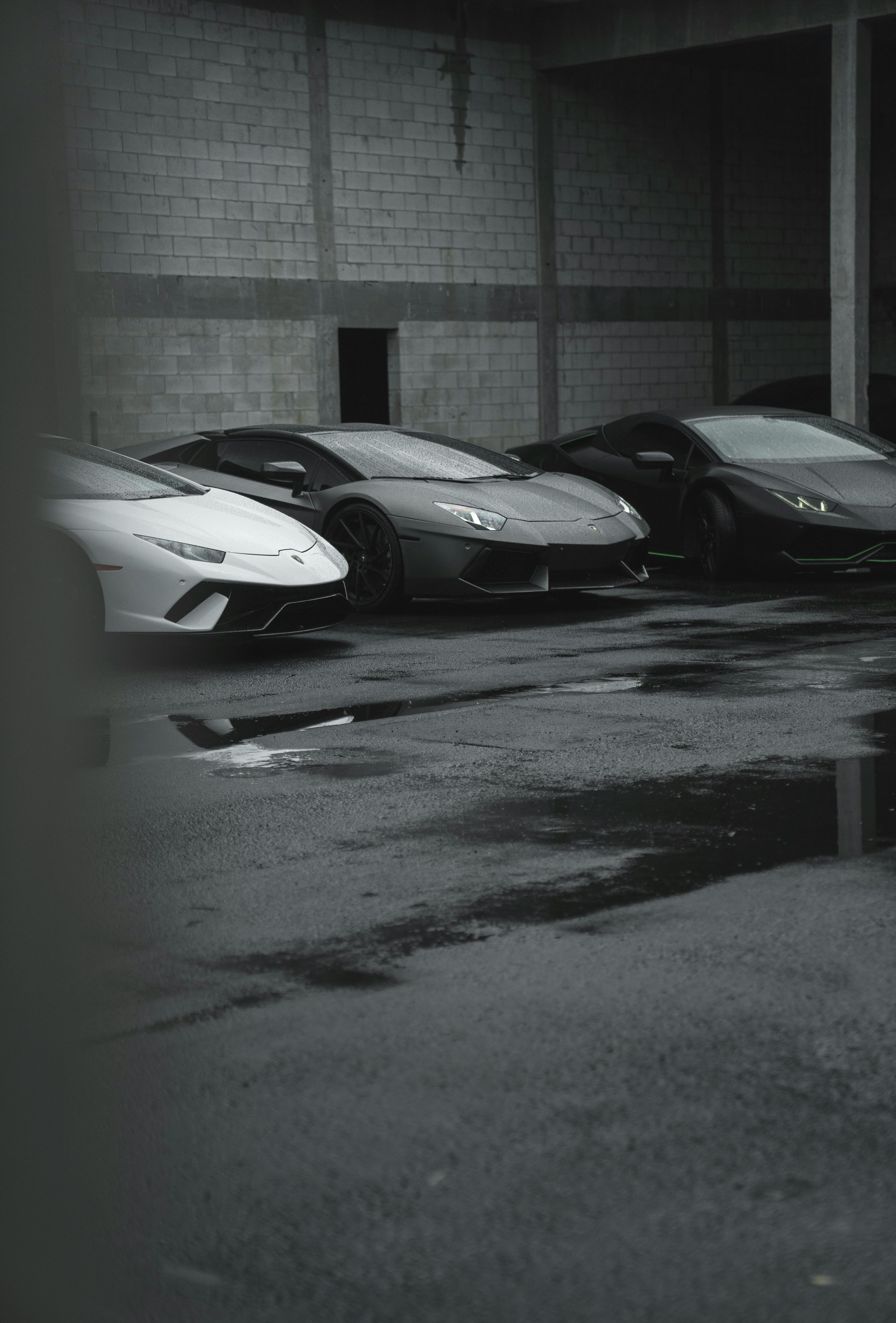
Core benefits and why they matter
Core benefits of luxury car brands are real, though the brochures tend to overstate them with all the subtlety of a brass band. First, there is craftsmanship. A Rolls-Royce or Bentley does not feel assembled so much as composed, with materials selected for touch, weight, and longevity. Second, there is performance, but in the upper tier performance is usually broader and calmer than people expect. A fast luxury car should not simply be brutal; it should remain composed at speed, quiet when needed, and civilized in traffic.
Third, there is exclusivity. Limited production creates rarity, which matters to collectors and to owners who do not want to see the same shape at every valet stand. Fourth, there is long-term desirability. Certain marques hold attention because they have clear identities. Ferrari means racing pedigree and emotional design. Lamborghini means drama. Rolls-Royce means imperious comfort. Bugatti means absurd engineering with a price to match. When a brand knows exactly what it is, buyers notice.
There is also an ownership benefit that people rarely admit. Good luxury cars make ordinary tasks feel less dreary. Commuting becomes calmer. Long trips become easier. The cabin can feel like a private room rather than a metal apology. That's not trivial. We are not made to grind through life in miserable surroundings if we can avoid it.
Still, I am suspicious of a lot of supposed value. Some brands charge for badges and options that should be standard. Some make their interiors look expensive while using plastics where better materials would matter more. Others hide weak engineering behind horsepower numbers. Do not be fooled. A luxury car should make you respect the maker’s discipline.
Step-by-step guide to choosing the right luxury car brand
A smart selection process starts with purpose. Ask what the car must do, because a tourer, a city cruiser, a track toy, and a collector's piece are different beasts. Then look at build quality, service network, depreciation, maintenance, and specification. I would rather have a properly specced, well-built car from a serious marque than a flashy thing with a longer options sheet than common sense.
- Define the use case.
Do you want comfort, speed, daily usability, or collectible status? If you want all four, prepare to spend heavily and accept compromise.
- Study the brand identity.
A marque with a coherent mission usually makes better decisions. I prefer brands that know whether they are about luxury, performance, or both, because muddled brands produce muddled cars.
- Check the materials and craftsmanship.
Leather quality, stitching, metal switchgear, paint depth, and panel alignment tell you more than a glossy launch event ever could.
- Compare ownership costs.
Servicing, tires, insurance, fuel, and depreciation can turn a glamorous purchase into a financial headache.
- Drive it properly.
Not a five-minute showroom shuffle. Real roads, real speeds, real turns. The truth is, many expensive cars reveal their shortcomings only after you stop admiring the badge.
- Examine rarity and provenance.
Limited editions, first-run models, and historically significant examples often retain interest better than standard production cars with a gold badge package.

Comparison table: luxury brands vs premium mass-market brands
| Factor | Luxury Car Brands | Premium Mass-Market Brands |
|---|
| Build quality | Hand-finished details, higher-grade materials | Good, but more cost-controlled |
| Performance | Broad power delivery, refined chassis tuning | Strong performance, less bespoke tuning |
| Exclusivity | Low production, high rarity | Wider availability |
| Interior experience | Quiet cabins, richer materials, finer controls | Comfortable, but less opulent |
| Price | Very high, often heavily optioned | High, but less extreme |
| Brand identity | Strong, often heritage-driven | Broader, sometimes diluted |
| Resale potential | Can be excellent for iconic models | Usually more predictable, less dramatic |
If you want a few names at the top of the heap, the usual suspects remain there for good reason. Rolls-Royce dominates the ultra-luxury realm with serenity and custom options that border on the absurd. Bugatti sits in the engineering stratosphere, where outright performance and scarcity set the tone. Ferrari and Lamborghini sell passion, sound, and status with varying degrees of track credibility. Bentley keeps its footing by blending luxury and speed with old-world tact. McLaren focuses on lightweight performance and carbon-fiber seriousness. Aston Martin leans on style and grand touring elegance. Pagani turns automobiles into sculpture, and does so with an almost devotional attention to finish.
People often ask which brand is “the best.” That is a lazy question. Best for what? A Phantom is not a Chiron. A 911 Turbo S is not a Continental GT. Even within one marque, the answer changes by model, year, and intended use. Good judgment beats brand worship every time.
Common mistakes to avoid
Common mistakes are usually expensive, which is fitting, I suppose. First, people buy a badge without checking total cost of ownership. That is how a glamorous purchase becomes a service bill with leather seats. Second, buyers chase raw horsepower and ignore chassis balance, visibility, and comfort. Third, they mistake rarity for quality. A rare car can still be badly made. Scarcity is not holiness.
Another mistake is listening to people who have never lived with the car. They quote specs, repeat influencer scripts, and talk about “presence” while never mentioning seat comfort, brake wear, or reliability. Let’s be real: real ownership involves tires, repairs, and the occasional irritation. If you cannot tolerate that, buy something less dramatic and sleep better.
Some buyers also ignore the emotional reality of luxury. The best cars are not sterile trophies. They make work travel less ugly, holidays more memorable, and simple driving feel deliberate rather than rushed. That quality matters because beauty, when properly ordered, supports gratitude instead of vanity. There is a quiet dignity in craftsmanship done well.
Frequently Asked Questions
What makes a car brand truly expensive?
A truly expensive car brand combines low-volume production, premium materials, advanced engineering, and strong brand equity. Rarity and hand-built details push prices higher, but the best brands also deliver quality you can feel.
Which luxury car brands hold value best?
Iconic marques like Ferrari, Porsche, and some limited-run Rolls-Royce or Lamborghini models can hold value well, especially when production is limited and specification is desirable. Condition and provenance matter a great deal.
Are expensive car brands worth the money?
Sometimes. If you value craftsmanship, comfort, performance, and exclusivity, yes. If you only want transportation, then no. Cheap cars move people just fine. Luxury cars do more, but you pay for it.
What should I check before buying a luxury car?
Inspect build quality, service history, warranty coverage, depreciation, and maintenance costs. Then drive the car on real roads. A five-minute showroom spin tells you almost nothing.
Final thought
Luxury car brands are expensive because they sit at the intersection of labor, engineering, rarity, and desire. The brands that last are not merely loud. They are disciplined. They understand materials, proportions, and the plain fact that excellence is costly because shortcuts are easier. If you want real luxury, look for restraint, competence, and a maker that respects the buyer enough not to insult him with fake sophistication. That is where the money starts to make sense.
If you are buying into the upper end of the market, do not buy the brochure fantasy. Buy the object itself, the way it feels at speed, the way it ages, and the way it honors your standards when nobody is watching. That is the real measure. Not the noise. Not the badge. The thing itself.
```json
{
"@context": "https://schema.org",
"@type": "FAQPage",
"mainEntity": [
{
"@type": "Question",
"name": "What makes a car brand truly expensive?",
"acceptedAnswer": {
"@type": "Answer",
"text": "A truly expensive car brand combines low-volume production, premium materials, advanced engineering, and strong brand equity. Rarity and hand-built details push prices higher, but the best brands also deliver quality you can feel."
}
},
{
"@type": "Question",
"name": "Which luxury car brands hold value best?",
"acceptedAnswer": {
"@type": "Answer",
"text": "Iconic marques like Ferrari, Porsche, and some limited-run Rolls-Royce or Lamborghini models can hold value well, especially when production is limited and specification is desirable. Condition and provenance matter a great deal."
}
},
{
"@type": "Question",
"name": "Are expensive car brands worth the money?",
"acceptedAnswer": {
"@type": "Answer",
"text": "They can be worth it if you value craftsmanship, comfort, performance, and exclusivity. If you only need transportation, a less expensive car is the sane choice."
}
},
{
"@type": "Question",
"name": "What should I check before buying a luxury car?",
"acceptedAnswer": {
"@type": "Answer",
"text": "Inspect build quality, service history, warranty coverage, depreciation, and maintenance costs. Then drive the car on real roads to assess comfort and usability."
}
}
]
}
```