Luxury is not just a price tag. It is craft, scarcity, and control. Most luxury marketing is pretentious nonsense, frankly, and the real question is whether a...
32 Most Expensive Car Brands in the World: Luxury, Craft, and the Price of Obsession
Luxury is not just a price tag. It is craft, scarcity, and control. Most luxury marketing is pretentious nonsense, frankly, and the real question is whether a brand actually builds something rare, lasting, and worthy of attention. When I examine high-end goods, from Swiss watches to Italian leather goods and private dining rooms, the pattern is simple: the best pieces combine material excellence, disciplined workmanship, and a sense of restraint.
Key Takeaways- Luxury goods are judged by craftsmanship, materials, scarcity, and service.
- Brand heritage matters only when the product still performs.
- The smartest buyers compare value, not just prestige.
- Premium experiences often matter more than ownership alone.
- Beauty, when ordered well, reflects good stewardship rather than mere excess.
What is luxury goods, high-end brands, luxury travel, fine dining, and premium experiences?
Luxury is the category of things that cost more because they are made better, made rarer, or made to make life feel more deliberate. That includes luxury watches, fine jewelry, designer handbags, tailored fashion, supercars, five-star hotels, private villas, chef-led tasting menus, and the sort of service that notices your preferences before you speak. It is not the same as conspicuous spending. That old routine is just peacocking with receipts.
Here’s the kicker: real luxury is usually quiet. The finest watchmaker does not need to shout about a tourbillon if the finishing is impeccable. The best hotel does not need to plaster marble everywhere if the staff can solve problems with grace. The best dining room does not need fireworks if the sauce is balanced and the ingredients are fresh. Standards matter.
The Catholic instinct here is not hard to see. Beauty has order. Work has dignity. Material things can be good when they are used rightly, cared for, and not confused with human worth. A beautifully made object can point beyond itself, provided it is not treated like an idol. That is the line most luxury marketing never bothers to explain.
If you want a useful framework, start with craft, then function, then rarity, then service. Heritage only counts if it still produces excellence. A luxury brand that rests on old stories and lazy output is just expensive wallpaper.
For broader context on how luxury brands present themselves, see Luxury Daily, Hodinkee for watchmaking culture, and Robb Report for high-end goods and travel coverage.
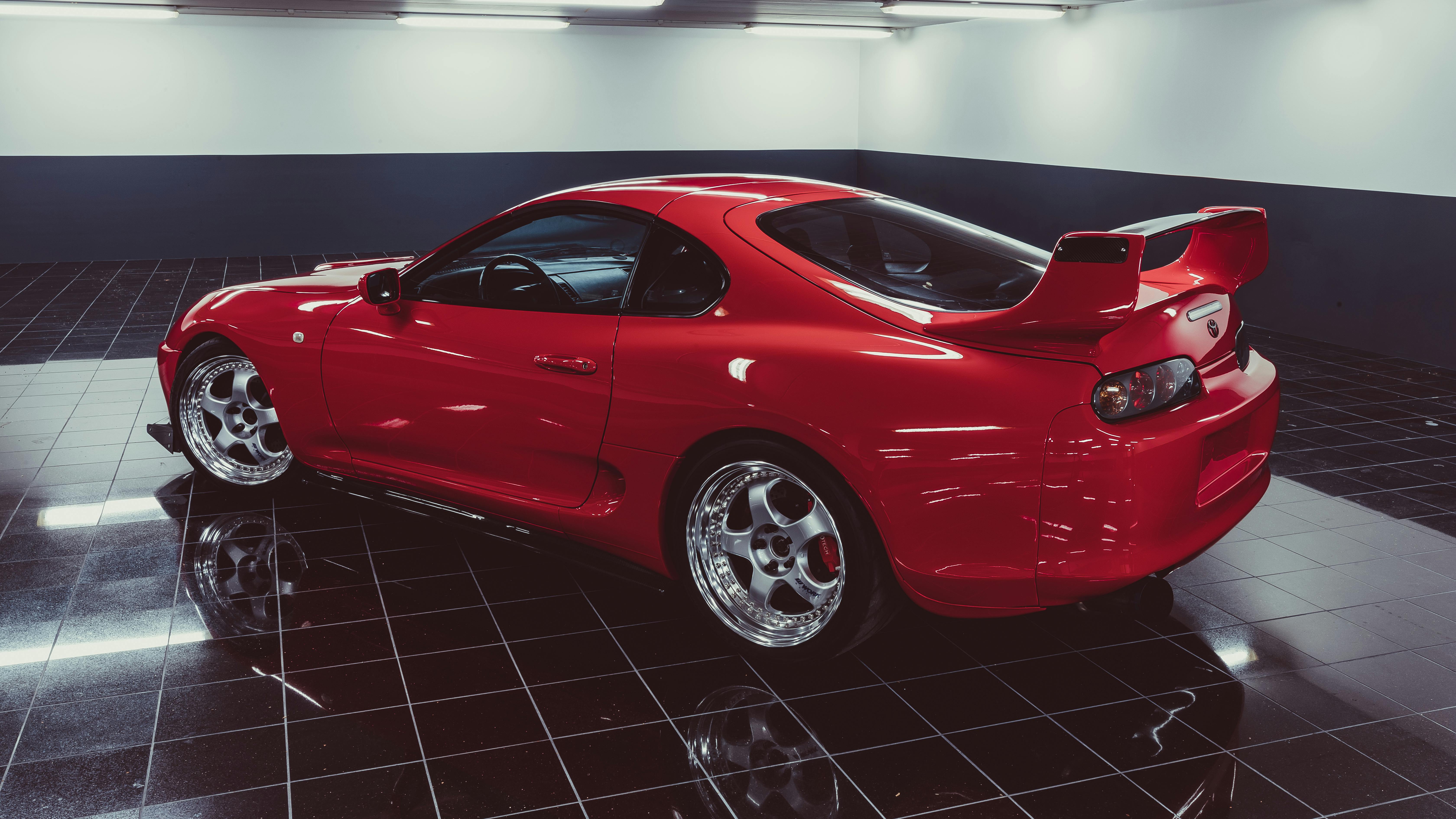
Core benefits and importance
Luxury matters for reasons that are practical, not just emotional. The market keeps pretending buyers only want status, but that is lazy analysis. People also want durability, comfort, precision, privacy, and service that does not feel like a chore.
- Craftsmanship: The best luxury products are assembled with care, not rushed out the door. That is obvious in hand-stitched leather, polished metal, and machine tolerances that make a car feel vault-solid.
- Materials: Real luxury uses better hides, better metals, better fabrics, better glass, and better stone. Cheap materials can mimic the look, but not the feel.
- Scarcity: Limited production protects quality when it is used properly. Too much output often kills the very appeal a brand claims to possess.
- Service: High-end hospitality and premium brands win by solving friction. That means fast response, informed staff, and thoughtful aftercare.
- Longevity: Good luxury should age well. A well-made jacket, a mechanically sound watch, or a properly maintained grand tourer can outlast trendier purchases.
- Emotional clarity: A luxury purchase can mark a serious milestone, and that is not trivial. Human beings remember occasions through objects and places.
But let’s be real. Not every expensive thing is worth the money. Some brands sell a logo and a story, then tack on nonsense pricing. I’ve reviewed luxury products for years, and the ones that truly earn respect usually have one thing in common: you can feel the discipline in the product itself.
Premium experiences also matter because memory is often more valuable than possession. A private tasting menu, a heritage hotel stay, or a well-planned alpine escape can be more meaningful than another object gathering dust. If you want the travel side of this conversation, the write-up on luxury honeymoon destinations and best luxury resorts shows how service and setting shape the whole experience.

Step-by-step guide and selection process
Choosing luxury well takes discipline. Otherwise you end up paying too much for a badge and calling it taste. Here is what actually works.
- Define the purpose. If you want a watch, ask whether you care about daily wear, dress use, collection value, or mechanical fascination. If you want a hotel, ask whether you need privacy, spa time, dining, or location. Vagueness costs money.
- Inspect the product, not the brochure. Study finishing, stitching, proportions, materials, and how the item feels in hand. I always say the brochure is just theater. The object is the evidence.
- Compare the maker’s record. Look at repair support, consistency, craftsmanship, and whether the brand holds up over time. Heritage counts when it is backed by competence, not nostalgia.
- Check the service layer. A luxury brand should care after the sale. Concierge response, maintenance, alterations, delivery, and guest recovery all matter.
- Measure cost against utility and pleasure. A supercar that sits unused is a costly sculpture. A well-cut jacket worn for years may be the better buy. A tasting menu should justify itself through flavor, pacing, and sourcing.
- Avoid inflated scarcity. Limited edition does not always mean excellent. Sometimes it means fewer units and a louder ad campaign. That trick is old.
- Buy from places that respect the product. For cars, that means reputable dealers and certified service. For travel, it means operators with actual standards. For fashion or jewelry, it means provenance and clear documentation.
If you want brand context, the analysis on luxury watch brands and fine jewelry brands is useful, because the same rules apply: craft first, story second, price last.
When I look at premium experiences, I also look for order. Good service has rhythm. Good design has proportion. Good food has restraint. Beauty, properly understood, is not gaudy; it is fitting. That is why so much luxury tastes shallow when it abandons measure.
Comparison table
| Category | Luxury Standard | Biggest Competitor | Why Luxury Wins | Where It Fails |
|---|
| Luxury Goods | Craft, rarity, finishing, service | Mass premium goods | Better materials and longevity | Can be overhyped |
| High-End Brands | Heritage and consistency | Trend-driven labels | Stronger identity and aftercare | Heritage can be faked in marketing |
| Luxury Travel | Privacy, staff, experience | Standard upscale travel | More control and comfort | Sometimes overpriced for the room alone |
| Fine Dining | Technique, sourcing, balance | Celebrity-chef hype spots | Better execution and memory value | Can become rigid and fussy |
| Premium Experiences | Access, intimacy, personalization | Generic packaged leisure | Feels tailored and memorable | Easy to oversell |
For destination-focused examples, compare private resort travel with ordinary luxury package stays in the exclusive European getaways guide and the best 5-star hotels roundup. Same idea, different wrapper.
Common mistakes to avoid.
The usual advice is sloppy. “Buy the most expensive one.” “Choose the most famous brand.” “Pick the limited edition.” That kind of thinking gets people into trouble.
- Mistaking price for quality: High cost can reflect marketing, rent, celebrity endorsements, or artificial scarcity.
- Ignoring ownership costs: Cars need maintenance. Watches need servicing. Handbags need care. Travel needs planning. Luxury is not free after checkout.
- Chasing trends: A hot item this season may look tired by next year. Classic proportions age better.
- Overvaluing logos: Loud branding can be a shortcut for buyers who have not done their homework.
- Skipping provenance: In watches, jewelry, and collectibles, documentation matters. No papers, no peace of mind.
- Confusing indulgence with excellence: A large dessert, a giant suite, or a chrome-heavy car interior is not automatically better.
Let’s be blunt. Luxury can become a vanity project if the buyer treats it that way. But it can also be a disciplined appreciation of human skill, like good architecture, a well-made liturgical vessel, or a chef’s careful reduction. The difference is intent. Stewardship versus swagger.
If you are comparing categories, look at the editorial on luxury cars guide and the feature on luxury craftsmanship for more on how value is actually built.
Frequently asked questions
What makes a luxury brand truly expensive?
A luxury brand becomes expensive when it combines scarce production, superior materials, strong service, and a reputation that survives scrutiny. If the quality is mediocre, the price is usually just branding.
Are luxury products a good investment?
Sometimes. Certain watches, cars, handbags, and collectibles hold value well, but most luxury purchases should be bought for use and enjoyment first, not as a guaranteed profit machine.
Why do people pay so much for premium experiences?
Because time, privacy, and comfort are valuable. A great hotel, a chef’s table, or a private tour can create memories that outlast the bill.
How can I tell if a luxury item is worth it?
Check the craftsmanship, materials, service support, resale strength, and whether the item fits your actual life. If it only impresses strangers, it is probably a weak buy.
Final Thought
Luxury at its best is not about excess. It is about order, excellence, and the patient human work that makes an object or experience feel complete. That is why the finest brands endure: they respect material truth. They respect the buyer’s time. And, when they are honest, they respect the simple fact that beauty should serve something higher than vanity.
A good car, a well-cut jacket, a serious meal, or a restful hotel stay can remind us that craftsmanship still matters. That is not frivolous. It is one small way we recognize that what is made well deserves to be used well. Frankly, that is a better measure of luxury than any logo could ever provide.