The most expensive car brands in the world are not just builders of fast machines. They sell rarity, engineering, coachbuilt detail, and the sort of ownership...
32 Most Expensive Car Brands in the World (2026): The Real Cost of Luxury, Speed, and Status
The most expensive car brands in the world are not just builders of fast machines. They sell rarity, engineering, coachbuilt detail, and the sort of ownership experience that ordinary premium cars cannot touch. Some brands charge for performance. Others charge for the badge, the materials, and the fact that they can.
Key Takeaways:- The priciest car brands combine exotic engineering, hand-built craftsmanship, and scarcity.
- Sticker price is only part of the bill; maintenance, options, insurance, and depreciation can be brutal.
- In the rarefied top tier, the difference between “luxury” and “obscene” is often a carbon-fiber hood and a famous name.
- Buyers pay for design, heritage, exclusivity, and access to limited production runs.
- The smartest way to judge value is not horsepower alone, but build quality, provenance, and long-term ownership costs.
What is the most expensive car brand, really? It is a maker that sits at the intersection of luxury goods and high-performance machinery, where every panel gap, stitch line, and engine note is meant to justify eye-watering pricing. I’ve reviewed luxury products for years, and here’s the annoying truth: a lot of the marketing is pure smoke. Still, some brands really do earn the money through craftsmanship, materials, and obsessive engineering.
Frankly, that matters. A car at this level is not a grocery-run appliance with leather seats. It is a moving object of design, a piece of industrial art, and in the best cases, a serious work of human skill. That has moral weight too. Fine work deserves respect, and beauty used well reflects something higher than mere vanity. But let’s be real: many buyers are chasing status, not excellence. That’s fine, just don’t dress it up as philosophy.
At the very top, brands like Rolls-Royce, Bugatti, Pagani, Koenigsegg, Ferrari, Lamborghini, Aston Martin, and Bentley compete on different fronts. Some focus on serenity and bespoke interiors. Others build terminal-velocity hypercars. A few do both, awkwardly and expensively. The market is split between heritage-rich grand touring brands and modern hypercar specialists, with ultra-limited coachbuilders sitting above everyone else like a very expensive headache.
If you want a broader view of luxury categories beyond cars, this sort of pricing logic shows up everywhere, from Bloomberg luxury coverage to auction houses and heritage maisons. The same patterns repeat: scarcity, narrative, and the mystique of ownership. The difference is that cars also burn fuel, wear tires, and depreciate like a stone unless they are the right chassis in the right spec.
That’s the kicker. The world’s most expensive car brands are not merely about what you drive. They are about what you can afford to maintain, display, and ignore when the bill arrives.
What is the Most Expensive Car Brand in the World?
The answer depends on what you mean by expensive. Short answer. If you mean average transaction price, coachbuilt exclusivity, and bespoke commissions, Rolls-Royce often sits near the top for sheer opulence, while Bugatti and Pagani dominate the hypercar price ceiling with limited-production machines that can reach eight figures. Which one wins? It depends on the metric.
That ambiguity is useful, and a bit irritating. A brand can be expensive because of base pricing, or because every options list looks like a ransom note. It can be expensive because of craftsmanship, because of heritage, or because some collector wants the only one in a specific shade of midnight blue with polished aluminum inlays. These things are not the same.
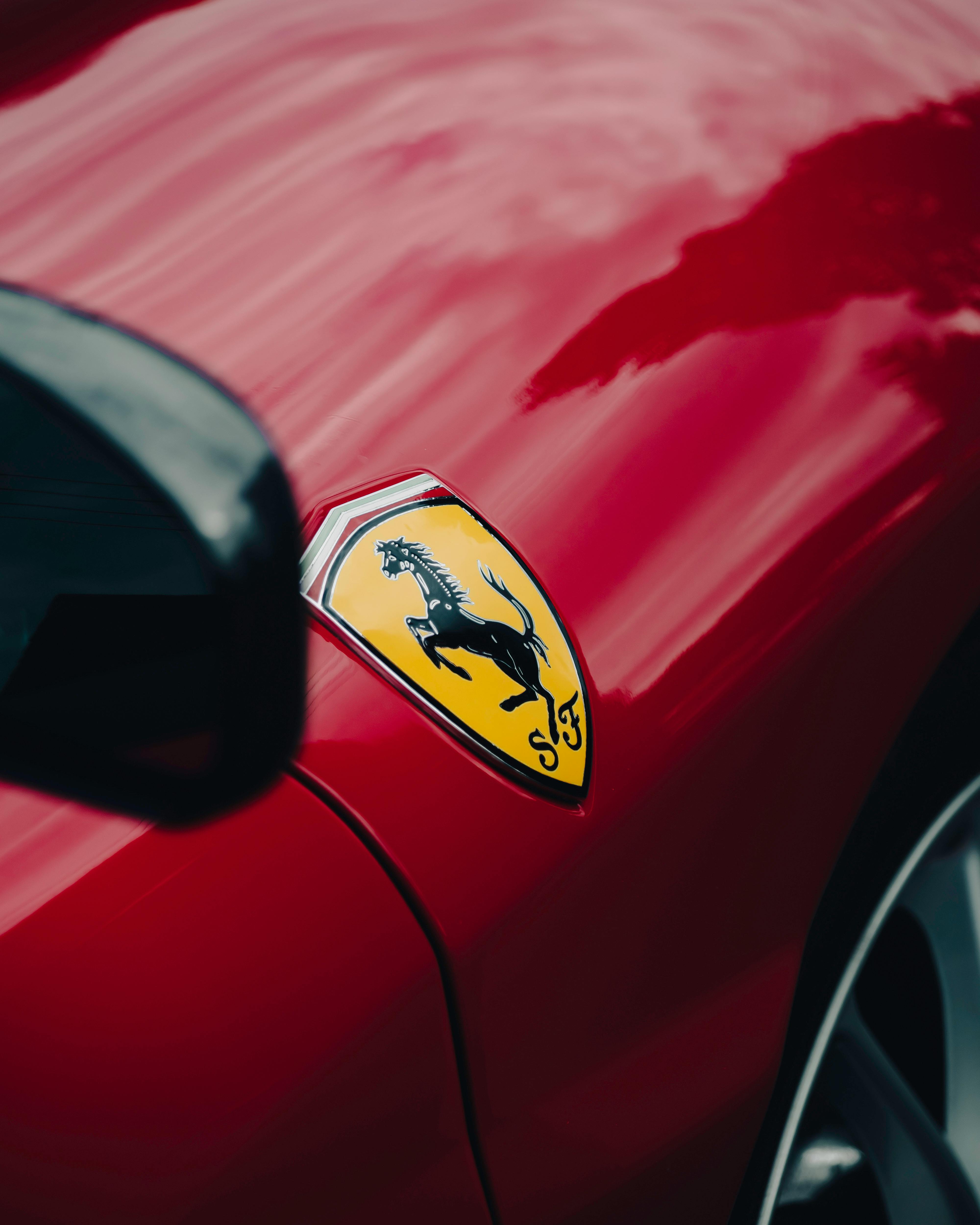
If I strip away the brochure language, the category breaks into three broad types. First, ultra-luxury marques such as Rolls-Royce and Bentley, where comfort, materials, and hand-finished interiors dominate. Second, performance-first exotic brands such as Ferrari, Lamborghini, and Aston Martin, where rarity and brand heat carry a lot of the bill. Third, hypercar manufacturers like Bugatti, Koenigsegg, and Pagani, where engineering theatre, active aerodynamics, and extreme materials push pricing into absurd territory.
Most people assume “most expensive” means “fastest.” Not always. A Rolls-Royce Phantom is not built to lap anything except the valet stand. Yet its price can rival or exceed many performance cars because it offers bespoke paint, whisper-quiet cabins, and coachbuilt detailing that takes real time and labor. Labor matters. So does skill. That is not snobbery; it is simple economics.
The luxury market also rewards story. Ferrari prices are helped by racing heritage, scarcity, and a fiercely managed identity. Pagani charges for art as much as engineering. Bugatti sells engineering wrapped in almost ludicrous excess, as seen in modern models like the Chiron family and special one-offs discussed by Top Gear’s supercar coverage. Koenigsegg sells innovation at the edge of what physics and patent lawyers tolerate.
When people ask the blunt question, “What is the most expensive car brand?” they usually want a single name. The honest answer is less tidy. The expensive tier is a hierarchy, not a podium. Some brands charge for comfort, some for speed, and some for the privilege of getting a phone call from a commission specialist in Monaco.
Core Benefits and Why Expensive Car Brands Matter
The obvious benefit is status. No pretending. A car from one of these brands signals wealth, access, and taste, whether refined or merely loud. People may sneer, but luxury goods have always done this. A fine watch tells time; a rare car tells everyone else they are not invited. That is the social function, and it is not going away.
But there is more than vanity in the mix.
- Craftsmanship: The best brands still rely on skilled labor, precision assembly, and finishing that mass-market cars cannot match. Leather selection, paint correction, trim stitching, and panel alignment are real, not imaginary.
- Materials: Carbon fiber, titanium, aluminum, exotic veneers, fine hides, and advanced composites cost money and require careful handling. Cheap cars use cheaper stuff. Shocking, I know.
- Performance: Hypercars justify much of their price through engineering. Light weight, power output, braking systems, and aerodynamic control are not cosmetic.
- Exclusivity: Limited builds, special editions, and invitation-only commissions create scarcity. Scarcity pushes prices up, even when the hardware itself is only marginally different.
- Brand equity: Heritage matters because buyers pay for confidence. A marque with decades of motorsport or coachbuilding history can charge more than a newcomer with similar specs.
- Ownership experience: Concierge service, custom commissioning, white-glove delivery, and factory personalization all add value for the right customer.
Here’s the contrarian bit. Expensive does not always mean better. A brand can charge an absurd sum for a car that is harder to use, less reliable, and more attention-seeking than it needs to be. Some “luxury” cars are simply expensive because the badge has become a social weapon. I’ve seen that in watches, hotels, and cars. Plenty of buyers are paying for noise, not quality.
Still, the best brands do offer something real: the dignity of excellent work. Catholic teaching has long treated craftsmanship and ordered beauty as worthy of esteem, because beauty is not just decoration; it reflects discipline, proportion, and care. In a good car, that shows up in the grain of the leather, the way a door shuts, and the absence of cheap shortcuts.
For readers comparing the broader market, it helps to look at model diversity and ownership standards. Manufacturer profiles from Car and Driver and luxury market reporting from Robb Report Motors show a consistent pattern: the top brands sell an entire experience, not just a vehicle.
The truth is, expensive car brands matter because they reveal what the market rewards. Sometimes it rewards excellence. Sometimes it rewards theater. Often, it rewards both at once.
Step-by-Step Guide to Evaluating the Most Expensive Car Brands
Choosing among elite car brands is not about horsepower charts alone. That’s amateur hour. You need a method, or you will end up with a wildly expensive machine that looks great in photos and punishes you everywhere else.
- Start with the use case. Ask what the car is for. Daily driving, weekend touring, collection, track use, or pure display? A Rolls-Royce and a Koenigsegg do not solve the same problem. Anyone telling you otherwise is selling something.
- Check the brand’s core identity. Some brands are about comfort and ceremony. Others are about speed and technical flex. Ferrari, for instance, mixes racing identity with collector demand. Bentley leans toward grand touring and luxury. Bugatti is closer to a mechanical monument.
- Inspect materials and construction. I always look at the cabin first. Why? Because cheap trim ruins the illusion fast. Hand-stitched leather, real metal surfaces, sound insulation, and finish quality tell you more than a spec sheet.
- Study the commission and personalization process. At this level, you are not just buying a car. You are buying access to custom paint, interior themes, matched luggage, and sometimes even client-specific design teams. That’s where the real money hides.
- Compare performance honestly. A turbocharged V12 or quad-turbo W16 sounds dramatic, but road manners matter more than pub talk. Analyze braking, ride quality, steering feedback, and cooling performance.
- Calculate ownership costs. Insurance can be punishing. Tires, brakes, service intervals, and storage requirements add up fast. I’ve seen buyers focus on purchase price and then act surprised when a tire replacement costs more than a family sedan.
- Evaluate rarity and collectability. Limited production numbers, special homologation models, and cars with racing pedigree often hold value better. Not always. But often enough to matter.
- Review dealer and factory support. High-end ownership should include competent service, transparent communication, and parts availability. If a brand can’t support its flagship properly, the shine wears off quickly.
A useful way to think about the process is to ask one hard question: does this brand improve the experience, or just inflate the invoice? I’ve reviewed enough luxury goods to know the difference. Real quality usually feels calm, not noisy.
If you want to study other premium sectors with similar evaluation habits, look at how collectors assess fine watches or rare spirits. The same discipline applies: provenance, condition, scarcity, and actual craftsmanship.

Comparison Table: Most Expensive Car Brands vs. Mainstream Luxury Competitor
| Factor | Most Expensive Car Brands | Mainstream Luxury Brands |
|---|
| Typical Price Range | Hundreds of thousands to many millions | Tens of thousands to low hundreds of thousands |
| Production Volume | Very limited, often bespoke | Much higher, more standardized |
| Materials | Exotic metals, carbon fiber, hand-finished leather | Good leather, wood trim, premium plastics, more automation |
| Performance Focus | Extreme power, track capability, engineering theater | Balanced comfort, speed, and usability |
| Customization | Extensive, sometimes near-unlimited | Moderate to high, but within preset options |
| Ownership Experience | White-glove, concierge-level, factory involvement | Dealership-based, premium but conventional |
| Depreciation | Can be severe, especially on unfashionable specs | Usually less brutal in percentage terms, though still painful |
| Brand Power | Heritage, rarity, and collector appeal drive pricing | Strong market presence, but less exclusivity |
The biggest competitor to the ultra-expensive segment is not another hypercar. It is the upper end of mainstream luxury, where Mercedes-Benz, BMW, Lexus, and Porsche offer enough prestige for most buyers without the full economic punishment. That is why brands like Porsche matter so much. They sit between the practical and the ridiculous, and they often give more usable value than some far pricier exotics.
For market context and comparative pricing, check current reporting from Forbes Wheels, which regularly tracks high-end automotive pricing and model positioning. The numbers change, but the hierarchy remains stubbornly intact.
Common Mistakes to Avoid
The first mistake is confusing price with quality. Happens all the time. A six-figure badge does not guarantee a beautiful cabin, satisfying steering, or a sensible service network. Sometimes it just means the marketing department got to the invoice before engineering did.
The second mistake is buying for attention. Loud colors, oversized wheels, and overdone spec sheets look great in a showroom and tiresome in real life. Real luxury has restraint. It may whisper. It does not need to shout from the curb.
The third mistake is ignoring depreciation. This is where fantasies go to die. Some expensive brands hold value surprisingly well, especially rare Ferraris or limited-run McLarens, but many do not. A highly optioned exotic with a weak market can lose money at a rate that would make a banker blush.
The fourth mistake is underestimating maintenance. Exotic ownership is not like changing the oil in a commuter car. Specialized parts, tire compounds, brake systems, and scheduled servicing can turn a beautiful machine into a financial sinkhole. If you cannot afford to maintain it properly, you cannot afford it. That’s not judgment. That’s arithmetic.
The fifth mistake is treating every special edition as an investment. Please. A commemorative paint scheme and a plaque do not automatically create value. Collectability depends on rarity, desirability, provenance, and timing. Most “limited” cars are only limited in the sense that people limit themselves to one bad decision.
A lot of luxury advice online is pretentious nonsense. “Buy what speaks to you.” Sure, but also buy what makes sense. Beauty matters, yet stewardship matters too. Good ownership means respecting the labor that produced the machine and not turning it into a vanity project that leaks money and oil in equal measure.
When I examine top-tier brands, the smartest buyers are usually boring in the best way. They study service history, compare specs, and ignore hype. Frankly, that’s how wealth stays wealthy.
For broader context on how high-end manufacturers position themselves, Bentley Motors and Rolls-Royce Motor Cars both illustrate how brand philosophy shapes price, ownership, and perceived value.
Frequently Asked Questions
What is the most expensive car brand in 2026?
It depends on the metric. For ultra-luxury bespoke pricing, Rolls-Royce often sits at the top. For hypercar pricing and limited-run exotics, Bugatti, Pagani, and Koenigsegg can exceed it on a per-model basis.
Why are luxury car brands so expensive?
Because they combine low production volume, hand-built labor, rare materials, advanced engineering, and strong brand equity. Buyers also pay for exclusivity and personalization.
Do expensive car brands hold their value?
Some do. Rare Ferraris, certain limited-edition Porsche models, and select Bugattis can perform well, but many expensive cars depreciate sharply once they leave the showroom.
Which expensive car brand is best for daily use?
Usually Bentley, Rolls-Royce, or certain Porsche models, depending on your needs. Hypercars are spectacular and exhausting. Daily life deserves comfort.
Final Thought
The most expensive car brands in the world are not just status objects. They are records of what happens when engineering, craftsmanship, and vanity all show up at the same factory gate. Sometimes the result is magnificent. Sometimes it is just expensive theater with a V12.
The best brands earn their price by making something difficult look effortless. That is the part most people miss. A truly fine car feels composed, almost quiet in its confidence, because every detail has been considered by people who actually know what they are doing. That kind of work deserves respect.
Still, the luxury market is full of inflated promises. I’ve seen plenty of cars that cost a fortune and deliver mostly noise. So keep your head screwed on. Judge the build, the support, the materials, and the long-term ownership burden. If the machine offers beauty, performance, and durability in proper measure, then the price starts to make sense. If not, it’s just a very expensive way to be noticed.
And maybe that’s the real dividing line. The best luxury is not loud. It is ordered, rare, and well made. In cars, as in life, excellence shows up in the details no one bothered to fake.