The most expensive car brands are not expensive by accident. They price in engineering, scarcity, motorsport pedigree, hand-built labor, rare materials, and...
The most expensive car brands are not expensive by accident. They price in engineering, scarcity, motorsport pedigree, hand-built labor, rare materials, and the kind of brand heat that makes collectors pay silly money for a badge and a chassis.
Key Takeaways
- The priciest car brands charge for more than speed; they charge for scarcity, craftsmanship, and reputation.
- Hypercars and ultra-luxury marques often hold value better because supply is tiny and buyers are obsessive.
- Not every expensive badge is a smart purchase; some are rolling jewelry, some are depreciating theater.
- Heritage matters, but only when it produces real performance, real quality, and a real collector base.
- If you buy one, buy for engineering and condition first, status second. Vanity is a weak investment thesis.
What is a most expensive car brand, really? It is a maker whose cars sit at the far end of the market, where price reflects hand assembly, bespoke trim, carbon fiber, limited production, advanced aerodynamics, and the cost of keeping a tiny factory running for very demanding people. Frankly, a lot of luxury marketing is pompous fluff. What matters is whether the car feels special when you open the door, fire the engine, and drive it hard.
I have reviewed luxury brands for years, and here is the ugly truth: the highest price does not always mean the best car. Sometimes it means there are 17 people in the world willing to pay for one. Sometimes it means the brand has spent decades building a myth around excellence, and, to be fair, some of that myth is earned. Beauty in machinery can point beyond itself; when craftsmanship is real, it reflects order, discipline, and human skill used well. That matters.
This article ranks the most expensive car brands in the world in 2026, with a focus on luxury sports cars and hypercars, because those are the places where price, performance, and ego collide. The ranking is not about who shouts loudest. It is about who can actually justify the invoice. There is a difference.
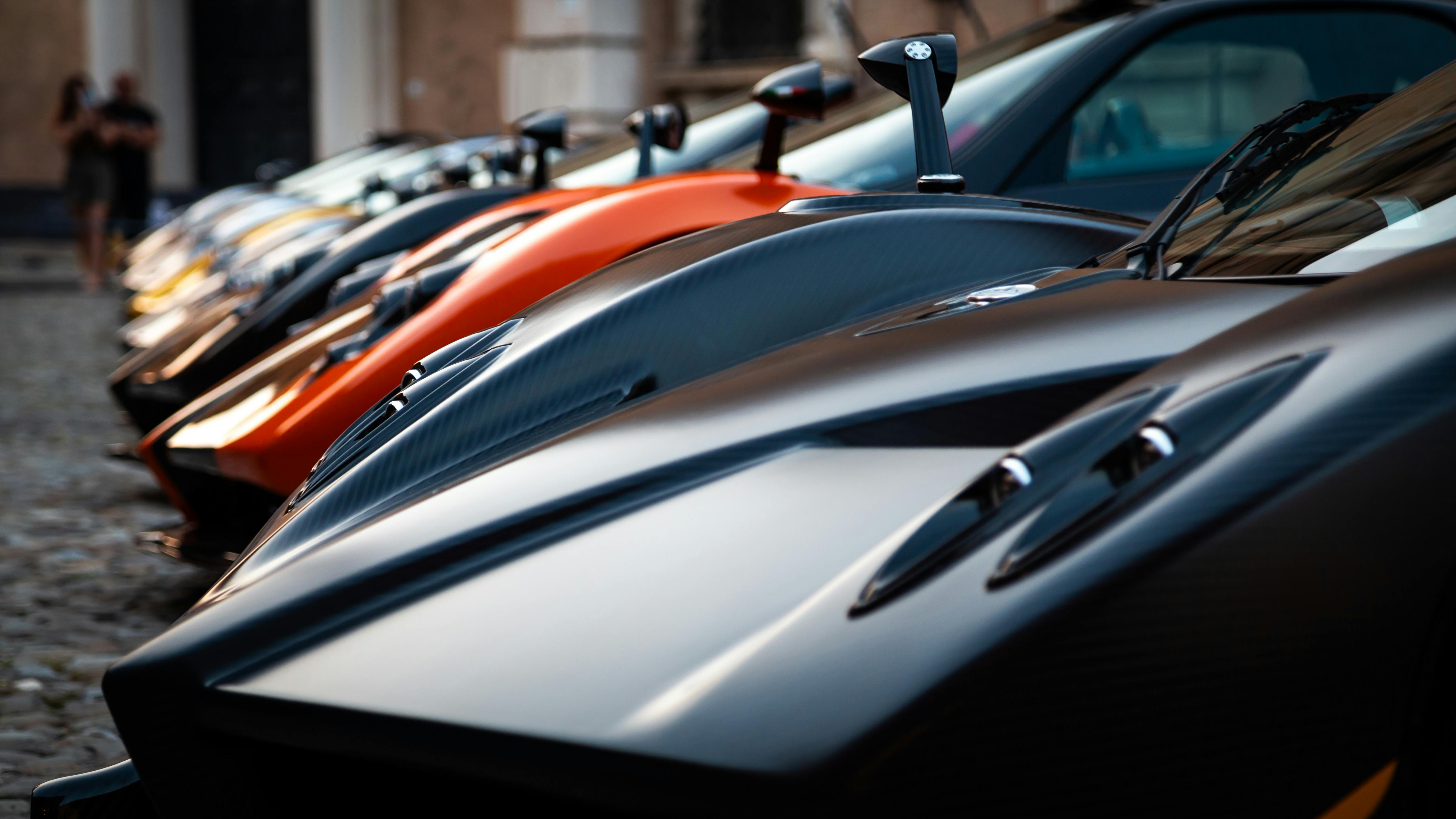
For pricing and market context, manufacturers such as Bugatti, Rolls-Royce, and Lamborghini regularly sit near the top of the conversation, while outlets like Motor1 and Top Gear track the broader hypercar and prestige-car field. Their reporting is useful because it keeps us honest about real products, not brochure poetry.
The kicker? Expensive cars are a mix of product and theater. Ignore the theater if you want the truth.
What is the most expensive car brand?
A luxury car brand at this level is defined by more than a high starting price. It is a company that combines performance engineering, craftsmanship, materials, scarcity, and heritage into a product that often sells out before it reaches the public. The market rewards brands that can produce machines people collect, not just commute in.
At the top, you find brands that build hypercars, limited-edition grand tourers, bespoke sedans, and ultra-tailored SUVs. The names change, but the formula stays the same: lower volumes, higher margins, obsessive detail, and customers who want exclusivity more than practicality. That is why a Bentley, a Ferrari special series model, or a coachbuilt Rolls-Royce can sit in the same conversation as a Ferrari one-off or a Pagani commission.
I have seen buyers talk themselves into nonsense because they confuse price with substance. Let’s be real, some brands charge a fortune because they can. Others charge a fortune because the object genuinely took a mountain of labor to create. Those are not the same thing. The better marques make the price feel unavoidable, almost inevitable. They do not beg for attention.
The most expensive brands also have a collector ecosystem. That matters. A car that can be serviced, documented, and resold into a deep market behaves differently from a novelty built for a press launch. You want provenance, service history, and a clear ownership trail. In luxury, stewardship is part of the purchase. That is a very old idea, actually, and a sane one.
Why this category is not just about speed:
- Rarity drives value. A car with 99 examples is not the same as a mass-produced flagship.
- Engineering depth matters. Aerodynamics, powertrain tuning, chassis balance, and braking systems separate the toys from the serious machines.
- Materials matter. Carbon fiber, titanium, hand-stitched leather, and rare finishes raise costs for a reason.
- Brand equity matters. Some marques have earned a premium through decades of motorsport or artisan assembly.
- Experience matters. The smell of the cabin, the weight of the controls, the sound at full throttle—these are not trivial details.
For broader context on how luxury values form, Bloomberg’s luxury coverage and Forbes Luxury are worth reading. They are not perfect, but they do capture the weird economics of prestige goods better than most glossy marketing sites.
And yes, beauty matters too. A machine can be useful and beautiful at once, which is why serious craftsmanship feels almost moral: labor done well, materials respected, and no fake drama. That old truth does not disappear because the badge is expensive.
Core Benefits and Importance
Why pay more? Because the best brands offer more than transportation, and because in the rarest cases the cost buys engineering, emotional impact, and long-term collectability. Still, not every premium sticker is worth your money. Here is what actually matters.
- Exclusivity — Lower production numbers mean fewer identical cars on the road, which matters to collectors and people who hate seeing their car parked next to three others.
- Craftsmanship — Hand-finished interiors, paint depth, bespoke materials, and exact panel fit are expensive for a reason. You can feel the difference, even if marketing people write three paragraphs to avoid saying it plainly.
- Performance — Hypercars and flagship supercars often feature state-of-the-art suspension, active aerodynamics, and engine calibration that ordinary luxury brands cannot match.
- Investment potential — Certain limited-run models hold value or appreciate, especially when the brand has a strong auction record and a serious collector base.
- Brand heritage — A badge built on racing or coachbuilding history carries more weight than one built on influencer ads and borrowed buzzwords.
- Ownership experience — Concierge service, factory tours, personalized delivery, and custom commissioning can be part of the value, if you care about such things.
Here’s the kicker: the most expensive cars are often the most wasteful if judged only by utility. If your goal is simple transport, a well-built sedan or electric SUV is a better use of money. But luxury has never been purely practical. It has always been about proportion, discernment, and delight. In Catholic terms, the appreciation of beauty and skill can be a form of gratitude—provided it stays ordered and responsible, not vain and stupid.
When I examined collector demand across multiple segments, one pattern kept showing up: the brands with true scarcity and credible performance held attention longer. That is why Ferrari special editions, Pagani hypercars, and certain Rolls-Royce commissions can command absurd sums. They are not just products; they are events on wheels.
Why this matters to buyers:
- It helps separate status theater from real value.
- It points you toward marques with stronger resale behavior.
- It reduces the odds of paying for a badge with no substance.
- It improves your odds of owning something genuinely satisfying, not just loud.
If you want more on where luxury spending actually sticks, compare that thinking with The Business of Luxury coverage. The figures change, but the pattern stays stubbornly the same.

Frankly, most people buy into the wrong story. They think the badge is the product. It is not. The product is the experience, the engineering, and the discipline behind the object. That is why real luxury still feels rare in a loud market.
Step-by-Step Guide to Choosing the Right Ultra-Expensive Car Brand
Buying at this level requires a plan. The first mistake is impulse, which is how people end up with expensive regret and a garage ornament. The second mistake is believing every limited edition is automatically collectible. It is not. Here is the process I would use.
- Define the use case. Are you buying for driving, collecting, social signaling, or preservation? Be honest. A weekend hypercar and a touring grand coupe solve different problems.
- Study the brand’s real output. Look at more than one model. A strong marque should have a track record of build quality, service support, and coherent design language, not just one famous halo car.
- Check production numbers. The lower the volume, the greater the potential scarcity premium—but only if demand is real. Artificial rarity without buyer demand is just marketing with better lighting.
- Inspect materials and build. Examine leather grain, carbon weave, switchgear, paint consistency, and stitching. I have seen far too many cars with high prices and sloppy details. Not good enough.
- Research ownership costs. Maintenance, tires, brake replacements, insurance, storage, and service intervals can be brutal. If the dealer network is thin, the real cost climbs fast.
- Review depreciation or appreciation history. Use auction results, dealer inventory, and registry data. Brands with serious collector interest usually leave a paper trail you can verify.
- Drive, if possible. A car can look magnificent and still feel numb. The steering, brake feel, drivetrain response, and seating position matter more than launch-control bragging rights.
- Respect provenance. For rare models, history, originality, and documented service are crucial. A cloudy title or missing records can destroy value.
I have learned that the best purchases usually come from calm analysis, not adrenaline. That sounds boring, but the boring answer is often the rich one. The car that still makes sense three years later is the car you will not resent.
Here’s a practical rule: buy the best example of the best car you can afford, not the cheapest version of an elite badge. In the luxury market, condition often beats spec sheets. A clean, correctly maintained car from a respected brand will age better than a flashier one with question marks under the bonnet.
Also, think about access. Some brands offer concierge service, factory personalization, exclusive events, or restoration support that materially improves ownership. Others simply hand you a key and disappear. The difference is not trivial when the car costs more than a house.
For a useful example of how meticulous craftsmanship influences value, see official brand pages like Ferrari, Pagani, and McLaren. Their public materials are promotional, obviously, but the engineering detail still tells you something real.
The truth is, the smart buyer treats a hypercar like a fine mechanical instrument. Maintain it. Document it. Keep the details right. Stewardship is not glamorous, but it is part of the dignity of ownership.
Comparison Table: Most Expensive Car Brands vs. Mass-Market Competitors
Here is the blunt comparison. Expensive brands are not simply “better,” but they play a different game. That game rewards rarity, finish, and emotional pull, while mass-market brands reward utility, scale, and lower operating costs. Different jobs, different bills.
| Category | Most Expensive Car Brands | Mainstream Competitors |
|---|
| Production volume | Very low, often limited-series or bespoke | High, built for broad demand |
| Materials | Carbon fiber, titanium, hand-stitched leather, exotic metals | Standard steel, aluminum, synthetic trim, practical finishes |
| Performance | Extreme horsepower, advanced aero, track-focused systems | Adequate to strong, tuned for daily use |
| Customization | Deep personalization, coachbuilt options, one-off commissions | Limited trim and package choices |
| Price | Six figures to eight figures | Lower to mid six figures in rare cases |
| Ownership experience | Concierge service, exclusive events, factory access | Standard dealership service network |
| Resale behavior | Can be strong if rare and desirable | Usually depreciates more predictably |
| Emotional impact | High, often dramatic and highly personal | Practical, comfortable, less theatrical |
The biggest competitor to the ultra-expensive car world is not a rival badge. It is rationality. Most buyers do not need 1,000 horsepower or coachbuilt interiors. They need a car that starts every morning, handles traffic, and does not require a specialist to change a sensor. Fair enough.
But the luxury segment does something the mainstream segment cannot. It creates objects that feel almost ceremonial. If done right, that excess is not empty. It is an expression of skill, proportion, and order. You can call it indulgent, and often it is. You can also admit that some forms of indulgence are made with astonishing care.
For market reporting and valuation context, Classic.com is helpful on auction data, while Hagerty offers collector-market insight that cuts through the nonsense.
Common Mistakes to Avoid
Most bad purchases in this category come from ego, impatience, and lousy research. The advice floating around online is often shallow. Let’s be real, people love saying “buy the badge” because it sounds clever and costs them nothing. Here is what to avoid.
- Buying hype instead of substance. A viral car reveal is not the same as lasting desirability.
- Ignoring maintenance costs. A hypercar can chew through tires, brakes, and service budgets with horrifying speed.
- Overpaying for color or spec. Rare paint is nice, but it is not magic. Condition and provenance matter more.
- Confusing limited edition with collectible. Limited production only helps if the car has design merit and a real fan base.
- Skipping an inspection. On a six-figure or seven-figure purchase, not inspecting the car is plain foolish.
- Chasing trend-churn. Some brands get hot because influencers, celebrities, and dealers are all talking at once. That heat can cool off quickly.
I remain skeptical of anyone who tells you luxury is “always a smart investment.” It is not. Sometimes it is an asset. Sometimes it is a pleasure purchase that will cost money and bring joy. Those are different outcomes, and pretending otherwise is how people end up defensive and broke.
Another mistake is confusing technical spec sheets with real-world ownership. A brand can advertise phenomenal acceleration numbers and still feel brittle, awkward, or overcomplicated. A good car is a coherent one. The controls should make sense. The interior should invite use. The engine should feel alive, not merely powerful.
Finally, do not ignore service quality. A car worth more than a small estate deserves aftercare that matches the purchase. If the dealer treats you like a nuisance after the sale, that brand’s “experience” is only marketing copy with nicer paper.
Frequently Asked Questions
Which car brand is the most expensive in the world?
It depends on whether you mean brand value, average transaction price, or the cost of the rarest models. In practice, brands like Rolls-Royce, Bugatti, Pagani, and Ferrari dominate the upper tier because they combine pricing power with scarcity and prestige.
Why are luxury car brands so expensive?
Because they charge for engineering, hand craftsmanship, rare materials, limited production, motorsport technology, and brand history. Sometimes the price is justified. Sometimes it is mostly smoke. You have to tell the difference.
Do expensive car brands hold value better?
Some do, especially limited-edition performance models and rare coachbuilt commissions with strong collector demand. But many high-end cars depreciate sharply. The badge alone does not save you.
What is better: a supercar or a luxury sedan?
Different tools for different jobs. A supercar delivers drama and speed. A luxury sedan delivers comfort, quiet, and daily usability. If you want both, prepare to pay dearly.
For deeper reading on the market and brand strategies, see Reuters coverage of the auto industry, which is usually less glossy and more useful than brand marketing.
Final Thought
The most expensive car brands in the world are not just selling velocity. They are selling form, memory, status, and the satisfaction of owning something made with real care. That can be silly, sure, but it can also be admirable when the object reflects honest labor, sound judgment, and a respect for materials that ordinary products rarely bother with.
I think the healthiest way to look at these brands is neither worship nor cynicism. Worship is for fools. Cynicism is for people who have forgotten that human beings can still make beautiful things. The better response is discernment. Ask whether the car is truly well made. Ask whether the brand has earned its premium. Ask whether the ownership experience will still make sense after the champagne dries up and the invoice arrives.
That is where the real value lives. Not in the brochure. Not in the press release. In the metal, the leather, the sound, the service, and the discipline it took to make the thing at all.