The most expensive car brands are not just transportation. They are rolling artifacts of engineering, money, pride, and occasionally poor judgment. In 2026...
32 Most Expensive Car Brands in the World (2026): Luxury Sports Cars and Hypercars Ranked
The most expensive car brands are not just transportation. They are rolling artifacts of engineering, money, pride, and occasionally poor judgment. In 2026, the top names in luxury sports cars and hypercars are defined by scarcity, hand-built craftsmanship, motorsport heritage, material science, and the sort of price tags that make ordinary buyers blink twice.
Key Takeaways- Hypercars are priced by rarity, performance, coachbuilding, and brand cachet.
- The biggest rival to expensive car brands is not another brand; it is exclusivity itself.
- A high sticker price does not automatically mean better long-term value.
- Materials, provenance, and limited production matter more than marketing noise.
- The smartest luxury buyers study ownership costs, depreciation, and service access.
What is the most expensive car brand segment? It is the upper tier of the automotive world where cars are built in tiny numbers, often by hand, and priced far beyond mass-market supercars. Frankly, a lot of the hype is smoke and mirrors, but the real elite brands earn their status through carbon fiber structures, bespoke interiors, titanium hardware, V12 or hybrid powertrains, and motorsport pedigree.
I have reviewed enough luxury machines to know the difference between real value and glossy nonsense, and the difference is usually obvious once you inspect the details. What matters? Fit, finish, engineering depth, and a brand’s ability to hold its nerve while everyone else chases trends. Beauty matters too, because well-made machines can reflect order, proportion, and human skill in a way that feels almost moral; that may sound lofty, but the best cars really do show the dignity of work.
The most expensive brands typically fall into a few buckets: heritage marques with racing bloodlines, bespoke coachbuilders, ultra-limited hypercar specialists, and high-end luxury houses that treat cars like jewelry on wheels. Here is the kicker: the price is often only the entry fee. Options, personalization, taxes, insurance, storage, and maintenance can push ownership into absurd territory. Expensive? Yes. Arbitrary? Sometimes. Worth it? That depends on whether you value precision over flash.
Core importance matters because these brands influence the whole industry. They push composites, active aerodynamics, lightweight construction, electrification, and cabin craftsmanship into the mainstream over time. The richest buyers are effectively funding the future of performance cars, even if they are mostly paying for exclusivity and bragging rights. That is the honest version, not the brochure version.
If you want the top tier, you are not buying horsepower alone. You are buying process, lineage, and the assurance that hundreds of hours went into something that only a few dozen people will ever own.
What is the most expensive car brand segment?
It is the zone where hand-built rarity, performance, and status collide. These brands do not compete on volume; they compete on scarcity, engineering finesse, and the sort of detail work that takes a proper craftsman days, not minutes. If a mass-market car is a tool, this tier is closer to a sculpture that happens to move.
I look at these brands through a blunt lens: what is real, and what is theater? Some marques deserve the reputation. Others are just expensive noise with glossy paint. The difference usually shows up in chassis tuning, material quality, service support, and whether the car still feels special after the Instagram fever breaks.
Most expensive car brands usually share a few traits. First, they keep production numbers low. Second, they use advanced materials like carbon fiber, forged aluminum, titanium, and rare leather or bespoke trim. Third, they have either a racing legacy or a design language that people can spot from a distance. Fourth, they charge for personalization because wealthy buyers want the illusion of individuality, and, frankly, sometimes they get it.
There is also a moral angle here, subtle but real. Good craftsmanship honors labor. It rewards patience. It turns raw materials into something ordered and beautiful, which is not a bad model for any industry. That is why the finest cars often feel calmer, not louder, than the pretenders.
To separate the serious names from the rest, study real-world performance, not just brochure numbers. Read credible testing from sources like Car and Driver and compare that with manufacturer claims, because the spec sheet often flatters the car more than the road does. Also check the market context with Classic.com, which tracks auction and collectible pricing trends, since rarity only matters if buyers actually care. Simple enough.
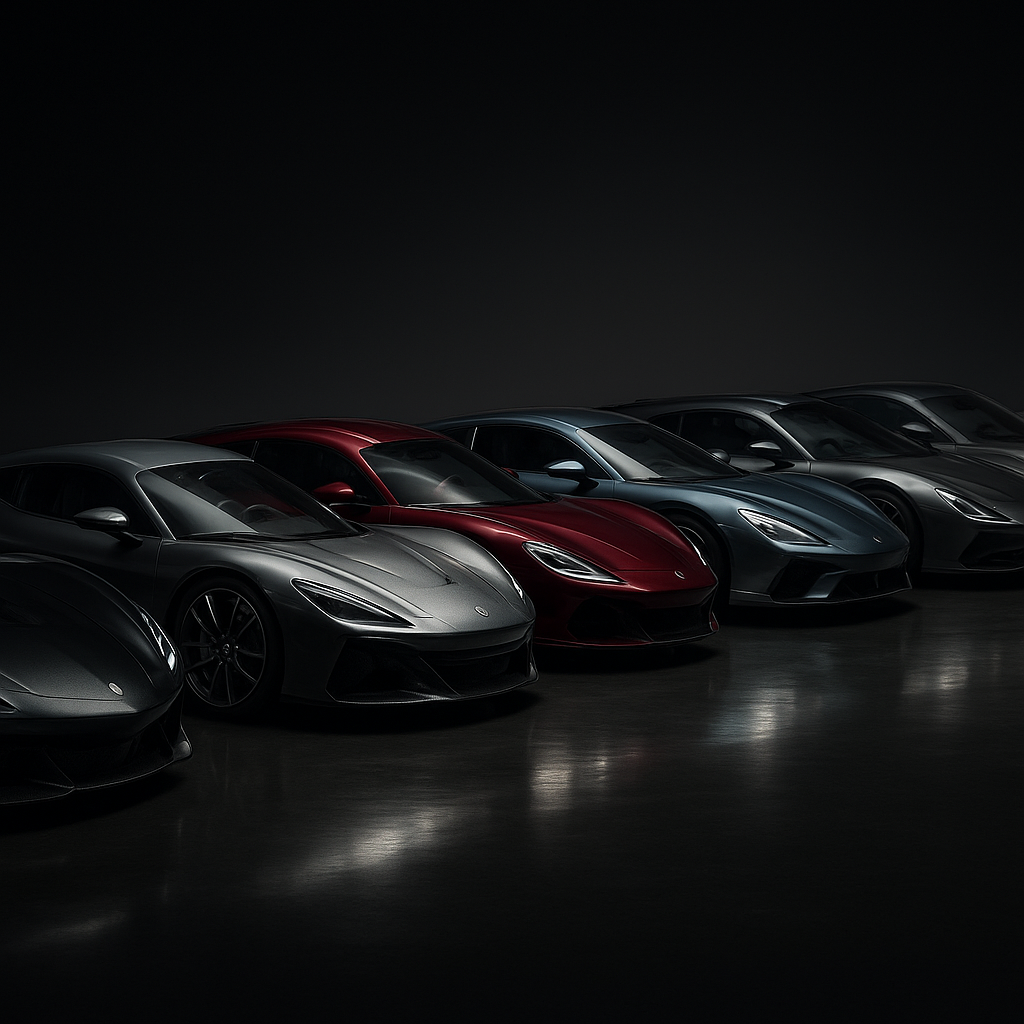
And yes, some brands belong here more for status than substance. That is the ugly little secret. Fancy badge, middling engineering. Happens all the time.
Core Benefits and Importance
The expensive car segment matters because it pushes the whole industry forward. It is where new materials, aggressive aerodynamics, hybrid systems, and driver-focused cabin design get tested before cheaper cars borrow the ideas. No, you will not find this in a dealer pitch, but that is the truth.
- Innovation transfer: Carbon-fiber tubs, active suspension, and advanced thermal management often start here before migrating downward.
- Craftsmanship: Hand-stitched interiors, machined metal controls, and precise panel fit separate serious brands from lazy ones.
- Exclusivity: Limited production creates scarcity, and scarcity drives both desirability and resale interest when the name is strong enough.
- Brand prestige: A strong performance car brand becomes a symbol of motorsport heritage, technical competence, and cultural cachet.
- Emotional payoff: The best cars do more than move quickly; they make the driver feel the steering, the weight transfer, and the mechanical honesty.
But let’s be real: not every benefit is practical. A hypercar can be a terrible commuter, a questionable investment, and a headache to insure. That does not make it pointless. It means you should know what you are buying. If the goal is daily utility, buy something else. If the goal is a machine that concentrates engineering talent into a few hundred examples, this segment makes sense.
I have seen buyers justify absurd purchases with words like “appreciation” and “portfolio diversification.” Sometimes that works. Often it is wishful thinking. The better argument is simpler: the car is excellent, rare, and meaningful to the buyer. That is plenty. Luxury does not need a committee memo to be real.
Another important point is durability of reputation. The strongest brands keep buyers loyal because they deliver consistency across decades, not because one model had a loud launch. A serious marque earns trust slowly, the way serious work is done. Fast praise fades. Proven excellence sticks.
For broader context on how the luxury world treats scarcity and status, see Bloomberg Luxury and Robb Report Motors. Those sources are not perfect, because no publication is, but they are useful when you want something more substantial than marketing fluff.
Step-by-Step Guide to Selecting a Luxury Car Brand
Start with purpose. Then get honest. Then spend less time on fantasy. That is the basic formula.
- Define the use case. Decide whether you want a collector car, a track machine, a grand tourer, or a rolling status symbol. Each one serves a different purpose, and pretending otherwise is how people buy the wrong thing.
- Check the engineering. I look first at chassis design, powertrain layout, braking hardware, cooling, and weight. Horsepower is nice, but the real story is how the car behaves when driven hard.
- Inspect materials and build quality. Look at leather grain, switchgear, carbon weave consistency, paint depth, and panel alignment. If a brand charges a fortune and still cuts corners, that is a bad joke.
- Study production numbers. Rarity matters only when it is real and documented. “Limited edition” is one of the oldest sales tricks in the book.
- Review support and service. Can the brand maintain the car properly five years from now? Will parts exist? Will technicians know what they are doing? These are boring questions, which is exactly why they matter.
- Calculate total ownership cost. Purchase price is the opening act. Tires, brakes, transport, storage, insurance, and scheduled service are the part nobody wants to discuss.
- Compare emotional response. I always ask whether the car feels right at speed and at rest. A great luxury car should satisfy both the eye and the spine.
Here is the kicker: the smartest buyers do not chase the loudest brand. They buy the one that best fits their needs and temperament. The market rewards patience, not panic. If you are looking at a hypercar just because a celebrity posed beside one, stop. That is not analysis. That is theater in expensive shoes.
One practical tip: verify reputation through a mix of road tests, auction results, and owner reports. Use independent sources, not just brand channels. When I examine a high-end car, I want to know how it behaves after the showroom glow fades. That is where the truth lives.

If you want more context on luxury market behavior and high-end consumer buying habits, the Forbes Luxury section is useful enough, provided you read it with your eyes open. No publication can save you from a foolish purchase.
Comparison Table
The real rival to expensive car brands is not always another car brand. Often it is exclusivity itself, or the cheaper but more practical alternative. Here is a clear comparison.
| Factor | Expensive Car Brands | Biggest Competitor: Premium Performance Brands |
|---|
| Entry price | Extremely high, often custom-quoted | High, but more accessible |
| Production volume | Tiny, frequently limited-run | Much larger, broader availability |
| Customization | Deep bespoke options, coachbuilt details | Good factory options, less personalization |
| Prestige | Exceptional if the name carries heritage | Strong, but usually less rarefied |
| Depreciation risk | Can be brutal unless the model is collectible | Often more predictable, sometimes still steep |
| Driving feel | Can be sublime, often uncompromising | Usually more usable day to day |
| Ownership burden | High service, storage, and insurance costs | Still expensive, but easier to manage |
The table tells a blunt story. Expensive brands win on rarity and emotional impact. Premium performance brands often win on usability. That is the tradeoff. If you want a car that feels like a private event every time you open the garage, you pay for it. If you want something fast, polished, and slightly less dramatic, the rival category may be smarter.
Different buyers want different sins. Some want speed. Some want status. Some want the satisfaction of owning a machine built with almost unreasonable care. Pick your poison.
Common Mistakes to Avoid
The first mistake is confusing price with excellence. That is rookie thinking. A high sticker does not guarantee a better steering rack, a smarter gearbox calibration, or better materials. Sometimes it just means the marketing department found a rich audience.
The second mistake is ignoring long-term support. A car can be gorgeous and still become a burden if the brand has thin service coverage or slow parts logistics. I have seen owners spend more time arranging transport than enjoying the machine. Not ideal.
The third mistake is overvaluing celebrity cachet. Yes, famous people buy these cars. So what? Their tax bracket is not your due diligence.
The fourth mistake is treating every limited edition as collectible gold. Most are not. Real collectible value usually comes from significance, not merely low output. Think first-rate engineering, historical relevance, or a model that marked a turning point for the brand. Not just a different paint color and a plaque.
The fifth mistake is ignoring the car’s temperament. Some ultra-expensive cars are best admired statically, which is a polite way of saying they are a pain to live with. That does not make them bad. It means you should know yourself before you sign.
And yes, the internet is full of confident nonsense. “This will always go up.” No, it might not. “This is the best hypercar ever made.” According to whom? Usually someone trying to sell you a story. Be skeptical. It saves money.
When I review expensive cars, I try to separate the real virtues from the glitter. I ask whether the machine feels engineered or merely styled, whether the cabin supports the driving experience, and whether the ownership proposition makes any sense beyond ego. That approach has spared me from a few very expensive mistakes.
Frequently Asked Questions
What makes a car brand expensive?
A combination of scarcity, craftsmanship, performance, brand heritage, advanced engineering, and high-cost materials. If the car is hand-built and difficult to produce, the price rises quickly.
Are hypercars a good investment?
Sometimes, but only in specific cases. Rare models, historically important launches, and cars with strong collector demand can hold or increase value. Most do not. Hope is not a strategy.
Which luxury car brand has the highest resale value?
It depends on the model, the market, and the timing. Brands with deep heritage, limited production, and loyal collector followings usually do better than brands chasing short-term excitement.
Do expensive cars always have better performance?
No. Some expensive cars are better at comfort, exclusivity, or craftsmanship than outright performance. Speed is only one measure of excellence.
Final Thought
Expensive car brands matter because they reveal what happens when engineering, beauty, and scarcity meet human ambition. That can produce something noble, or something ridiculous, sometimes both in the same car. The wise buyer keeps his head, respects craftsmanship, and remembers that true luxury should reward excellence rather than merely advertise vanity.
If a car feels like a well-made object ordered toward a clear purpose, it usually has more worth than the one screaming for attention. That is the quiet rule, and it is worth more than most brochures.