Most car brands are overpriced theater. The truly valuable ones combine <strong>heritage</strong>, engineering discipline, rare materials, and a resale market...
32 Most Valuable Car Brands in the World for 2026: What Actually Makes a Luxury Badge Worth It
Most car brands are overpriced theater. The truly valuable ones combine heritage, engineering discipline, rare materials, and a resale market that punishes hype and rewards substance—because money, taste, and mechanical truth do not care about marketing fluff. Frankly, that is the whole game.
Key Takeaways- Brand value is not the same as sticker price.
- Luxury car brands win through craftsmanship, performance, rarity, and reputation.
- Heritage matters, but only when it is backed by real engineering.
- Exclusivity can raise value, yet bad products still flop.
- Buyers should compare total ownership cost, not just the badge.
What is a luxury car brand?
A luxury car brand is a maker that sells more than transport. It sells design, status, comfort, and mechanical seriousness, often with hand-finished interiors, advanced technology, and limited production numbers that keep demand sticky. I’ve reviewed enough premium cars to say this plainly: a badge alone means little unless the car feels special where it counts. What matters?
Most people confuse luxury with expense, which is lazy thinking. The real markers are craftsmanship, material quality, engineering precision, and brand discipline over decades, not one loud launch campaign. When I compare brands, I look at how they build seats, tune suspensions, select leather, and handle the tiny details most shoppers never notice, because those are the bits that separate genuine luxury from expensive cosplay. Beauty matters too, and not just for vanity—ordered design reflects a kind of stewardship, the old idea that excellence should serve human dignity rather than indulge ego. That sounds lofty, but it shows up in the stitching.
A strong luxury car brand also controls its story. Rolls-Royce, Bentley, Ferrari, Porsche, Lamborghini, and Mercedes-Maybach each trade on a different promise: serenity, grand touring, speed, drama, or statecraft on wheels. Yet the expensive end of the market is full of weak imitators. The truth is, if a brand relies only on grilles the size of chapel doors and a few chrome accents, it is selling varnish. Real luxury has structure.
For broader context on market value and prestige, you can compare brand rankings and valuation methods in Brand Finance Global 500, which helps explain why some marques carry far more equity than others. It is not just about the car; it is about trust accumulated over time. That takes work.
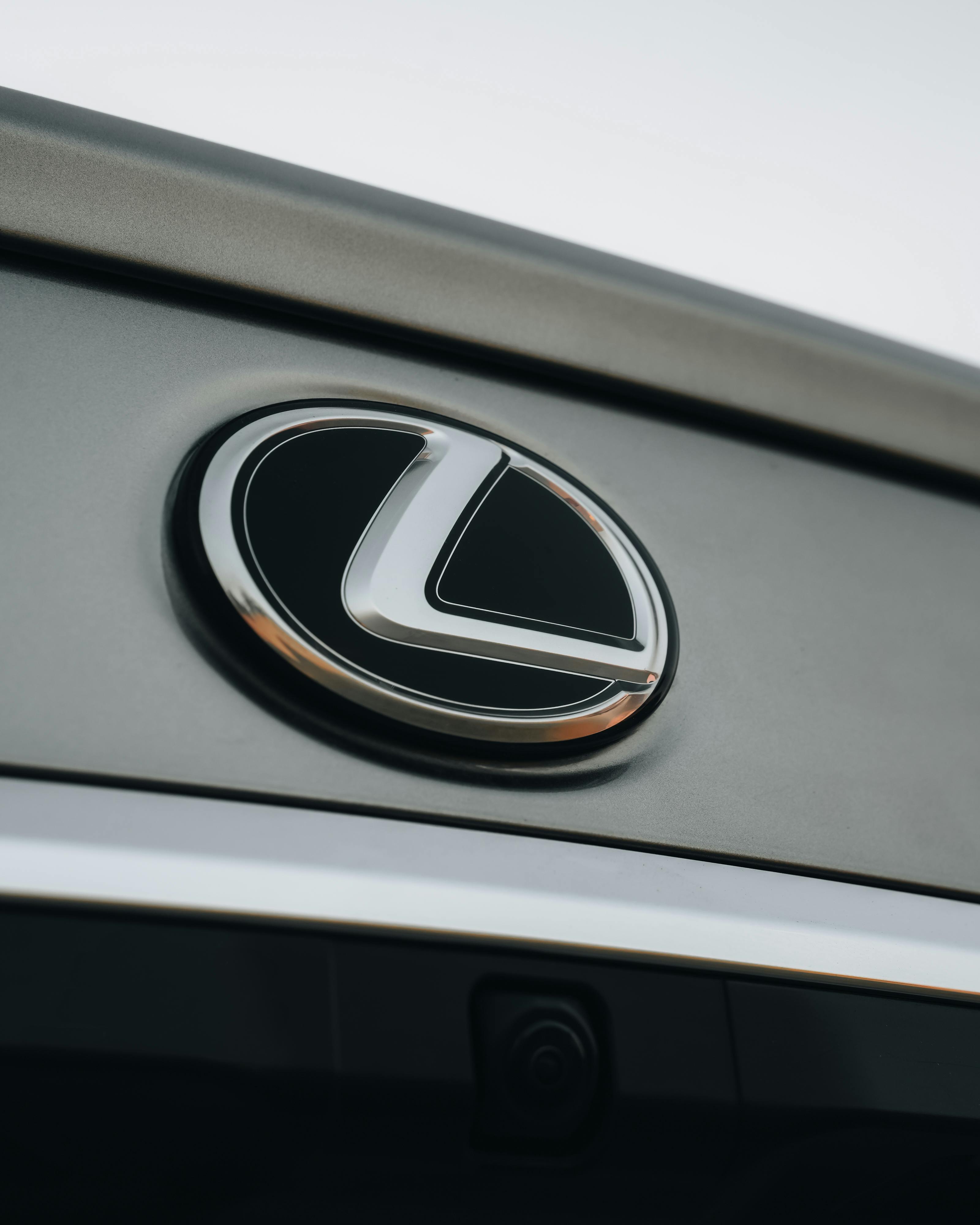
Core benefits and why these brands matter
Luxury car brands matter for reasons beyond peacocking at valet stands. Some are practical. Others are emotional. Most are both.
- Better materials: Higher-grade leather, metal, carbon fiber, and sound insulation make daily use quieter and more pleasant.
- Superior ride quality: True luxury cars tune suspension for comfort without turning into barges. That balance is hard.
- Performance with polish: Speed is easy; controlled speed is the point. A Ferrari or Porsche earns respect when it feels sharp, not merely fast.
- Brand equity: A respected name supports resale value, collector interest, and easier ownership over time.
- Service experience: Premium concierge treatment, pickup-and-delivery, and specialist technicians make ownership less annoying.
- Design identity: Good brands have a face, a proportion, and a visual grammar. Cheap brands borrow whatever is fashionable this quarter.
- Investment potential: Limited-run models, halo cars, and historically significant versions can appreciate, although anyone promising guaranteed profit is usually peddling nonsense.
Here’s the kicker: luxury is not always rational, and that is fine. People buy a Maybach because it feels like being driven in a private salon. They buy a Bentley because hand-built wood and quiet torque communicate old-world authority. They buy a Porsche because engineering clarity is its own kind of pleasure. The market rewards those distinctions when they are real.
When I analyzed long-term desirability across premium marques, one pattern kept showing up: the brands that protect their identity are the ones that hold value. Chasing trends usually cheapens the badge. Discipline wins.
For a parallel example in another elite segment, look at how fine timepieces are assessed in Hodinkee’s guide to luxury watches. The principles are similar: rarity, heritage, technical merit, and emotional pull. The object matters, but the story matters too.
Step-by-step guide to choosing the right luxury car brand
Choosing well takes patience. Rush it, and you’ll buy regret with leather seats.
- Define the use case
- Daily commuter, weekend cruiser, chauffeur car, or track tool? A Rolls-Royce and a Ferrari answer different prayers.
- Be honest. Do you need comfort, speed, status, or all three?
- Study the brand’s core promise
- Bentley is not trying to be a Porsche.
- Lamborghini is not pretending to be subtle.
- Mercedes-Maybach is selling rear-seat calm, not lap times.
- If the brand’s soul does not match your taste, the romance dies quickly.
- Inspect craftsmanship closely
- Open and close doors.
- Feel switchgear.
- Check stitching, panel gaps, and the quality of touch surfaces.
- I always say the cabin tells the truth faster than the brochure.
- Research ownership costs
- Maintenance, tires, insurance, fuel, depreciation, and warranties all matter.
- A cheap purchase can become a costly nuisance.
- That’s not wisdom; that’s arithmetic.
- Look at production volume and model rarity
- Limited supply can support values, especially for special trims and collector models.
- But rarity without desirability is just scarcity with no audience.
- Check brand reputation for service
- Good ownership depends on dealer support and parts availability.
- Some brands sell aspiration and deliver headaches.
- You know the type.
- Compare performance with personality
- A car should fit the driver’s temperament.
- A Ferrari owner and a Lexus LS buyer are usually chasing different things, and pretending otherwise is silly.
- Think in years, not weeks
- The best luxury purchases stay pleasing after the novelty fades.
- If you tire of the car in six months, it was probably an emotional stunt.
I’ve seen buyers fixate on horsepower numbers and forget what they actually want to feel. That is how people end up in harsh, overstyled machines that look rich and ride like punishment. The better move is simpler: choose the brand whose values mirror yours, then verify the build quality and ownership realities before signing anything.
For luxury travel analogies, premium hotel brands work the same way. Compare the experience philosophy in Forbes Travel Guide, where service consistency and detail carry more weight than loud branding. The lesson crosses categories. Excellence is measured in repetition.

Comparison table: luxury car brands vs mainstream premium brands
The market is crowded. The differences are not subtle.
| Factor | Luxury car brands | Mainstream premium brands |
|---|
| Materials | Hand-finished leather, real metal, exotic trims | Good but more standardized surfaces |
| Ride quality | Tuned for comfort, control, and refinement | Often firmer, cost-optimized tuning |
| Performance | High output with chassis discipline | Strong specs, less emotional finesse |
| Exclusivity | Lower volumes, special editions, collector cachet | Wider availability, less rarity |
| Service experience | Concierge-style support, bespoke options | Standard dealership model |
| Resale value | Strong on top-tier heritage models | More depreciation in many segments |
| Brand identity | Clear, long-held design language | Trend-driven, less distinct |
| Emotional appeal | High, often aspirational and symbolic | Useful, respectable, less theatrical |
The better badge usually costs more for a reason. Not always, but often enough to matter.
Here’s the simple truth: luxury brands win when they deliver coherence. A BMW 7 Series may compete with a Mercedes S-Class on features, but Mercedes-Maybach pushes further into ceremony and rear-seat comfort, while BMW leans more driver-focused. A Bentley Flying Spur brings wood, leather, and gravitas, while Porsche Panamera brings tautness and control. None of these are interchangeable, and pretending they are is how buyers waste money.
If you want another benchmark for how elites judge rarity and quality, look at Christie’s coverage of exceptional diamonds. The names change, but the logic is similar: provenance, craftsmanship, and scarcity create value. Same story, different wheels.
Common mistakes to avoid when judging expensive car brands
People make the same mistakes. Over and over.
- Chasing the badge only
- A badge without substance is just a social receipt.
- Buy the machine, not the logo.
- Ignoring depreciation
- Some luxury cars shed value fast.
- If you care about total cost, research resale before you fall in love.
- Confusing fast with refined
- A powerful engine does not guarantee a good car.
- Comfort, steering feel, brake tuning, and noise control matter more than a noisy launch video.
- Believing every “limited edition” pitch
- Plenty of special editions are lipstick on a regular model.
- Ask what is actually different.
- Forgetting service access
- A beautiful car can become a burden if maintenance is slow or scarce.
- Prestige is less charming when the car sits for six weeks.
- Buying for other people’s approval
- That is the worst one.
- If the car impresses everyone except you, it is the wrong car.
Most luxury marketing is polished nonsense. I say that as someone who likes beautiful machines and still distrusts the pitch. The real question is whether the brand has earned its price through execution. If the answer is no, walk away. Simple.
There is also a moral angle people ignore: stewardship. Buying a finely made car is not inherently foolish, but buying one carelessly is. Goods with real craftsmanship deserve serious use and thoughtful ownership, not conspicuous waste. That is common sense, and honestly it is better than most of the advice floating around car forums.
For authoritative market context, the Kantar BrandZ rankings show how brand power is measured across industries. That matters because perceived value and real loyalty often move together, especially at the top.
Frequently asked questions
What makes a car brand truly luxurious?
A truly luxurious brand combines materials, craftsmanship, comfort, design identity, and service quality. Price alone does not do it. Anyone can charge more.
Which luxury car brands hold value best?
Usually the brands with strong heritage, limited production, and loyal buyer bases hold value better. Porsche is a common example, though exact results depend on model, mileage, and condition.
Are expensive car brands worth the money?
Sometimes. If you care about refinement, prestige, performance, or collector appeal, yes. If you only want transport, probably not. Be honest with yourself.
Do limited editions always appreciate?
No. Not even close. A rare car still needs desirability, provenance, and real demand. Scarcity without taste is just clutter with a serial number.
Final thought
Luxury cars are judged too often by their price tags and too rarely by their proportions, feel, and honesty. That is a mistake. The brands that endure respect the driver, the craftsman, and the material itself, which is why the best examples feel less like purchases and more like properly made objects in a world full of shortcuts. I appreciate that. Most people should.
If you want to spend serious money well, start with substance. Examine the engineering, the service network, the resale curve, and the emotional fit. Then decide whether the brand’s idea of luxury actually matches yours. A car should not merely announce wealth; it should reflect discernment, restraint, and care. That is rarer than horsepower.