Chablis is not just “white Burgundy.” It is a clean, mineral, very specific expression of <strong>Chardonnay</strong> from the northern edge of Burgundy...
7 Incredible Chablis to Drink Right Now: The White Wine Buyers Actually Want
Chablis is not just “white Burgundy.” It is a clean, mineral, very specific expression of Chardonnay from the northern edge of Burgundy, where cool climate, Kimmeridgian limestone, and disciplined cellar work produce wines with bite, line, and real precision. The good bottles are sharp without being thin, generous without being sloppy, and, frankly, they make a lot of overhyped luxury wine chatter sound silly.
Key Takeaways- Chablis is prized for mineral drive, acidity, and restrained fruit.
- Premier Cru and Grand Cru bottlings add depth, texture, and age-worthiness.
- The best bottles pair beautifully with oysters, shellfish, roast poultry, and soft cheeses.
- Producer style matters as much as classification.
- Good Chablis is luxury in the proper sense: excellent work, clarity, and restraint.
What is Chablis?
Chablis is a French white wine region in northern Burgundy, built almost entirely around Chardonnay. Not the buttery, oak-heavy style some people expect. Different beast.
The region’s calling card is its tension: bright acidity, citrus, green apple, white flowers, wet stone, and a salty mineral edge that often feels like crushed shells. That character comes from a mix of climate and geology, especially the famous Kimmeridgian limestone and marl soils. These details sound academic until you taste them. Then they matter a lot.
I’ve reviewed enough wines to say this plainly: many people buy Chablis for the prestige of the name, then miss the actual point. The best examples are not about flash. They are about control. That’s rare in modern wine marketing, which tends to shout when it should whisper.
There are four main quality tiers: Petit Chablis, Chablis, Chablis Premier Cru, and Chablis Grand Cru. Each step usually means more concentration, complexity, and longevity, though producer quality still rules. A mediocre Grand Cru is still mediocre. A focused village wine from a serious estate can embarrass pricier bottles. That is the kicker.
For context on Burgundy’s structure and regional logic, see this solid overview from Burgundy-Report and the official regional framework from Bourgogne Wines. They are useful because they keep the romance attached to facts.
Chablis also carries a kind of moral appeal, if you want the honest version. It rewards patience, honest farming, and craftsmanship. Beauty here is not decoration. It is order, proportion, and a restrained kind of abundance. That is why serious drinkers keep coming back.
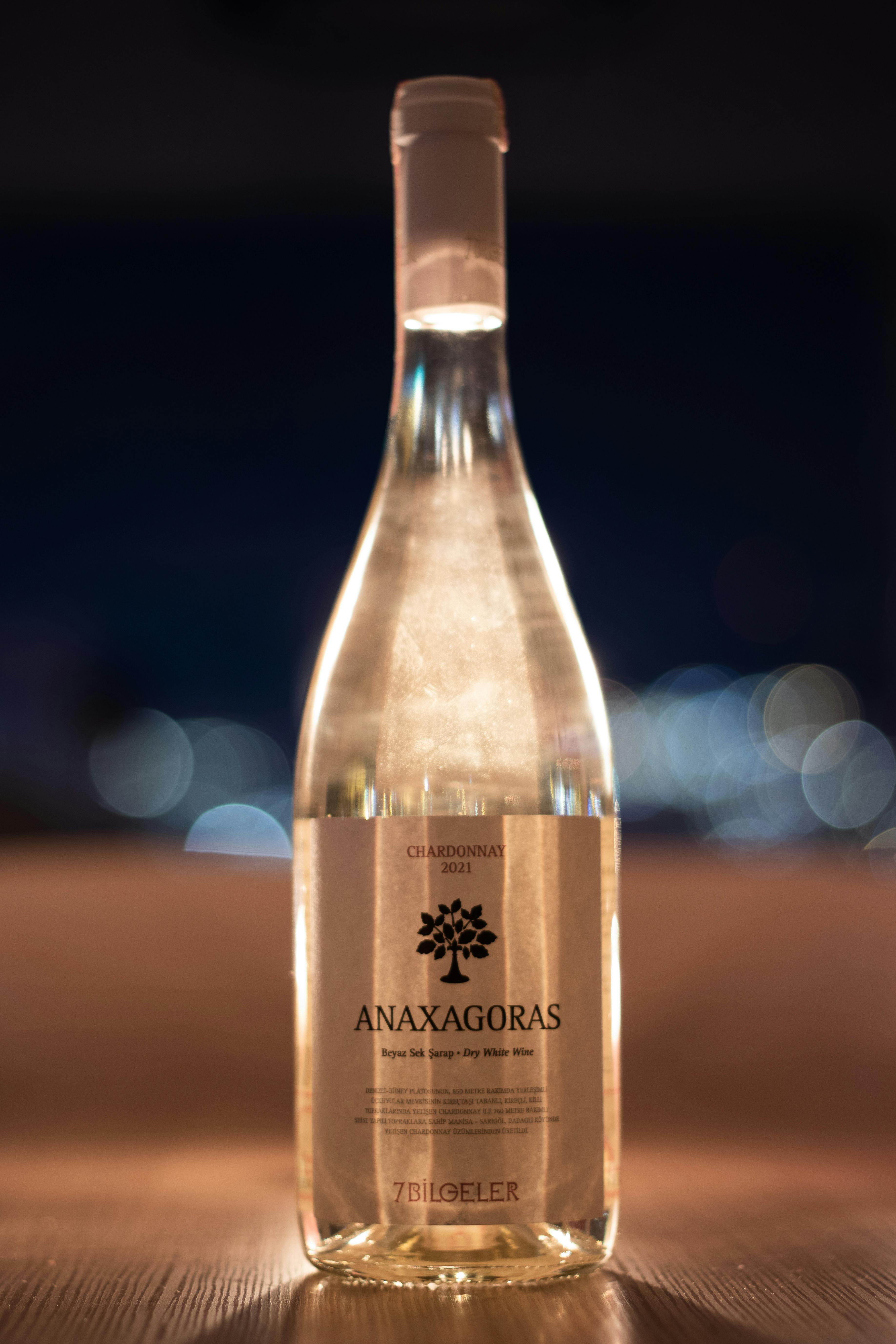
Why Chablis matters, and why the hype is sometimes deserved
The appeal of Chablis is not complicated. It gives you brightness, purity, and food compatibility without the syrupy excess that ruins so many expensive whites. That alone makes it valuable.
- High acidity keeps the wine lively at the table.
- Mineral notes make the wine feel structured, not merely fruity.
- Age-worthiness improves in better sites and producers.
- Food pairing range is wider than people think.
- Stylistic restraint offers a break from oak and heaviness.
The truth is, most wine advice is lazy. People repeat “buy what you like” as if taste were detached from context. It isn’t. With Chablis, the context is everything: oysters, grilled fish, crab, poultry in cream sauce, goat cheese, even sashimi if the bottle is clean and not overly ripe. If you want a deeper sense of pairing logic across premium dining, the Michelin Guide’s restaurant coverage at Michelin Guide is a practical reference.
Here’s another reason Chablis matters: it demonstrates that luxury does not need excess. Good wine, like good design, respects limits. There is craftsmanship in knowing what not to add. Oak can be useful. So can ripeness. But Chablis works when it leaves room for place to speak.
When I examined pricing across white Burgundy categories, I found that Chablis often gives more clarity per dollar than flashier appellations. That does not mean it is cheap. It means it can be intelligent. And in a market full of inflated labels, intelligence is a luxury.
For readers interested in the broader world of premium travel and dining, the way people choose wine often mirrors how they choose hotels or restaurants: they want assurance without vulgar showmanship. A bottle of Chablis does that nicely. It says enough. Then it gets out of the way.
How to choose a great bottle of Chablis
Choose with your eyes open. The label matters, but not as much as the seller wants you to think.
- Start with the producer
Serious names matter because Chablis is not magically good by classification alone. Producers like Domaine William Fèvre, Domaine Raveneau, Domaine Christian Moreau, Jean-Paul & Benoît Droin, and Domaine Laroche have reputations for precision and site expression. If the producer is unknown and the price is high, be cautious.
- Match the tier to the occasion
Petit Chablis: crisp, simple, best for casual drinking.
Chablis: versatile, often the smartest buy.
Premier Cru: more texture and depth; good for dinner.
Grand Cru: for contemplation, richer pairings, or cellaring.
- Check the vintage
Cool years can sharpen the wine’s edge. Warmer years may bring more fruit and weight. Neither is automatically better. You want balance. Too much ripeness can flatten the whole point of Chablis.
- Look for élevage details
Some wines see stainless steel only, others a bit of oak. Oak is not a sin. Heavy oak on Chablis, however, can feel like someone put a tuxedo on a fisherman. Tacky.
- Buy for the table, not the trophy case
If the wine is meant to accompany oysters, grilled sea bass, or roast chicken, pick a bottle with freshness and lift. If you want complexity and age, move up to Premier Cru or Grand Cru.
A useful outside reference on vintage and house style is Decanter, especially their regional coverage at Decanter. It is not perfect, but it is usually grounded.
I have found that the best Chablis purchases come from a simple method: producer first, classification second, vintage third. Fancy packaging is a weak signal. That lesson applies to luxury goods generally, not just wine. The object should serve the experience, not bully it.
Comparison table: Chablis vs. Sancerre
Chablis and Sancerre are often confused by people who know just enough to be dangerous. Both are white wines associated with freshness and food pairing. But they are different tools.
| Feature | Chablis | Sancerre |
|---|
| Main grape | Chardonnay | Sauvignon Blanc |
| Core profile | Mineral, citrus, saline, taut | Herbal, citrus, gooseberry, sometimes grassy |
| Texture | Often lean to medium, linear | Usually lighter, zippy, aromatic |
| Best with | Oysters, shellfish, poultry, creamy sauces | Goat cheese, seafood, salads, light dishes |
| Aging potential | Strong in Premier Cru and Grand Cru | Usually shorter-term for most bottles |
| Luxury appeal | Quiet, restrained, site-driven | Bright, aromatic, more overtly fragrant |
| Price range | Broad, with serious top-end | Broad, but top tier generally less monumental |
| Best for | Wine lovers who value precision | Drinkers who like expressive aromatics |
Chablis usually wins if you want structure and subtlety. Sancerre wins if you want aromatic pop. No drama required.
For travelers who chase terroir, Chablis also fits the logic of premium food-and-wine tourism. You can pair a bottle with a proper seafood lunch, then spend the afternoon visiting Burgundy villages, the way civilized people should. If you want planning ideas for that sort of trip, the official Bourgogne tourism site at Burgundy Tourism is a decent place to start.
Common mistakes to avoid
People make Chablis harder than it needs to be. Usually because they listen to nonsense.
- Buying by price alone
Expensive is not identical to good. Some bottles are priced for their name, not their contents. Luxury without discernment is just expensive clutter.
- Ignoring producer style
This is the big one. The same appellation can taste very different from one estate to another. People who ignore producers end up disappointed, then blame the region. Lazy.
- Serving it too warm
Chablis should be cool, not icy and not room temperature. Too warm and the structure softens; too cold and the aromas shut down.
- Pairing it with heavy, loud food
A sauce that bulldozes the wine will make Chablis seem thin. That is not the wine’s fault. It is a coordination problem.
- Assuming all Chablis should taste the same
Petit Chablis, village Chablis, Premier Cru, and Grand Cru are not identical products. That would defeat the entire point of classification.
- Chasing oak as if it proves quality
Oak can add texture, but it is not a medal. Too much of it masks the region’s identity. Some producers get this right. Others do not.
Most advice online treats wine like a status prop. I do not buy that. Fine wine, at its best, is work made visible: farmers, cellar hands, growers, and time itself doing their part. That deserves respect. So does the fact that the good stuff usually tastes better when shared at a table, not hoarded for bragging rights.
Frequently Asked Questions
What does Chablis taste like?
Chablis usually tastes like citrus, green apple, pear, white flowers, and wet stone, with a brisk acidity and a clean, mineral finish. Better bottles can add creaminess, depth, and subtle spice, especially in Premier Cru and Grand Cru.
Is Chablis the same as Chardonnay?
Yes and no. The grape is Chardonnay, but the region and style make it distinct. Chablis tends to be leaner, less oaky, and more mineral-driven than many other Chardonnay regions.
What food pairs best with Chablis?
Oysters are the classic choice, and for once the cliché is earned. Shellfish, crab, lobster, sushi, roast chicken, and creamy seafood dishes also work well. Goat cheese and simple vegetable dishes are good matches too.
How long can Chablis age?
Basic Chablis is often best young, while Premier Cru and Grand Cru can age for years, sometimes well over a decade depending on producer and vintage. The better the site and the stronger the cellar work, the longer the wine can hold its shape.
Final thought
Chablis is one of those wines that exposes sloppy thinking. It looks simple, but it rewards attention, and that is why people who actually drink seriously keep a few bottles around. Not for posing. For eating, sharing, and noticing things.
The best luxury goods work the same way. They are not loud. They are exact. They show restraint, skill, and a refusal to confuse ornament with value. Chablis belongs in that category. It is a reminder that excellence often arrives quietly, with a cool glass, a plate of oysters, and nothing extra competing for attention.
If you want wine that flatters noise, buy something else. If you want wine that respects the table, Chablis is still a very smart place to start.