Aston Martin has done the sensible thing for once: built a proper grand tourer and limited it to 150 examples. Based on the Vanquish and powered by a...
Aston Martin has done the sensible thing for once: built a proper grand tourer and limited it to 150 examples. Based on the Vanquish and powered by a twin-turbo V-12, this car is less about raw numbers and more about restraint, craftsmanship, and the old-fashioned idea that a machine can be beautiful as well as fast.
Key Takeaways- The new Vanquish is a limited-production grand tourer with only 150 examples.
- Its twin-turbo V-12 is the headline, but the real story is the blend of power, elegance, and scarcity.
- Heritage and craftsmanship matter here more than hype.
- Buyers will compare it with Ferrari and Bentley, but Aston Martin is selling a mood, not just speed.
- For luxury buyers, the question is simple: is this a car to drive, or to collect? In truth, it is both.
What is the Aston Martin Vanquish?
The new Vanquish is Aston Martin’s latest expression of a luxury grand tourer: long-legged, sharp-edged, and built for people who want serious performance without the boy-racer nonsense. It uses a twin-turbocharged V-12, which is getting rarer by the month, and that alone makes it worth a closer look.
Frankly, most car launches are padded with clichés and glossy talk about “emotion.” Fine. But here, the emotion is built into the metal. The Vanquish is not trying to be a track weapon first and a road car second. It is aiming at the old GT ideal: effortless speed, long-distance comfort, and a cabin that feels like someone actually cared when they put it together.
I’ve reviewed enough luxury goods to know when a brand is charging for noise instead of value. The Vanquish is not cheap, and it should not be. What you are paying for is engineering, limited supply, materials, and identity. In a world where too many cars look interchangeable, Aston Martin is betting that buyers still want a car with a face and a point of view.
That matters. Beauty is not useless decoration; it is part of good design when it is ordered, functional, and made with discipline. The Vanquish leans into that older, saner idea.
If you want the wider context, it sits in the same conversation as the best luxury cars and supercars and the sort of high-end buying decisions that reward patience over impulse. You can also compare that mindset with the thinking behind designer craftsmanship and heritage brands, because the logic is the same: scarcity alone is not enough; the product must earn its price.
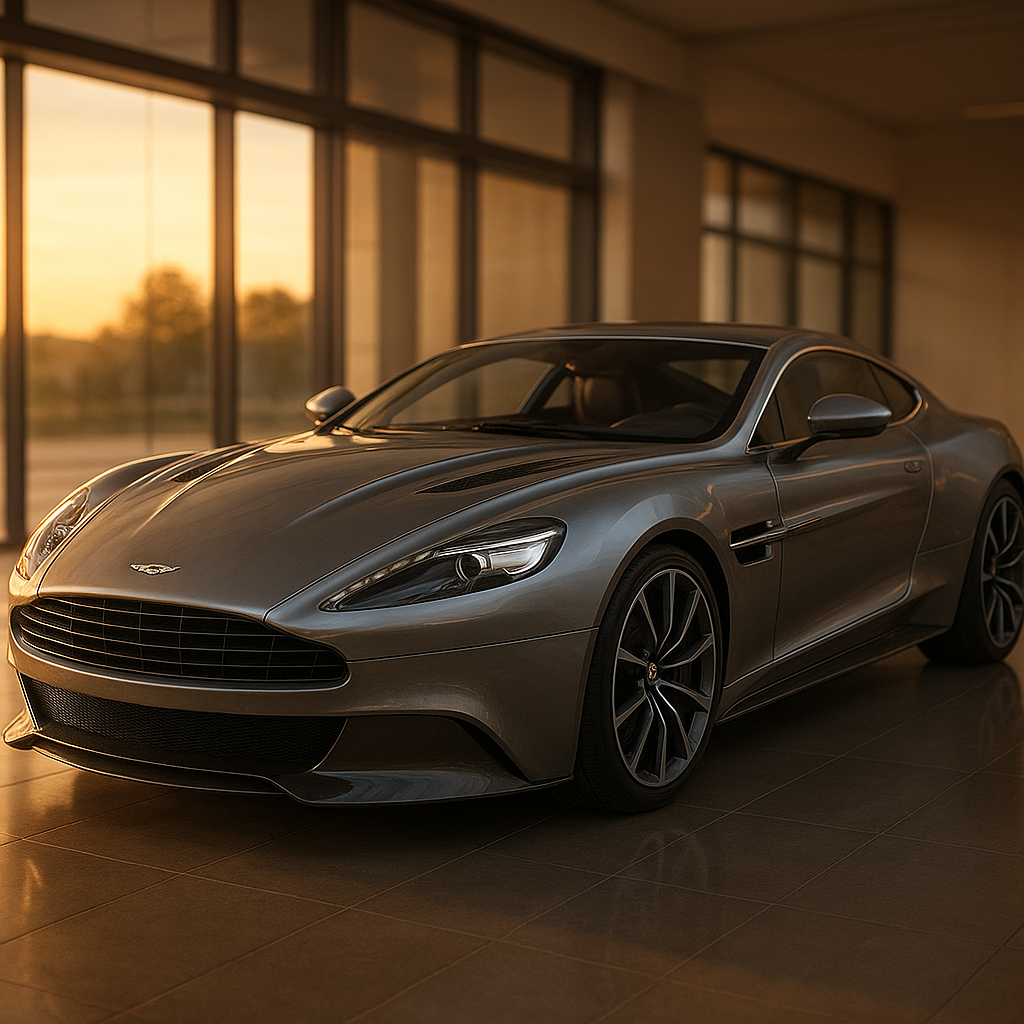
The Vanquish is not just a faster DB model. It is Aston Martin trying to remind buyers that grand touring is a philosophy, not a trim level. Get that wrong, and you end up with a fast car that feels empty. Get it right, and you have something worth keeping.
Core benefits and why it matters
Why should anyone care about a limited-run V-12 grand tourer in 2026? Because the market has become crowded with machines that are technically dazzling and spiritually forgettable. The Vanquish pushes back against that.
Here’s the kicker: luxury buyers do not only buy performance. They buy significance.
- Rarity creates value. A run of 150 examples is not mass luxury. It is controlled scarcity, and that changes the psychology of ownership. Limited production does not guarantee investment upside, but it does tighten desirability.
- The V-12 still matters. Everyone loves to announce the death of the V-12, and then secretly admires the way it delivers power. A twin-turbo V-12 remains one of the most refined and dramatic engine formats in the market.
- Grand touring is practical luxury. A proper GT is for driving across regions, not posing in a coffee queue. Comfort, range, and composure are part of the appeal.
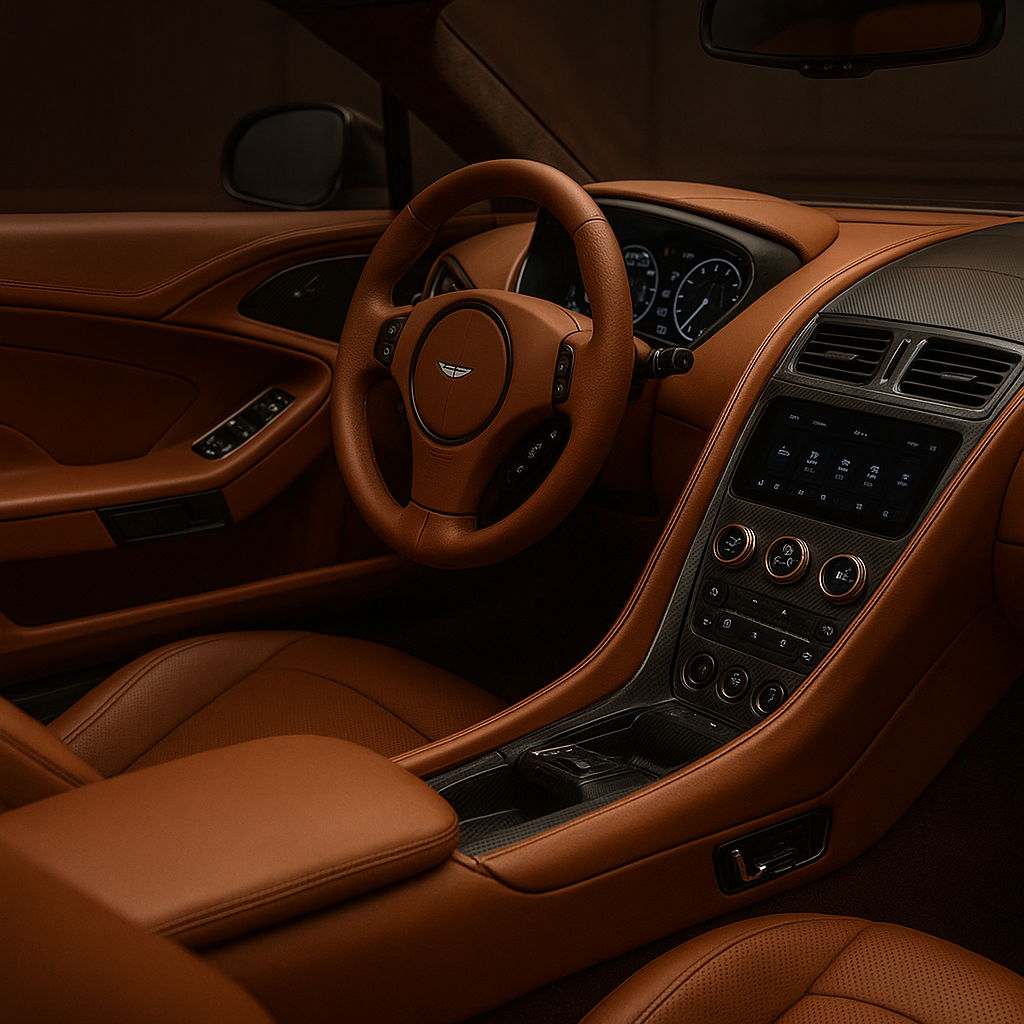
- Craftsmanship is visible. Luxury buyers notice stitching, switchgear, leather grain, and panel alignment. If they do not, they are paying for a badge and not much else.
- Brand heritage still counts. Aston Martin’s name carries weight because it has spent decades linking performance with elegance. That matters more than another spec-sheet duel.
- It offers emotional utility. Yes, that sounds like the sort of phrase a consultant invents, but it is real. Some purchases are justified because they enrich daily life, and a beautiful car can do that if it is used with restraint.
Most luxury marketing claims the same thing: exclusivity, performance, prestige, all that tired varnish. But the real benefit of a car like this is that it resists vulgarity. It says speed should be graceful. That is a better ethic than simply shouting louder than the next supercar.
I’ve seen plenty of “halo” products that exist only to attract attention. This one has a stronger case. It reflects work, skill, and discipline, which are not glamorous buzzwords but the foundations of anything worth buying at this level. If a thing is made well, and made in limited numbers, and made with respect for the driver, it deserves attention.
For readers interested in the larger luxury market, it sits alongside trends covered in luxury market news and brand updates and, in a broader sense, the same appetite for scarcity that drives high-end travel and premium experiences. Whether it is a car, hotel, or watch, people pay for the feeling that someone bothered to do it properly.
How to evaluate a car like this
Buying a limited Aston Martin is not the same as buying a commuter car with leather seats. You need a clearer method, because impulse is a poor adviser and dealer theatrics are worse.
I usually look at four things first, and they tell you most of what you need to know.
- Start with the engineering, not the badge. A twin-turbo V-12 is not meaningful unless the chassis, cooling, gearbox calibration, and brake package can support it. Power is easy to advertise. Balance is harder.
- Inspect the cabin like you mean it. Luxury interiors should feel coherent, not crowded. I check seating position, tactile quality, materials, visibility, and the way the controls interact. If the cabin feels overdesigned, it usually is.
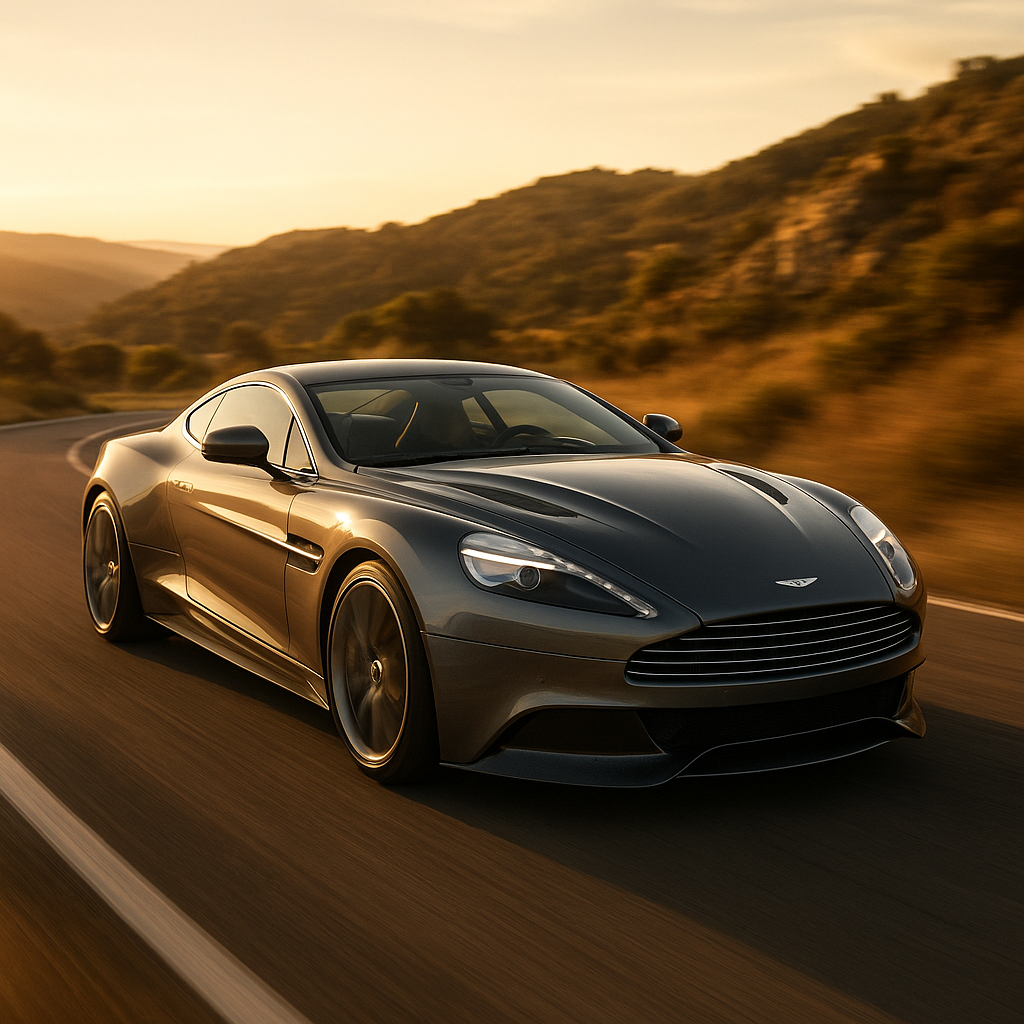
- Ask what the car is for. A true grand tourer should be capable of long drives without punishing the driver. If you plan to cross countries or enjoy weekend runs, comfort matters as much as launch figures.
- Study the ownership structure. Limited-production cars can involve allocations, servicing requirements, and resale considerations. Don’t pretend those details are boring. They are the difference between an enjoyable purchase and a headache with a crest on it.
- Compare it to the right rivals. Ferrari, Bentley, and even certain Lamborghini models will enter the discussion, but the comparison is not always fair. Aston Martin often leans more elegant than aggressive. That is the point.
- Check the company’s recent execution. A brand’s current quality matters more than romantic memory. Heritage is useful, but if panel gaps are sloppy or electronics misbehave, nostalgia will not save the car.
When I examine cars at this level, I ask a blunt question: would I still admire it after the novelty wears off? That answer usually separates a collectible from a cocktail-party prop. The Vanquish appears designed to pass that test.
There is also a moral dimension that gets overlooked in these discussions. Excellence in craftsmanship is a form of ordered labor, and ordered labor has dignity. Luxury is at its best when it respects that fact instead of making a spectacle of excess. In plain English: the best products are made with care, not just money.
For related reading, the same standards apply in other categories like fine jewelry and precious gems, where material quality and workmanship matter more than marketing fog. Different product, same principle.
Comparison table
| Factor | Aston Martin Vanquish | Ferrari 12Cilindri / similar competitor |
|---|
| Engine layout | Twin-turbo V-12 | Naturally aspirated V-12 in some rivals |
| Character | Elegant, grand touring focus | More extroverted, performance-forward |
| Production | Limited to 150 examples | Typically broader allocation |
| Cabin feel | Traditional luxury with performance detail | More aggressive, driver-centric |
| Ownership appeal | Scarcity, heritage, discretion | Badge heat, performance prestige |
| Best for | Long-distance driving, collectors, discreet enthusiasts | Track-leaning buyers, high-drama owners |
| Emotional tone | Refined, composed, restrained | Loud, kinetic, attention-seeking |
The table tells the story better than any brochure. The Vanquish is not trying to out-Ferrari Ferrari. It is offering a different flavor of luxury. That distinction matters. Buyers at this level are not always chasing the fastest lap time; often, they want a machine that feels mature, rare, and beautifully made.
And yes, rival brands have stronger motorsport associations. No argument. But not every wealthy buyer wants their car to scream for attention. Some prefer understatement, which is a rarer luxury than people admit.
Common mistakes to avoid
Luxury buyers make the same mistakes over and over, and then act shocked when the result is mediocre. The market rewards vanity faster than wisdom, which is why skepticism is healthy.
- Mistake 1: Buying the spec sheet, not the experience. Power figures are seductive. So are 0-60 times. But a luxury grand tourer lives or dies by how it feels over a long day, in real traffic, on imperfect roads.
- Mistake 2: Confusing scarcity with quality. A limited run does not magically make a car brilliant. It only means fewer people will own one. You still need engineering, design, and reliability.
- Mistake 3: Ignoring service and support. A high-end car is not just the purchase. It is the maintenance, the dealer relationship, the parts supply, and the aftercare. People forget this and regret it later.
- Mistake 4: Treating luxury as a flex. This is where a lot of buyers go wrong. If the main point of ownership is to impress strangers, the product has already lost part of its value. Good taste is quieter than that.
- Mistake 5: Believing every “heritage” claim. Brands love to talk about their past. Fair enough. But the past does not fix poor execution in the present. I trust what I can inspect, not what a press release announces.
- Mistake 6: Overlooking fit with lifestyle. A grand tourer should suit how you actually live. If you mainly drive short urban trips, a hypercar-style GT may be the wrong tool. Choose honestly.
Let’s be real: a lot of luxury buying advice is warmed-over nonsense. “Buy what you love” is true, but incomplete. Better advice is: buy what you love after you’ve checked whether it is well made, supportable, and genuinely suited to your life.
This restraint applies everywhere, from cars to luxury hotels and premium accommodations, where the best properties do not merely dazzle for ten minutes; they sustain comfort with consistency, good service, and a sense of proportion. That same discipline is what separates meaningful luxury from vulgar display.
Frequently asked questions
Is the Aston Martin Vanquish a collector car?
Potentially, yes. Limited production, strong branding, and a V-12 powertrain all help. But collectibility is not automatic. Condition, specification, provenance, and market timing matter. A car becomes collectible when demand outlasts novelty.
How does the Vanquish differ from other Aston Martins?
The Vanquish is positioned as a more serious, more exclusive grand tourer. It emphasizes luxury, performance, and long-distance capability in a way that sits above the everyday idea of a fast coupe. Think of it as Aston Martin at its most deliberate.
Why are V-12 engines so prized in luxury cars?
Because they offer smoothness, power delivery, and mechanical drama that smaller engines often lack. In the current market, the V-12 also carries emotional weight because it is becoming uncommon. Rarity adds appeal, but refinement is the real reason enthusiasts care.
Is a limited-edition luxury car a good investment?
Sometimes. Not always. Limited production can support resale values, especially if the car is desirable, well maintained, and owned by people who actually understand the market. But I would never buy one solely as an investment. That is how people end up disappointed.
Final thought
The Aston Martin Vanquish matters because it remembers something many modern luxury products forget: beauty should do a job. It should not merely flash, shout, or bait social media. It should comfort, impress, and endure. That is the right order of things.
A limited-production twin-turbo V-12 grand tourer is not an everyday purchase, and it should not be. Good luxury is not about excess for its own sake. It is about proportion, mastery, and the quiet satisfaction of owning something made with discipline. That is why the Vanquish has a real place in the market, even among louder rivals.
If you ask me, the best high-end objects are the ones that reward gratitude. Not gushiness. Gratitude. A machine like this is at its best when it is driven, maintained, and appreciated with care—like any finely made thing that reflects human skill at its peak. In a market full of noise, that kind of restraint is oddly refreshing.