Luxury cruise lines are not about floating excess for its own sake. They are about space, service, restraint, and the rare pleasure of having every practical...
Luxury cruise lines are not about floating excess for its own sake. They are about space, service, restraint, and the rare pleasure of having every practical detail handled well. The best lines combine fine dining, excellent cabins, polished crews, thoughtful itineraries, and enough quiet to let the ocean do its work.
Key Takeaways- Luxury cruising is defined by service, suite quality, cuisine, and itinerary depth—not just ship size.
- The strongest lines in 2026 focus on space, privacy, cultural access, and consistency.
- Many glossy cruise claims are nonsense. Real value shows up in crew training, dining quality, and how smoothly the ship operates.
- For travelers who want comfort without vulgarity, luxury cruising can feel like civilized travel at sea.
- The best choice depends on your priorities: all-suite intimacy, expedition access, culinary standards, or classic elegance.
What is the best luxury cruise line in the world? That depends on what you mean by “best,” which is where most marketing starts to go limp. If you want the highest level of service, the cleanest cabins, the strongest cuisine, and the least irritating crowd control, you need to measure more than decor. I’ve reviewed enough premium travel products to say this plainly: a luxury cruise line is only worth the money if it saves you time, stress, and disappointment while giving you genuine comfort.
Luxury cruise lines sit in a narrow band between private yachting and mass-market cruising. They are not cheap hotels with a buffet and a port calendar. The good ones behave more like finely run houses at sea. Crew members know names. Dining is plated with care. The suite is not merely larger; it is better proportioned, better finished, and quieter. There is a reason people keep returning to the same brands. Consistency matters. Romance matters too, in the old sense: a well-run ship can remind you that beauty, when ordered properly, is not indulgence but a form of stewardship.
In 2026, the category is divided into a few clear camps. There are ultra-luxury lines such as Seabourn, Regent Seven Seas Cruises, and Silversea, where all-suite living, butler service, and included fares set the tone. There are more contemporary premium lines such as Explora Journeys, which sell a polished, quieter version of modern luxury. Then there are expedition-focused brands like Ponant and certain Silversea voyages, where comfort is paired with access to remote places. Each claims excellence. Only some earn it.
If you want a source-based view of the market, the most useful perspective comes from comparing what the lines actually include. Regent publishes its inclusions openly on its included features page, while Seabourn explains its all-inclusive model on the Seabourn all-inclusive page. Silversea also details what is covered on its all-inclusive voyages page. Frankly, that transparency is worth more than a dozen glossy brochures.
The real question is not whether luxury cruising is “worth it.” It is whether the line respects your time, your palate, and your standards. If it does, the sea feels generous. If it does not, even a large suite becomes expensive boredom.
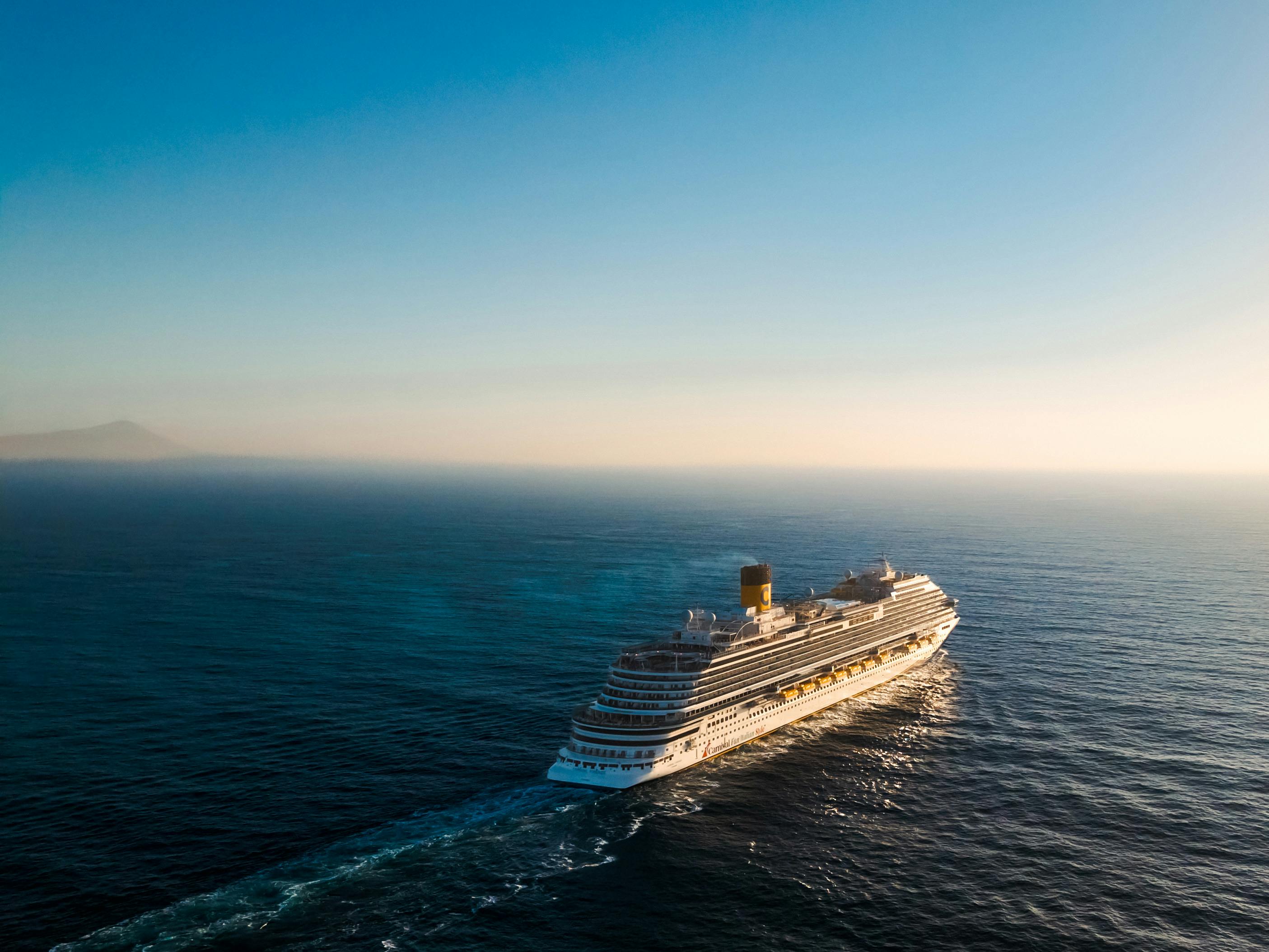
What is luxury cruising?
Luxury cruising is a style of sea travel built around space, service, privacy, and quality, not volume. The ships are usually smaller than mainstream mega-ships, the staff-to-guest ratio is higher, and the fare often includes meals, drinks, gratuities, and sometimes shore excursions. That is the theory. The practice varies wildly.
The best luxury cruise lines treat the ship as a carefully ordered environment. Cabins are more like proper suites. Materials feel chosen, not merely specified. The public rooms are quiet enough for conversation. The dining room does not smell like a cafeteria on its last legs. Those things sound obvious. They are not. Most cruise marketing obsesses over water slides and spectacle because spectacle is cheap to advertise. Real luxury is harder. It is measured in patience, discretion, and competence.
There are also different luxury philosophies. Classic luxury emphasizes formal service, elegant dining, and a refined atmosphere. Contemporary luxury leans toward cleaner design, less ceremony, and a younger audience that still wants quality. Expedition luxury sacrifices some ballroom polish for access to polar regions, small harbors, and wild coastlines. Each has merit. Each also has its share of nonsense. Some brands use “luxury” as a decorative adjective while charging premium prices for mediocre execution.
When I examined the way leading lines present themselves, one pattern stood out: the best brands speak in specifics. They mention suite size, dining venues, inclusions, and destination access. The weaker ones lean on vague emotion and stock phrases. That usually means the product is thin. If a company cannot explain its value without fog, that fog probably hides something.
Luxury cruising also sits at the intersection of fine hospitality and responsible enjoyment. A well-run voyage can honor the dignity of labor—chefs, stewards, engineers, and deck crews all making the place function. That matters more than people admit. Excellence at sea is not magic. It is disciplined work done well, and the passenger benefits when that work is treated with respect.
Core Benefits and Importance
Luxury cruise lines matter because they solve problems most travelers tolerate instead of fixing.
- Less friction: You unpack once. Meals appear when they should. Logistics are handled.
- Better service: High-end lines train crews to notice details without hovering like anxious salespeople.
- Superior cuisine: The best ships offer menus that prioritize sourcing, technique, and consistency.
- Smaller scale: Fewer guests usually means less crowding, smoother embarkation, and better access.
- Stronger itineraries: Many luxury lines go to smaller ports and unusual destinations that large ships cannot reach.
- More inclusive pricing: Fewer add-ons can make the fare easier to understand, even if the sticker price stings.
Here’s the kicker: not every luxury cruise is about opulence. Some travelers think luxury means more glitter, more chandeliers, more nonsense. Usually, it means fewer interruptions. A quiet lounge with excellent tea can be more luxurious than a lobby full of chrome and noise. Civilized travel is often the art of removing the stupid parts.
The importance of luxury cruise lines also lies in their ability to combine travel modes. They function as hotel, restaurant, transport, and entertainment venue at once. That is difficult to do well. Most companies fail because they try to be everything and end up good at nothing. The best lines focus on a narrow set of promises and keep them.
A few practical benefits stand out when compared with land-based luxury hotels:
- Variety without constant repacking
- Access to multiple regions in one trip
- Consistent service standards across ports
- Higher chance of seeing remote or coastal places efficiently
Still, let’s be real. Luxury cruising is not inherently noble. A bad itinerary is still a bad itinerary, no matter how many caviar canapés are involved. If the ship is too large, the experience becomes a queue with linen napkins. If the dining is pretentious but dull, the brand is borrowing status from reputation rather than earning it. You need to judge the whole system.
The importance of the category in 2026 is also cultural. Travelers are less interested in bragging rights and more interested in meaningful comfort. A voyage that offers real rest, excellent food, and access to beautiful places can feel almost corrective. In a noisy age, that is no small thing.
Step-by-Step Guide to Choosing the Right Luxury Cruise Line
Choosing the right line is not complicated if you stop pretending all luxury is equal.
- Define the trip purpose first.
Do you want the Mediterranean, Antarctica, the Caribbean, Southeast Asia, or a transoceanic crossing? The best line for the Greek Isles may be wrong for the Arctic. I’ve seen too many travelers choose a brand first and a destination second. That is backward. - Check the ship size.
Smaller ships usually mean easier boarding, fewer crowds, and better access to smaller ports. Larger luxury ships can offer more dining choices and more contemporary design. Neither is automatically superior. It depends on whether you value intimacy or variety. - Study the inclusions.
Read the fare breakdown carefully. Are drinks included? Shore excursions? Gratuities? Wi-Fi? Specialty dining? Regent is famous for broad inclusions, while other brands vary by itinerary and cabin class. The fine print is where the real cost hides. - Inspect the dining program.
Food is not a side issue. On a luxury cruise, it is central. Look for lines with strong culinary direction, multiple venues, and credible sourcing. If the menus sound like they were written by a committee that has never tasted salt, move on. - Examine the suite categories.
Size matters, but layout matters more. A beautifully arranged 300-square-foot suite can feel better than a clumsy larger one. Ask about storage, shower design, noise control, and balcony usability. - Check the service model.
Butler service can be excellent or merely theatrical. The question is not whether it exists but whether it is useful. Good service is quiet, competent, and unforced. - Review the itinerary depth.
Some luxury cruises only skim ports. Others allow proper time ashore. Look for overnight stays, late departures, and smaller ports where the line’s scale gives real advantage. - Compare the onboard atmosphere.
Some ships lean formal. Some lean relaxed. Some are filled with passengers who treat every public space like a negotiation. Pick the tone that fits you. - Read recent reviews, not old mythology.
Brand reputation can lag behind actual performance. Ships change, chefs change, and standards drift. Current reports matter more than old awards. - Use trusted sources.
The best research often comes from the cruise line’s own inclusion pages, plus independent travel coverage such as Forbes Travel Guide and Condé Nast Traveler. Cross-check, because marketing brochures are, by nature, trying to charm you into amnesia.

If I were choosing for myself, I would start with three questions: Is the suite good enough to live in? Is the food good enough to remember? Is the itinerary interesting enough to justify being away? If the answer is no to any of those, the cruise is probably overpriced theater.
Comparison Table: Luxury Cruise Line vs. Premium Mainstream Cruise Line
| Factor | Luxury Cruise Line | Premium Mainstream Cruise Line |
|---|
| Ship size | Smaller to mid-sized | Larger, often much larger |
| Guest count | Lower | Higher |
| Service ratio | Higher staff-to-guest ratio | Lower, varies by ship |
| Dining | More refined, often included | Good to mixed, more upsells |
| Included amenities | Often broad | Usually limited |
| Atmosphere | Quiet, polished, restrained | Busier, more entertainment-driven |
| Itinerary style | Smaller ports, longer stays | Major ports, more crowded schedules |
| Pricing | Higher upfront, more inclusive | Lower base fare, more extras |
| Best for | Travelers who value calm, cuisine, and detail | Travelers who want variety at lower entry cost |
The comparison is not subtle. Luxury cruise lines are built to reduce friction and raise quality. Premium mainstream lines are built to deliver a lot of cruise for the money. Both can work. Only one usually feels truly refined.
Common Mistakes to Avoid
The worst mistake is assuming the most expensive ship is the best one. That is lazy thinking. Sometimes you are paying for marketing, or for a sailing date that happens to be in high demand, or for a suite category that photographs well but lives badly. Price alone is not proof of quality.
- Mistaking size for luxury
Bigger can mean more choice, but it can also mean more noise, more waiting, and more self-conscious spectacle. - Ignoring the itinerary
A beautiful ship on a dull route is still a dull trip. Ports matter. Time in port matters more. - Forgetting to check inclusions
A “luxury” fare that excludes drinks, shore excursions, and gratuities may be less luxurious than it claims. - Choosing by brand reputation only
A celebrated name can have uneven ships or inconsistent seasons. Verify the specific vessel. - Overvaluing butler service
Butler service is not a miracle. If it is merely ceremonial, you are paying for manners, not value. - Believing glossy brochures
This is where I get irritated. A lot of cruise advertising uses soft-focus photos and syrupy adjectives to hide a mediocre product. Read actual traveler reports and recent expert coverage.
The truth is that many people confuse luxury with excess. But excess can become vulgar very quickly. Real luxury has order. It has proportion. It respects the traveler’s time and the staff’s work. That older sense of harmony—beauty joined to usefulness—is still the best standard.
Another mistake is ignoring the season. Weather, sea conditions, and port congestion can transform a good itinerary into a clumsy one. The same cruise line can feel superb in one region and forgettable in another. Choose with the calendar in mind.
Frequently Asked Questions
Which luxury cruise line is best overall in 2026?
There is no single winner for every traveler. Regent Seven Seas Cruises is often strongest for inclusions, Seabourn for elegant all-suite cruising, and Silversea for breadth across classic and expedition voyages. The “best” line depends on what you value most.
Are luxury cruise lines worth the price?
Yes, if you use them for what they do well: high service, better cuisine, less crowding, and smoother logistics. No, if you only want a floating hotel and do not care about detail. A luxury fare makes sense when the experience is materially better, not just prettier.
What should I compare before booking?
Compare suite size, inclusions, dining, itinerary depth, ship age, and guest count. Do not stop at the brochure headline. The boring details are usually the important ones.
Do luxury cruise lines include excursions and drinks?
Some do, some do not. Regent is known for broad inclusions, while other lines may bundle selectively by fare or itinerary. Always verify the exact sailing page before booking.
Final Thought
The best luxury cruise line is not the one with the loudest advertising or the most polished brand language. It is the one that makes travel feel calm, exact, and worth the money. When a ship is designed with proper craft, staffed by people who take their work seriously, and aimed at destinations worth seeing, it offers something rare: leisure without waste.
That is why luxury cruising still matters. Done well, it reflects a sane order of things. Work is respected. Beauty is not treated as fluff. Meals are prepared with care. The sea, which can be severe, becomes a place of rest rather than confusion. That balance is not accidental. It is the result of discipline, and discipline is what separates true luxury from expensive noise.
If you choose carefully, you get more than a vacation. You get a few days or weeks in a world where things are done properly. Frankly, that alone is worth a great deal.