Best luxury cruise lines are not about bigger buffets or louder ships. They are about space, service, cuisine, itineraries, and the small humiliations of...
Best Luxury Cruise Lines in the World (2026): The Ones Worth Your Money
Best luxury cruise lines are not about bigger buffets or louder ships. They are about space, service, cuisine, itineraries, and the small humiliations of ordinary travel disappearing for a week, or ten. If a line cannot make boarding feel calm and the suite feel like a private hotel, it is not luxury; it is marketing in a white jacket.
Key Takeaways:
- True luxury cruising means intimate ship size, high crew-to-guest ratios, and serious dining.
- The best lines charge for privacy, not just brass fittings.
- Suite design, shore experiences, and service consistency matter more than shiny gimmicks.
- Most “luxury” claims are overblown. Measure the product, not the brochure.
- For 2026, the strongest names still include Regent Seven Seas, Seabourn, Silversea, Scenic Eclipse, and Oceania.

What is the best luxury cruise line?
The best luxury cruise line is the one that treats your time as precious, your room as a sanctuary, and your meals as part of the point rather than an afterthought. When I examined luxury cruise offerings, the pattern was obvious: the ships that endure are not the flashiest, but the most disciplined in craft, service, and restraint. That matters. Beauty without order turns gaudy fast.
Luxury cruising sits at the intersection of hospitality, travel, fine dining, and design. A real luxury line usually offers all-suite or mostly-suite accommodations, butler service, premium beverages, thoughtfully planned itineraries, and excursions that do more than dump a busload of passengers at a viewpoint. The better operators also understand that comfort is a moral category, in a small way: if work is dignified, so is rest. A well-run voyage respects both.
I’ve reviewed enough glossy travel copy to know this: many cruise brands borrow the word luxury because it sells. Frankly, the word gets flogged to death. The difference shows up in the details. Are the public rooms quiet? Is the wine list curated or just expensive? Do staff know your name without theatrical fuss? Can you get a proper espresso at 6:30 a.m. without a sermon from a screen? Those are the tells.
For 2026, the strongest luxury cruise lines are defined by a few concrete traits: space per passenger, ratio of staff to guests, destination quality, cuisine, suite comfort, and whether the line still values elegance over spectacle. A smaller ship is not automatically better, but it usually helps. Too many mega-ships confuse scale with refinement. They are not the same thing.
The other thing nobody likes to say out loud: luxury cruising is expensive because real service is expensive. Labor, provisioning, fuel, design, and maintenance all cost money. If a cruise line gives you a lower fare and a raft of inclusions, ask what was stripped out elsewhere. You are always paying for something.
That said, the best lines earn their keep. They make the sea feel civilized. And in a world that often feels loud, hurried, and a bit vulgar, that still counts for a lot.
Core benefits of luxury cruise lines
Luxury cruising is not merely about indulgence. It is about fewer compromises, more grace, and less friction. That is the real product. The rest is window dressing, and plenty of it is tacky.
- Less crowding: Smaller ships mean easier access to restaurants, lounges, spa facilities, and open decks. You are not elbowing through a floating mall.
- Better service: High crew-to-guest ratios usually translate into quicker response times, cleaner cabins, and staff who notice when something is off.
- Serious dining: Luxury lines invest in chefs, regional menus, and fine wine programs. If a cruise cannot cook fish properly, what exactly is it selling?
- Refined itineraries: Ports are chosen for substance, not just souvenir traffic. The best routes give you time in cities and smaller harbors with actual character.
- Quiet privacy: Suites, lounges, and terraces are designed for retreat. That matters more than people admit. Rest is not laziness.
- Inclusions that make sense: Premium drinks, gratuities, specialty dining, and excursions can be bundled well. The good lines are upfront about value.
- Design quality: Well-chosen materials, calm color palettes, and practical layout matter. Beautiful things should also work, a lesson worth remembering whether at sea or at home.
Here’s the kicker: many travelers think luxury means excess. It usually does not. Real luxury is often subtraction. Fewer children in the pool. Fewer loud announcements. Fewer bad chairs. Fewer decisions. That simplicity has a serious appeal, and it’s not hard to see why. Human beings need places where order is visible and beauty feels earned.
When I compare premium cruise experiences to the broader travel market, the best lines also respect stewardship. They manage resources better, train staff carefully, and preserve destination integrity more thoughtfully than cheap mass-market competitors. Not perfectly, of course. Nobody is pretending a cruise ship is a monastery. But the better companies at least act as though excellence requires discipline. It does.
Step-by-step guide to choosing the right luxury cruise line
Choosing a cruise line is not complicated. Choosing well is another matter. Most people pick by brand fame, a glossy ship video, or one overexcited forum thread. That is sloppy. I prefer a harder method.
- Start with the itinerary. If the route is mediocre, the ship has to work twice as hard. The best luxury cruise lines cannot rescue a dull voyage. Check whether the ports are meaningful, whether overnights are included, and whether the route fits the season.
- Study the ship size. Smaller often means calmer, but not always better. Look at gross tonnage, passenger count, and how much space each guest actually gets. Luxury should feel breathable, not packed.
- Examine the inclusions. Regent Seven Seas is famous for broad inclusions, while other lines may charge separately for shore experiences or premium drinks. Read the fine print. That little paragraph often tells the truth.
- Check the dining program. Find out who is cooking, what style of cuisine is offered, and how many venues are genuinely distinct. A cruise can have six restaurants and still serve forgettable food. That happens all the time.
- Look at suites and bathrooms. Luxury lives in tactile things: bedding, shower pressure, storage, light, and noise control. I care less about a gold trim than whether the suite feels restful after a long day ashore.
- Compare shore experiences. Good excursions are guided, paced properly, and tied to the place. Bad ones are cattle drives with a fancy brochure. If you want to understand a destination, choose a line that treats land as more than a photo stop.
- Read recent reviews, not ancient praise. Cruise quality changes. Staffing, food, and maintenance can drift. Use current sources like Cruise Critic, Travel + Leisure, and Forbes Travel Guide to cross-check what is actually being delivered.
- Price the real value. Compare fares against what is included. Sometimes an apparently expensive fare is cheaper once gratuities, specialty dining, drinks, and excursions are counted. Other times it is just overpriced glitter.
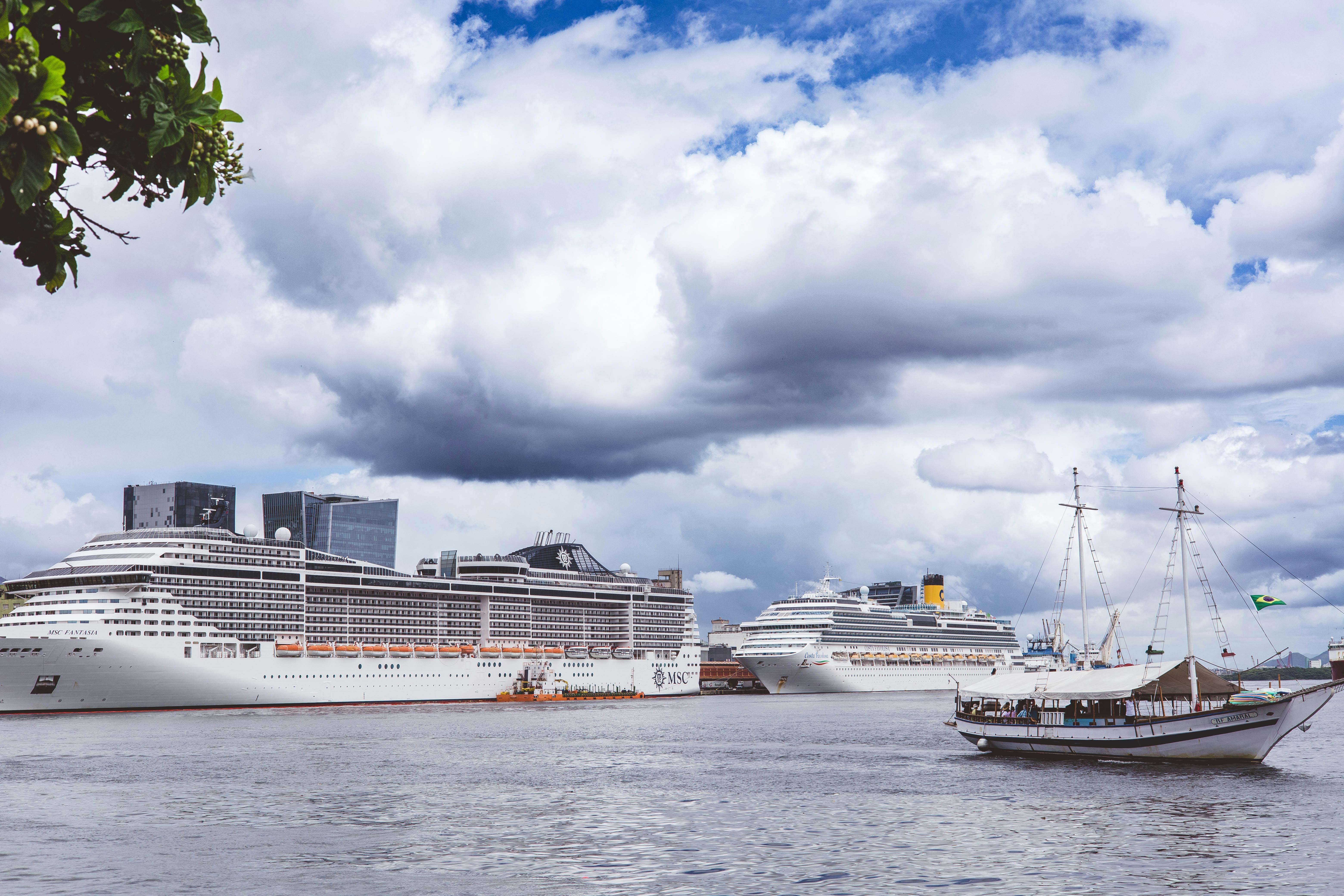
My rule is simple. Pick the line that fits your temperament, not the one that sounds fanciest on Instagram. Some travelers want hushed formality. Others want a more relaxed, club-like tone. Both can be excellent. But if you hate dress codes, don’t buy a line famous for them and then complain like you were tricked. That’s on you.
Also, pay attention to consistency. A ship can be brilliant on paper and underwhelming in practice if service is uneven. Luxury is not one grand moment. It is a chain of small competent acts, repeated all week. That’s the difference between real hospitality and a stunt.
Comparison table: luxury cruise lines versus mainstream cruise lines
Below is the basic split. It is not subtle, despite what the brochures say.
| Feature | Luxury Cruise Lines | Mainstream Cruise Lines |
|---|
| Ship size | Smaller, more intimate, often all-suite or mostly-suite | Larger, more crowded, designed for volume |
| Service ratio | Higher crew-to-guest ratio, more personalized attention | Lower ratio, more standardized service |
| Dining | Premium cuisine, better wine lists, more refined venues | Broader variety, but less consistency |
| Inclusions | Often bundled drinks, gratuities, and shore experiences | More add-ons, more upsells |
| Atmosphere | Quiet, elegant, relaxed | Livelier, busier, more entertainment-driven |
| Best for | Travelers who value privacy, polish, and curated experiences | Families, groups, and travelers seeking value scale |
| Biggest strength | Consistency and refinement | Variety and lower entry price |
| Biggest weakness | High cost | Less space and less personalization |
That table makes the tradeoff plain. Luxury is not simply “better.” It is better for a certain kind of traveler. If you want a floating resort with casinos, water slides, and non-stop noise, that is your business. If you want a suite, a composed dining room, and a crew that can actually anticipate your needs, luxury lines win without much argument.
For comparison, look at the best-known premium names. Regent Seven Seas often leads on inclusions. Seabourn is admired for intimacy and service. Silversea stands out for expedition and global reach. Scenic Eclipse pushes the upper edge of yacht-style travel. Oceania is especially strong for dining. Each has a different flavor. None is magic. All are expensive for reasons that should be legible if you care to read beyond the ad copy.
The smartest buyers compare not just cruise lines but the experience shape: formal vs relaxed, expedition vs classic, suite-heavy vs boutique, and port-intensive vs sea-day-heavy. If you do that properly, you will make a better choice and waste less money. Funny how that works.
Common mistakes to avoid
People make the same blunders over and over. The industry counts on it, because confusion is profitable. Frankly, a lot of cruise “advice” is just cheerleading with nicer fonts.
- Choosing by ship photos alone: A glossy atrium tells you almost nothing. Design can hide mediocre service, weak food, and tired cabins.
- Ignoring itineraries: The route matters more than the chandelier. A brilliant ship on a forgettable schedule is still a poor purchase.
- Assuming all inclusions are equal: One line may bundle shore experiences that another sells separately. Compare the full bill, not the headline fare.
- Overvaluing “butler service” as a slogan: Butler service means very little if the cabin is cramped or the staff is overextended.
- Believing every “luxury” claim: Some brands use the word loosely. I’ve seen average cruise products dressed up as refined escapes. It happens constantly.
- Ignoring seasonal conditions: Weather, sea state, and port congestion can alter the whole trip. Luxury cannot repeal the Atlantic.
- Forgetting personal style: If formal dinners annoy you, do not book a line built around them and then act offended. That is poor judgment, not bad luck.
Another mistake is chasing novelty for its own sake. New ships are attractive, sure, but new does not equal excellent. Sometimes an older ship with better layout, stronger crew cohesion, and a more thoughtful captaincy gives a better experience. I trust execution more than novelty. Most of the time, that is the wiser bet.
And here is a subtle but important point: the finest travel experiences respect limits. Not every hour needs to be optimized. Not every dinner needs a performance. Not every port day needs six activities. Luxury at sea should leave room for silence, reading, and the simple human pleasure of looking at the water. That kind of restraint is rare, and worth paying for.
Frequently asked questions
Which luxury cruise line is the best overall in 2026?
There is no single winner for every traveler, but Regent Seven Seas, Seabourn, Silversea, Scenic Eclipse, and Oceania remain among the strongest names. Regent is often the most inclusive. Seabourn excels in intimacy. Silversea is excellent for expedition and worldwide reach. The “best” choice depends on whether you value inclusions, cuisine, expedition access, or quiet refinement.
Are luxury cruises worth the price?
Sometimes, yes. If you value space, service, fine dining, and fewer hassles, the price can be justified. If you only care about going from port to port cheaply, then no. Luxury is not inherently wiser spending. It is better spending only when the details are actually better.
What should I compare before booking?
Compare itinerary quality, ship size, suite type, dining venues, inclusions, shore experiences, and recent guest feedback. Do not rely on brand reputation alone. That gets people in trouble.
Do luxury cruise lines have dress codes?
Many do, though the strictness varies. Some prefer elegant resort wear and optional formal nights, while others are more relaxed. Check the policy before you book. No point pretending you enjoy standards you actually dislike.
Final Thought
The best luxury cruise lines in the world are not selling a fantasy. They are selling order, care, and a brief reprieve from clamor. That is worth more than shiny gimmicks, and it explains why the strongest brands keep winning loyal travelers year after year. When the service is quiet, the food is good, and the ship feels like a well-made object rather than a floating sales pitch, the ocean becomes what it should be: vast, calm, and strangely restorative.
I’ve seen enough luxury travel to say this plainly. Real excellence is rare because it is demanding. It requires disciplined people, expensive materials, and a respect for small things that many brands no longer possess. The lines that get this right understand something basic and unfashionable: beauty should serve the human person, not bully him. That idea may not appear in the brochure, but it shapes every truly good voyage.