Californios has made history, and not the cheap kind. It is now the world’s first Michelin 3-star Mexican restaurant, while Enclos in Sonoma also joined...
Californios and the Rise of Luxury Fine Dining: Why Michelin’s First 3-Star Mexican Restaurant Matters
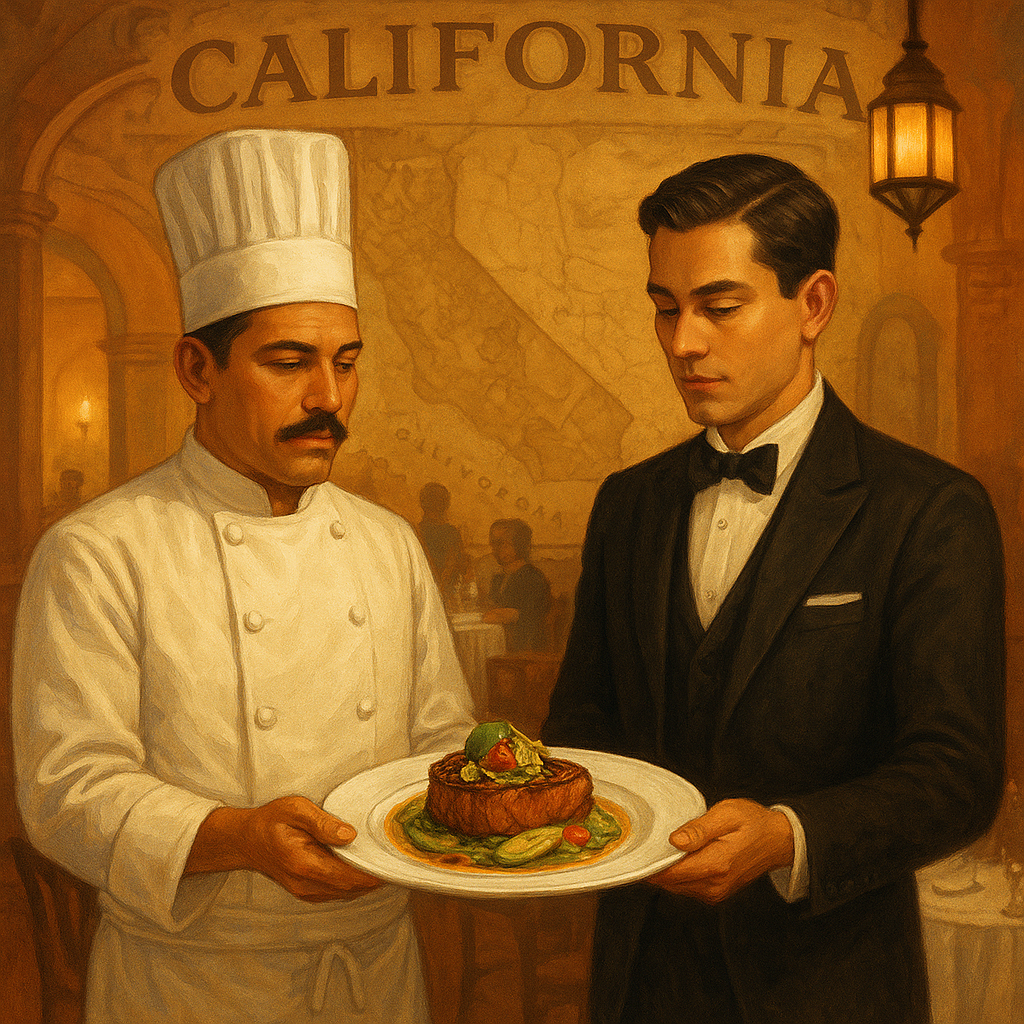
Californios has made history, and not the cheap kind. It is now the world’s first Michelin 3-star Mexican restaurant, while Enclos in Sonoma also joined California’s top tier, proving that luxury dining still rewards precision, discipline, and stubborn craft over empty hype.
Key Takeaways- Californios is the first Mexican restaurant to earn three Michelin stars.
- Enclos in Sonoma also earned Michelin’s highest rating in California.
- Luxury dining is about technique, sourcing, and consistency—not flash.
- Beauty, in the older sense, should honor labor and stewardship.
- California remains one of the world’s most serious fine dining regions.
What is luxury fine dining?
It is not just expensive plates and a smug waiter with a silk scarf. It is a system of exacting choices: ingredient quality, timing, restraint, service choreography, wine pairing, and an almost monk-like refusal to cut corners. Californios shows what happens when Mexican cuisine is treated with the seriousness usually reserved for French tasting menus or Japanese kaiseki.
I have reviewed plenty of “premium” meals that were mostly theater; the real thing is quieter, harder, and far more expensive to execute well. The Michelin guide still matters because it rewards craft, not noise. Sure, plenty of people sneer at the stars, and sometimes with good reason.
The system has blind spots, and no award can measure a diner’s personal taste perfectly. But three stars remain a rare signal that a kitchen performs at a level most restaurants cannot touch. When Californios got the nod, it did more than make headlines. It expanded the idea of what elite Mexican cuisine can be in the public eye.
This matters because luxury, at its best, is stewardship. Beauty is not supposed to be wasteful; it should honor labor, ingredients, and the people who make things well. That sounds lofty, but it is really common sense with better linens.
Read the official coverage at Michelin Guide California stars for the cleanest reporting. Visit Californios for the restaurant’s own voice. The facts are the facts.
Core Benefits and Importance
- Cultural elevation: Californios proves Mexican cuisine can sit at the highest table without apology.
- Technical excellence: Michelin stars reward consistency, control, and fine detail.
- Regional prestige: California’s dining scene remains a magnet for serious travelers and collectors of experience.
- Luxury travel value: For affluent diners, the meal becomes part of a broader trip built around hotels, wine country, and design.
- Craft over spectacle: The best luxury experiences feel earned, not manufactured.
Frankly, most luxury marketing is pretentious nonsense. What actually matters is whether the product, meal, room, or car works at a level that regular people can feel even if they cannot explain it. A three-star dinner, like a great watch movement or a hand-stitched bag, is about hidden labor.
Nobody admires the thousand tiny decisions they never see, but those decisions are the whole point. If you want the broader context, compare the standards in our guides to luxury watches and timepieces, luxury travel experiences, and the best luxury hotels. Same principle. Different table settings.

Step-by-Step Guide to Choosing a Michelin-Quality Experience
- Start with the kitchen’s record. Awards matter less than consistency, but they are still useful.
- Study the menu philosophy. A strong restaurant knows whether it is rooted in heritage, technique, or seasonal improvisation.
- Check the beverage program. Great wine service should support the meal, not bully it.
- Read recent dining reports, not stale praise. Restaurants change. So do standards.
- Consider the full setting. Service, acoustics, room design, and pacing all affect the experience.
- Book for the right occasion. A three-star meal deserves attention, not a rushed evening squeezed between errands.
Here’s the kicker: many diners chase stars because they want bragging rights. Bad reason. The right reason is far simpler. You go because some places make excellence visible, and in a world stuffed with mediocrity, that is worth paying for.
| Aspect | Californios / Michelin 3-Star Dining | Typical Upscale Restaurant |
|---|
| Culinary ambition | Exacting, highly refined | Often broad, inconsistent |
| Technique | Deeply disciplined | Uneven, sometimes flashy |
| Ingredient sourcing | Exceptional, often seasonal | Good, but not always exceptional |
| Service | Highly choreographed | Polite, less precise |
| Overall value | Strong for serious diners | Better for casual luxury |
Common Mistakes to Avoid
- Assuming price alone equals quality.
- Treating Michelin as infallible.
- Booking without considering your own taste.
- Chasing famous names instead of memorable execution.
- Ignoring the rest of the experience, especially service and pacing.
Let’s be real: some people confuse luxury with discomfort. If a restaurant is cold, arrogant, or merely performative, that is not refinement. That is theater with a bill attached. A true premium experience should feel ordered, humane, and rooted in care.
Good design, good food, and good service all respect the dignity of the guest. For readers who care about luxury beyond the plate, the same principle applies across categories. A well-made bag, a serious watch, or a beautiful hotel suite all share the same DNA: craft, patience, and a refusal to cheap out.
If you want the research side, Michelin’s own coverage of the California guide is the cleanest place to start: Michelin Guide California stars. For background on Californios specifically, the restaurant’s site is useful: Californios. For Sonoma and Enclos, regional coverage from the guide is also worth reading: Michelin California guide coverage.
Frequently Asked Questions
What makes Californios historic?
Californios became the world’s first Michelin 3-star Mexican restaurant, a milestone that changes how elite Mexican cuisine is perceived.
Why do Michelin stars matter?
They matter because they still signal consistency, technical skill, and a high level of execution, even if they are not perfect.
Is luxury dining worth it?
Sometimes. If the kitchen, service, and setting all work together, the experience can be memorable in a way cheaper meals rarely are.
Does California remain a major food destination?
Absolutely. Between San Francisco, Los Angeles, and wine country, it remains one of the most important fine dining regions on earth.
Final Thought
Luxury dining is not about showing off. It is about seeing what happens when human skill, good ingredients, and disciplined taste are pushed to their proper limit. Californios proves that Mexican cuisine can stand at the summit without losing its soul, and that is the kind of excellence worth paying attention to.