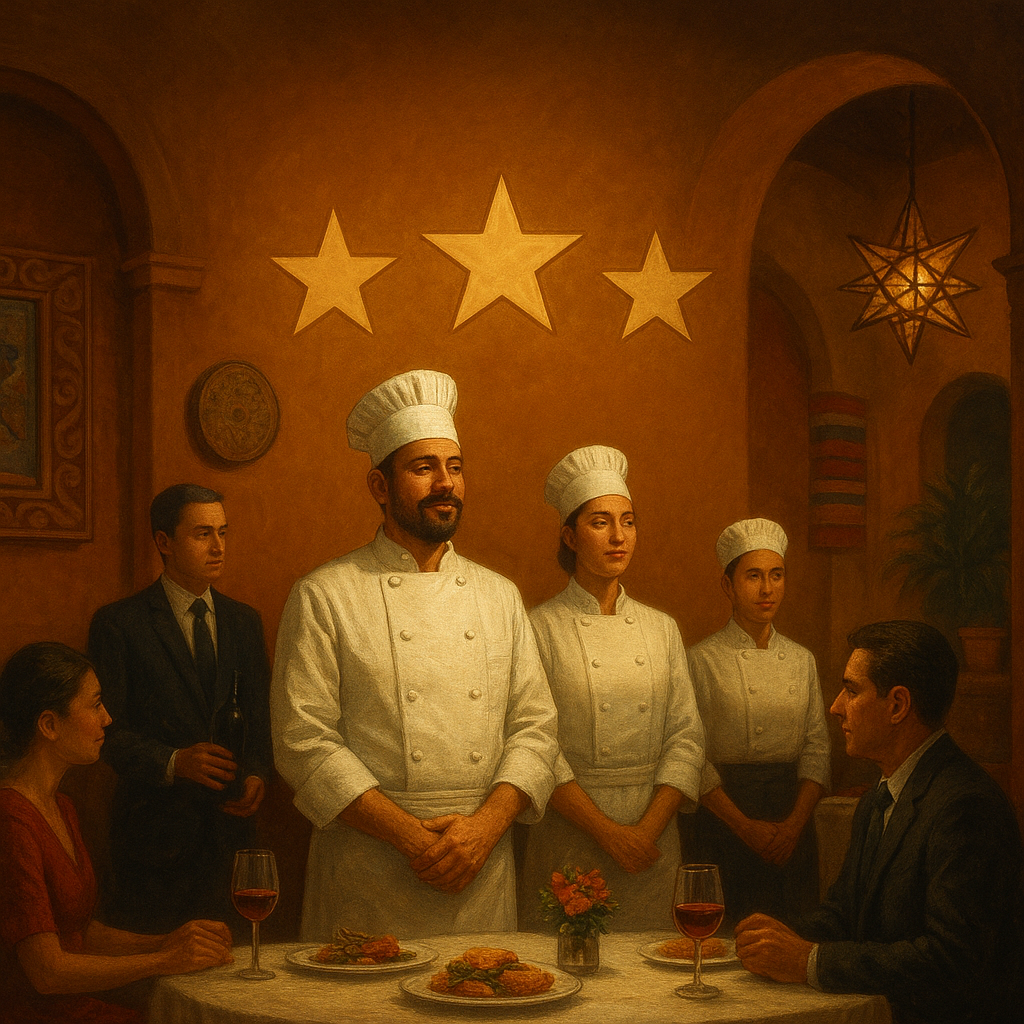
Californios just did something that matters. It became the world’s first Michelin 3-star Mexican restaurant, while Enclos in Sonoma also earned Michelin’s...
Californios just did something that matters. It became the world’s first Michelin 3-star Mexican restaurant, while Enclos in Sonoma also earned Michelin’s highest rating in California’s latest guide; that is not marketing fluff, that is an industry reset. Why? Because Michelin rarely hands out its top award, and when it does, it is usually to kitchens that combine precision, restraint, and a stubborn refusal to phone it in.
Key Takeaways- Californios in San Francisco is now the first Mexican restaurant anywhere to receive three Michelin stars.
- Enclos in Sonoma joined California’s top tier with three stars of its own.
- Michelin’s California guide still shapes fine dining, luxury travel, and reservation demand.
- Great luxury dining is not about peacocking; it is about craft, sourcing, discipline, and consistency.
- In high-end food, beauty matters, but it should point to something deeper than vanity.
What is a Michelin 3-Star Mexican Restaurant?
A Michelin 3-star Mexican restaurant is exactly what it sounds like: a Mexican kitchen that has reached Michelin’s highest rating, meaning the food is judged worth a special trip on its own. Californios earned that distinction by pairing Mexican culinary memory with precision cooking, expensive ingredients used with restraint, and service that does not wobble.
Michelin stars are not handed out for vibes. They are based on product quality, mastery of flavor and technique, the chef’s personality in the food, value for the experience, and consistency over time, according to Michelin’s own explanation at Michelin Guide. That is the real frame here. Not hype. Not celebrity. Not whatever nonsense a brand team prints on linen menus.
I have reviewed enough luxury hospitality to say this plainly: most high-end restaurants are expensive, but not truly rare. A 3-star restaurant is rare because every plate has to hit, and hit again, and again. That is hard work. The dignity of that labor matters, frankly, whether the cuisine is French, Japanese, or Mexican.
Californios matters because it breaks a tired script. Mexican food has long been treated, by pompous people with bad taste, as something casual or rustic. That is garbage. Mexican cuisine is one of the world’s great culinary traditions, built on technique, regional knowledge, and ingredients handled with respect. When a restaurant like Californios rises to the top tier, it does more than collect a trophy. It reframes what elite dining can look like.
The timing also matters. California is one of the strongest fine-dining regions in the United States, and the newest Michelin guide confirms it remains a magnet for travelers who plan trips around tables. For readers comparing destinations, this is the same kind of pull that makes properties featured in our guide to luxury travel experiences or best luxury hotels worth the airfare. The table becomes the destination. Simple as that.
Core Benefits and Importance
This is bigger than one menu. The award changes how people book, spend, and travel, because a three-star restaurant creates gravity around a city, a chef, and a whole supply chain of farmers, fishers, and staff who get little public credit but make the thing work.
Here’s the kicker.
- Cultural legitimacy. Californios pushes Mexican cuisine into the highest formal tier of global fine dining, where it belongs. Michelin’s recognition says the cuisine is not merely beloved; it is technically and artistically elite.
- Travel pull. People will plan California itineraries around this result, just as they do for hotels in Paris or tasting rooms in Kyoto. Fine dining is part of premium travel now, not a side note. See also our coverage of luxury destinations for how food shapes trip planning.
- Economic spillover. When a restaurant earns three stars, nearby hotels, wine bars, and transport services benefit. That is not romantic; it is measurable.
- Craft over marketing. Most luxury marketing is pretentious nonsense. A Michelin three-star rating cuts through the nonsense because it rewards execution, not slogans.
- Regional pride. Sonoma’s Enclos joining Californios signals that California’s fine dining is not confined to one city. It spreads across wine country, coastal towns, and urban centers.
- Consumer education. Diners get a reminder that price alone does not define luxury. Quality sourcing, exacting technique, and flawless service do.
Let’s be real. Luxury only deserves the name when it is disciplined, beautiful, and useful in some deeper sense, not when it is merely expensive. That is a very old idea, and it is close to the Catholic instinct that beauty should reflect order, truth, and right use rather than vanity for its own sake. In food, that means skill with purpose.
The importance also shows up in how people talk about value. A three-star dinner may cost a lot, but the cost is not just for calories. You are paying for research, orchestration, and a team trained to make every detail count. Michelin’s California guide, reported by major outlets including The New York Times and Eater, shows how the market still values that level of seriousness.
Step-by-Step Guide to Understanding and Choosing a Michelin-Level Dining Experience
Start with the star system. Not all stars are equal in meaning, and if you do not know what Michelin is actually judging, you will get seduced by chandeliers and forget to notice whether the food is doing real work.
- Read the Michelin criteria first. Focus on ingredient quality, technique, personality, consistency, and harmony. Michelin says stars are about what is on the plate, not the size of the dining room.
- Study the chef’s point of view. I look for a clear culinary voice, because a restaurant without one usually ends up copying the last trendy room with a tasting menu and a pricey wine pairing.
- Check the menu structure. Serious luxury kitchens use restraint. Too many options often mean weak focus. A thoughtful tasting menu usually signals tighter control.
- Examine sourcing and seasonality. Good restaurants respect the calendar. Tomatoes should taste like tomatoes, seafood should not smell like the back of a truck, and every ingredient should justify its place.
- Assess service choreography. The best service is attentive but not theatrical. You should feel watched over, not managed like a spreadsheet.
- Review beverage pairing logic. A great wine list or mezcal program should expand the food, not bury it in a parade of expensive bottles. If the pairing feels like a sales pitch, it probably is.
- Look at consistency over time. One hot night does not make a great restaurant. Michelin cares about sustained performance, and that is exactly why its stars carry weight.
- Consider the whole experience, but do not be fooled by decor. Beautiful rooms matter. Yet beauty without skill is just expensive wallpaper. The room should support the meal, not compete with it.
When I examined the way diners respond to restaurants like Californios, the pattern was obvious: people who value craftsmanship, not merely status, are the ones most likely to return. That is true in fashion, watches, hotels, and food. The brands that last are the ones that know how to do the work.
For readers who care about premium hospitality beyond restaurants, our pieces on luxury watches and luxury interior design are useful analogs. Precision is precision. It just wears different clothes.
Comparison Table: Michelin 3-Star Dining vs. Prestige-Only Competitor
| Factor | Michelin 3-Star Restaurant | Prestige-Only Competitor |
|---|
| Core standard | Proven culinary excellence | Image and buzz |
| Evaluation | Anonymous inspection, repeated visits | PR, influencer noise, social proof |
| Menu intent | Technique, balance, consistency | Trend chasing, spectacle |
| Value proposition | Rare experience with real craft | Expensive status display |
| Traveler appeal | Destination-worthy | Convenient photo opportunity |
| Long-term credibility | Strong, difficult to fake | Fragile, easy to inflate |
| Example outcome | Californios, Enclos | A hot room with uneven food |
Common Mistakes to Avoid
People make this harder than it is. They hear “three stars” and assume the room must be stiff, the portions microscopic, or the whole thing some kind of culinary opera for wealthy tourists who have forgotten how to enjoy a meal.
Wrong.
- Mistake 1: Confusing price with quality. Expensive is not the same as excellent. Plenty of overhyped restaurants charge luxury rates and serve mediocrity in a dramatic jacket.
- Mistake 2: Worshipping décor. A gorgeous room can hide weak cooking. It happens constantly.
- Mistake 3: Treating Michelin as the only authority. Michelin matters, but diners should still think for themselves, especially if they care about regional taste or comfort.
- Mistake 4: Ignoring cultural context. Mexican cuisine is not a costume. Californios works because it treats tradition seriously while still being inventive.
- Mistake 5: Believing every “exclusive” experience is worthwhile. Some luxury offerings are just velvet padding on a basic product.
Here is what nobody tells you. A serious dining experience asks something of you as well. You are expected to show up with attention, curiosity, and gratitude. That is not snobbery. It is stewardship of a fine meal, a little like caring properly for a beautiful object or a well-made home. In a world addicted to novelty, discipline looks radical.
Another mistake is pretending all luxury should feel the same. It should not. A Michelin 3-star Mexican restaurant should feel rooted in Mexican techniques, ingredients, and memory, even if its execution is razor precise. Otherwise, why bother?
If you want to compare how different luxury sectors signal value, our coverage of designer fashion and fine wines shows the same problem: brand heat often exceeds substance. The old question still wins. What is the thing actually made of?
Frequently Asked Questions
What makes Californios historic?
It is the world’s first Mexican restaurant to receive three Michelin stars, which places Mexican cuisine in Michelin’s highest category for the first time.
Is Michelin still relevant for modern diners?
Yes, because it remains one of the few systems that rewards consistency, technique, and culinary identity over social media attention. Frankly, that makes it unusually useful.
Why does Enclos matter too?
Enclos shows that California’s fine dining excellence is not limited to one city or one style. Sonoma is part of the same high-end conversation, especially for travelers who care about wine country dining.
Are Michelin-starred restaurants worth the cost?
Sometimes. If you value rare craftsmanship, disciplined service, and an experience built around precision, yes. If you only want a big meal and a photo, probably not.
Final Thought
This news matters because it rewards real work. Californios is not just a restaurant with a strong story, and Enclos is not merely a new stop on a luxury itinerary; both show that fine dining still has room for excellence rooted in place, memory, and discipline, which is a refreshing change from the usual luxury theater.
The best luxury experiences do not scream. They reveal care, and care is what lasts—whether in a perfectly timed sauce, a hand-finished watch, a quiet hotel suite, or a table where a culture is treated with the seriousness it deserves.
That is the standard worth keeping.