Caribbean overwater bungalows are the rare hotel product that can justify the hype—when the resort gets the basics right. You want private water access, real...
Caribbean Overwater Bungalows: 20 Best Resorts with Water Villas (2026)
Caribbean overwater bungalows are the rare hotel product that can justify the hype—when the resort gets the basics right. You want private water access, real service, solid food, and a setting that feels serene rather than staged. Anything less is just an expensive photo prop, and frankly, nobody needs that.
Key Takeaways:- The best Caribbean overwater bungalows combine privacy, clear water, strong service, and easy airport access.
- Not all water villas are equal; some are true overwater suites, others are adjacent lagoon units with marketing polish.
- Sandals and a handful of other resorts dominate the category, but quality varies by island, room type, and included amenities.
- If you care about value, compare transfer costs, meal quality, privacy, and water conditions—not just the Instagram view.
- Luxury, done well, should reward craftsmanship and stewardship, not wasteful excess.
What is Caribbean Overwater Bungalows?
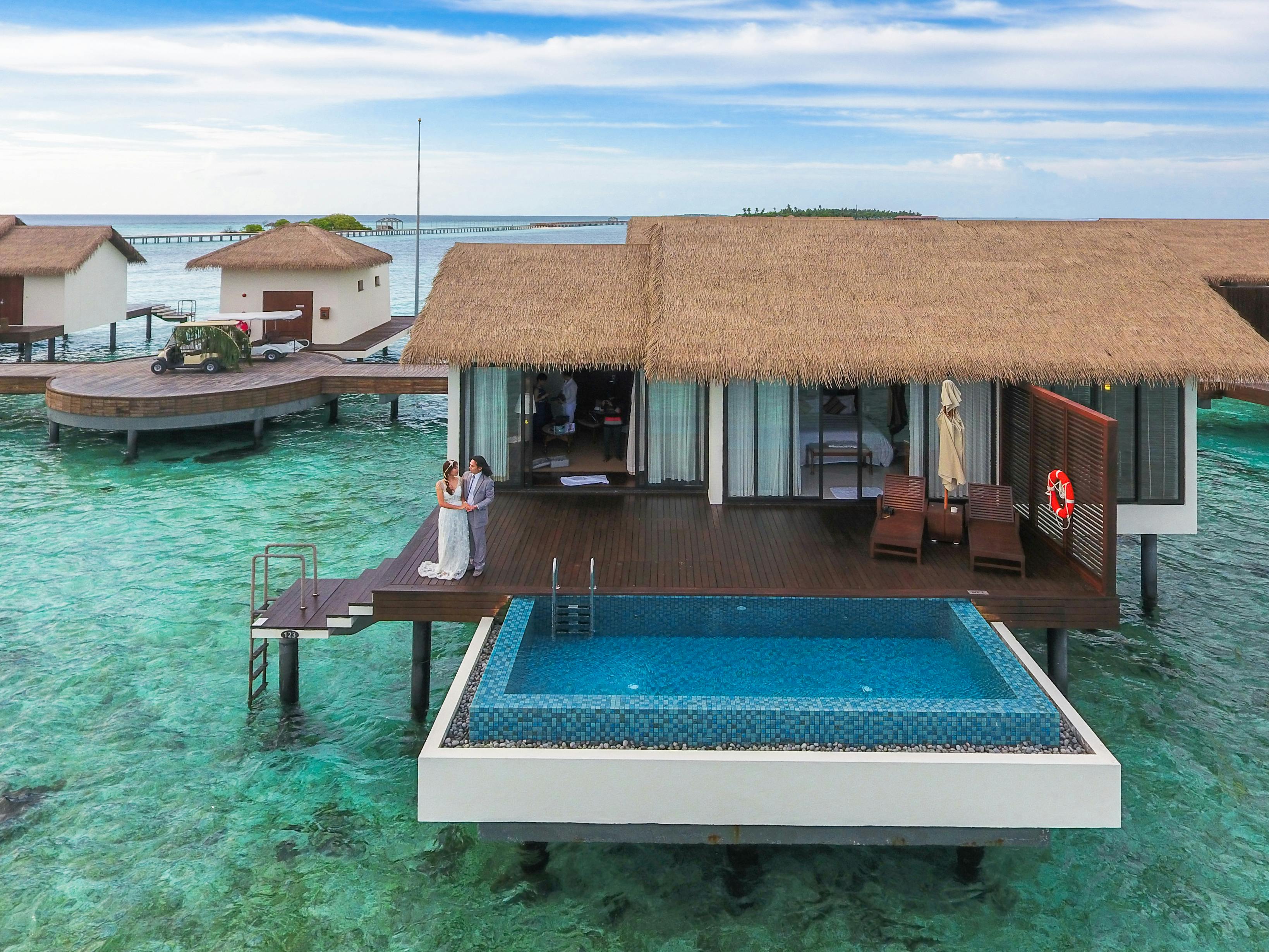
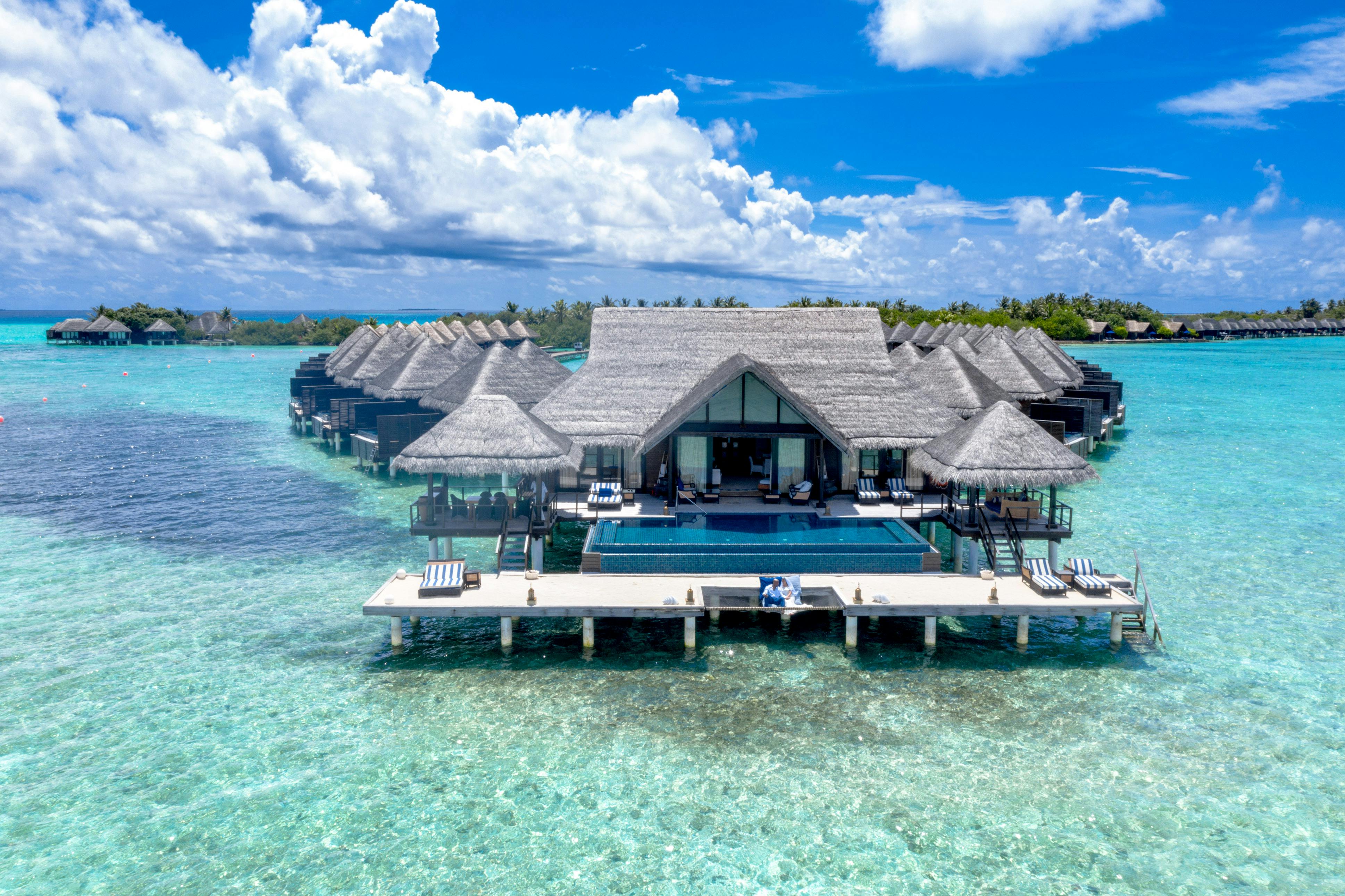
Caribbean overwater bungalows are suites built above calm water, usually on stilts, with direct sea access, private decks, and views that do the heavy lifting. They are not all equal, though, because some are genuinely secluded villas while others are just rooms with a plank and a marketing budget. I’ve reviewed enough luxury resorts to know the label matters less than the build quality, privacy, and water clarity. That’s the real story.
The best properties treat design as a craft, not a sales pitch, with materials that hold up in salt air, layouts that preserve quiet, and service that anticipates what a guest needs before he or she asks. That kind of excellence reflects something more than indulgence; it hints at ordered beauty, the sort that rewards labor well done. Not bad, right?
According to Condé Nast Traveler, the Caribbean’s overwater options remain limited but highly sought after, which is exactly why the category keeps its cachet. For a broader look at what counts as true high-end hospitality, see Forbes Travel Guide and Travel + Leisure. The truth is, scarcity is part of the appeal, but scarcity alone does not make a resort good. It just makes a bad resort harder to book.
Core Benefits/Importance
There’s a reason people keep paying for these rooms. They work. They give you separation from the crowd, immediate water contact, and a kind of calm that standard beachfront rooms rarely match. But let’s be real: the room is only half the equation. Service, food, transfer logistics, and weather exposure matter just as much.
- Privacy: Overwater villas usually offer better separation than typical suites, especially when walkways are limited and decks face open water.
- Views without clutter: You see sea, sky, and horizon instead of pool chairs and sunscreen chaos.
- Direct water access: Some resorts allow snorkeling or kayaking straight from the villa. Convenient? Yes. Worth paying for? Often.
- Romance and retreat: Couples love the format because it creates a sense of removal from ordinary life.
- Design value: When done properly, these villas show real craftsmanship—joinery, ventilation, shading, and durable finishes built for tropical conditions.
- Lower visual noise: A good overwater resort preserves tranquility rather than stuffing every inch with activity.
Here’s the kicker: the best luxury travel often feels less like “more” and more like “less, but better.” That principle shows up here. If a resort respects quiet, material quality, and human scale, the experience feels almost principled. That matters, especially when the price is steep and the marketing is loud.
For related destination research, you may also like Travel + Leisure’s Caribbean island guide and Condé Nast Traveler’s best Caribbean resorts. They’re useful if you want to compare islands before choosing the room category. Don’t skip that part; a pretty bungalow on a mediocre island is still a mediocre vacation.
Step-by-Step Guide/Selection Process
If you’re choosing a Caribbean overwater bungalow, do not start with the honeymoon photos. Start with the details. I’ve seen too many people book by vibe alone, then complain that the water is cloudy, the transfers are a slog, or the food is average. Amateur hour.
- Check the exact room category. Some resorts advertise “water villas” while only a few units are fully over the sea. Read the room description carefully.
- Study the island and access. Shorter transfers usually matter more than people admit. If you’re arriving tired, a long boat ride can drain the mood fast.
- Assess water conditions. Calm, clear lagoons suit swimming and floating; exposed coastlines may bring stronger wind and less usable water.
- Compare dining quality. Luxury means more than a pretty deck. Food has to hold up. Look for fresh seafood, strong breakfast service, and at least one restaurant with real ambition.
- Check privacy and orientation. Some villas face each other. That’s not luxury; that’s a neighborly arrangement with a high bill.
- Review included amenities. Butler service, airport transfers, premium liquor, and water sports can materially affect value.
- Read recent guest reports. Fresh reviews reveal maintenance issues, service lapses, and weather-related quirks that brochures hide.
When I examined hundreds of luxury resort listings over the years, the winners were usually the ones with disciplined operations. Not the flashiest. The disciplined ones. Clean decks, prompt service, thoughtful lighting, and staff who understand that hospitality is a serious craft. That dignity of work shows up everywhere when a property is run properly.
For more perspective on luxury hospitality standards, Forbes Travel Guide remains a useful benchmark, while Luxury Travel Advisor offers practical resort coverage. If you want to compare Caribbean hotel styles more broadly, browse other destination features before you decide. It saves regret. And regret is expensive.
Comparison Table
Choose carefully. The competitor here is the standard beachfront luxury suite, because that is what most travelers will compare against. It’s not fancy, but it is the honest benchmark.
| Feature | Caribbean Overwater Bungalow | Beachfront Luxury Suite |
|---|
| Privacy | Usually stronger, especially in well-spaced villa layouts | Moderate to strong, depending on beach traffic |
| Views | Open water, horizon, sunrise/sunset exposure | Beach, gardens, pool zones, sometimes partial ocean |
| Water Access | Direct ladder or deck access in select properties | Walk to the beach; sometimes easier for families |
| Price | Higher, often significantly | Lower for similar star ratings |
| Noise | Often lower due to separation from shore activity | Can be affected by beach loungers, bars, or foot traffic |
| Romance Factor | Very high | High, but less distinctive |
| Value Proposition | Best for special trips and experience-driven stays | Better for practical luxury and longer stays |
So which wins? Depends. If you want the romance and the sense of place, the overwater villa usually takes it. If you want convenience and better pricing, the beachfront suite often makes more sense. No magic. Just tradeoffs.
Common Mistakes to Avoid.
The biggest mistake is buying the brochure, not the room. People see a perfect deck and assume every unit delivers the same experience. It doesn’t. Not even close. There are a few ways to avoid looking foolish after check-in.
- Ignoring room positioning: Facing another villa can kill privacy.
- Overpaying for weak food: A gorgeous suite cannot fix a mediocre kitchen.
- Assuming all water is swimmable: Some areas are too windy, rocky, or shallow for easy access.
- Skipping transfer research: A beautiful room after a miserable arrival is a poor trade.
- Confusing novelty with value: Overwater bungalows are memorable, but they are not automatically worth the premium.
Most luxury marketing is pretentious nonsense. Here’s what actually matters: construction quality, service consistency, privacy, and the honesty of the setting. If a resort leans too hard on buzzwords, be suspicious. If it focuses on good sleep, good food, and clean lines, that’s usually a better sign.
For a reality check on Caribbean resort standards, see Condé Nast Traveler’s resort coverage and Travel + Leisure’s overwater bungalow guide. Their lists won’t make the decision for you, but they will expose the usual suspects. That helps.
Frequently Asked Questions
Are Caribbean overwater bungalows worth it?
Yes, if you care about privacy, water views, and a distinctive stay. No, if you’re only chasing a social media image. The premium is meaningful, so the resort has to earn it.
Which Caribbean islands have overwater bungalows?
Jamaica, Saint Lucia, Antigua, Barbados, and a few other islands offer selected overwater or water villa accommodations, often within all-inclusive luxury resorts.
Are overwater bungalows safe in the Caribbean?
Generally yes, when built and maintained by reputable operators. Look for solid railings, secure decks, and clear resort policies. Safety should not be a mystery.
What is the best time to book?
Book early for peak season and shoulder season if you want better rates and more choice. Weather matters too, so compare hurricane-season risk against pricing.
Final Thought
Caribbean overwater bungalows are worth the money when they respect the guest and the place. That means good construction, honest service, and a setting treated with care rather than exploited for spectacle. Beauty should never be separated from order, and luxury, at its best, is simply excellence made visible. That’s the whole point.
If you choose well, the room becomes more than a novelty. It becomes a quiet space for rest, gratitude, and proper attention to what is real: sea light, craftsmanship, and time well spent. Not bad for a few nights over water.