Caribbean overwater bungalows are luxury stays built above the sea, usually with private decks, direct water access, and front-row views that make ordinary...
Caribbean Overwater Bungalows: 20 Best Resorts with Water Villas for 2026
Caribbean overwater bungalows are luxury stays built above the sea, usually with private decks, direct water access, and front-row views that make ordinary hotel rooms feel dull. The best ones are not just pretty. They are quiet, well-built, and worth the money only when service, privacy, and setting actually hold up.
Key Takeaways- Scarcity matters: the Caribbean has fewer overwater villas than the Maldives, which raises demand.
- Not all villas are equal: check placement, privacy, maintenance, and water conditions.
- Royalton Antigua is a major regional reference point, but smart travelers compare far beyond the headline name.
- Value depends on logistics: shorter travel time from North America can matter more than a grander brand story.
- Luxury should be earned: craftsmanship, service, and stewardship matter more than brochure language.
What is Caribbean overwater bungalow travel?
It is a niche form of luxury accommodation where the room sits directly over the water, connected to shore by boardwalks and built for privacy, views, and immediate sea access. When the design is done properly, the experience feels calm and deliberate, not showy for the sake of it. That matters. Beauty without function is just expensive clutter.
I have reviewed enough high-end stays to know the difference between a real water villa and a resort trying to borrow glamour from the idea. The real ones use durable materials, sensible airflow, strong safety measures, and layouts that keep guests from feeling boxed in. The weak ones rely on photos and adjectives. Frankly, those are usually the same places that overpromise and underdeliver.
The Caribbean version is especially interesting because it combines tropical water, often easier access for North American travelers, and a smaller supply of true overwater inventory. That scarcity is not a gimmick; it is a market condition that affects price, demand, and guest expectations. If you want to compare the Caribbean with broader luxury travel standards, see Condé Nast Traveler's overwater bungalow guide, which shows how seriously travelers treat the category.
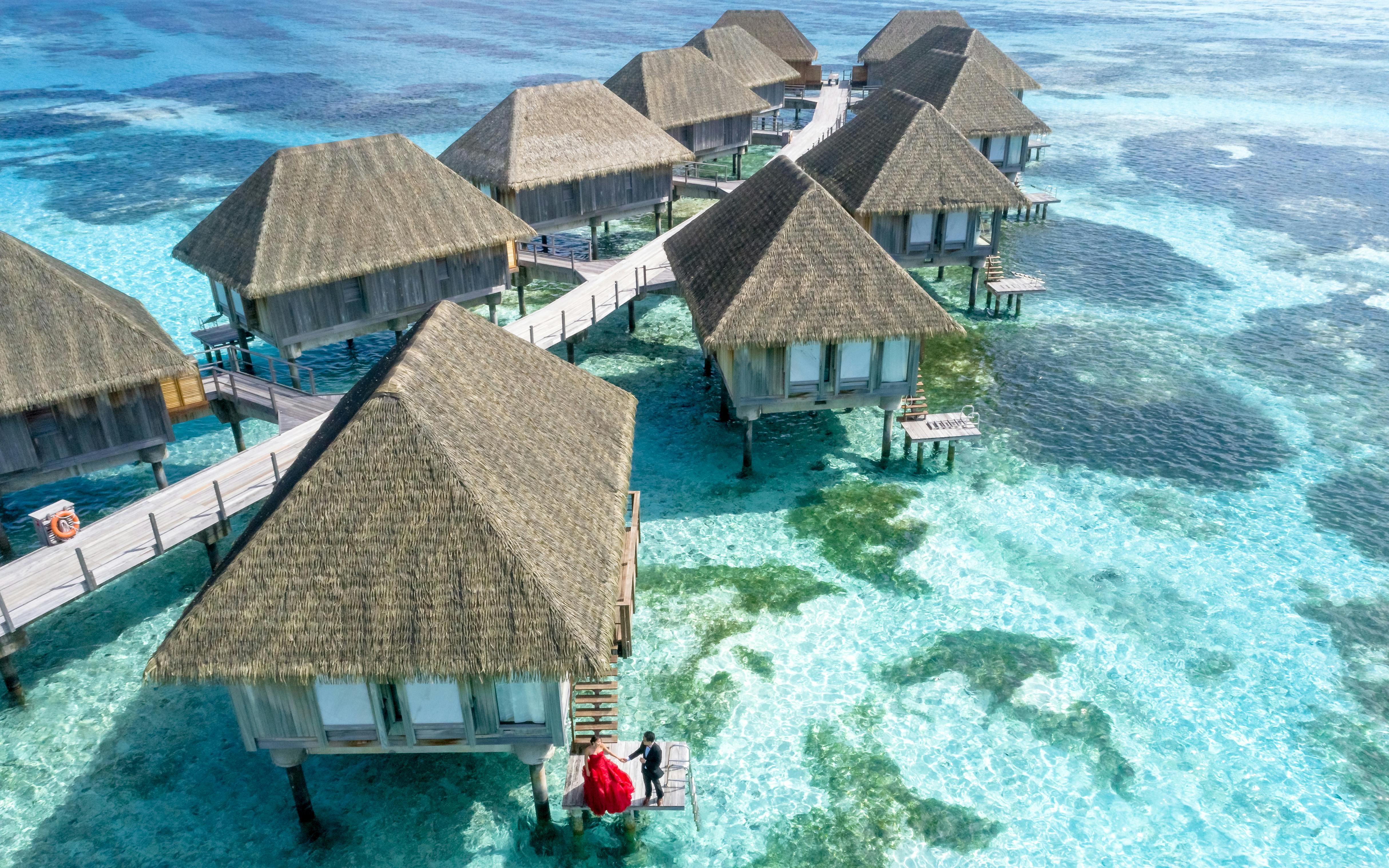
The best resorts understand stewardship too. In a Catholic sense, that word matters: fine craftsmanship should reflect care for people, place, and resources, not waste. A well-made villa respects the sea instead of pretending it was conquered by it. That is a more honest kind of luxury.
One more thing. Caribbean overwater bungalows are not the same as beachfront suites with a nice view. A proper water villa changes the experience from the ground up, because the sea is not something you visit from the room. It is under you, around you, and part of the stay itself. That difference is the whole point.
Core Benefits and Importance
- Privacy — well-spaced villas reduce foot traffic and noise.
- Direct water access — some properties offer ladders or steps into the sea.
- Views — sunrise, moonlight, and wide horizon lines do the heavy lifting.
- Romance — these stays are popular for honeymoons, anniversaries, and quiet escapes.
- Prestige — scarcity gives the category genuine cachet.
- Better pacing — guests tend to slow down, and that is usually the point.
The practical benefits are easy to state, but the real value is subtler. These stays often force a slower rhythm, which is rare in luxury travel and even rarer in modern life. You wake up, make coffee, sit on a deck, and do not feel the need to perform productivity. That is not frivolous. Rest is part of human dignity.
Here is the kicker: not every claimed benefit is real. Privacy is worthless if villas are stacked too close together. Direct water access matters less if currents are strong or the sea floor is unpleasant. Views do not rescue a badly oriented room. I have seen too many travelers pay for the idea of luxury instead of the actual mechanics of it.
If you want an informed comparison of premium island stays, Travel + Leisure’s overwater bungalow coverage is useful for spotting what features matter most to guests. And yes, the best properties tend to win on small, boring details: sleep quality, air movement, deck shade, and housekeeping timing. Boring? Sure. Important? Absolutely.
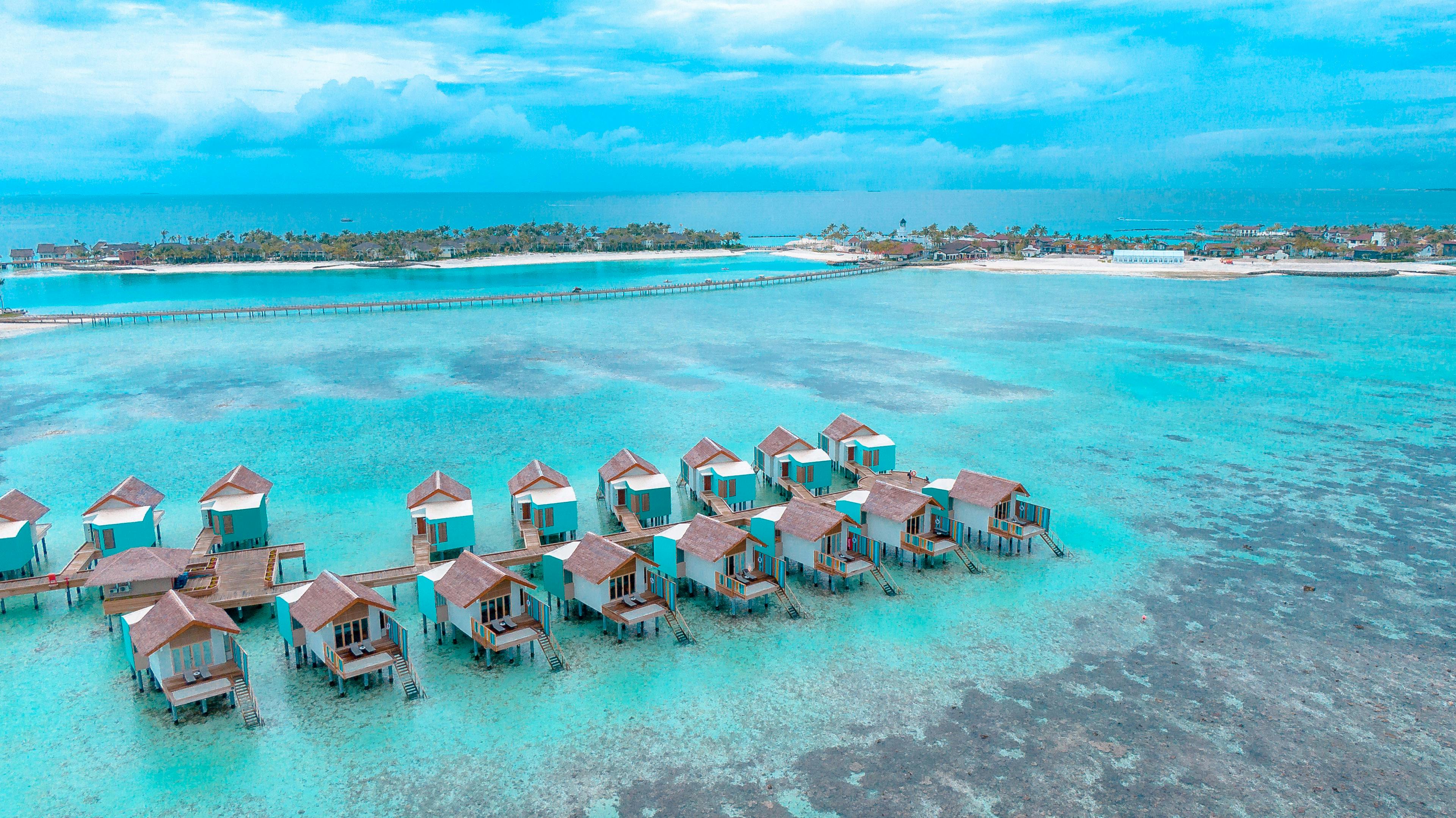
Luxury also carries responsibility. If a resort is going to charge top dollar for an overwater suite, it should maintain the structure, protect the marine setting, and treat staff with the same seriousness it gives to guests. That is not sentimental. It is simply the right order of things.
What nobody tells you is that a premium stay can feel cheap if it is careless. The sea may be gorgeous, but the resort has to earn its place in it. Otherwise it is just a floating sales pitch.
Step-by-Step Guide to Choosing the Right Resort
- Confirm the room type. I always verify whether the villa is truly overwater, partly overwater, or simply marketed that way.
- Check the actual layout. A good resort places villas for privacy without making them feel isolated or awkward.
- Study the water conditions. Calm lagoons, clear water, and easy access matter more than vague luxury language.
- Read recent guest reports. I trust current traveler feedback more than old press releases and glossy photography.
- Examine service standards. Butler service is useful only when it is discreet, competent, and responsive.
- Compare transfer logistics. A beautiful resort loses points fast if reaching it feels like a minor expedition.
- Check what is included. Breakfast, transfers, snorkeling gear, spa access, and airport handling can change value sharply.
- Review maintenance quality. Saltwater punishes materials, and poor upkeep shows quickly.
- Think about weather timing. The Caribbean is beautiful, but seasonality matters more than brochures admit.
- Decide if the premium is justified. Sometimes the room is worth it. Sometimes the money is better spent elsewhere.
I have a simple rule: if the resort cannot explain what makes the villa worth the charge, it probably is not worth the charge. That sounds blunt because it is. The luxury market is full of polished nonsense, and you do not need more of it.
The best properties make the choice easy. They show strong construction, sensible privacy, and service that feels human rather than scripted. They also respect the traveler’s time. If you are flying from the East Coast, for example, a Caribbean water villa can make more sense than a long-haul escape to the Indian Ocean. For broader destination planning, the Forbes Travel Guide remains a useful reference point for service standards and hotel quality.
And yes, if you care about craftsmanship, you should. Good joinery, weather-resistant finishes, careful lighting, and quiet HVAC systems are not decorative extras. They are the difference between genuine luxury and a room that merely photographs well. Beauty has a moral dimension when it is tied to honest work.
Comparison Table
| Feature | Caribbean Overwater Bungalows | Maldives Water Villas |
|---|
| Travel time from North America | Usually shorter | Usually longer and more complex |
| Number of resorts | Limited and selective | Much larger inventory |
| Water clarity | Very good in the best locations | Often exceptional |
| Privacy | Strong when villas are spaced well | Often excellent |
| Price pressure | High due to scarcity | High due to destination prestige |
| Best for | Couples, anniversaries, quicker luxury breaks | Honeymoons, remote escapes, long-haul trips |
| Main risk | Overpaying for a weak product | Paying a premium for distance and logistics |
That table says the quiet part out loud. The Maldives usually wins on reputation and volume, while the Caribbean often wins on convenience. For many travelers, convenience is not a second-class virtue. Time is limited, and a shorter route to a polished villa can beat a more famous address. If you want a broader luxury travel benchmark, Condé Nast Traveler’s best overwater bungalow roundups are worth checking against resort marketing claims.
Royalton Antigua is often mentioned because it helped put the region’s overwater suite concept on the map. But smart travelers do not stop there. They compare room placement, water quality, food, and the way a property handles details when the weather turns or the dinner service gets crowded. That is where real quality appears.
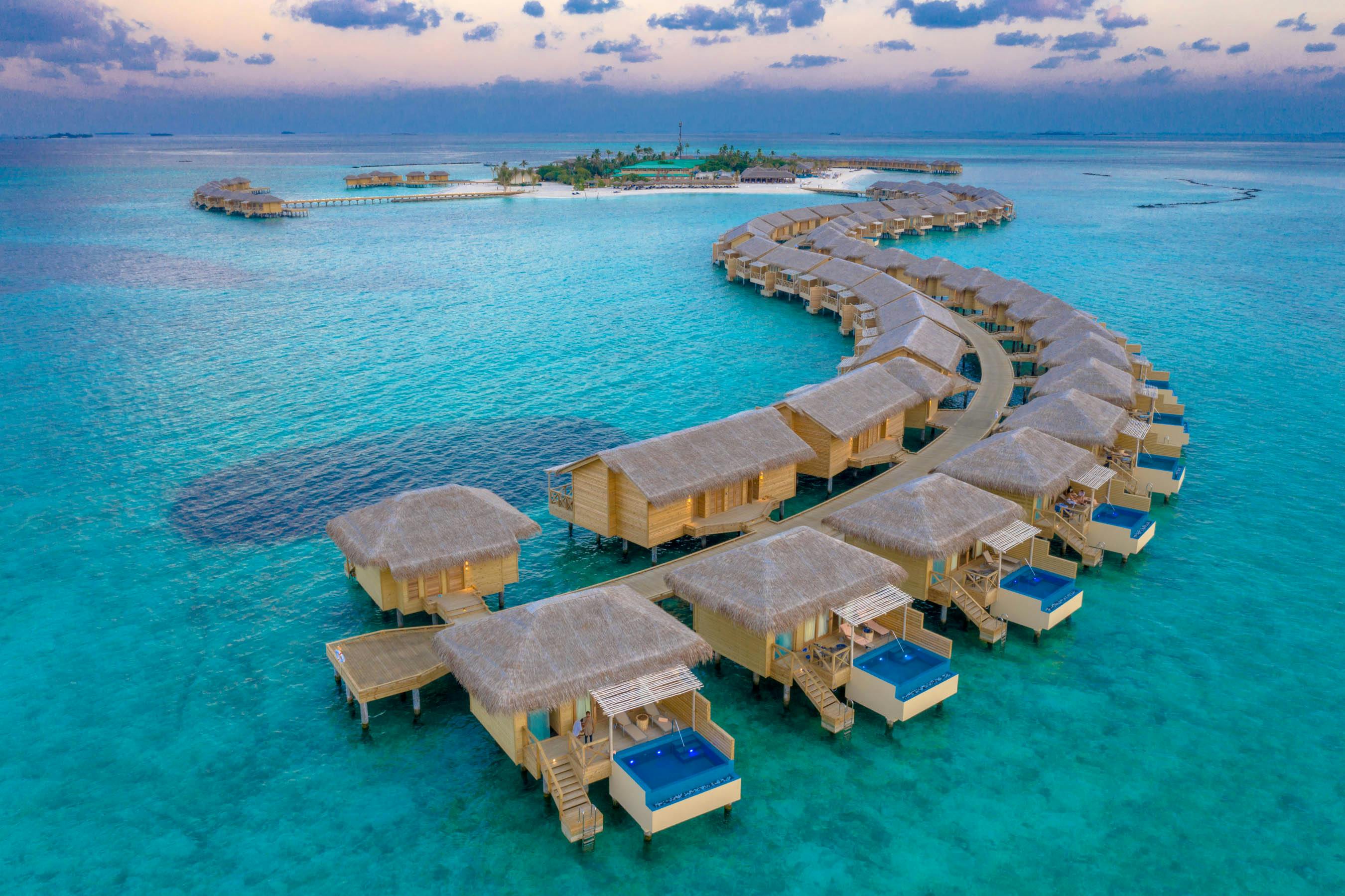
Common Mistakes to Avoid
- Assuming every overwater room is truly overwater.
- Buying the photo instead of the property.
- Ignoring weather and sea conditions.
- Forgetting that service quality changes over time.
- Overlooking the cost of transfers and add-ons.
- Believing every luxury label without checking the build.
Let’s be real. A lot of travel advice online is recycled fluff. “Best ever.” “Unforgettable.” “Once in a lifetime.” That language is cheap. The real test is whether the villa is built well, staffed well, and maintained well. If those pieces are missing, the rest is theater.
I also think travelers make one psychological mistake more than any other: they confuse rarity with excellence. Rare is not automatically good. A poorly designed water bungalow is still poorly designed, even if it is expensive and hard to book. Scarcity increases desire, not merit.
Another mistake is ignoring how much the setting matters. A villa in a lagoon with calm, clear water is a different proposition from one facing choppy conditions or a less attractive part of the shoreline. If you want quality signals from the wider travel market, Luxury Travel Advisor often covers the operational side of premium resorts better than the marketing material does.
Most luxury nonsense collapses under scrutiny. That is the truth. The best resorts respect materials, staff, and guests. They do not hide behind buzzwords. They serve breakfast on time, keep the deck clean, and build structures that do not feel flimsy after one season of salt air.
Frequently Asked Questions
Are Caribbean overwater bungalows worth it?
Yes, if you want privacy, direct sea access, and a shorter trip from North America. They are worth it only when the resort genuinely delivers on design, service, and location.
Which Caribbean resort is best known for water villas?
Royalton Antigua is often the best-known name in the region for this category, but it should still be compared with other properties on room design, privacy, and maintenance.
Are overwater bungalows safe in the Caribbean?
Generally yes at reputable resorts. Still, check the build quality, weather season, and access conditions, because safety is not something to assume.
When should I book?
Book early for peak season. If you want better value, shoulder seasons can be smart, provided you are comfortable with more variable weather.
For more context on premium island stays, see Forbes Travel Guide’s overwater bungalow coverage and Travel + Leisure’s guide. Those sources help separate genuine quality from glossy exaggeration.
One final note: these rooms are not just about romance or status. They are about how a place can slow the body and quiet the mind when it is designed with care. That is why people remember them.
The best Caribbean overwater bungalow is not the loudest, the most photographed, or the one with the cleverest slogan. It is the one that gets the basics right, protects the setting, and gives you a room that feels like it belongs on the water. That kind of excellence is rare, and frankly, it should stay that way.
When I think about real luxury, I do not think of excess for its own sake. I think of order, skill, and a bit of beauty that points beyond itself. A well-made villa does that quietly. It does not sermonize. It just works.