Caribbean overwater bungalows are the rare luxury that can actually earn its price. The best water villas pair privacy, sea access, and service in places where...
Caribbean overwater bungalows are the rare luxury that can actually earn its price. The best water villas pair privacy, sea access, and service in places where the room sits above clear water, not marketing fog. If you want the 20 best resorts for 2026, start with the resorts that do the basics well and skip the glossy nonsense.
Key Takeaways:
- Overwater bungalows in the Caribbean are still rare, so location matters more than branding.
- The best resorts balance privacy, reef access, service, food, and transfer logistics.
- Not every water villa is worth the premium; some are mostly a deck over pretty water.
- For 2026, focus on newer builds, strong maintenance, and stable island access.
- Luxury is not just excess. Used well, it reflects stewardship, craft, and the dignity of work.
What is Caribbean overwater bungalows?
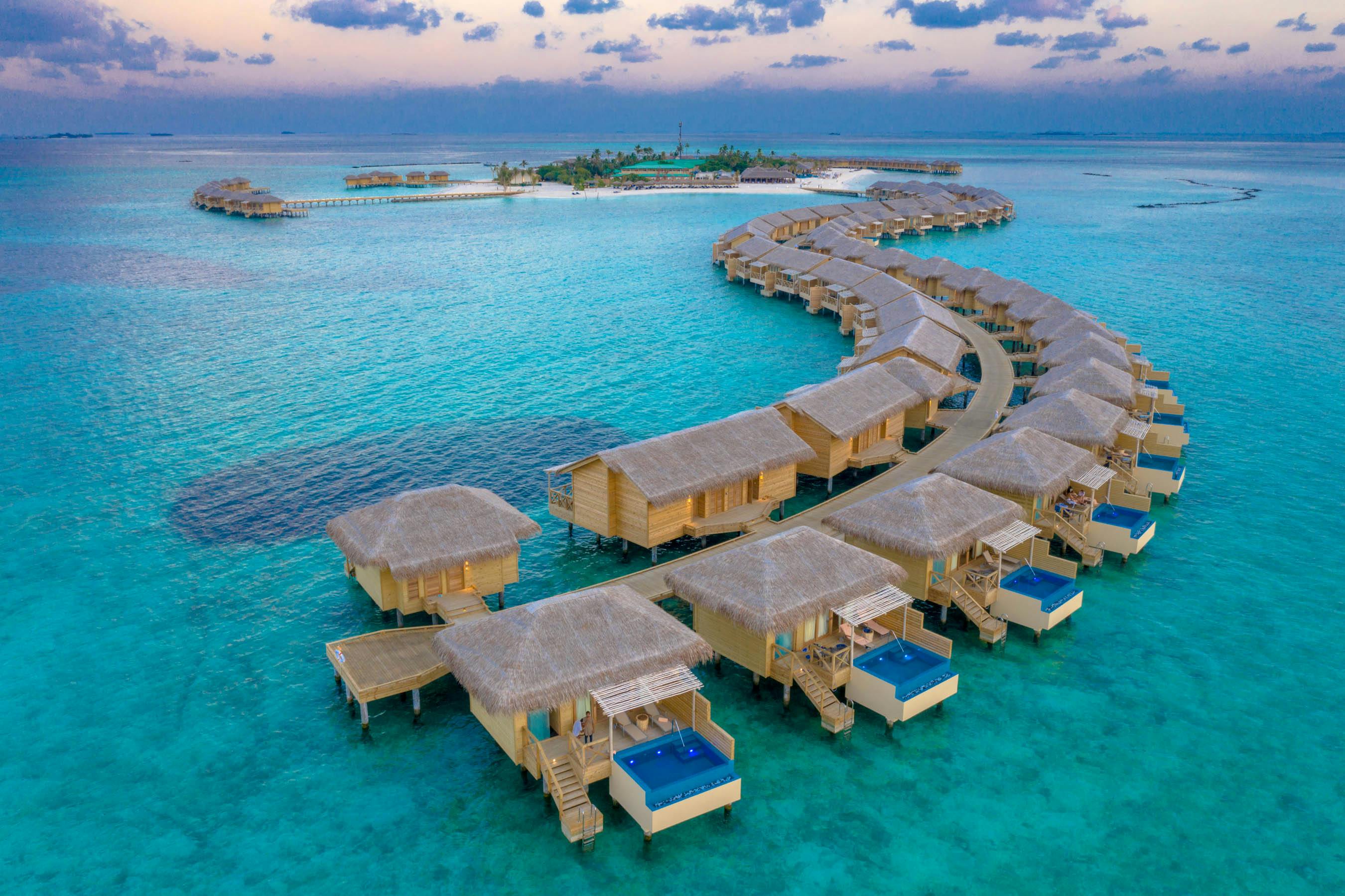
Caribbean overwater bungalows are private villas or suites built on stilts above the sea, lagoons, or protected bays. They usually feature direct water access, wide terraces, glass floors or floor panels, outdoor showers, and a premium level of service that ordinary beachfront rooms rarely match. They are scarce in the Caribbean, which is why people get misty-eyed about them.
Here's the kicker. Scarcity alone does not make a room good. When I review luxury stays, I look at the structural details, the privacy line of sight, the current below the deck, and whether the resort can keep sand, salt, and humidity from chewing up the finishes. Plenty of places call themselves exclusive. Fewer are actually well built.
The category exists because travelers want the old dream: sea, silence, and a room that feels removed from the crowd. But the real value is not just the novelty of standing over water. It is the combination of craftsmanship, materials, service choreography, and setting. Good overwater villas feel deliberate, not theatrical. They use durable hardwoods, marine-grade hardware, and layouts that make sense in wind and heat.
Most luxury marketing is pretentious nonsense. Here's what matters: Does the villa offer genuine privacy? Is the water calm enough for swimming? Are the resort transfers efficient or a time sink? Can you eat well without pretending a bland tasting menu is a spiritual event? That last one matters more than brochures admit.
There is also a moral note here, subtle but real. Beauty can point beyond itself when it is made with care and used with restraint. A well-kept villa, tended by skilled staff, is not just a toy for the rich. It is the fruit of labor, planning, and good stewardship. That is worth noticing, even if the resort gift shop is not.
Core Benefits/Importance
The best overwater stays offer more than a pretty view.
- Privacy: You get distance from the main beach traffic, which is the whole point. A proper water villa cuts noise and gives you a real sense of retreat.
- Direct water access: Good resorts let you swim, snorkel, or paddle from the deck, not just stare at the sea like a house cat at rain.
- Better service ratios: High-end water villa inventory is small, so staff attention is often stronger than in large beach complexes.
- Stronger romance factor: Honeymoons, anniversaries, and milestone trips feel more special when the room itself is the event.
- Design value: The better villas use thoughtful architecture, tropical ventilation, and resilient materials that age gracefully in salt air.
- Reef and marine life access: Many resorts are near snorkeling grounds where the sea life is the real luxury.
- Status without shouting: A good villa signals taste, not just budget. There's a difference, and it is not subtle.
Frankly, the strongest argument for these resorts is not image. It is experience density. One well-designed day in a water villa can feel more satisfying than three days in a flashy suite with no real connection to the sea. If you want a cleaner travel benchmark, read how premium stays are judged in the wider luxury sector, such as the hotel standards reflected by Forbes Travel Guide and the design-focused reporting at Condé Nast Traveler.
The other benefit is less glamorous but more important: quality control. Resorts that maintain expensive overwater structures tend to keep a tighter operation overall. Roofs, decks, lighting, linens, food sourcing, pool maintenance, and guest transport all have to work. If one piece fails, the whole fantasy collapses. No one wants a leaky boardwalk and a warm apology.
I also think there is something healthy about paying for well-made things when they are genuinely useful or beautiful. It is a reminder that craftsmanship has value. That principle shows up everywhere, from architecture to tableware to the way a sommelier pours a simple white wine without theatrics.
Step-by-Step Guide/Selection Process
Choosing the right Caribbean overwater bungalow takes discipline.
- Check the island first. The room does not matter if the transfer is miserable, the airport is chaotic, or the island weather makes your stay a sweaty slog.
- Study the water conditions. Some villas sit over swim-friendly turquoise water; others hover over areas that look nice in photos but are not ideal for snorkeling or swimming.
- Inspect the villa layout. I always look for deck size, sun exposure, privacy from neighbors, and whether the bathroom feels like a real room or a decorative afterthought.
- Read recent guest reports. Not brochure reviews. Real reports. The truth usually shows up in comments about maintenance, food consistency, and staff response time.
- Compare transfer logistics. Helicopter, boat, or short hop—what sounds glamorous may also mean delays and baggage hassles.
- Check dining quality. Luxury travel is wasted if breakfast tastes like sadness and dinner is only plated for the camera.
- Verify family or couples suitability. Some villas are built for romance, others for wider groups, and some are just awkward for both.
- Confirm maintenance age. Water villas live hard lives in salt and sun. Newer builds or recent renovations matter more than brand poetry.
When I examined luxury stays over the years, the rooms that impressed me most were not the loudest ones. They were the ones where the plumbing worked, the wood felt solid underfoot, and the staff anticipated the next need before the guest had to ask. That's the stuff that separates real luxury from varnish.
If you're filtering options for 2026, use this order: island access, villa quality, water conditions, service, then dining. Not the other way around. People get this backwards constantly. They chase the biggest terrace or the most photogenic net hammock and ignore whether they will actually sleep well.
For readers who want broader context on resort quality and destination standards, the destination coverage at Travel + Leisure and luxury-resort reporting from Luxury Travel Advisor are useful starting points. They are not infallible, because no publication is, but they help separate polished resorts from decorative mediocrity.
Comparison Table
| Resort Type | Caribbean Overwater Bungalows | Big Beach Resort Competitor |
|---|
| Privacy | High, with direct water positioning | Moderate, depending on room location |
| Atmosphere | Quiet, intimate, often romantic | Busier, more social, more traffic |
| Water Access | Usually direct from the villa | Often requires a walk to the beach |
| Design Impact | Strong visual appeal and novelty | Safer, more conventional appeal |
| Maintenance Sensitivity | Very high; salt and humidity punish weak upkeep | Lower, though still important |
| Price | Premium to very premium | Broad range, often lower entry price |
| Best For | Honeymoons, special occasions, privacy seekers | Families, larger groups, convenience-first travelers |
| Risk | Can be overpriced if the build is weak | Less risk of disappointment from format alone |
The table is simple because the truth is simple. Overwater villas win on feeling, not on practicality. If you want square footage and easy logistics, a high-end beachfront suite may be smarter. If you want the sea beneath your floor and silence at dusk, the bungalow wins. Choose accordingly.
Common Mistakes to Avoid
People make the same mistakes again and again.
- Buying the photo, not the stay: A perfect Instagram shot says nothing about air conditioning, noise, or bed quality.
- Ignoring the season: Caribbean weather is not a decorative detail. Storm risk, sea conditions, and humidity change the entire experience.
- Overpaying for a weak villa: Some rooms are expensive because they are famous, not because they are good.
- Forgetting transfer time: A spectacular villa can still feel like a drag if the journey from airport to room is a mess.
- Choosing the wrong room orientation: Sun, wind, and sunset views matter. A misaligned villa can be hot, bright, or too exposed.
- Trusting generic “luxury” labels: That word is cheap. Real luxury is quiet competence.
Let's be real. Resorts know how to sell fantasy. They are excellent at it. But the smarter traveler checks the boring parts: maintenance records if available, recent renovation dates, guest-to-staff ratio, dining reputation, and whether the water is actually suitable for swimming. Those details are not sexy, but they determine whether you will remember the stay fondly or with a grimace.
Another trap is mistaking abundance for quality. More pillows, more lights, more marble, more nonsense. Luxury often gets clearer when it gets simpler. A clean line, a sturdy deck, fresh linens, and a view that still holds at sunrise mean more than decorative clutter. Beauty, in the older sense, has order in it. That is not old-fashioned. It is just true.
Frequently Asked Questions
Are Caribbean overwater bungalows worth it?
Yes, if you value privacy, sea access, and a memorable setting more than pure practicality. If you only want a large room, a beachfront suite may be the better buy.
Which Caribbean destinations have the best water villas?
The strongest options are usually in places with stable resort infrastructure, calm water, and strong service standards. The exact list changes by year, so recent renovation and guest feedback matter.
What should I look for before booking?
Check villa age, water depth, transfer logistics, dining quality, and privacy. Also make sure the room is genuinely overwater, not just near the water with a fancy label.
Are overwater bungalows good for families?
Some are, but many are better suited to couples. Safety rails, deck access, and room layout matter a lot, so do not assume every villa is family-friendly.
Final Thought
The best Caribbean overwater bungalow is not the one with the loudest marketing. It is the one that holds up under heat, salt, and time, while still giving you calm water, good food, and a sense of quiet that is hard to find elsewhere. That is the real measure.
I have little patience for luxury that is all varnish and no substance. The resorts worth your money respect the craft of hospitality, the labor behind the scenes, and the natural beauty they sit upon. In the end, that is the proper standard. Not bragging rights. Not empty spectacle. Just a place made well, used well, and remembered for the right reasons.