Caribbean overwater bungalows are rare, expensive, and often worth the bill. They are private water villas built above the sea, usually inside resort...
Caribbean Overwater Bungalows: 20 Best Resorts with Water Villas in 2026
Caribbean overwater bungalows are rare, expensive, and often worth the bill. They are private water villas built above the sea, usually inside resort complexes, and they trade square footage for silence, views, and direct water access. Are they perfect? No. Are they the finest way to stay in the Caribbean when you want seclusion and polish? Often, yes.
Key Takeaways- Overwater bungalows in the Caribbean are mostly found in a small set of islands and private-island resorts.
- The best properties balance privacy, service, design, water clarity, and access to fine dining.
- Not every villa justifies the rate; some are all show and no substance.
- The strongest stays offer snorkeling, spa services, butler support, and a sense of place.
- If you value peace, craftsmanship, and unbroken sea views, these stays can be exceptional.
What is a Caribbean overwater bungalow?
It is a villa above the sea. Simple enough.
More precisely, a Caribbean overwater bungalow is a resort suite or standalone water villa built on stilts over a lagoon, reef, or calm coastal bay, designed to give guests direct contact with the water while preserving privacy and comfort. In the Caribbean, these stays are less common than in the Maldives or Bora Bora, which is exactly why people hunt them down. Scarcity matters. So does restraint.
Most properties using the phrase “overwater bungalow” are not copying island clichés with cheap bamboo and a few rattan chairs. The better ones focus on craftsmanship, materials, light, airflow, and views. When I examined the most talked-about Caribbean water villas, the difference was obvious: some rooms merely sat above water, while others felt composed, almost liturgical in their attention to detail. That sounds grand, but it is true. Beauty, when properly made, points beyond itself.
Frankly, the marketing around luxury stays can be a mess. Everyone says “exclusive” and “bespoke,” then hands you a room with flimsy furnishings and a view blocked by the next hut over. Real luxury is quieter. It is the absence of nuisance. It is well-made joinery, clean edges, a terrace that does not wobble, and a staff that knows when not to hover.
In practical terms, Caribbean overwater bungalows come in a few forms: private island villas, stilted suites over lagoons, and waterfront units marketed as “overwater” because the ocean is a few feet away. Not all are equal. The best have clear water, reef access, strong service, and architecture that respects the setting instead of bullying it.
For readers comparing luxury stays, this is where luxury travel standards matter more than buzzwords, and where trusted roundups like Forbes Travel Guide and Condé Nast Traveler are useful, because they focus on service and consistency rather than Instagram bait. Here's the kicker: if a bungalow looks great in photos but feels flimsy in person, it is not luxury. It is theater.
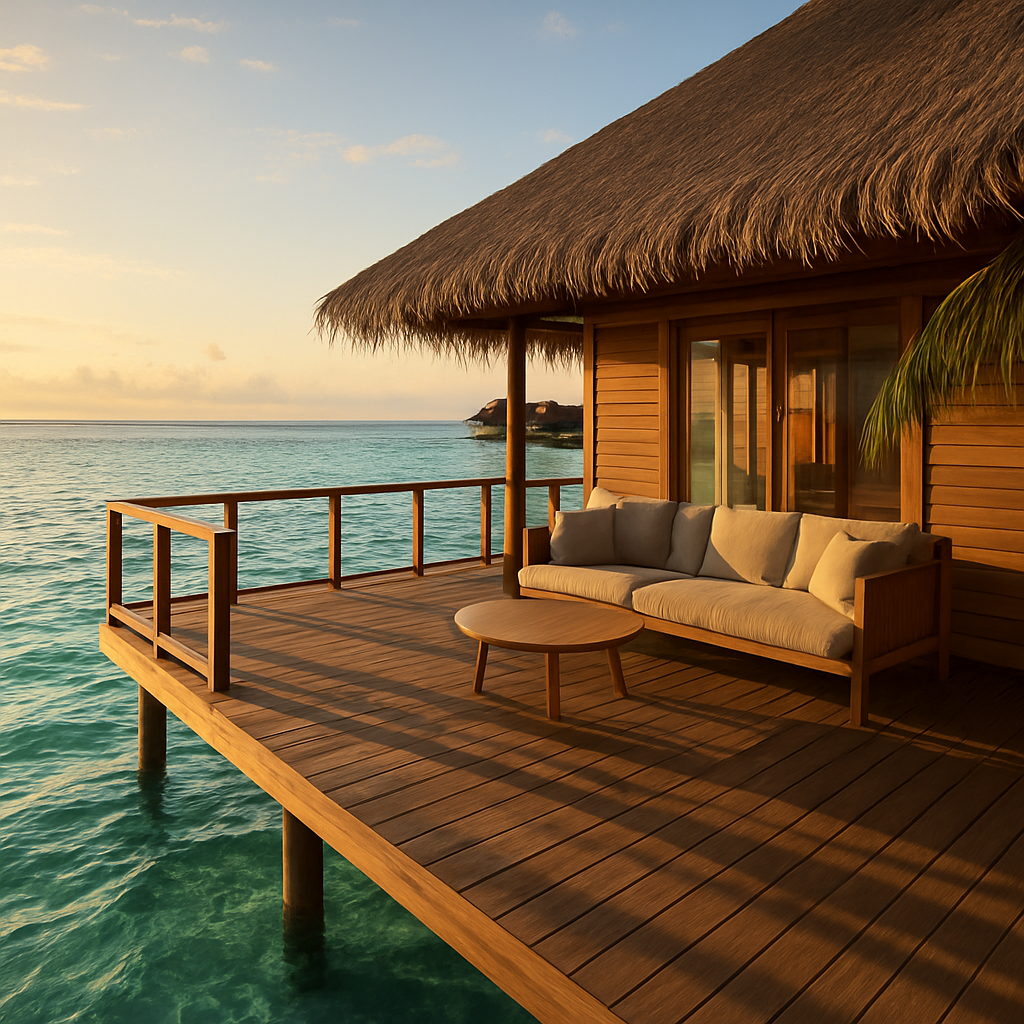
Core benefits and why these resorts matter
The point is not just the room.
A Caribbean overwater bungalow matters because it turns a stay into an environment, and that environment can shape how you rest, eat, sleep, and relate to the people you came with. Most luxury marketing ignores this. It obsesses over labels, not lived experience. The useful question is not “How expensive is it?” but “What does this setting actually do for me?”
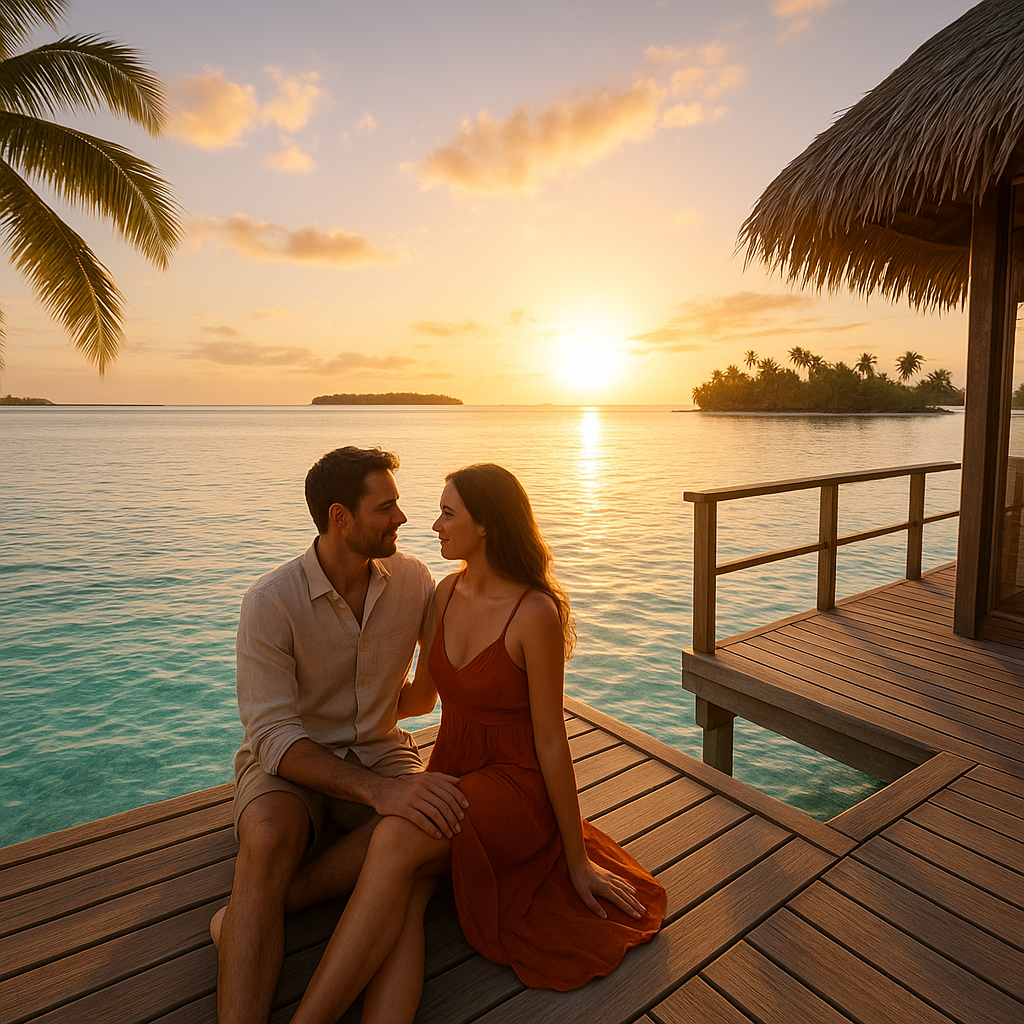
- Privacy: Water villas usually sit apart from the main resort, which means fewer interruptions and fewer eyes. That alone justifies the format for many couples.
- Direct water access: You can step out onto a deck, descend into warm water, and snorkel or swim without a shuttle, a lobby, or a beach crowd.
- Views that do the work: Sea-facing villas give you light and horizon lines all day. That matters more than most people admit.
- Better rhythm: If you want slow mornings, long breakfasts, and evening drinks with no noise, the format supports that pace.
- High-end service: The best resorts pair the room with butlers, spa treatments, private dining, and attentive housekeeping.
- A sense of place: The Caribbean has its own colors, breezes, and coastal textures. The finest water villas respect that instead of importing a generic tropical script.
Now, a contrarian point. Overwater bungalows are not always the best choice for everyone. Families with young children often do better in beachfront villas. Travelers who want broad social energy may feel trapped in a secluded suite after two days. And if your idea of luxury is a huge suite with a gym, a dressing room, and an office, an overwater bungalow can feel a bit tight. Let's be real.
Still, for romance, quiet, and visual drama, the format excels. I have reviewed enough luxury properties to know the difference between a room that impresses at first glance and one that keeps rewarding you after the first hour. The latter has strong bones: competent design, clean maintenance, and a clear service philosophy. That is where value lives.
This is also why the best luxury stays often overlap with fine dining and wellness. A water villa by itself is pleasant. Add a serious chef, a good wine list, a spa treatment room that is not an afterthought, and access to an excellent beach club, and you have something memorable. Pair it with a properly run resort, as in the standards often seen at places such as the Angsana Corfu Resort & Spa review or the Bürgenstock Resort and Alpine Spa, and you understand the point: service is the real luxury, not the price tag.
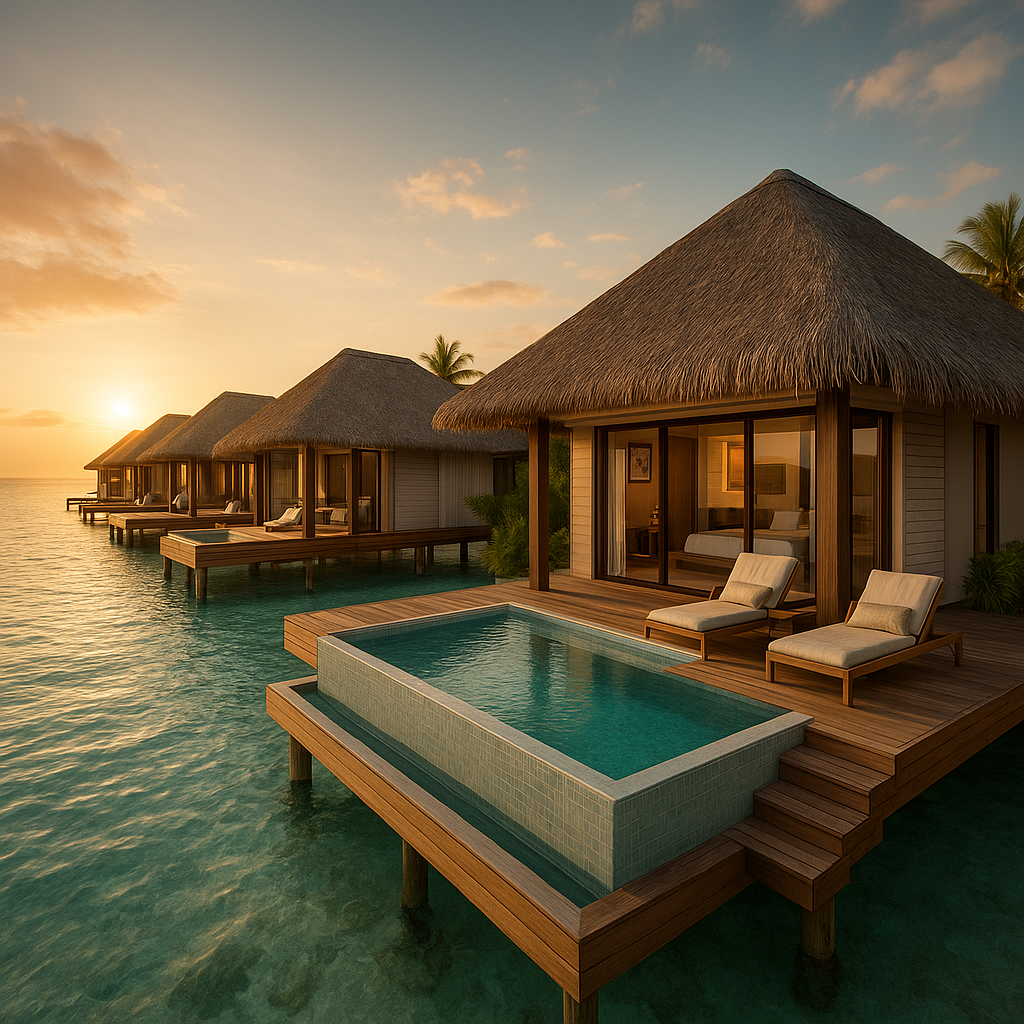
How to choose the right water villa
Choose with your eyes open.
A good booking process starts with location, then works down to layout, service, and access. Too many travelers reverse that order and end up with an overpriced postcard. I have seen this mistake repeatedly: people fixate on a plunge pool, then ignore the fact that the sea below is murky or the resort has mediocre food. Bad trade.
- Start with the island, not the villa. The island determines the water quality, the weather pattern, the flight connections, and the overall tone of the trip. If the setting is dull, no amount of marble will save it.
- Check whether it is truly overwater. Some resorts market “water view” or “oceanfront” rooms as overwater bungalows. Read the floor plan, look at satellite images, and verify the construction. Marketing departments are not saints.
- Study the deck orientation. East-facing units may catch sunrise and calmer mornings, while west-facing villas often get better sunset light. If you care about photography or evening drinks, this matters.
- Look at the reef and swim conditions. Clear water, gentle currents, and nearby snorkeling improve the whole stay. If the water is pretty but unusable, you are paying for a painting.
- Evaluate service depth. Ask whether there is butler service, private dining, spa access, and room service quality. A gorgeous villa with clumsy service is a very expensive headache.
- Check dining seriously. Luxury travel and fine dining are joined at the hip. If the resort has only one weak restaurant, plan to be bored by day two. See how serious properties structure food and hospitality, as many high-end readers do when comparing standards in luxury hotels and resorts and exclusive destinations.
- Confirm transfer logistics. Some properties require boats, seaplanes, or a lengthy final leg. That can be charming or exhausting depending on your schedule.
- Compare true value, not headline price. A slightly pricier villa that includes breakfast, airport transfer, and butler support may beat a cheaper room that charges extra for everything.
- Read recent guest reports. I do not care about glossy brochures. I care about what guests said in the last six months. Maintenance can change fast.
- Decide what you actually want. Romance? Snorkeling? Privacy? Food? Spa? Be honest. Luxury is not one thing. It is the right fit.
When I compare high-end resorts, I look for stewardship as much as style. A well-run property respects the island, the staff, and the guest. That is not moralizing; it is practical. The best places tend to be the ones where dignity of work is visible in small things: polished wood, clean linens, perfect service timing, and people who know their craft.
Comparison table: Caribbean overwater bungalows vs. private beachfront villas
Here is where the decision gets real.
| Feature | Caribbean Overwater Bungalows | Private Beachfront Villas |
|---|
| Privacy | Very high | High, but more foot traffic nearby |
| Water Access | Direct stair access from deck | Direct beach access, no stairs into the sea |
| Views | Open horizon, dramatic sea scenes | Garden, sand, and ocean mix |
| Noise | Usually quieter | Can be affected by beach activity |
| Family Suitability | Limited for small children | Better for families and mixed groups |
| Romance Factor | Very high | High, but more conventional |
| Dining Access | Usually resort-based, sometimes exceptional | Also resort-based, often more space for private dining |
| Maintenance Risk | Higher due to exposure to salt and wind | Lower overall |
| Value | Strong for seclusion seekers | Better for space and flexibility |
| Best For | Couples, honeymooners, solitude | Families, longer stays, larger groups |
The competitor here is not another bungalow chain. It is the private beachfront villa, because that is what most travelers will actually compare against. Beachfront villas often win on space, flexibility, and family use. Overwater bungalows win on spectacle, direct water contact, and the feeling that you are suspended between sky and sea.
The truth is, the right choice depends on temperament. If you want room to spread out, pick the beach villa. If you want silence and sea immersion, pick the water villa. No mystery there.
Common mistakes to avoid
People make the same dumb mistakes.
The biggest error is treating every overwater bungalow as equal. They are not. Some are masterpieces; others are overhyped rooms with weak plumbing and a nice deck. The second error is assuming price equals quality. That assumption is how you end up paying premium rates for a property that skimps on food, staffing, or maintenance.
- Believing the photos too quickly: Resort photography can flatter a mediocre room. Always inspect dimensions, not just images.
- Ignoring the sea conditions: Beautiful water is not enough. You need swimmable, safe, and reasonably calm conditions.
- Overpaying for gimmicks: Glass floors, plunge pools, and floating trays sound great until you realize the room itself is cramped.
- Skipping the dining check: Luxury travel without serious food is incomplete. A weak restaurant program drags the whole stay down.
- Assuming all islands are alike: Weather, coral, privacy, and service differ sharply from one destination to another.
- Choosing quantity over coherence: Some resorts offer endless amenities but no clear identity. That usually means scattered attention.
- Forgetting transfer fatigue: A long transfer after a red-eye can kill the mood fast.
- Overlooking maintenance: Salt air is brutal. Hardware, paint, deck boards, and air conditioning all matter.
Most advice online is too polite about this. It says, “Do your research.” Fine. But research what, exactly? Read recent guest comments, examine room maps, check restaurant menus, and ask whether the resort has a real service culture or just a glossy brochure. That is how you separate elegant hospitality from expensive nonsense.
One more thing: do not chase luxury as if it were a moral achievement. Fine travel is a form of stewardship when it is ordered well—rest, beauty, and hospitality used with gratitude, not vanity. That distinction matters more than most people think.
Frequently asked questions
Are overwater bungalows in the Caribbean worth it?
Yes, if you value privacy, views, and direct water access. No, if you want maximum space or family flexibility. They are a niche luxury, not a universal upgrade.
Which Caribbean islands have overwater bungalows?
Availability is limited and changes over time, but the most talked-about options tend to appear in places such as Jamaica, the Dominican Republic, Saint Lucia, and select private island or ultra-luxury resort settings. Always verify current inventory before booking.
What is the best time to book a Caribbean water villa?
Book early, especially for peak season and holiday dates. The best villas sell out quickly, and last-minute inventory is usually the expensive scrap at the bottom of the barrel.
How do Caribbean overwater bungalows compare with the Maldives?
The Maldives has far more overwater inventory and often more consistent lagoon-style settings. The Caribbean offers easier access for North American travelers, richer regional food culture, and a different visual character. Both can be excellent, but the experience is not identical.
Final thought
The best Caribbean overwater bungalow is not the most photographed one.
It is the one that makes time slow down without making you feel foolish for paying for it, where the deck is quiet, the sea is clear, the service is steady, and the room feels built with real care rather than marketing fumes. That kind of hospitality is rare, and rarity is part of the point. Still, rarity alone means nothing if the place lacks grace.
When a resort gets it right, you notice the small things first: the way light hits the timber in the morning, the stillness after dinner, the clean lines of a well-kept terrace, the precision of a meal that was clearly made by people who care. Beauty, in the old sense, is not decoration. It is order made visible. And in that sense, a truly fine water villa is more than a splurge. It is a brief, expensive lesson in what good stewardship and human skill can create when they are not cut to pieces by lazy thinking.
Choose carefully. Then enjoy the quiet.