Caribbean overwater bungalows are the rare hotel rooms that actually justify the hype. They put you above clear water, let the sea set the pace, and turn a...
Caribbean overwater bungalows are the rare hotel rooms that actually justify the hype. They put you above clear water, let the sea set the pace, and turn a room into an experience instead of a checkbox. The trick is simple: the best ones combine location, privacy, service, and honest construction quality—not just pretty photos.
Key Takeaways:
- Overwater bungalows in the Caribbean are still scarce, which keeps demand high.
- The best resorts pair real comfort with strong service, not just novelty.
- Water clarity, reef access, and privacy matter more than gimmicks.
- Some villas are worth the premium; others are just expensive staging.
- In 2026, the smartest buyers compare transfer times, weather exposure, and inclusions before booking.
What is Caribbean Overwater Bungalows: 20 Best Resorts with Water Villas (2026)?
Caribbean overwater bungalows are villas or suites built on stilts above the sea, usually with direct water access, a private deck, and wide views of the reef, lagoon, or open bay. Sounds simple. It isn't. The difference between a fine stay and a silly one often comes down to craftsmanship, placement, and how the resort treats maintenance. I've reviewed enough luxury stays to say this plainly: a water villa without quiet, shade, and service is just a pricey raft.
These rooms are part architecture, part theater, part practical shelter. They work when they respect the setting. They fail when they treat the ocean like a prop. The best Caribbean properties know this. They use local materials where possible, keep sightlines open, and avoid the clunky excess that makes some resorts feel like floating conference rooms. Beauty matters, but it needs discipline. That is not a fashionable idea in hospitality, yet it is the right one.
The appeal is partly visual, of course. Beauty matters. Not in the glossy, fake way magazines sell it, but in the older sense: proportion, order, and rest. When a resort is built well, it reflects stewardship rather than waste. That's a rare thing in hospitality, and frankly it should be more common. Guests are not paying only for square footage; they are paying for time, silence, and a view that resets the mind.
Still, the category has limits. The Caribbean does not have the same density of overwater inventory as the Maldives or Bora Bora, and that scarcity shapes both quality and price. That scarcity can help the guest. It keeps the best properties selective and forces them to earn the rate. It also means some resorts market overwater rooms as luxury while delivering thin walls, bumpy transfers, and generic service. Here’s the kicker: a lot of luxury branding is just shiny paint.
For readers who want background on how luxury hotels are judged beyond the brochure, Forbes Travel Guide remains useful, and the Caribbean Tourism Organization offers broader destination context at OneCaribbean.org. I use those as starting points, not scripture. Real evaluation still happens on the ground, where staff competence, upkeep, and honest design decide the score.
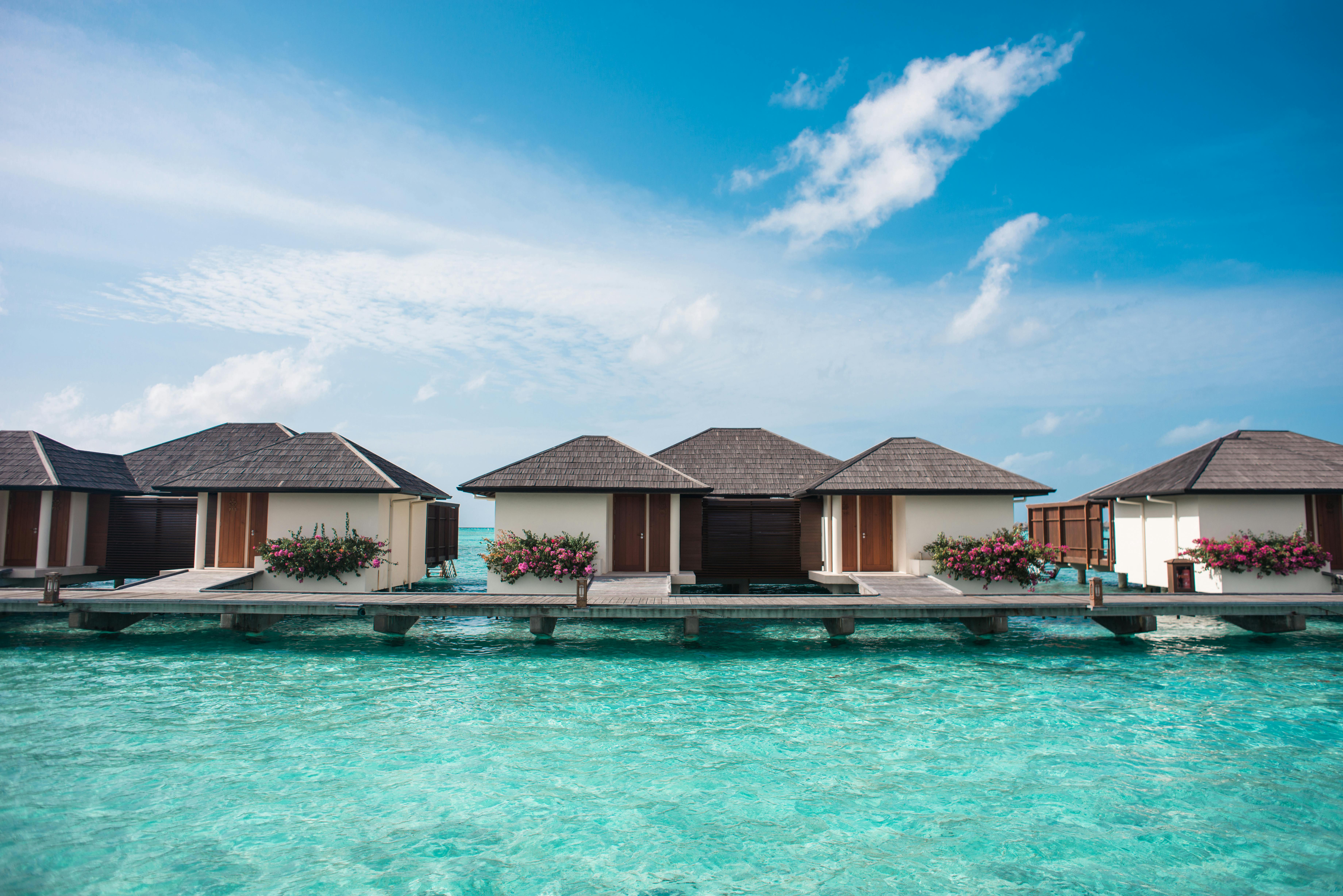
The strongest Caribbean water villas tend to sit in calm lagoons, sheltered bays, or protected reef zones. They offer swim ladders, glass floors, sunset decks, and butler service, but the real value is less obvious. Good acoustics. Clean housekeeping. Food that arrives hot. Snorkeling that starts at your doorstep. These details matter more than the brochure copy ever admits. The dignity of work shows up here too—housekeepers, chefs, boat captains, and maintenance staff keep the place beautiful, day after day.
Key takeaways again, because this stuff gets muddled:
- Location beats marketing.
- Build quality beats flash.
- Service beats image.
- Privacy beats crowd appeal.
- Reef access beats empty promises.
If you compare properties carefully, the right bungalow becomes more than a room. It becomes a quiet kind of luxury: ordered, useful, and pleasant without being vulgar. That is rare, and worth paying for.
Core Benefits and Why These Water Villas Matter
Caribbean overwater bungalows matter because they change the rhythm of a trip. You wake to tide movement instead of traffic noise. You step from bed to deck in seconds. You eat, read, swim, and nap without the usual resort friction. That sounds indulgent, and it is. But good luxury should reduce friction, not create it. If a property cannot do that, what exactly are you buying?
The first real benefit is privacy. A well-placed water villa gives you distance from pool crowds and buffet traffic. That matters more than people admit. The second benefit is direct marine access. In the best settings, you can snorkel from your own steps or watch rays move under your floor panel. The third is emotional: these rooms create stillness. Not fake wellness nonsense. Actual stillness. That kind of quiet can be restorative in a way a flashy suite never will be.
Here’s what nobody tells you: not every luxury traveler wants activity. Many want permission to stop. A good overwater bungalow offers that permission without apology. It is a room that says, stay put, breathe, and let the water do its work. That lines up, in a modest way, with a Catholic sense of ordered rest and gratitude for beauty as a gift, not a trophy.
The most practical benefits are easy to list:
- Direct water access for swimming and snorkeling.
- Better views than most beachfront rooms can offer.
- Higher perceived exclusivity, which can improve service attention.
- Ideal privacy for couples, anniversaries, and quiet retreats.
- Stronger resale or demand value in peak seasons at select resorts.
But let's be real. Not every “premium” feature matters. Some resorts brag about glass floors, outdoor tubs, or giant plunge pools that nobody uses because the wind is rough or the heat is punishing. I care more about shaded seating, strong air conditioning, and a deck that stays comfortable at noon. Small thing? Not at all. It decides whether you enjoy the room or merely photograph it.
For travelers comparing standards, the Leading Hotels of the World and Mandarin Oriental sites offer a good sense of what disciplined service looks like, even if their Caribbean presence is different from classic bungalow resorts. Luxury, at its best, is measured in consistency. That is boring to say and essential to know.
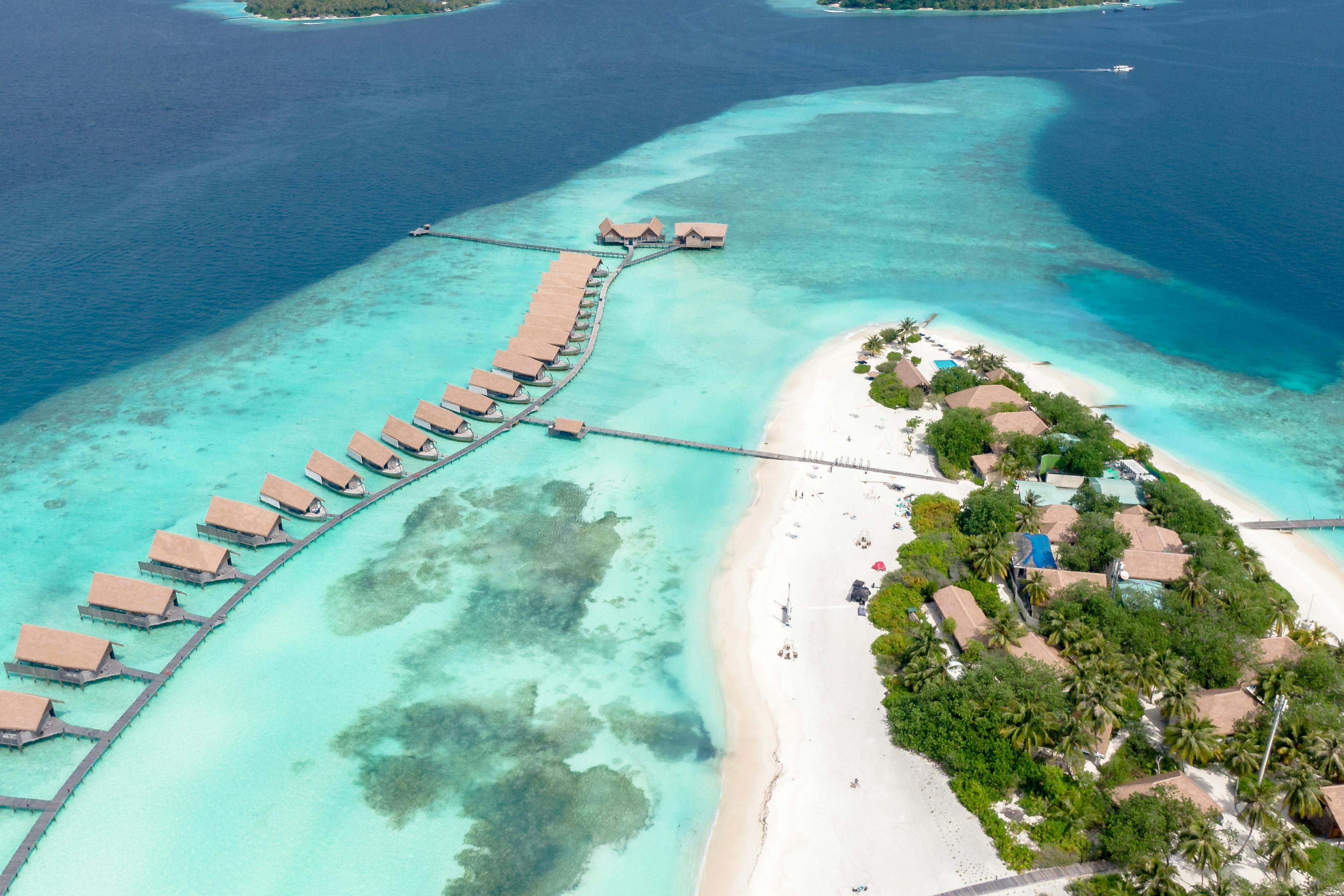
When I examined luxury stays across the region, the winners had one thing in common: they respected the guest's time. Check-in was efficient, transfers were smooth, dinner reservations were handled, and the room was ready when promised. That may sound basic. It is. And basic competence is still the rarest luxury of all.
Step-by-Step Guide to Choosing the Right Resort
Choosing the right Caribbean overwater bungalow is not hard if you ignore the marketing circus. Start with the water, then the room, then the resort. Most people do that backwards. They fixate on the chandelier and ignore the current. Silly, really.
- Check the water conditions first. Calm lagoons and protected bays usually beat exposed coastlines. If the sea is choppy or murky, the overwater fantasy collapses fast.
- Study the room orientation. Sunset views sound romantic, but hot afternoon sun can turn a deck into a skillet. I prefer shade options, cross-breeze, and a practical layout over dramatic but uncomfortable design.
- Review the transfer logistics. Some Caribbean villas require boat rides, domestic flights, or both. The arrival should feel smooth, not like a field test in wet luggage.
- Read recent guest reviews with a sharp eye. I ignore generic praise. I look for repeated mentions of service speed, maintenance, food quality, and noise.
- Compare what is actually included. Breakfast, airport transfers, butler service, snorkeling gear, and airport lounge access can change the value equation more than the nightly rate suggests.
- Ask about weather exposure. Some water villas sit in glorious spots but catch too much wind. Others are sheltered and calmer, which matters if you plan to sleep with doors open.
- Assess food standards. A beautiful villa with mediocre dining is still a compromise. Fine dining should not feel like a cruise buffet in evening wear.
The selection process becomes easier when you compare candidates side by side. I tend to ask one blunt question: would I stay here if the novelty were removed? If the answer is no, the place is probably all costume and no substance. That is the point where many luxury buyers get fooled. They buy the story, not the stay.
Also, pay attention to maintenance. Salt air is brutal. Wood warps, metal corrodes, and decks age quickly if the property is lazy. A resort that keeps its water villas sharp over time deserves respect. That takes labor, planning, and care—the sort of unglamorous work that luxury brands love to hide but depend on completely.
For destination planning, official tourism pages such as Visit Barbados and Visit Jamaica can help with entry rules, seasonal notes, and local context. Those are practical tools, not inspiration boards. Use them. They save money and prevent headaches.
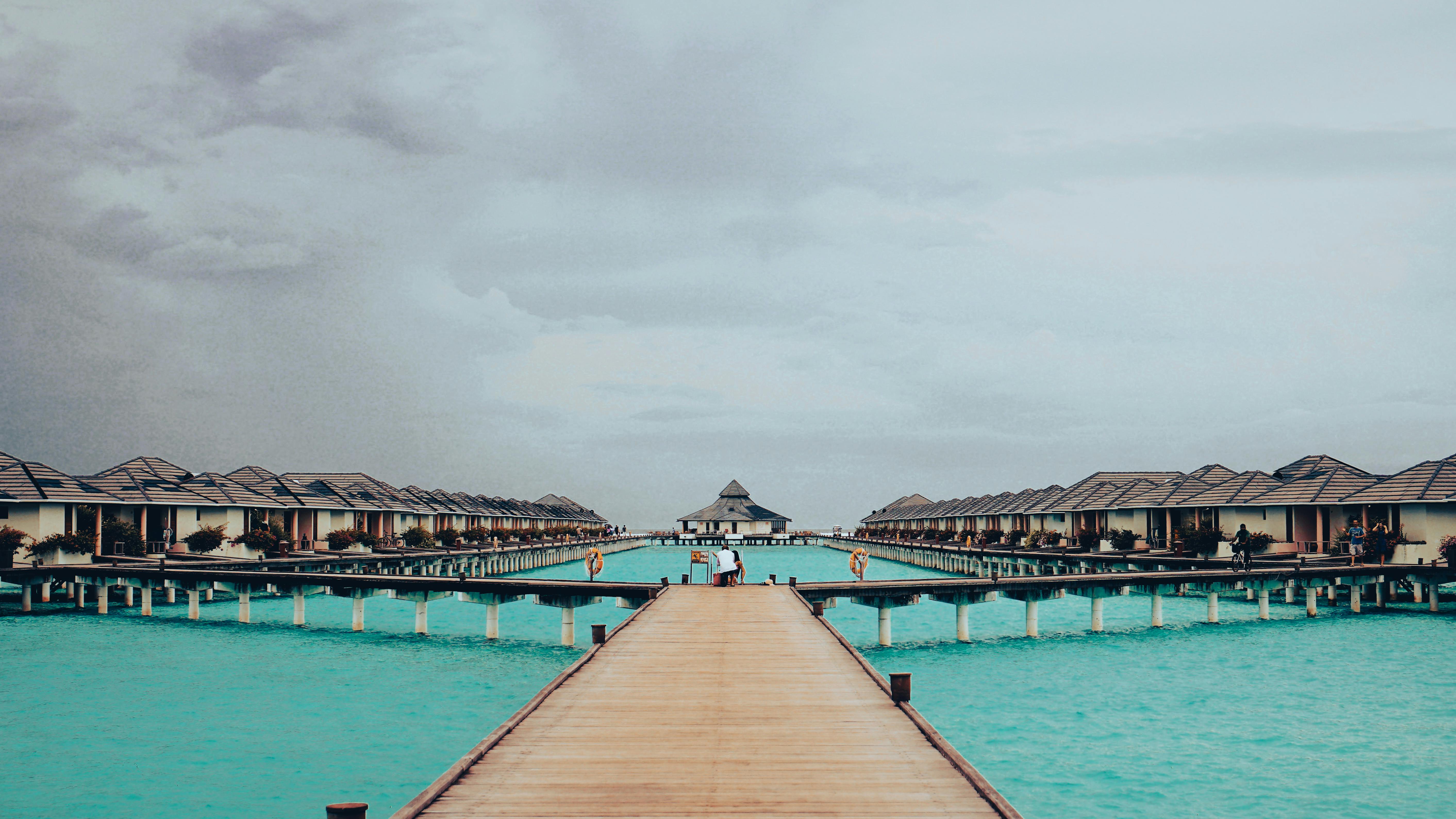
One more thing. If a resort talks constantly about “experience” but never mentions engineering, staff training, or reef protection, I get suspicious. Real luxury is sturdy. It holds up under weather, wear, and scrutiny. Cheap theater falls apart when the wind rises.
Comparison Table: Caribbean Overwater Bungalows vs. Maldives Water Villas
Most shoppers compare Caribbean overwater bungalows with the Maldives because that is the obvious benchmark. Fair enough. The Maldives has scale and established prestige. The Caribbean has proximity for North American travelers, richer regional variety, and, in some cases, better ease of access. Different strengths. Different tradeoffs.
| Factor |
Caribbean Overwater Bungalows |
Maldives Water Villas |
| Availability |
Limited, niche, selective |
Broad selection, many luxury options |
| Flight Convenience |
Often easier from the U.S. and Canada |
Long-haul for most Western travelers |
| Water Clarity |
Excellent in the right bays and cays |
Outstanding in many atolls |
| Price Range |
High, but sometimes less punishing than Maldives |
Very high, especially for top-tier islands |
| Privacy |
Strong, depending on resort layout |
Often exceptional due to island isolation |
| Dining Variety |
Good to excellent, with regional flavors |
Strong at luxury resorts, sometimes more isolated |
| Weather Sensitivity |
Hurricane season demands attention |
Monsoon patterns matter, but storm risk differs |
| Best For |
Couples, short premium escapes, U.S.-based travelers |
Honeymoons, bucket-list trips, long-haul luxury seekers |
The table says what marketing often hides. Caribbean overwater bungalows are not trying to be the Maldives. They are their own thing. And that is good. The Caribbean advantage is practical elegance: easier access, regional flavor, and a shorter path from airport to deck chair. The Maldives still wins on sheer concentration, but that does not make it the automatic answer.
If you want a broader data angle on travel trends and luxury demand, the Skift coverage is useful, while the American Hotel & Lodging Educational Institute provides industry context on service standards. Neither one tells you where to book. They do help explain why the best properties invest so heavily in training and upkeep.
So which wins? Depends. If you want quick access from Miami or New York, the Caribbean often makes more sense. If you want maximum seclusion and a sprawling catalog of private island resorts, the Maldives remains the classic rival. I would not overcomplicate it. Pick the region that best matches your time, budget, and tolerance for travel fatigue.
Common Mistakes to Avoid
The biggest mistake is buying the photo, not the property. A water bungalow can look heavenly in a wide-angle shot and still feel cramped, noisy, or stale once you arrive. That's the oldest trick in the book, and people still fall for it. Frankly, it is embarrassing how often this happens.
Another mistake is ignoring the sea state. Calm blue water in a brochure may hide strong currents, seagrass, or poor swim access. If you want daily snorkeling, you need more than a pretty color. You need actual marine life and safe entry points. Otherwise the “overwater” part becomes decorative, not useful.
Here are the errors I see most often:
- Choosing by Instagram alone. Pretty feeds do not reveal noise, maintenance, or service speed.
- Overpaying for gimmicks. A glass floor is fun once. A quiet room matters every night.
- Ignoring transfer fatigue. Long, clumsy arrivals kill the mood before check-in.
- Skipping weather research. Caribbean storm seasons are not a footnote.
- Assuming all luxury is equal. It isn't. Some resorts are polished; others are expensive improvisations.
There is also a moral trap, if I may put it that way without sounding pious: confusing extravagance with excellence. Not the same thing. Excellence respects labor, materials, and proportion. Extravagance just spends. A good resort should show care for its staff, its shoreline, and its guests. That kind of order is part of what makes a place truly beautiful.
A final mistake is forgetting the purpose of the stay. If you want romance, don’t book a party-heavy property. If you want snorkeling, don’t pick a sheltered lagoon with weak marine life. If you want peace, avoid resorts built around loud family pools. Common sense, yes. Yet people still ignore it and then act surprised when the result disappoints.
When in doubt, read recent guest reviews that mention specifics: water clarity, bed comfort, food temperature, and how quickly problems were fixed. Those are the details that separate real luxury from glossy nonsense. And yes, I know that sounds severe. It is. But luxury should earn the rate.
Frequently Asked Questions
Are Caribbean overwater bungalows worth it?
Yes, if you value privacy, direct water access, and a quieter pace. They are not cheap, and they are not for every traveler, but the best ones deliver a rare combination of comfort and setting that beachfront rooms rarely match.
Which Caribbean resorts have the best water villas in 2026?
The strongest options are typically found in the Bahamas, Jamaica, Antigua, Barbados, and a few private-island or lagoon-based resorts across the region. Availability changes often, so verify current room categories directly with the resort before booking.
How do Caribbean overwater bungalows compare with Maldives villas?
The Maldives usually offers more choice and deeper isolation. The Caribbean often offers easier access for North American travelers, stronger regional character, and less travel fatigue. Different strengths. No need to make a religion out of either one.
What should I check before booking a water villa?
Look at water conditions, transfer logistics, villa orientation, weather exposure, dining quality, and what is included in the rate. Those factors affect the stay far more than the marketing photos do.
For travelers who want current resort context, official hotel and tourism resources are helpful. The Barbados tourism site, Jamaica tourism site, and major luxury hotel brands often publish the cleanest operational details. Use them. They reduce guesswork.
Final Thought
Caribbean overwater bungalows are not just expensive rooms above water. They are a test of whether a resort understands restraint, comfort, and real hospitality. The best ones feel calm, well-made, and slightly removed from the noise of ordinary travel. That matters. A beautiful place, cared for properly, can remind a person that luxury is at its best when it serves rest, order, and gratitude—not vanity. That is the real standard, and it should not be lowered.