Carlos Alcaraz is not buying a floating toy. He is commissioning a bespoke 88-foot Sunreef catamaran, and that distinction matters. A custom yacht is a study...
Carlos Alcaraz’s Bespoke 88-Foot Sunreef Catamaran: What Luxury Yacht Buyers Actually Get for Their Money
Carlos Alcaraz is not buying a floating toy. He is commissioning a bespoke 88-foot Sunreef catamaran, and that distinction matters. A custom yacht is a study in craftsmanship, privacy, engineering, and taste—plus the sort of waterborne comfort that most people only see in glossy ads. The real story is not celebrity fluff. It is what makes a modern luxury catamaran worth the money, and what does not.
Key Takeaways- A bespoke catamaran is built around the owner, not the other way around.
- Sunreef’s value comes from layout flexibility, stability, and custom interiors.
- Luxury yacht buying is about build quality, service, and long-term operating costs.
- Celebrity ownership gets headlines, but naval architecture does the actual work.
- The smartest buyers focus on stewardship, not just size or bragging rights.
What is a bespoke luxury catamaran?
A bespoke luxury catamaran is a custom-built twin-hull yacht designed around a specific owner’s habits, crew requirements, and aesthetic preferences. In plain English, it is not a showroom item. It is made to order, from the galley to the guest cabins to the tender garage, with naval architecture and interior design working together. That is why an 88-foot Sunreef catamaran can feel far more personal than a mass-market monohull.
Frankly, most people hear “yacht” and picture excess. Fair enough. But the useful question is simpler: what is the vessel meant to do? Cruise quietly? Host family? Cross long distances? Anchor in shallow bays? A catamaran can provide more deck area, improved stability at rest, and generous volume inside, which is why Sunreef has built a reputation among buyers who want comfort without pretending sea conditions do not exist.
When I examine luxury assets, I look for three things: function, build integrity, and restraint. The first tells you whether the item solves a real problem. The second tells you whether it will survive use. The third tells you whether the owner understands the difference between excellence and vulgarity. Beauty matters too, of course—beauty is not decoration alone, but a visible sign of order and care. In that sense, a well-made yacht can reflect something very old and very human: the dignity of skilled work.
Carlos Alcaraz’s Sunreef project fits that logic. He is known for speed, discipline, and poise on court; a custom yacht, if done properly, should reflect similar priorities off it. Not louder. Better. That is the point. For background on how elite travel and premium marine experiences are reviewed, see Boat International and Yachting Pages.
Core benefits of a custom Sunreef catamaran
A bespoke catamaran offers more than status. It offers control, and control is expensive because it is useful. Here’s the kicker: many luxury products are priced on theater, but a serious yacht is priced on materials, labor, systems, and the plain difficulty of getting everything to work at sea.
- Space efficiency: Catamarans usually deliver more usable volume than similarly sized monohulls, especially for lounges, cabins, and outdoor entertainment zones.
- Stability: Two hulls often reduce roll at anchor, which matters when passengers want to sleep, eat, or simply stop feeling like they are on a moving apology.
- Customization: Sunreef is known for tailoring layouts, finishes, and onboard systems, allowing owners to shape the yacht around family life, entertaining, or long-range cruising.
- Privacy: Separate guest areas, crew circulation paths, and generous deck zones help keep the owner’s experience calm and discreet.
- Range and autonomy: Depending on propulsion and energy systems, modern custom catamarans can be configured for efficient cruising and improved self-sufficiency.
- Resale signaling: A well-known builder with strong reputation can support value retention better than an obscure yard with pretty renderings and weak follow-through.
The contrarian view? Bigger is not automatically better. I’ve seen buyers chase length the way some people chase followers—absurdly. The smarter metric is how the yacht lives. Does it make a week on the water feel effortless? Does the crew have proper working space? Does the owner’s suite feel peaceful rather than performative? Those are the actual benefits.
Most luxury marketing pretends that every feature is essential. Nonsense. A helipad, gold trim, and a wine wall do not make a yacht better if the cabin flow is awkward or the systems are temperamental. What matters most is disciplined execution: joinery that doesn’t creak, hardware that resists salt, air conditioning that behaves in hot climates, and a finish level that remains handsome after real use.
For a broader look at elite travel standards and premium hospitality expectations, compare this with Travel + Leisure travel advice and Condé Nast Traveler’s private travel coverage. The principle is the same. The buyer is paying for time, comfort, and fewer compromises.
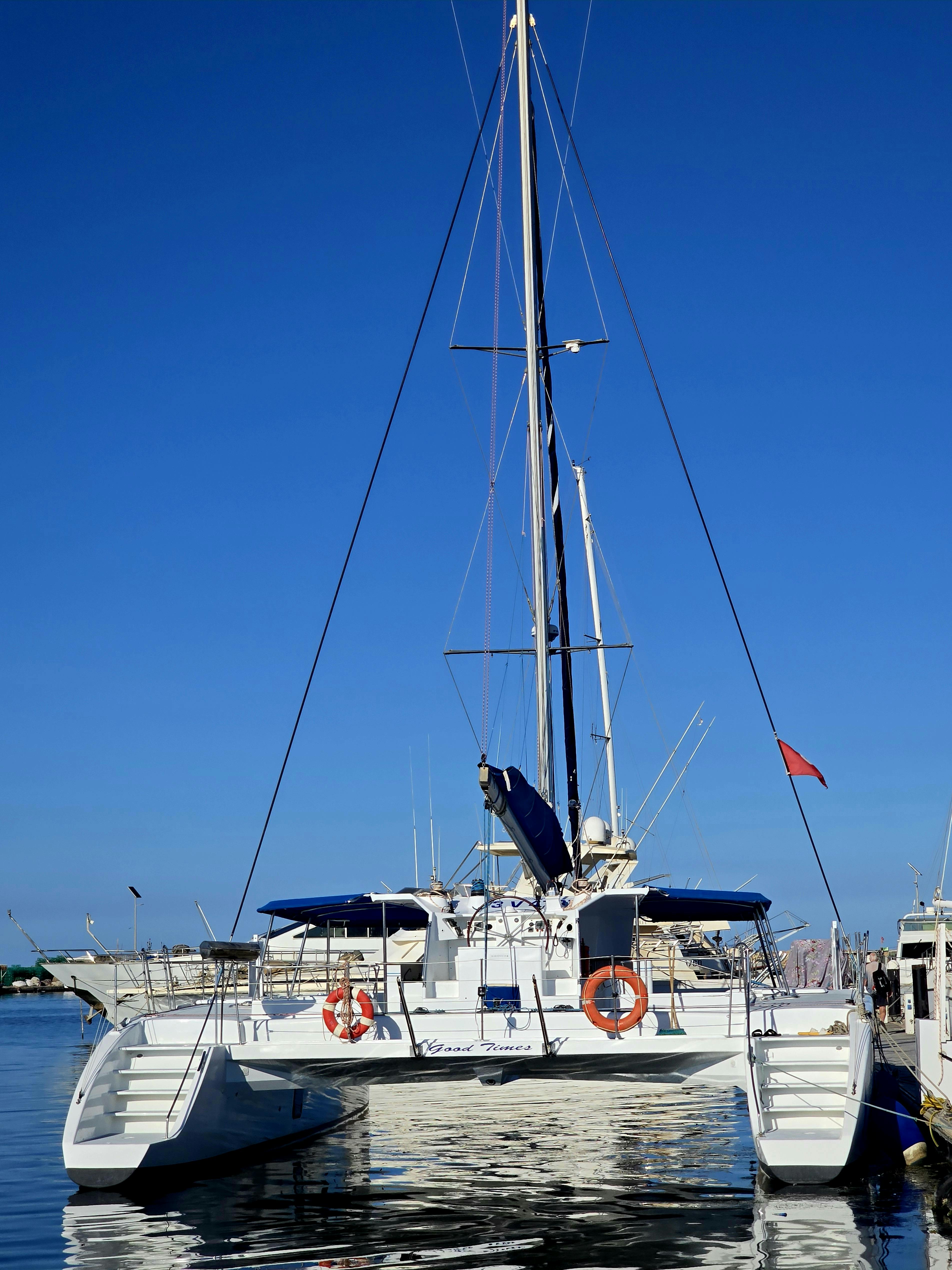
How to evaluate a custom yacht purchase
A custom yacht purchase should be treated like an operating business decision, not a trophy hunt. That sounds dreary, maybe, but it saves people from expensive regret. Here is the process I would use if someone asked me to separate the real yachts from the floating vanity projects.
- Define the use case first. Decide whether the yacht will be for family cruising, entertaining, coastal hopping, long-range passages, or a mix. If you do not know the use case, the rest is theater.
- Inspect the builder’s track record. Look at completed vessels, not renderings. Speak with owners if possible. A glossy brochure is not proof; completed deliveries are.
- Study the naval architecture. Hull form, weight distribution, fuel efficiency, noise levels, and sea-keeping matter more than decorative flourishes. The boat should perform before it impresses.
- Review the interior plan in real terms. Walk through the spaces mentally: where does luggage go, where does the crew move, where do guests gather, and where does the owner actually rest? If circulation is bad, the whole yacht suffers.
- Audit the materials. Check teak, stone, textiles, marine-grade metals, and cabinetry construction. Cheap materials do not stay hidden for long in salt air.
- Confirm service and maintenance support. The yacht’s life depends on after-sales care, parts availability, and crew training. A luxury vessel without support becomes a headache with pretty cushions.
- Examine total cost of ownership. Crew, docking, fuel, insurance, refit reserves, and annual maintenance can be brutal. This is where rich people discover that ownership has a conscience.
- Insist on sea trials. Paper is cheap. Water is honest. A proper trial reveals vibration, noise, handling, and system reliability.
I’ve reviewed enough high-end assets to know one ugly truth: many buyers obsess over customization and ignore serviceability. Bad idea. A yacht is not a painting on a wall. It is a machine that lives in salt, heat, sun, and motion. The practical buyer respects stewardship—using resources well, wastefully little, and with an eye to durability. That virtue is old, but it still saves money.
If you want a related example of how premium craftsmanship gets judged in a different category, see HODINKEE’s articles on mechanical craftsmanship. Different product, same rule: the hidden work is the real luxury.
Comparison table: bespoke Sunreef catamaran vs. a production luxury yacht
A comparison helps because luxury buyers love fog. This clears some of it.
| Factor | Bespoke Sunreef Catamaran | Production Luxury Yacht |
|---|
| Layout flexibility | Very high; tailored to owner | Moderate; fixed platform with options |
| Onboard space | Excellent volume for length | Good, but often less usable space |
| Stability at anchor | Strong due to catamaran design | Depends on hull type, often less stable |
| Build specificity | Owner-driven from start | Builder-led with limited changes |
| Delivery speed | Slower, due to customization | Faster, because design is already set |
| Cost predictability | Lower; custom work can vary | Higher; pricing is more standardized |
| Long-term satisfaction | High if owner knows priorities | High if the model already fits needs |
| Risk of overdesign | Real, if buyer chases novelty | Lower, because systems are proven |
The competitor here is the production luxury yacht, not because it is bad, but because it is the default choice for buyers who want less complexity. A production yacht often has stronger cost predictability and easier support. But a bespoke catamaran wins when the owner has very specific requirements and wants the vessel to feel like a private residence rather than a standard spec sheet.
Here’s the blunt truth: custom does not mean superior by itself. It means specific. And specificity is only valuable if the owner actually has a point of view. Without that, bespoke becomes a euphemism for indecision with an invoice.

Common mistakes to avoid when buying or commissioning a yacht
Luxury buyers make the same mistakes over and over. The mistakes are costly, then mildly embarrassing, then costly again. Most advice online glosses over this because it is easier to sell dreams than to mention engine room access.
- Confusing size with quality. A larger yacht can still be badly arranged, noisy, or poorly finished.
- Ignoring crew workflow. If the crew cannot operate efficiently, guests will feel the friction even if they cannot name it.
- Overweighting novelty features. Water slides, cinema rooms, and gimmicks are fun until they take space from things you use every day.
- Skipping operating costs. Fuel, dockage, maintenance, and staffing are not side notes; they are the invoice after the applause.
- Choosing finishes for photos, not life at sea. High-gloss surfaces and fragile fabrics may look good on Instagram and miserable in use.
- Trusting glossy marketing more than sea trials. Marketing is persuasion. The sea is evidence.
Frankly, many owners get seduced by spectacle. I get it. A yacht is emotional. But emotion without judgment is how people end up with a gorgeous boat that is awkward to live on. The wiser path is to ask boring questions. Where is the tender stored? How loud is the generator? Can the master cabin stay cool in tropical heat? Does the yacht feel calm when guests board after a long flight?
There is also a moral dimension that the industry rarely mentions. Stewardship matters. Luxury is not license to waste materials, time, or labor. Excellence should honor craft, not strip-mine it. When a custom yacht is conceived responsibly, it respects the many hands that build it and the waters it will inhabit.
For more context on marine design and premium vessels, browse design and innovation coverage and SuperYachts.com news. Good reporting cuts through the nonsense.
Frequently asked questions
Why would a tennis star choose a catamaran?
Because comfort matters. An athlete who spends a life on intense schedules may want a quiet, stable place to unwind, entertain, and enjoy the water without fuss. Simple enough.
What makes Sunreef different from other yacht builders?
Sunreef is known for catamarans with high customization potential, strong volume, and contemporary design options. The brand’s appeal is in flexibility and lifestyle fit, not just flash.
Is a bespoke yacht a good investment?
Usually not in the strict financial sense. Luxury yachts are expensive assets with meaningful depreciation and high operating costs. The better framing is utility, enjoyment, and personal fit.
How important is the interior design on a yacht?
Very. A yacht is not only an exterior profile. Interior flow, materials, storage, acoustic comfort, and service paths shape the daily experience more than most buyers realize.
The odd thing about luxury is that the best pieces rarely scream. They simply work, beautifully, for years. That’s the standard worth caring about.
Final thought
A bespoke 88-foot Sunreef catamaran is not about proving anything to strangers. It is about shaping a space where the owner can live well, rest properly, and enjoy the sea with fewer compromises and better surroundings. That sounds indulgent, and it is—but indulgence is not the same as disorder. Used rightly, fine craftsmanship, beauty, and marine engineering can point to something ordered and good.
Carlos Alcaraz’s reported choice makes sense because it reflects a modern truth: real luxury is not noise. It is competence. It is the quiet confidence of an object built well, maintained carefully, and used with gratitude. The sea has a way of correcting vanity anyway. Better to commission something worthy of the correction.