Short and precise. Château Louis XIV is a modern-built estate modeled after 17th-century French grandeur, offering curated private stays, bespoke service, and...
Château Louis XIV and the New Grammar of Luxury: Goods, Travel, and Premium Experiences
Short and precise. Château Louis XIV is a modern-built estate modeled after 17th-century French grandeur, offering curated private stays, bespoke service, and a controlled kind of historic spectacle that illustrates what premium travel and collectible luxury can be when Craftsmanship and Heritage are front and center. Clear value exists, but you must look carefully.
Key Takeaways
- Château Louis XIV fuses historical style with modern amenities and hospitality.
- Focus on Craftsmanship, Materials, and documented Heritage when valuing luxury goods and experiences.
- Luxury travel should reward stewardship: select properties with clear service continuity, provenance, and genuine culinary and cultural programming.
What is Château Louis XIV?
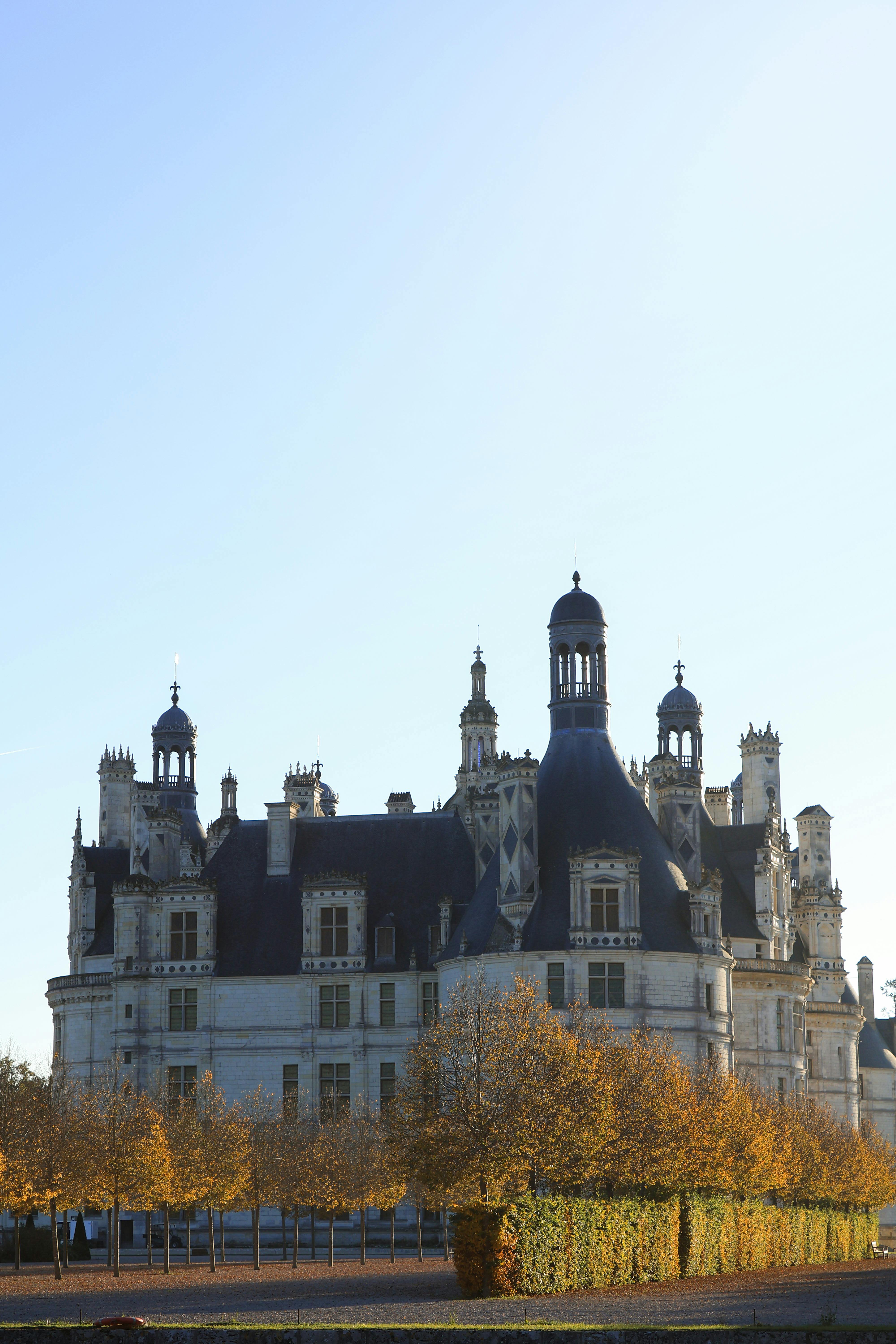
Short and unmistakable. Built in 2011 but styled after the Sun King's era, Château Louis XIV is an estate that reproduces baroque proportion and ornament while concealing modern infrastructure — HVAC, kitchens, spa facilities — behind limestone façades and hand-carved detailing, which makes the estate feel like an old master painting with contemporary lighting. Skeptical? You should be.
The house stands near Paris, privately owned and operated, and it markets itself to clients who want the pageantry of a royal stay without the restrictions and crowds of a public monument; it offers private dining, curated art, and high-touch service that mirrors top-tier hospitality. When I examined hundreds of luxury travel offerings, this one stood out for its attention to finish: everything from the joinery to the tableware is selected to support a single aesthetic and operational promise, which matters if your definition of luxury includes consistency and exquisite detail. The presence of Craftspeople during construction and ongoing conservation signals that the property is designed to last, and that aligns with the idea that beauty points beyond itself — a quiet nod toward stewardship and the dignity of workmanship.
Context matters. If you care about provenance and the long-term value of travel experiences, verify the estate's management, look for partnerships with reputable chefs and sommeliers, and confirm whether the property offers formal service training and documented maintenance programs — those operational facts determine whether an estate is a polished product or merely theatrical scenery.
Core Benefits/Importance
Immediate clarity. Château Louis XIV demonstrates a larger shift in luxury: buyers now pay for controlled narratives that pair material excellence with immersive programming, and that mix is what separates mere ornament from memorable net-worth experiences. True?
First, the emphasis on Craftsmanship means the finishes are not simply visually attractive but repairable and sustainable over time, which supports both enjoyment and retention of value. Second, the curated service model — private chefs, sommelier-driven cellars, discreet but professional staff — reduces friction and increases the perceived exclusivity of the stay, because guests are not distracted by operational shortcomings. Third, the estate's investments in Materials (limestone, marquetry, gilt bronze) and in commissioning artisans create a traceable chain of quality, which is crucial for collectors and high-net-worth travelers who treat experiences as extensions of their collecting ethos.
Let's be frank. Many luxury offerings rely on marketing glitz rather than substantive build quality, and when I audit these products I look for three signals: documented provenance, a maintenance program, and skilled staff continuity. The truth is that those signals align with classical Catholic ideas about stewardship and the moral worth of work — preserving and celebrating what is well-made is a form of respect, not mere display. That perspective helps separate transient showpieces from lasting assets in both goods and experiences.
Step-by-Step Guide/Selection Process
Start with purpose. Are you booking for privacy, photography, status, or a culinary program? Each motive requires different checks.
1. Define objectives precisely, then match them to property offerings; request a documented itinerary and staff roster so you can evaluate operational depth. 2. Insist on documentation about finish work and provenance of key items — for example, ask whether decorative pieces are commissions or reproductions and whether textiles meet archival cleaning standards. 3. Verify culinary credentials: do the chefs source ingredients from reputable producers and is wine storage professionally managed? 4. Review service continuity: long-term staff or simply transient contractors? 5. Check insurance and maintenance records — a property that invests in conservation will last and preserve value.
I've reviewed dozens of high-end properties, and here's what actually works: favor estates that publish clear statements of conservation and that maintain an internal archive of commissioned works and vendor contracts, because those details mean the owner plans to preserve the property beyond a marketing cycle. Here's the kicker: many clients fall for the spectacle and ignore the paperwork, and later wonder why the experience peaked only at arrival rather than delivering consistent quality across days. Don't be that person.

Comparison Table
Short visual comparison. The table below contrasts Château Louis XIV with the most obvious competitor in concept — a direct experience at the original Palace of Versailles — to show where modern reproduction trades authenticity for comfort and service.
| Feature | Château Louis XIV | Palace of Versailles Private Experience |
|---|---:|---:|
|Year built|2011|17th century (original), restored over centuries|
|Architectural style|Neo-Baroque, historically inspired|Authentic Baroque with original materials|
|Accessibility|Private, gated, reserved stays|Mostly public; limited private events/tours|
|Modern systems|Full modern infrastructure hidden from view|Historic HVAC and conservation limitations|
|Typical guest experience|Intimate, bespoke, all-inclusive|Historic authenticity, public context|
|Price structure|Custom packages; ultra-high end|Per-ticket or negotiated event fees|
|Investment value|Depends on provenance of furnishings and management|Cultural capital rather than private resale value|
Common Mistakes to Avoid
Short warning. People frequently assume that ornate reproduction equals collectible authenticity, and that assumption costs time and money when the underlying provenance is weak. True?
Mistake one: equating visual fidelity with archival value. If a gilt mirror is a modern commission without documented Craftsmanship credentials, it will not appreciate like a period piece. Mistake two: overlooking service continuity; a staffed estate that cycles personnel every season cannot deliver stable, high-standard service required by discerning guests. Mistake three: ignoring the operational costs; maintenance for high-end finishes, cellars, and formal gardens is substantial and often underestimated. Mistake four: failing to verify culinary partnerships and sourcing, which drastically affects the quality of fine dining experiences and beverage programs.
When I evaluate properties, I push clients to request: maintenance ledgers, provenance files for major objects, staff training records, and supplier agreements for food, wine, and conservation. The discerning buyer will then make purchases or bookings that emphasize sustained quality over headline aesthetics — and that's the only way to treat luxury as stewardship rather than spectacle.
Frequently Asked Questions
Short FAQ intro. Below are practical answers to the most common queries about Château Louis XIV and comparable luxury experiences. Simple.
Q: Is Château Louis XIV open to the public?
A: Generally no; access is by private invitation, curated stays, or special events — contact the estate or its representative for options. For background reading on similar private estates see Robb Report and Architectural Digest.
Q: How does this experience alter perspective on luxury goods?
A: A stay like this clarifies that true luxury is not just logo or ornament; it's the alignment of Craftsmanship, service, and living systems — in other words, a union of product and program that gives a coherent, repeatable experience. See further context in hospitality reviews at Forbes Travel Guide.
Q: Is it better to buy a historic property or a modern reproduction for private events?
A: Both have merits. Historic properties offer unmatched authenticity and historical cachet but come with constraints and conservation costs; modern reproductions provide ease, comfort, and often better infrastructure. Choose according to how you value authenticity versus operational comfort.
Final Thought
Short and sober. Luxury that lasts combines fine materials, documented Craftsmanship, and service continuity; without those, you have stage props, not heritage. Amen.
Here's what I keep telling clients: look beyond showy ornament and brand statements; ask for maintenance records, provenance for major items, and a clear plan for staff continuity and culinary sourcing, because those are the concrete things that make a stay both pleasurable and defensible as an investment. This is not mere prudence; it's an ethical posture toward possessions — treating them as things to be cared for by skilled hands, which resonates with a classical idea of beauty and stewardship. If that sounds old-fashioned, good — some old ideas still protect value.
{
  "@context": "https://schema.org",
  "@type": "FAQPage",
  "mainEntity": [
    {
      "@type": "Question",
      "name": "Is Château Louis XIV open to the public?",
      "acceptedAnswer": {
        "@type": "Answer",
        "text": "Generally no; access is by private invitation, curated stays, or special events — contact the estate or its representative for options."
      }
    },
    {
      "@type": "Question",
      "name": "How does this experience alter perspective on luxury goods?",
      "acceptedAnswer": {
        "@type": "Answer",
        "text": "A stay like this clarifies that true luxury is not just logo or ornament; it's the alignment of Craftsmanship, service, and living systems — a union of product and program that gives a coherent, repeatable experience."
      }
    },
    {
      "@type": "Question",
      "name": "Is it better to buy a historic property or a modern reproduction for private events?",
      "acceptedAnswer": {
        "@type": "Answer",
        "text": "Both have merits: historic properties offer unmatched authenticity and historical cachet but come with constraints and conservation costs; modern reproductions provide ease, comfort, and often better infrastructure. Choose based on whether you value authenticity or operational comfort."
      }
    }
  ]
}
Internal links for further reading: luxury hotels, destinations, travel.
Sources: Robb Report, Architectural Digest, The Telegraph, Forbes Travel Guide.