Classic luxury hotels are not just expensive places to sleep. They are cultural institutions, built on craft, service, architecture, and memory, where the room...
Classic Luxury Hotels That Rise Above Trends and Earn Their Place in History
Classic luxury hotels are not just expensive places to sleep. They are cultural institutions, built on craft, service, architecture, and memory, where the room rate reflects more than thread count. The truly great ones outlast fashion because they get the hard parts right: proportion, privacy, food, ritual, and a sense that human labor still matters.
Key Takeaways:
- Classic luxury hotels win by consistency, not gimmicks.
- Service, design, location, and cuisine matter more than marketing.
- The best properties feel timeless because they respect craft and stewardship.
- Old fame alone is not enough; maintenance and standards decide everything.
- Travelers should compare hotels on substance, not shiny hype.
What is a classic luxury hotel?
It is a property that has earned lasting status through years of careful operation, architectural character, and service that feels almost invisible because it works so well. I’ve reviewed luxury properties for years, and here’s the truth: many hotels call themselves iconic, but only a few consistently deliver the quiet discipline that makes a stay memorable. Frankly, the market is full of polished nonsense.
A classic hotel usually has a strong sense of place. It may sit in a grand city center, a historic resort town, or a spectacular coastal setting. It may carry a famous name, but name recognition is not the point. The point is whether the hotel has kept faith with its original virtues while adapting enough to remain comfortable. Beauty matters here, and not in a shallow way. Properly ordered beauty lifts the spirit; that is why a well-made room, a graceful lobby, or a restrained dining room can feel almost restorative.
The biggest mistake people make is assuming luxury means extravagance. Not really. Real luxury is often restraint, precision, and attention to detail. A fine hotel gets the linen right, the lighting right, the pacing of service right, and the breakfast right. It treats labor as dignity, not theater. That is why the best houses of hospitality feel humane instead of flashy.
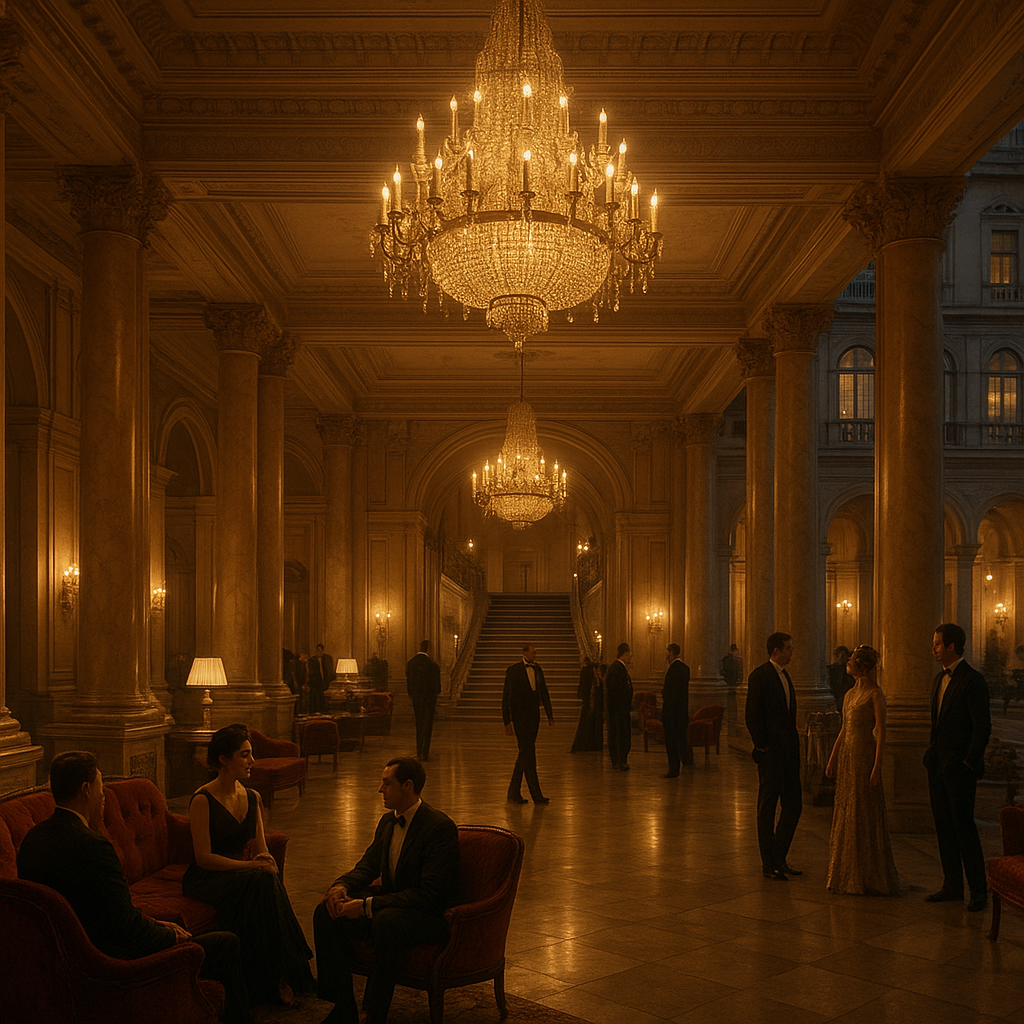
For background on how top hotels are judged, see Five Star Alliance, Forbes Travel Guide news, and Travel + Leisure hotels coverage. These are not sacred texts, but they do help separate real excellence from brochure copy.
Core Benefits and Importance
- Consistency: Great hotels repeat excellence day after day. That matters more than a one-night flourish.
- Place and memory: The best properties become part of a city’s identity, which is why people return for decades.
- Service culture: True luxury service anticipates needs without putting on a parade.
- Architecture and design: A strong building gives a hotel permanence; a weak one ages badly.
- Food and drink: Fine dining, serious wine lists, and competent room service are not extras. They are part of the promise.
- Emotional value: A classic hotel can mark anniversaries, family milestones, and business achievements with real grace.
- Stewardship: Preserving a great property is an act of care. You do not improve the world by letting beauty rot.
Here’s the kicker: not every famous hotel deserves praise. Some coast on history while charging absurd rates. Most luxury marketing is pretentious nonsense when the staff are undertrained or the bathrooms are tired. The good properties prove themselves through calm execution, not noise. In my analysis, the strongest hotels combine old-world discipline with modern comfort. That balance is rare.
Step-by-Step Guide to Choosing a Classic Luxury Hotel
- Start with location. A hotel can be gorgeous and still be badly placed. I always check whether the address supports the purpose of the stay—city access, beach privacy, mountain views, or cultural proximity. If the setting is weak, the rest has to work twice as hard.
- Read beyond the stars. Star ratings tell you little about character. I look at recent guest reports, renovation history, and how the hotel handles small failures. Anyone can stage a perfect photo. Real service shows up when something goes wrong.
- Examine the rooms. Room size, natural light, bathroom quality, bed comfort, and soundproofing matter more than chandelier count. A room should feel composed, not loud. If the suite screams for attention, that is usually a bad sign.
- Inspect the dining program. A serious hotel needs at least one excellent meal option. Breakfast should be well sourced, coffee should be good, and the kitchen should respect ingredients. If you want to know whether management cares, look at the pastry basket.
- Check the service rhythm. The best hotels do not hover. They move with quiet efficiency. I pay attention to check-in speed, concierge knowledge, housekeeping timing, and how staff respond to ordinary requests. That tells you more than a glossy brochure ever will.
- Consider heritage without worshipping it. History matters, but it is not a blank check. A hotel can be old and still mediocre. The real question is whether the property has maintained its standards with discipline and money. Sentiment won’t fix peeling paint.
- Compare value honestly. Luxury is expensive, but expensive is not the same as worthwhile. I compare room rates against service quality, location, and included benefits. If the hotel is charging five-star money for four-star execution, pass.
- Look for signs of stewardship. Updated infrastructure, preserved details, and responsible upkeep show that ownership respects the property. That is where the Catholic idea of stewardship fits naturally: good things should be cared for, not merely consumed.
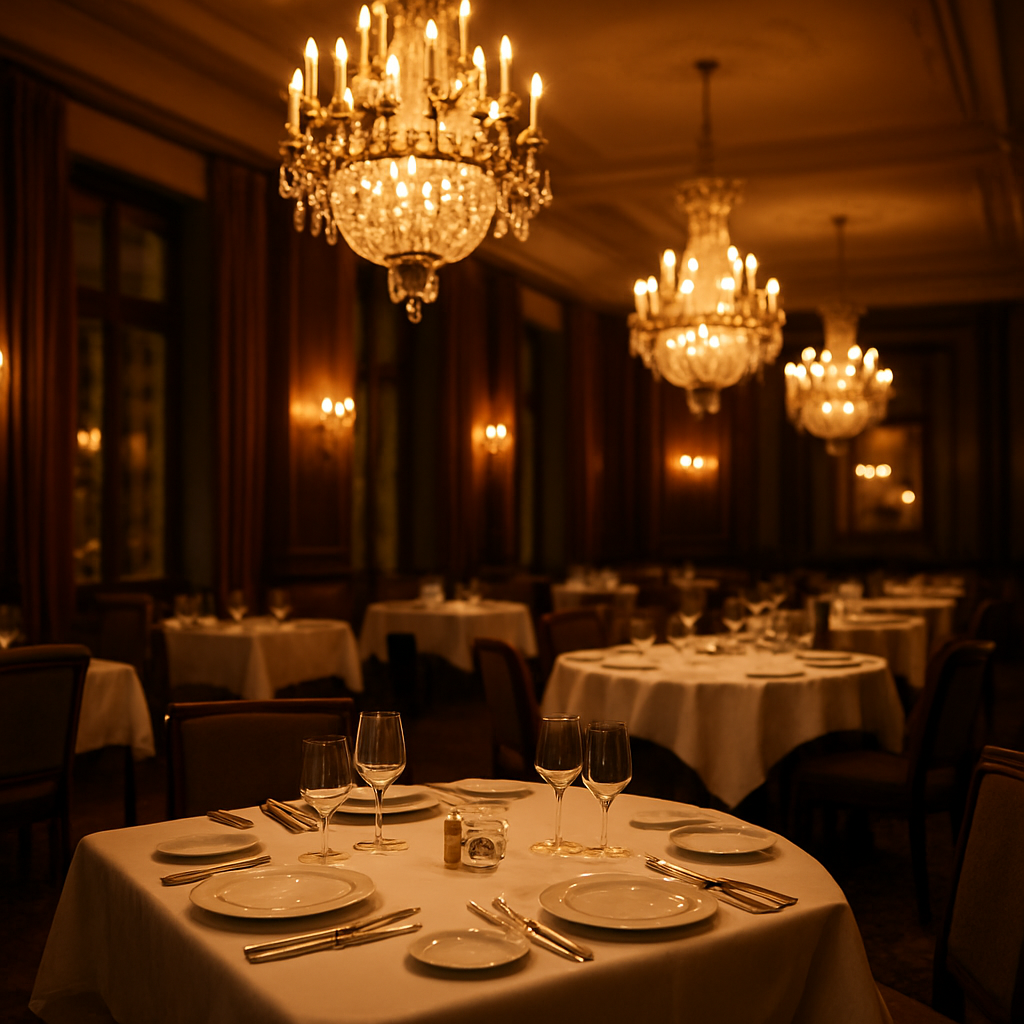
For current industry standards and prestige benchmarks, consult The World’s 50 Best Hotels and The Leading Hotels of the World. Rankings are imperfect, yes, but they help reveal which houses keep their standards intact.
Comparison Table
| Criterion | Classic Luxury Hotels | Luxury Chain Competitor |
|---|
| Sense of place | High | Medium |
| Architectural character | Strong | Variable |
| Service consistency | High | High, but more standardized |
| Dining individuality | Strong | Often standardized |
| Heritage value | High | Usually moderate |
| Personal atmosphere | High | Medium |
| Risk of gimmicks | Lower | Higher |
| Best for | Travelers seeking character | Travelers seeking predictability |
Common Mistakes to Avoid.
- Confusing fame with excellence. A storied name is not proof of current quality.
- Chasing only aesthetics. Pretty lobbies do not guarantee good sleep, good food, or good staff.
- Ignoring the practical stuff. Bathroom ventilation, noise, and bed quality matter. A lot.
- Trusting inflated reviews. Many online ratings are muddled by people who don’t know luxury from expense.
- Skipping recent renovation checks. A historic hotel that has not been maintained can feel like an expensive relic.
- Overvaluing buzz. If a hotel is more interested in being photographed than in serving guests, you can do better.
Frequently Asked Questions
What makes a luxury hotel “classic”?
A classic luxury hotel combines lasting design, dependable service, strong food, and a sense of place that survives trends. It feels settled, not trendy.
Are older hotels always better than new ones?
No. Age alone proves nothing. Some older hotels are tired, while some newer properties already understand proportion, materials, and hospitality.
What should I prioritize when booking?
Prioritize location, room quality, service, and dining. After that, look at heritage and design. In that order, not the other way around.
Do luxury hotels justify their prices?
Sometimes. The best ones do through service, comfort, and atmosphere. The weak ones rely on branding and hope you won’t notice.
Final Thought
The best classic luxury hotels do something rare: they respect the guest without making a spectacle of it. That sounds simple, because it is. Good hospitality is work done well, day after day, with no excuses and no nonsense. In a world obsessed with novelty, that kind of steadiness feels almost radical. And frankly, it should.