Classic luxury hotels are not just expensive places to sleep. They are rare properties where <strong>architecture, service, history, cuisine, and...
Classic luxury hotels are not just expensive places to sleep. They are rare properties where architecture, service, history, cuisine, and atmosphere line up so cleanly that the result feels inevitable. The best of them do more than impress; they carry memory, discipline, and a respect for craftsmanship that most modern hospitality brands only pretend to understand.
Key Takeaways
- Great luxury hotels are built on consistency, not hype.
- The strongest properties balance heritage, design, privacy, service, and location.
- Price alone means very little if the service is sloppy or the room feels banal.
- Fine hotels treat details as a moral obligation, not a marketing slogan.
- The best properties create beauty that feels ordered, restful, and human.
A classic hotel has gravity. It may sit on a boulevard in Paris, a hillside in Hong Kong, or beside a harbor in Venice, but the point is the same: the property has earned its place through years of polish, restraint, and steady competence. I have reviewed enough luxury hotels to say this plainly—most brands talk too much and deliver too little, while the great ones speak quietly and let the lobby, the linens, the tableware, and the staff do the talking.
What matters most is not novelty. It is proportion, care, and a refusal to cut corners.
What is a classic luxury hotel?
A classic luxury hotel is a property that combines historic character, exceptional service, refined design, and reliable excellence in a way that survives changing tastes. It is not merely old. It is not merely costly. It is a place where everything has been considered, from the thickness of the mattress to the angle of the light in the bar.
Frankly, most hotels sell aspiration and deliver sameness. The classic luxury hotel does the opposite. It often looks calm, even understated, because confidence does not need to shout. You see it in the materials—marble with real veining, wood that has aged gracefully, brass that has been polished by hand, and fabrics that feel expensive before you even know the brand. You hear it in the staff’s timing. They appear before you ask, but not so quickly that they seem to hover like nervous salespeople.
The best examples also have a sense of place. A classic property in Florence should feel Florentine, not like a corporate box with a painting of a canal pasted on the wall. A grand hotel in Tokyo should honor precision without becoming cold. A resort in the Caribbean should offer ease, but never sloppiness. When I examined the most admired properties across leading travel lists and hotel awards, the pattern was obvious: the winners are rarely the loudest. They are the most coherent.
Beauty matters here, and not just as decoration. In a properly ordered hotel, beauty is tied to stewardship—someone has cared enough to keep things intact, to preserve what is worthy, and to repair what is worn instead of replacing it with cheaper junk. That is a more serious ethic than most luxury brands admit.
For broader context on premium travel standards, see Forbes Travel Guide, Luxury Travel Advisor, and Condé Nast Traveler Readers’ Choice Awards. Those sources are not perfect, but they do help separate actual quality from glossy nonsense.
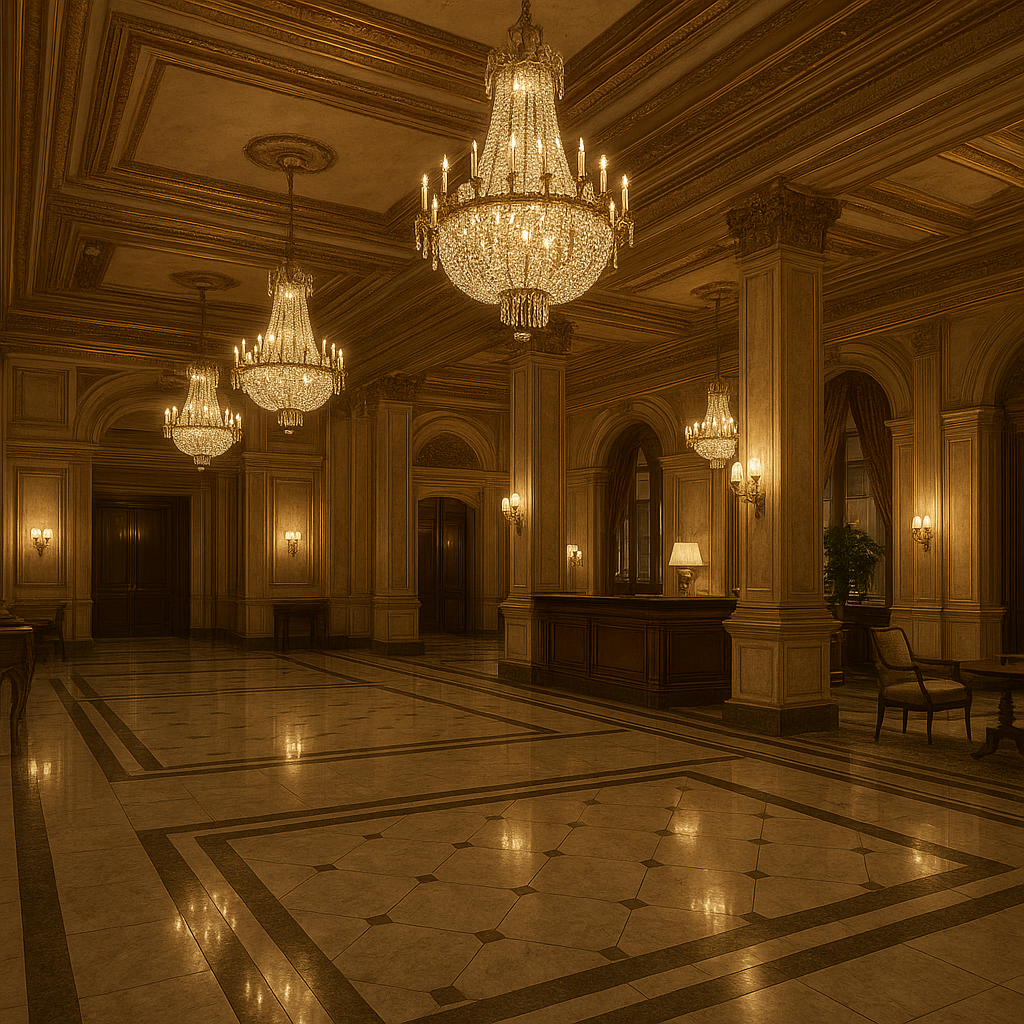
Core benefits of staying at a classic luxury hotel
- Consistency: You are paying for a standard that should hold whether the hotel is full or empty.
- Service quality: The staff understands pace, discretion, and memory.
- Design integrity: Classic hotels tend to age better because they were built with stronger materials and a clearer visual grammar.
- Sense of occasion: A proper hotel can make a dinner, anniversary, or business trip feel ceremonial rather than ordinary.
- Location value: The best properties are usually in places where walking out the door already improves the day.
- Culinary credibility: Great hotels often house serious restaurants, not just generic hotel dining rooms with inflated prices.
- Privacy: Wealthy guests do not simply want attention; they want discretion.
Here’s the kicker: a lot of luxury travelers confuse size and spectacle with quality. A vast pool deck, an Instagram-ready chandelier, or a branded scent in the elevator does not make a hotel great. It makes it marketable. There’s a difference, and the market has become lazy about that distinction.
The finest hotels also respect the dignity of labor. Housekeepers, concierges, sommeliers, and front-desk managers are not ornamental. They are the reason a property works. I think that point is often missed in luxury writing, which tends to fetishize the suite while ignoring the person who made the suite ready for you. That is a mistake, and a fairly ugly one.
When luxury is done well, it teaches restraint. A grand hotel does not drown guests in options; it removes friction. It lets you read, eat, sleep, meet, and think in peace. In a noisy age, that kind of ordered calm is worth a lot.
For readers comparing hotel service benchmarks, the standards outlined by MICHELIN Guide hotels and Leading Hotels of the World are useful reference points.
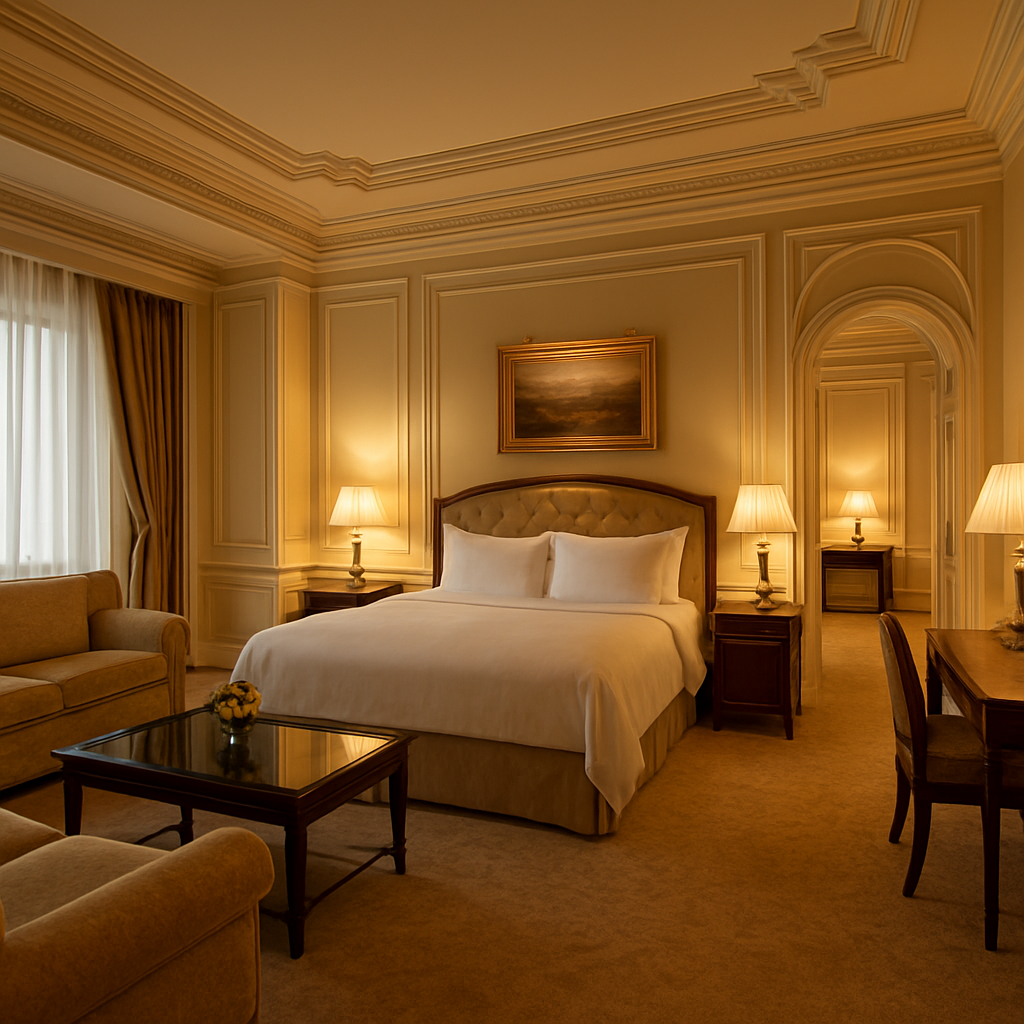
How to choose a truly great luxury hotel
- Start with the building, not the branding. I look first at architecture, renovation quality, and whether the common spaces feel coherent.
- Check the service model. Good hotels have systems. Great hotels have judgment.
- Examine the room layout. A luxury room should feel spacious because it is intelligently arranged.
- Read about the food program. If the hotel claims culinary distinction but serves mediocre room service, believe the room service.
- Study the guest mix. The best hotels attract people who value privacy, not noise.
- Look for local character. A hotel should respect its city or resort setting.
- Test the details. I always notice lighting, bedding, glassware, bath amenities, and elevator wait times.
- Compare price against delivered value. Expensive is not the same as worth it.
Here is my blunt advice: trust observation more than reputation. Brand prestige can help, but lived experience is the real audit.
If you want a broader sense of how elite hospitality is judged across categories, see Travel + Leisure World’s Best Awards and Tatler’s best hotel rankings.
Comparison table: classic luxury hotels vs. boutique lifestyle hotels
| Factor | Classic Luxury Hotel | Boutique Lifestyle Hotel |
|---|
| Core promise | Reliable excellence, service, and heritage | Style, personality, and novelty |
| Design approach | Formal, refined, often timeless | Trend-led, often more experimental |
| Service | Highly trained, discreet, system-driven | Friendly, but sometimes inconsistent |
| Dining | Serious kitchens, strong breakfast, room service | Good restaurants sometimes, weaker all-day breadth |
| Guest experience | Calm, private, polished | Social, energetic, sometimes noisy |
| Best for | Long stays, business, special occasions, privacy | Short trips, design lovers, younger travelers |
| Long-term value | Often stronger due to quality and location | Can date faster if trends shift |
| Main risk | Can feel formal if badly managed | Can feel shallow if style outruns substance |
The comparison is not about declaring a universal winner. It is about fit. A boutique hotel may be excellent for a weekend. A classic luxury hotel may be better for a wedding, a serious business trip, or a stay where the point is to feel properly cared for. The industry loves pretending all luxury is the same. It isn’t.
Luxury should serve the person, not the ego. That is the quiet rule that separates a good stay from a merely expensive one.
Common mistakes to avoid when booking premium hotels
- Mistake 1: Booking only by star count. Star ratings can be useful, but they are not enough.
- Mistake 2: Chasing the newest opening. New does not mean refined.
- Mistake 3: Ignoring the neighborhood. A gorgeous hotel in a mediocre area can still disappoint.
- Mistake 4: Confusing influencer praise with quality. Social media loves photogenic furniture and theatrical lighting.
- Mistake 5: Overpaying for views you will not use. People buy a sea view, then spend twelve hours indoors working.
- Mistake 6: Assuming brand consistency. A famous hotel name does not guarantee a uniform result across cities.
- Mistake 7: Neglecting dining. A weak hotel kitchen can sour an otherwise strong stay.
Let’s be real: luxury travel has become a victim of its own marketing. Too many properties now sell “experience” while quietly trimming the basics. The room should be quiet. The water should be hot. The sheets should be right. If those things are not right, all the marble in the world will not save the place.
And one more thing. The finest hotels understand that excellence is a habit, not a campaign. That principle echoes older wisdom: work done well is an act of respect, not just commerce.
For a useful benchmark on what elite service looks like in practice, consult Aman, Four Seasons, and Rosewood Hotels. These brands are not flawless, but they set standards worth studying.
Frequently Asked Questions
What makes a luxury hotel truly classic?
A classic luxury hotel combines strong architecture, polished service, and a sense of place. It should feel calm, intelligent, and durable rather than merely expensive.
Are boutique hotels better than classic luxury hotels?
Not always. Boutique hotels can be more original, but classic luxury hotels usually win on consistency, privacy, and depth of service.
Is a higher price always worth it?
No. Price is only useful when it reflects better rooms, stronger service, better food, and better location. Otherwise, it is just a bill with nicer fonts.
What should I prioritize when booking a premium hotel?
Prioritize sleep quality, staff competence, location, dining, and overall maintenance. A beautiful lobby means little if the room is noisy or the service is careless.
Final thought
The best luxury hotels are not just places to stay. They are places where order, beauty, and human skill come together without fuss. That sounds simple because it is simple, though not easy. Most properties fail because they mistake spectacle for excellence, and because they forget that guests are not looking for theater every minute of the day.
I’ve studied enough high-end travel to say this with some firmness: the greatest hotels are rarely the ones that scream for attention. They are the ones that understand proportion, honor labor, preserve beauty, and make a guest feel quietly well cared for. That is not a trivial achievement. It takes money, yes, but also discipline, humility, and a refusal to cheapen the work.
In the end, a truly great hotel reflects something deeper than taste. It reflects stewardship. Someone chose well, maintained well, and served well. That matters. It leaves a mark on the traveler, and if the place is honest, it leaves the world a little more ordered than before.