Yes. <strong>Divisive watches</strong> provoke thought and conversation, often offering genuine, culture-shifting design progress inside a familiar case, while...
Divisive Versus Boring: Why a Polarizing Watch Often Beats a Safe One
Yes. Divisive watches provoke thought and conversation, often offering genuine, culture-shifting design progress inside a familiar case, while boring watches politely fade into the background with predictable finishes and safe color palettes. Ask yourself which owns the room and which simply fills a slot?
Key Takeaways
- Divisive pieces risk opinion but frequently reward resale and cultural relevance.
- Craftsmanship, materials, and heritage still matter more than clever marketing.
- Luxury experiences outside watches—like yachting in Asia—follow similar rules: innovation plus execution wins.
What this article covers: a clear definition of divisive versus boring watches, the benefits of choosing difference over bland safety, a practical selection process you can use at dealers or auctions, a comparative table, common mistakes buyers make, FAQs, and real-world parallels with high-end travel and yacht chartering in Asia, including perspective from industry pros like Simpson Marine. 
What is a Divisive Watch?
Short answer: a watch that splits opinion. Long answer: a timepiece with bold design, unusual complications, unconventional materials, or an aggressive aesthetic that some collectors adore, others revile, and a few are puzzled by, yet these pieces often shift collectability and conversation in the market. Think of a watch that forces you to take a stance.
I’ve reviewed watches for years, and here's what actually matters when something feels divisive rather than merely different. The first factor is craftsmanship, where finissage, movement finishing, and dial quality still carry disproportionate weight even when the design polarizes the room. Second is heritage, because a bold move from a high-heritage brand sits differently than the same move from a brand with no track record. Third is materials, since color, case alloys, and new composites change wearability in practical ways. Fourth are the complications—chronographs, tourbillons, world timers—that can be employed to justify eccentric form, and fifth is investment value, which sometimes favors limited, controversial, or boundary-pushing releases.
Here's the kicker: most marketing is pretentious nonsense. I say that as someone who respects the dignity of skilled work, and I find that true value grows where excellent workmanship meets bold thought.
Core Benefits and Importance
First: distinction matters. A distinctive watch gives you a story to tell, a provenance to defend, and an aesthetic people remember, even if they don’t like it. Second: collectible edge—contrarian pieces often become icons because scarcity plus opinion divides collectors into factions, which drives secondary market interest. Third: personal style alignment—wearing something you argue for forces refinement of taste, which is a useful discipline. Fourth: functional innovation—when brands push materials or complications, owners receive practical benefits, whether it’s better shock resistance, novel GMT displays, or improved legibility. Fifth: cross-category synergy—bold choices in timepieces mirror decisions in other luxury verticals like handbags and luxury fashion, so your overall collection reads as intentional rather than accidental.
Frankly, these benefits are not just consumer vanity; they reflect a deeper appreciation for excellence and order, a small echo of the older belief that beauty points beyond itself, and that respect for good work is a kind of stewardship.
Step-by-Step Guide: How to Choose Between Divisive and Boring
Start small. Walk into a dealer, try a piece on, and notice how it feels after an hour, a day, then a week. Take notes. Ask questions about movement finishing, parts provenance, and whether the case material will patina in a way you like. When I examined hundreds of watches, I found that first impressions are honest but incomplete, and only repeated wear exposes real temperament.
Second: inspect the movement through the caseback if possible, or ask for photos of the caliber—look for polished bevels, Geneva stripes, perlage, and architecture that speaks to mechanical thoughtfulness rather than cheap automation. Third: quantify your tolerance for attention—if you like being noticed, a divisive dial or oversized case might be a delight; if you prefer to blend, a refined, quiet piece with classic proportions will serve you better. Fourth: assess serviceability—ask the brand how long they’ll support parts and whether local service centers exist, because wear is sacred and the dignity of work includes reliable maintenance. Fifth: weigh resale data—use auction results and dealer pricing to see how similar controversial pieces fared after release; I use past sales as a blunt but objective tool when the marketing story smells of fluff.
Here's what actually works: buy what rewards you in daily life and respects the labor behind the product, because longevity and usefulness are the practical measure of beauty, and beauty properly ordered is an echo of something more lasting.
Comparison Table: Divisive Watch vs. Boring Watch
| Feature                | Divisive Watch                                | Boring Watch                                |
|-----------------------:|-----------------------------------------------|---------------------------------------------|
| Design Impact          | High — bold case lines, unusual dial layout    | Low — classic round, restrained dial        |
| Collectibility         | Often higher long-term interest               | Steady, predictable value                   |
| Wearability            | Polarizing; attracts attention                 | Comfortable; blends with outfits            |
| Craftsmanship Clues    | Visible, experimental finishing                | Traditional finishing, conservative         |
| Resale Volatility      | High — can spike or dip sharply                | Low — gradual, stable                        |
| Emotional Reward       | Strong — provokes pride or defense             | Mild — quiet satisfaction                    |
| Service Complexity     | May be specialized, parts less common          | Easier service, widely available parts       |
Interpretation: if you prefer certainty, the boring watch minimizes risk, which is fine; if you accept a little uncertainty for cultural relevance, the divisive piece is the better speculative and lived experience. The truth is that beauty and usefulness are not enemies; they should be balanced, and often a daring watch forces you to define what both mean to you.
Common Mistakes to Avoid
Buying hype instead of substance is the cardinal sin. Too many buyers let brand storytelling fill the gap where inspection and proof should be, and that habit costs money and peace of mind. Ask for proof: movement photos, service history, and official parts lists. If a deal smells like urgency, slow down; scarcity is often engineered.
Second mistake: choosing for resale, not use—if you plan to wear a watch, pick what you will wear, not what you hope others will buy later. Third mistake: ignoring ergonomics; many divisive watches are heavy or thick, and that physical reality determines daily use more than marketing copy. Fourth mistake: neglecting maintenance budgets—luxury is not only purchase price; it includes regular service and possible repair of unique components. Fifth mistake: conflating limited-run with long-term value—limited does not equal desirable, and some limited editions are forgotten quickly when the story is weak.
Here’s a blunt tip: treat acquisitions as stewardship, because quality is a moral preference that respects skilled labor, and paying attention to the maker’s methods honors that work.
How This Applies Beyond Watches: Yachts, Travel, and Michelin Dining
Risk and reward repeat across luxury verticals. A unique yacht layout or an ambitious new fine-dining menu will split opinion like a divisive watch, and the winners often become cultural anchors. Simpson Marine’s expansion in Asia is a practical example, where regional demand for bespoke charters and tailored yacht management has risen, and managers like May Choi are adapting offerings to match fresh preferences while protecting operational excellence. 
Consider premium travel: curated routes, boutique hotels, and under-the-radar culinary experiences risk dissatisfaction because they stray from the predictable, yet they deliver memory and refinement that mainstream options cannot. This is why high-end hotels and resorts invest in craftsmanship of service and in a sense of place, and why connoisseurs sometimes prefer an eccentric boutique property to a placid chain. Likewise in spirits and fine wine, producers who experiment with terroir or barrel regimes may offend some palates, but their successes recalibrate taste norms.
Here's what nobody tells you: excellence requires bravery, and those who fund and sustain excellence are practicing a form of stewardship that reveres created skill. That thought sits quietly under many luxury decisions, and it resonates with the old Catholic idea that created beauty points beyond itself and that careful custodianship of good work is a moral good.
Frequently Asked Questions
Q: Is a divisive watch a better investment? A: Sometimes. A divisive piece can appreciate sharply if the market re-evaluates its design, but it can also fall out of favor—so treat it like an intentional gamble rather than a safe bet. Q: How can I test whether a watch will wear well daily? A: Put it on for several hours in different settings—office, outdoors, dinner—and notice comfort, legibility, and how quickly you tire of the visual theme. Q: Does brand heritage still matter? A: Yes, because established brands bring proven service networks and an archival depth that supports long-term ownership and collector interest. Q: How does yacht charter tie into this? A: Yacht offerings that break from standard layouts or services can become sought-after, just as distinctive watches do, but quality execution is non-negotiable—poor execution ruins even the boldest idea.
Those answers are practical and unglamorous, and good; most luxury decisions are better when you add a practical filter to the romance of design.
Final Thought
Buy with intention. Choose what rewards you in daily life, respects the labor that made it, and fits the stewardship you owe to your possessions. The appeal of a divisive watch is not merely shock value; it is evidence that someone took risk to make something distinct, and when risk is married to high-quality workmanship, the result can be memorable and worthwhile. 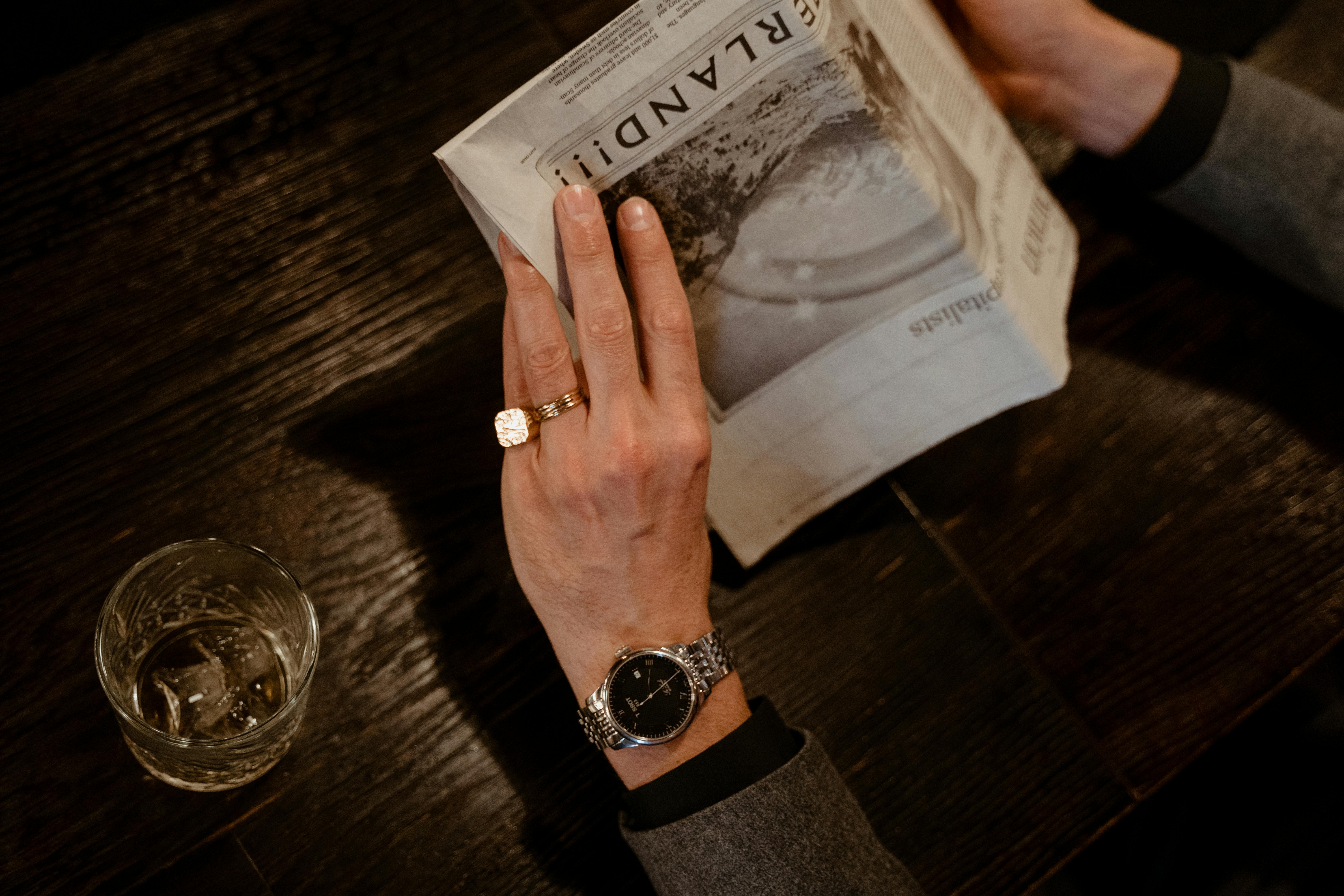
If you prefer quiet, conservative luxury, own that choice proudly; if you prefer boldness, own that choice with accountability—understand serviceability, secondary-market behavior, and how the piece will read with your broader life. The best purchases are those that increase your capacity to appreciate beauty, support craftsmanship, and practice responsible stewardship—small virtues, but useful ones.
Further reading and sources: Hodinkee, Robb Report Watches, Boat International, Simpson Marine, Forbes Luxury.