Ferrari’s Luce EV may be divisive, but it exposes a simple truth: in luxury, demand is often driven by scarcity, identity, and engineering theater as much as...
Ferrari’s Luce EV may be divisive, but it exposes a simple truth: in luxury, demand is often driven by scarcity, identity, and engineering theater as much as by practicality. Buyers do not merely purchase transport. They buy craftsmanship, status, and a machine that says something before it ever moves.
Key Takeaways- Luxury demand is shaped by scarcity, brand prestige, and emotional value, not just performance.
- Ferrari can sell a controversial EV because the badge matters as much as the battery.
- Smart buyers evaluate heritage, materials, engineering, and long-term value.
- The same logic applies across luxury watches, hotels, travel, and fine dining: quality is real, but hype is expensive.
- Most luxury marketing is smoke and mirrors; discernment is the only useful antidote.
What is Ferrari’s Luce EV?
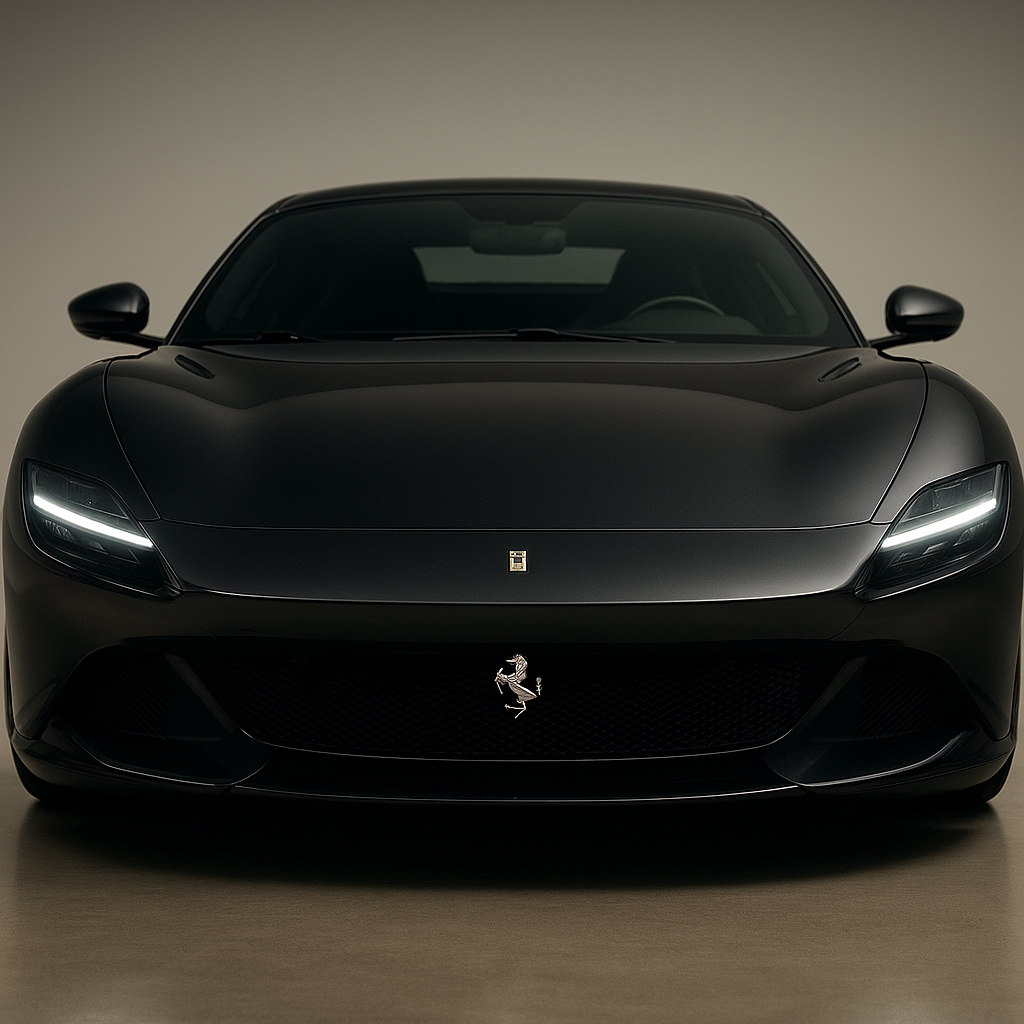
Ferrari’s Luce EV is a reported all-electric model that has sparked argument precisely because it challenges the old image of the brand. That friction is the point. Ferrari has always sold more than speed. It sells heritage, design discipline, motorsport pedigree, and the old, stubborn idea that a beautiful machine can still be an act of human excellence. Frankly, that is why people obsess over it.
I’ve reviewed luxury brands for years, and here’s what actually matters: customers do not buy the object alone. They buy the story attached to it, the workshop behind it, and the social signal it sends. A Ferrari EV, even one that offends purists, still carries that weight. The badge works because decades of racing, engineering, and brand control have made it mean something. Few brands earn that kind of trust, and fewer still preserve it.
This is where the broader luxury market gets interesting. The same logic explains why buyers pay absurd money for a watch with a strong movement pedigree, a suite at a top hotel, or a table at a fine restaurant where the service is nearly invisible. The best luxury items are not random splurges. They are carefully made goods that reflect skill, order, and a seriousness about craft that modern life usually lacks. Beauty matters because it points beyond itself. That is not marketing fluff; it is just a decent way to think about excellence.
For a deeper read on luxury standards and market behavior, see McKinsey’s State of Luxury, Bain’s Luxury Goods studies, and this breakdown of automotive prestige from Car and Driver’s Ferrari coverage. The point is not to worship brands. The point is to understand what consumers are actually paying for.
Core Benefits and Why It Matters
Luxury products, when they are genuinely good, offer more than vanity. That is the part people pretend not to notice. Here’s the kicker: the best ones improve daily life in small but unmistakable ways. They are not always practical in a spreadsheet sense, but they can be deeply rational in terms of enjoyment, durability, and resale strength.
- Craftsmanship: Proper luxury is built by people who know their trade. That includes hand-finished interiors, tuned powertrains, and obsessive fit-and-finish. A competent artisan is worth more than ten marketing departments.
- Scarcity: Limited production is not just a sales trick. It helps preserve exclusivity and, in some cases, value. When supply is controlled, the item retains cultural and financial gravity.
- Emotional reward: Luxury often gives owners a measurable sense of satisfaction. A cabin stitched correctly, a clasp that closes cleanly, or a meal plated with restraint all produce a kind of quiet pleasure.
- Status signaling: Pretend this is irrelevant all you want. It isn’t. A Ferrari, like a rare watch or a room at a top hotel, signals access and discernment.
- Investment resilience: Some luxury goods hold value better than mass-market alternatives, especially when they combine limited numbers, historical importance, and real demand.
But not every expensive thing deserves admiration. Most luxury branding is packaged aspiration with a large markup. I’ve seen enough overpriced nonsense to know that “premium” can mean little more than glossy brochures and a fancy lounge. The useful question is always the same: what was actually improved, and by how much?
This matters beyond cars. In our luxury watches guide, the same rules apply: movement quality, finishing, and brand credibility separate real value from expensive noise. In luxury travel planning tips, the difference between a polished experience and a fake one is often detail, not price. And in best luxury hotels, the quiet competence of the staff usually matters more than the chandelier count.
Luxury is not a moral necessity, obviously. But when it is made with care, it reflects stewardship of materials and labor. That is a small but real good in a sloppy world.
Step-by-Step Guide to Evaluating Luxury Without Getting Played
If you want to buy luxury intelligently, stop staring at the price tag and start interrogating the substance. That sounds obvious. It is rarely practiced.
- Start with the maker’s record. Look at the brand’s history, not its latest ad campaign. Ferrari has decades of racing pedigree and controlled production. That matters. In watches, jewelry, and hotels, the same rule holds: reputation takes time and is hard to fake.
- Check the materials and build quality. Real luxury uses better inputs—carbon fiber done well, leather that ages properly, gold with proper finishing, stone selected with actual judgment. Ask what is under the surface. Decorative excess is cheap.
- Measure exclusivity honestly. Limited production only counts if people still want it years later. If something is “exclusive” because nobody cares, that is not luxury; it is inventory with an ego problem.
- Assess usability. A luxurious object should work beautifully. A watch should be readable. A hotel should anticipate needs without theatrical fuss. A car should feel alive, not merely loud.
- Consider long-term value. Resale strength, maintenance, and service access matter. I’ve seen too many buyers seduced by novelty and then trapped by depreciation. That gets old fast.
- Separate taste from trend. Trends expire. Good proportions, strong engineering, and disciplined service never really go out of style. This is especially true in design-heavy categories like automobiles and fashion.
- Compare against the true alternative. Not the cheapest option. The closest serious rival. That is where you learn whether a premium is justified or merely inflated.
If you want examples in adjacent categories, review luxury fashion essentials for material and construction criteria, or fine wines and spirits buying guide for how rarity and provenance alter price. Same logic, different aisle.
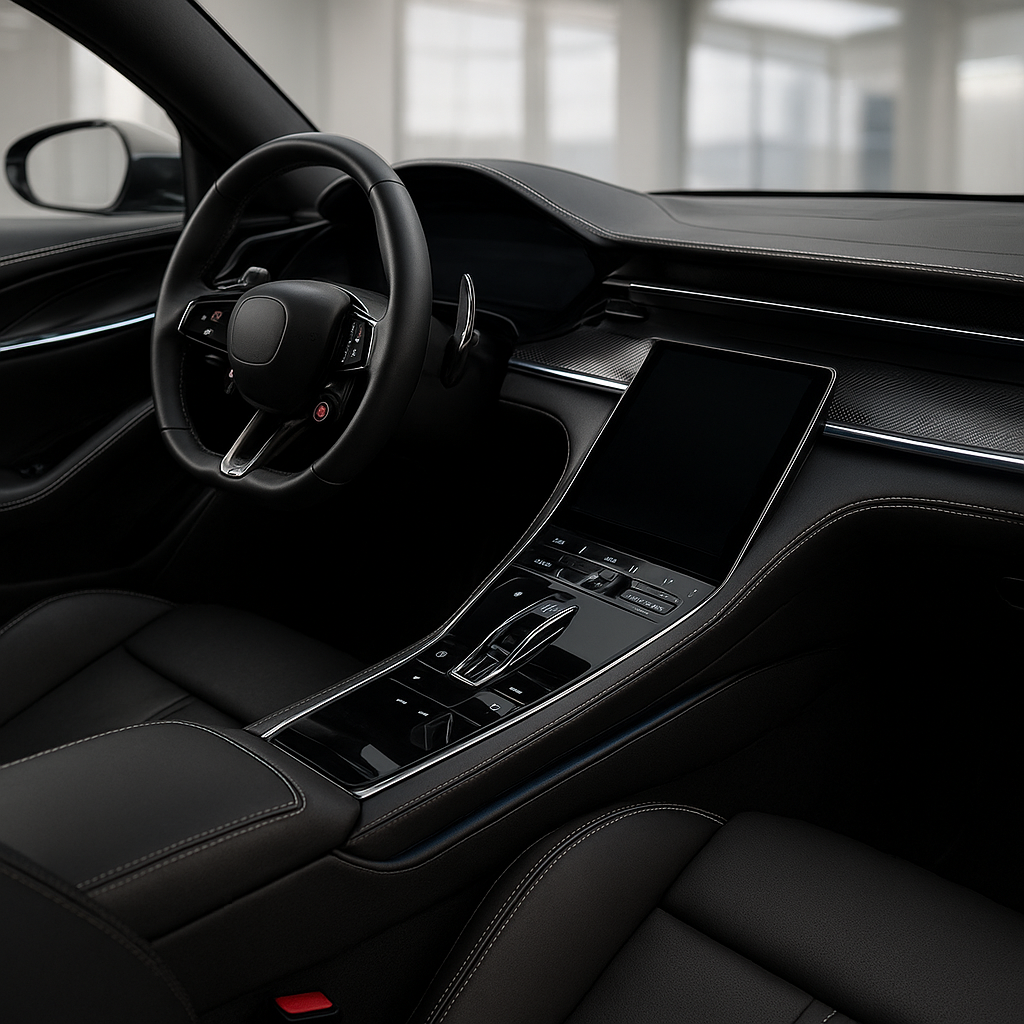
Comparison Table: Ferrari Luce EV vs. Porsche Taycan Turbo GT
Below is the practical comparison most buyers should make. Because no one should buy a prestige EV blind.
| Factor | Ferrari Luce EV | Porsche Taycan Turbo GT |
|---|
| Brand cachet | Extremely high, emotionally charged | Very high, but more clinical |
| Design identity | Dramatic, polarizing, attention-grabbing | Clean, restrained, performance-first |
| Performance image | Exotic, theatrical, badge-driven | Brutally fast, engineering-led |
| Exclusivity | Likely tighter supply | Wider availability |
| Resale potential | Potentially strong if limited | Strong, but more market-dependent |
| Daily usability | Likely refined, but emotionally extreme | Generally better-balanced |
| Buyer motivation | Status, rarity, drama | Speed, precision, credibility |
| Core appeal | Heritage and spectacle | Engineering and consistency |
The table tells the truth better than the brochures do. Ferrari wins on myth, and myth matters. Porsche wins on usability and technical coherence. Which is “better” depends on whether you buy with your head or your pulse.
For broader context on premium automotive positioning, see Porsche Taycan model information and Ferrari’s own corporate materials at Ferrari Corporate. If you want market data on how wealthy buyers behave, Bain and McKinsey are still the adults in the room.
Common Mistakes to Avoid
The usual luxury advice is often wrong. Not always, but often enough to be annoying.
- Buying the logo instead of the product. A famous badge does not excuse weak execution. If the build is poor, the item is just expensive vanity.
- Confusing scarcity with quality. Limited availability can support value, but it does not guarantee excellence. Plenty of mediocre goods are rare because they are niche, not because they are great.
- Ignoring maintenance and ownership costs. Luxury is not just the purchase price. Service, repairs, storage, insurance, and upkeep can be substantial.
- Chasing trends. Today’s hot color, trim, or configuration may look tired in eighteen months. Good design usually ages better than hype.
- Believing every “heritage” story. Many brands say heritage because it sounds noble. Real heritage shows up in consistent standards over time, not in copied script fonts.
- Skipping comparison shopping. The richest mistake is assuming prestige means no need to compare. That is lazy.
When I examined high-end purchases across categories, the same error kept appearing: people overpay for visible cues and underweight the invisible stuff. The stitching, the seal, the service protocol, the dealer support, the aftercare—these determine whether luxury feels smooth or stupid.
The truth is, a well-made luxury purchase should carry a kind of moral clarity. Not in a preachy way. Just in the sense that work done with skill, patience, and respect for materials has an order to it. That order is part of the pleasure.
If you want practical standards for avoiding bad purchases, our luxury market trends coverage helps identify what is genuinely moving and what is just loud. Also useful: luxury collectibles guide, where hype and value often get hopelessly mixed up.
Frequently Asked Questions
Why would buyers want a polarizing luxury EV?
Because luxury buyers often want distinction more than consensus. A polarizing model signals confidence, exclusivity, and allegiance to a brand story. The car does not need universal approval to be desirable.
Does an EV weaken Ferrari’s brand?
Not necessarily. It depends on execution. If Ferrari preserves performance, design intensity, and limited supply, an EV can extend the brand rather than dilute it. If it becomes generic, then yes, it cheapens the name.
Is luxury worth the money?
Sometimes. If the product offers better craftsmanship, stronger durability, real exclusivity, or meaningful emotional value, the premium may be justified. If it only offers branding, the price is mostly theater.
What should buyers compare before purchasing luxury goods?
Compare materials, workmanship, service support, resale value, and brand reputation. Do not rely on marketing claims. They are usually trying to sell you the feeling of discernment without the work.
Final Thought
Luxury survives because people still hunger for things made well. That is not shallow. It is human. We notice when materials are honest, when a line is clean, when a machine or a meal or a room has been shaped with discipline instead of laziness. That is why a controversial Ferrari EV can sell out before the critics stop talking. The badge matters, yes, but the deeper reason is simpler: people still recognize excellence when they see it.
I am skeptical of most luxury hype, and I should be. The market is full of inflated claims and synthetic prestige. But there remains a stubborn category of objects and experiences that justify themselves through precision, restraint, and beauty. When luxury is done properly, it does not merely impress. It reminds us that human labor can still make something worthy of admiration.
That is rare. And worth paying attention to.