A full body MRI scan in London is a private screening exam that uses magnetic fields and radio waves to image major organs, the spine, joints, and nearby soft...
A full body MRI scan in London is a private screening exam that uses magnetic fields and radio waves to image major organs, the spine, joints, and nearby soft tissue, usually without radiation. It can spot certain problems early, but it is not a crystal ball. Worth it? Sometimes. Always? Hardly.
Key Takeaways- Full body MRI offers broad, non-invasive imaging with no ionizing radiation.
- It can find abnormalities early, yet it also creates false positives and follow-up tests.
- Clinic quality matters more than glossy ads.
- The scan is best for people who want proactive screening and can handle uncertainty.
What is a full body MRI scan in London?
A full body MRI scan in London is a private medical imaging service designed to screen multiple areas in one appointment, often including the brain, chest, abdomen, pelvis, spine, and joints, depending on the clinic and package. The technology itself is respectable; the marketing around it, less so. I have reviewed enough health services to say this bluntly: expensive does not automatically mean wise.
The scan works by using strong magnets and radio waves to create detailed cross-sectional images of soft tissues. That means it is especially useful for spotting things like cysts, inflammation, organ changes, and structural abnormalities. It does not use ionizing radiation, which is one reason many people prefer it over repeated CT imaging. If you want a clearer picture without X-ray exposure, this is a solid tool.
But there is a catch. There always is. MRI is highly capable, yet it is not a universal detector of every illness. It may miss tiny lesions, early functional changes, or issues that require blood tests, physical examination, or specialist review. In other words, the scan is a piece of the puzzle, not the whole board. That is where common sense, and a bit of stewardship, come in. Good health decisions should respect the body as something entrusted to you, not something to obsess over like a status symbol.
When people ask me whether a full body MRI scan in London is “the best health decision” they can make, I usually answer with another question: best for what? Reassurance? Risk reduction? Early detection? If you have a family history of cancer, unexplained symptoms, or anxiety that keeps gnawing at you, the scan can be meaningful. If you are healthy, low-risk, and simply chasing certainty, the result may be a stack of findings that need interpretation rather than celebration.
For context, reputable medical sources such as the NHS MRI scan guidance explain the basics of MRI safety and preparation, while radiology organizations like the RadiologyInfo body MRI overview clarify what MRI can and cannot show. That’s the practical frame. Not the brochure. Not the hype.
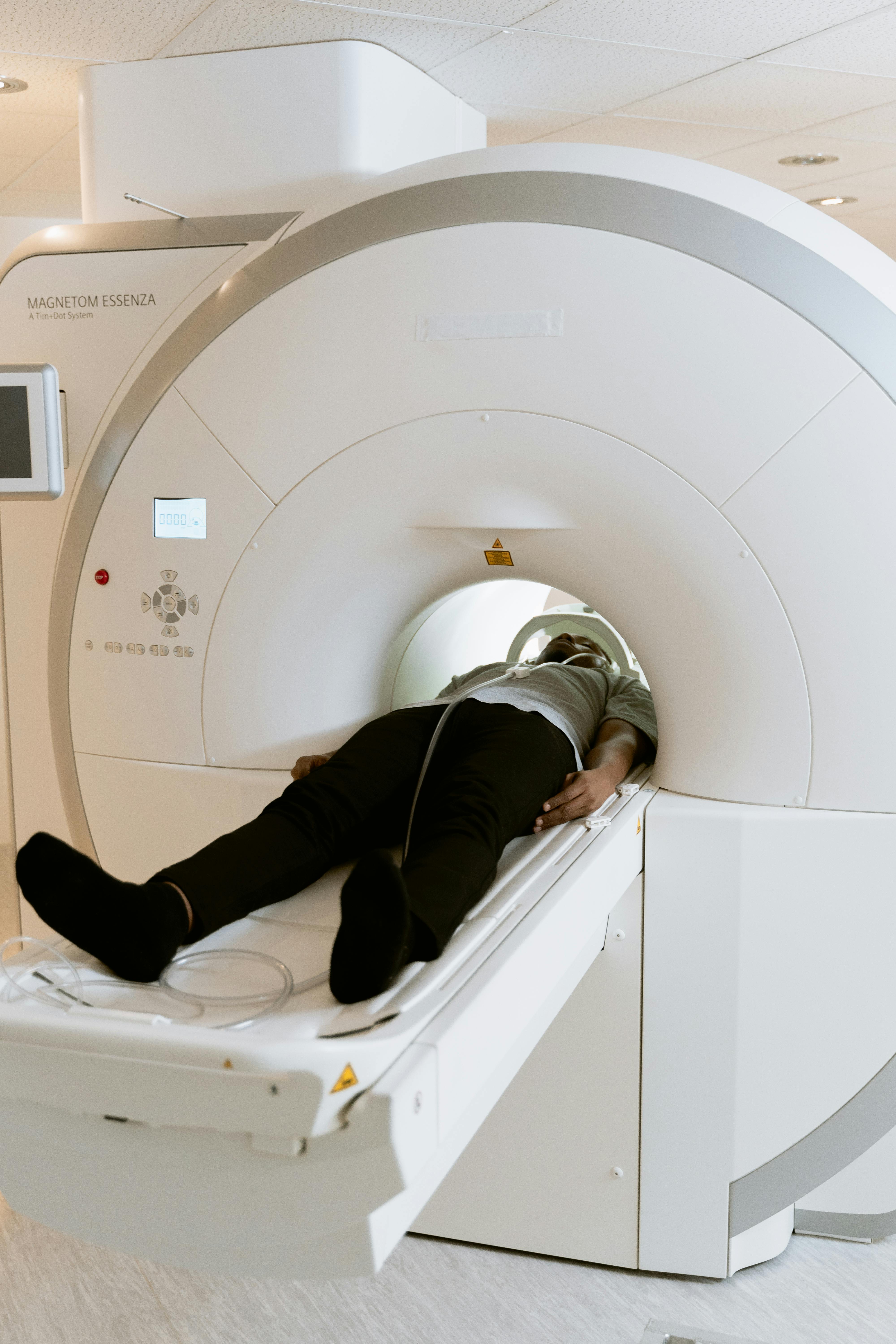
So, what is it really? It is a premium screening choice for people who want detail, can afford the cost, and understand that information carries responsibilities. Truth is, health is not luxury theater. It is serious work.
Core benefits and importance
There are real reasons people book a full body MRI scan in London. There are also bad reasons, and the internet happily mixes the two. Let’s separate them.
- No ionizing radiation: Unlike CT, MRI does not use X-rays. That matters for people who want to avoid radiation exposure, especially if they anticipate repeat scans over time.
- Broad soft-tissue detail: MRI excels at organs, muscles, ligaments, discs, and many soft tissue structures. It is one of the better tools for seeing the body’s hidden mechanics.
- Potential early detection: Some abnormalities can be found before symptoms become obvious. That can matter a lot if you have family history or specific concerns.
- Peace of mind: For anxious people, a clean report can reduce guesswork. For some, that alone is worth paying for. Not glamorous, just human.
- Useful baseline data: A scan can serve as a reference point for future comparison, which may help if something changes later.
Still, I am not going to pretend the benefits come without friction. A scan can reveal benign cysts, incidental findings, or tiny irregularities that mean little on their own but trigger more appointments. That is the price of seeing more. More detail brings more questions. More questions bring more bills.
This is why the best clinics do not just dump images on you and wave goodbye. They explain the findings, the likelihood of significance, and the next steps. If a clinic cannot do that, it is selling anxiety with a polished reception desk. Frankly, that is beneath the dignity of good care.
There is also a deeper point. People often treat health screenings like trophies, but serious screening is closer to prudence than vanity. It reflects a respect for the body and for the craftsman’s precision of modern medicine. Beauty, in a modest sense, shows up in order, clarity, and truthful limits—not in puffed-up promises.
I’ve reviewed enough premium health services to know that the real value is not the equipment alone. It is the blend of image quality, radiologist expertise, patient communication, and follow-up support. Miss one piece, and the whole thing gets flimsy fast.
For people comparing private screening options in the UK, it also helps to read broader guidance from the UK diagnostic imaging standards. High-end does not excuse sloppy process. It just charges more for it.
And yes, a well-run full body MRI can matter when time is scarce and uncertainty is costly. The body is not a toy, and serious people know that early clarity can save grief later. That is the plain truth.
Step-by-step guide to choosing the right scan
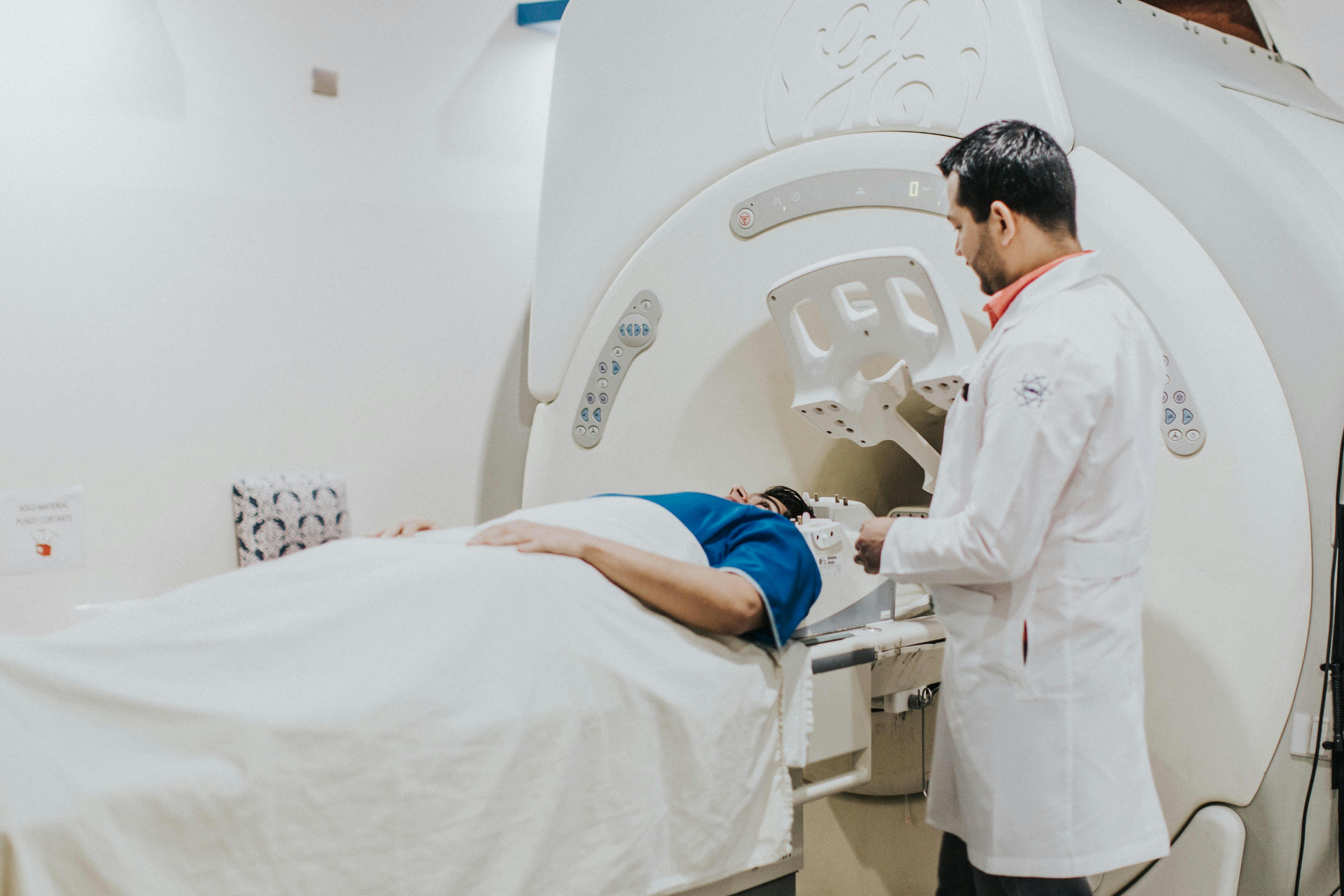
If you are going to book a full body MRI scan in London, do it properly. Most bad outcomes come from careless selection, not from the machine itself. Here is the process I would use, and yes, I’ve seen enough glossy nonsense to know what actually matters.
- Define your reason. Are you screening because of family history, symptoms, anxiety, or a general desire for a baseline? Be honest. If you cannot state the reason, you probably should not spend the money yet.
- Check what is included. “Full body” means different things at different clinics. Some scan only major organs; others include joints, brain, and spine. Read the package details, not the headline.
- Look at radiologist reporting. A scan is only as good as the person interpreting it. Board-certified radiologists with strong experience in body MRI should be non-negotiable.
- Ask about follow-up. If something odd shows up, what happens next? Good clinics explain escalation, referrals, and turnaround times.
- Review contraindications. Metal implants, pacemakers, severe claustrophobia, and other factors may affect eligibility. This is not optional reading.
- Compare cost with aftercare. A cheaper scan that leaves you confused is not cheaper. It is just worse value.
- Prepare sensibly. Follow instructions on fasting, clothing, and arrival time. The machine is not impressed by your improvisation.
The best selection process is boring. That’s a compliment. Good healthcare is often unsexy and methodical, which is exactly how it should be.
If you want reliable context before booking, I suggest comparing service claims with mainstream clinical guidance, such as the Mayo Clinic MRI overview. It will not flatter the marketing copy, and that is a good thing.
When I examined premium screening services, one pattern kept repeating: the best providers explain uncertainty instead of hiding it. That matters. People deserve plain speech, not theatrical reassurance. A little humility goes a long way in medicine.
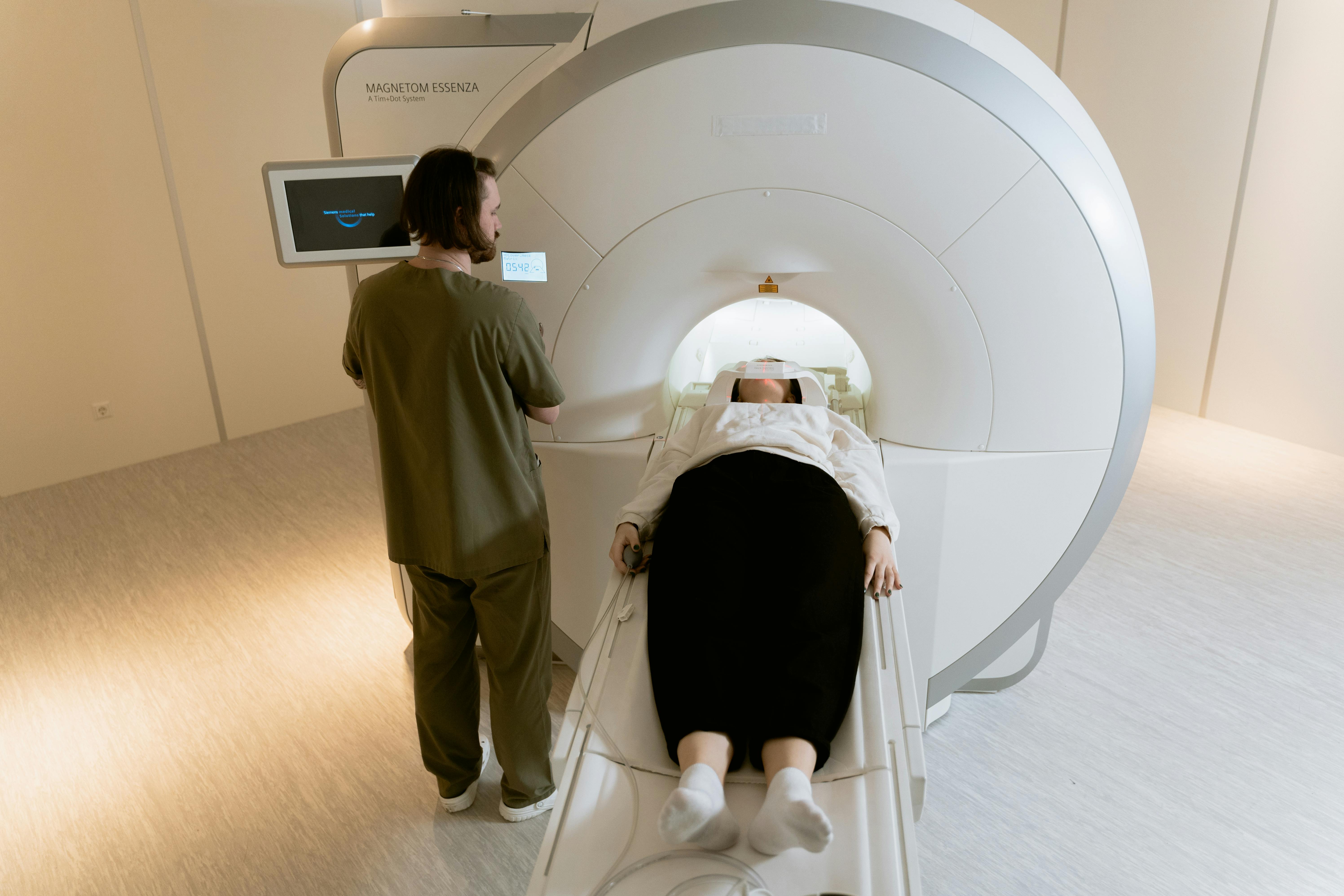
So choose the clinic the way you would choose a serious artisan: by skill, honesty, and consistency, not by the shine of the brochure. Fancy logos do not read scans.
Comparison table
| Feature | Full Body MRI Scan in London | Standard NHS Diagnostic Pathway |
|---|
| Speed | Often fast booking and quick results | Depends on symptoms, triage, and waiting lists |
| Scope | Broad screening across multiple body areas | Targeted to the clinical question |
| Radiation | No ionizing radiation | Varies by test; some use radiation, some do not |
| Cost | Private, often expensive | Publicly funded if eligible |
| Incidental findings | More likely due to broad imaging | Usually fewer, because testing is targeted |
| Best for | People wanting proactive screening and baseline detail | People with symptoms or clinical indications |
| Risk of overtesting | Higher if used without clear reason | Lower when guided by symptoms and exam |
The table tells the story plainly. Private MRI offers speed and breadth, but breadth has a cost. The NHS pathway is slower, yet it is built around medical need rather than consumer appetite. Both have value. Only fools pretend one size fits all.
If you are exploring health screening as part of broader premium living and wellness, it helps to read high-quality guidance rather than influencer chatter. One useful starting point is the NHS health check overview, which shows the logic of targeted prevention. That logic is sober, and sobriety is underrated.
Common mistakes to avoid
Most mistakes around a full body MRI scan in London come from bad expectations. That is where the trouble begins. Not with the scan. With the fantasy around it.
First mistake: choosing the cheapest clinic. Cheap imaging can be fine, but if the reporting is weak or the follow-up is vague, you have bought a polished headache. I’ve seen this too many times. Price alone is a crude filter.
Second mistake: believing a scan can prevent every disease. It cannot. MRI is powerful, but it does not replace history, physical examination, blood work, or specialist care. Anyone selling it as an all-seeing oracle is either ignorant or shameless.
Third mistake: ignoring incidental findings. If the report raises a question, do not shrug it off because the clinic used comforting language. Get a proper review. Prudence beats denial.
Fourth mistake: ordering a scan without a reason. Pure curiosity can be expensive, and anxiety can multiply when minor findings are uncovered. More information is not always more peace.
Fifth mistake: failing to ask about reporting quality. The radiologist matters. The review format matters. The explanation matters. A machine without expert interpretation is just a very costly box of magnets.
Here is the kicker: a good scan can still lead to a bad experience if the patient is not prepared for uncertainty. Medicine has limits. People dislike that, but reality does not care. Honest care admits what it can and cannot do, which is a kind of moral cleanliness that too many premium services lack.
For deeper medical context, the Cancer Research UK MRI scan guidance is useful because it explains how MRI is used in real clinical practice rather than fantasy marketing. That gap matters.
Let's be real: the body deserves careful attention, but not obsession. Good screening should serve wisdom, not panic.
Frequently asked questions
Is a full body MRI scan safe?
Generally, yes, for most people. MRI does not use ionizing radiation, which is one reason it is widely used. But safety depends on implants, metal fragments, and individual medical circumstances. Always disclose your history.
What can a full body MRI detect?
It can detect many structural issues, including masses, cysts, inflammation, spine problems, and certain organ abnormalities. It cannot detect everything, and it is not a replacement for all other medical tests.
How long does the scan take?
It varies by clinic and package, but many full body MRI appointments take around 45 minutes to over an hour. Add time for paperwork and reporting. The waiting, sadly, is part of the bill.
Is it worth paying privately in London?
Sometimes. If you have risk factors, specific concerns, or strong desire for proactive screening, it may be worthwhile. If you are expecting perfect certainty, you will be disappointed. The honest answer is conditional, not absolute.
The same principle appears in responsible medical advice from bodies like the Royal College of Radiologists guidance: use imaging when it answers a real question. That is not flashy, but it is wise.
Final thought: a full body MRI scan in London can be a smart health decision when it is chosen for the right reasons, interpreted by competent professionals, and followed by sensible action. The best medicine is never just more data. It is truthful data, rightly used, in service of a human being with dignity, limits, and responsibilities.