High jewellery compresses history and craft into wearable art.
High Jewellery Reimagined: How Maisons Translate Heritage Motifs into Modern Masterworks
High jewellery compresses history and craft into wearable art.
It rewrites maison codes through cut stones, emblematic motifs, and modern silhouettes—translating heritage icons into contemporary creations that still speak of lineage and expertise.
Not empty hype.
Key Takeaways:
- High jewellery combines Craftsmanship, Heritage, and rare Materials to create pieces that are both aesthetic and often long-term Investment Value.
- Maison codes are translated using reinterpretation of motifs, new gem cuts, technical feats, and narrative-driven design, not just logo repetition.
- Choose pieces by judging provenance, workmanship, and resale data rather than marketing claims.
What is High Jewellery?
High jewellery crowns the trade’s hierarchy.
It uses exceptional gems, hand-executed techniques, and bespoke design to create one-of-a-kind or extremely limited pieces—rendering jewels that are judged as much by their technique as by their sparkle, and that are often shown during couture presentations with theatrical narratives and precise archival references.
Is it necessary for everyone? No.
When I examined hundreds of pieces over years, what actually separates high jewellery from mere luxury is the precision of the setting, the rarity of the stones, the clarity of the theme, and the way a motif is translated across a collection.
Frankly, most marketing is pretentious nonsense.
The real indicators are provenance paperwork, atelier photos showing handwork, and the presence of technical feats such as invisible settings, articulated links, or complex pavé that demands master setters.
The spiritual thread matters too; beauty in these pieces often reflects a sense of order and reverence for craft, a quiet echo of the idea that excellence honors what is given.
Core Benefits and Importance
Short-term allure draws the eye.
Long-term value comes from scarce gems, meticulous finishing, and the house’s documented history—those factors drive both cultural value and potential investment returns, particularly when auction records and museum loans confirm the piece's significance.
Want one that holds or gains value? Look to firms with consistent auction results and archival care.
Here are the concrete benefits:
- Craftsmanship: Hand-finished settings, complex metalwork, and advanced gem cuts reduce risk of failure and increase longevity.
- Heritage: Maison archives and historic motifs offer storytelling that buyers actually value, provided the work is original and not mere retro logos.
- Materials: Exceptional diamonds, rare colored gems, and sometimes historical cameos define the top tier—lab reports from GIA or equivalent are non-negotiable.
- Investment Value: Some pieces appreciate, especially signed pieces with unusual stones or provenance; but not every flashy necklace will rise in value.
- Design Integrity: Cohesive themes, balanced proportions, and wearable engineering matter for long-term enjoyment and preservation.
Step-by-Step Guide to Selecting High Jewellery
Start with a clear rationale.
Are you buying for pleasure, display, or capital growth? Make that choice first, because it determines the questions you ask of the seller, the reports you demand, and the aftercare you'll need to budget for.
I’ve reviewed brand after brand, and here’s what actually works when choosing high jewellery.
- Verify provenance and paperwork. Demand lab reports, atelier photos, and any archival references; if you can’t get them, walk away.
- Inspect craftsmanship in person. Look for symmetry, prong cleanliness, flush pavé, and secure articulations; technical details reveal true skill more than brand rhetoric.
- Assess motif translation. Prefer pieces that transform a motif through scale, material mix, or new gem cuts rather than simple logo repetition.
- Consider materials beyond headline stones. Metal alloys, backing work, and clasp engineering all affect longevity and daily wear.
- Ask about post-sale services. Maintenance, re-polishing, and remounting ensure stewardship; serious maisons offer clear programs.
- Compare resale and auction history. Check recent auction results for similar maisons and motifs; statistics show which names reliably retain or gain value.
- Think of wearability. Ensure the piece suits your life; if it’s only for galas, accept the additional care costs.
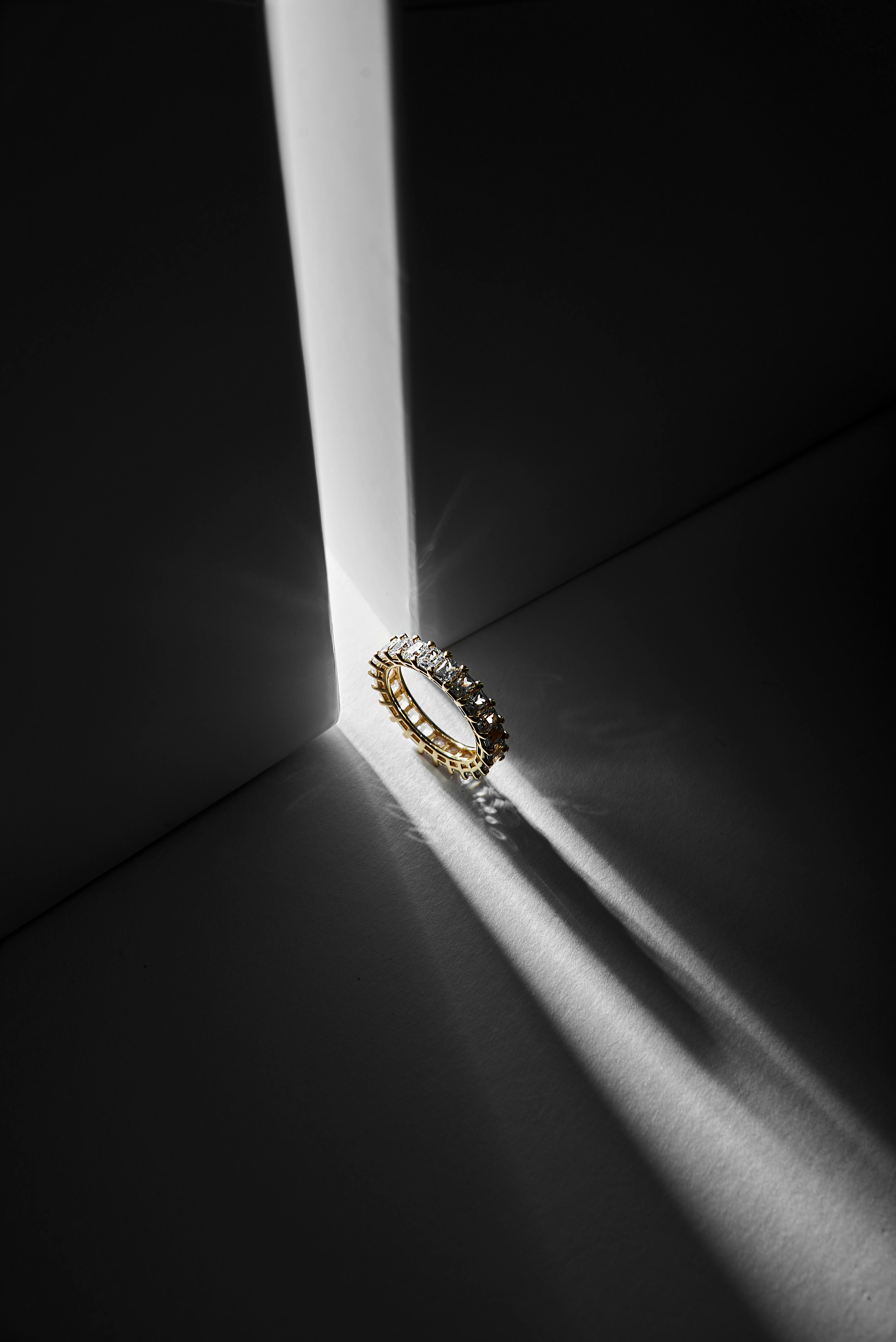
Comparison Table
Below is a compact comparison between high jewellery from maisons and more widely produced fine jewellery, to clarify what you're paying for.
| Feature |
High Jewellery (Maison) |
Ready-to-Wear Fine Jewellery |
| Materials |
Exceptional gemstones, rare colored stones, high-carat diamonds |
Commercially available stones, smaller carat sizes |
| Craftsmanship |
Hand-executed, atelier-based, bespoke techniques |
Machine-assisted, standardized production |
| Rarity |
Limited or unique pieces, bespoke commissions |
Broader production runs, repeat designs |
| Investment Value |
Higher potential if provenance and rarity proven |
Lower upside, higher liquidity for mainstream brands |
| Motif Translation |
Deep archives, reinterpretation of house codes |
Brand motifs often repeated without reinterpretation |
| Aftercare |
Comprehensive atelier service and restoration |
Basic services through retailer |
Common Mistakes to Avoid
Buy on impulse because of a name.
That’s the classic misstep, and most buyers are tempted by logo and price tag rather than technical quality, which is why due diligence is indispensable if you want durability and value rather than a quick thrill.
Don’t be that person.
- Mistake 1: Relying solely on brand prestige; prestige helps, but it doesn’t protect you from poor settings or over-graded stones.
- Mistake 2: Ignoring documentation; no certificate equals uncertain value, so insist on GIA or equivalent.
- Mistake 3: Overlooking wearability; gorgeous brooches that damage clothing are design failures.
- Mistake 4: Confusing fashion hype with craft; theatrical couture can obscure thin construction.
- Mistake 5: Neglecting stewardship planning; budget for insurance, safe storage, and conservation.
Frequently Asked Questions
Q: How does high jewellery differ from haute joaillerie presentations?
A: Short answer first. They are the same concept with language shifts by region; both indicate top-tier creations built around exceptional gemstones, technical setting, and limited production, often shown during couture week with theatrical displays and archival narratives.
Q: Are high jewellery pieces a good investment?
A: Quick reply: sometimes. Pieces with rare stones, verified provenance, and a tie to a major maison's important archive have the best odds of appreciation, but mid-market jewelry rarely gains steeply, so buy what you love and treat any appreciation as a bonus.
Q: How should I verify a piece's authenticity and value?
A: Obtain lab reports and archival references, inspect craftsmanship in person or through detailed imagery, consult auction results for comparables, and ask for atelier documentation; if you can’t get these, reconsider the purchase.

Final Thought
Beauty in high jewellery strikes deeper than flash.
It rewards a patient eye, careful stewardship, and respect for craft—qualities that echo a larger sense that excellence reflects something beyond mere utility, and that treating objects with care honors the work of hands and the gifts of creation.
Buy with evidence, insist on documentation, and respect the labor that made the piece, because excellence is a moral good as much as an aesthetic one.
{
  "@context": "https://schema.org",
  "@type": "FAQPage",
  "mainEntity": [
    {
      "@type": "Question",
      "name": "How does high jewellery differ from haute joaillerie presentations?",
      "acceptedAnswer": {
        "@type": "Answer",
        "text": "They are the same concept; both indicate top-tier creations built around exceptional gemstones, technical setting, and limited production, often shown during couture week with theatrical displays. The maison's archival motifs and their reinterpretation define the collection's narrative."
      }
    },
    {
      "@type": "Question",
      "name": "Are high jewellery pieces a good investment?",
      "acceptedAnswer": {
        "@type": "Answer",
        "text": "Sometimes. Pieces with rare stones, verified provenance, and a tie to an important maison archive have the best odds. Buy what you love and consider appreciation a bonus; stewardship preserves value."
      }
    },
    {
      "@type": "Question",
      "name": "How should I verify a piece's authenticity and value?",
      "acceptedAnswer": {
        "@type": "Answer",
        "text": "Obtain lab reports and archival references, inspect craftsmanship in person or with high-resolution images, consult auction results for comparable pieces, and ask for atelier documentation. If these are unavailable, reconsider the purchase."
      }
    }
  ]
}

Selected sources and further reading: Christie’s: What is High Jewellery?, Sotheby’s: What Is High Jewellery?, Robb Report: Jewellery Coverage, Vogue: Haute Joaillerie.