<strong>Luxury spirits target seasonal gifting.</strong> <strong>Luxury spirit houses design Lunar New Year editions to marry cultural symbolism, artisanal...
How Luxury Spirit Houses Use Lunar New Year Editions to Capture the Gifting Market
Luxury spirits target seasonal gifting. Luxury spirit houses design Lunar New Year editions to marry cultural symbolism, artisanal packaging, and limited availability so they can meet gifting demand while signaling heritage, craftsmanship, and potential investment value to affluent buyers in markets that prize ritual and presentation. It works.
Key Takeaways:
- Scarcity and culturally resonant design drive urgency and premium pricing.
- Look for genuine Craftsmanship and verified provenance rather than flashy boxes alone.
- Stewardship—proper storage and respect for tradition—preserves both value and dignity.
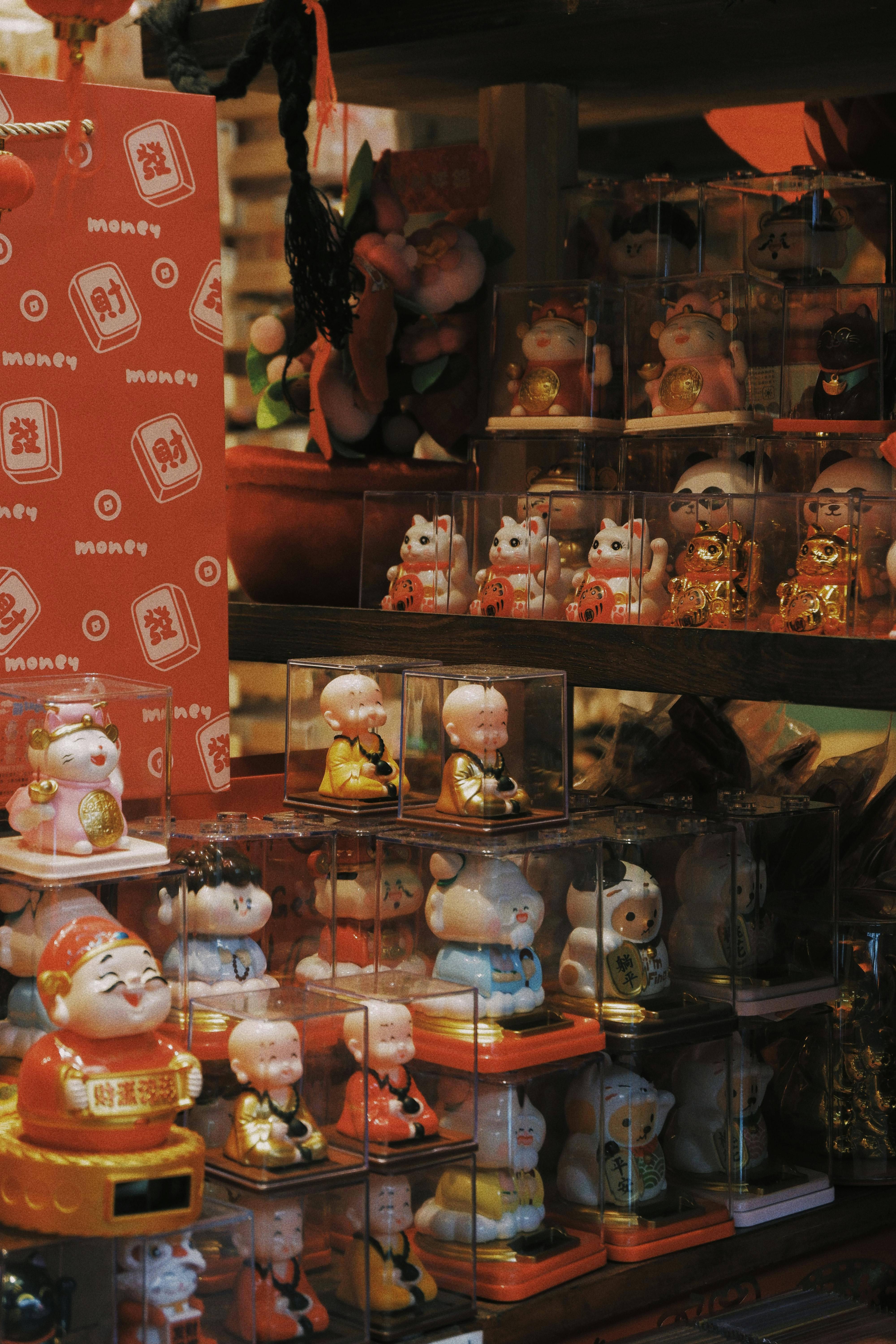
What is Luxury Lunar New Year Editions?
Luxury releases honor custom. Luxury Lunar New Year editions are limited-run bottlings created by distilleries and houses that combine special liquid, bespoke packaging, and culturally attuned visuals—often developed with local artists—to provide premium, ready-to-gift products for a festival that drives concentrated purchases across Asia and the diaspora. I’ve reviewed many of these and the ones that last focus on substance over spectacle.
Design and craftsmanship matter. These editions typically feature higher-grade materials such as lacquer, silk, enamel, gold leaf, or hand-stitched presentation cases, and the collaboration with artisans amplifies the sense of rarity while emphasizing the brand’s commitment to craft and heritage. The best releases also disclose cask details, age, and provenance to back claims.
Storytelling without honesty fails. When brands offer narrative—tie-ins to the distillery’s history, archival casks, or a named cooperage—collectors take notice; when narratives are thin or misleading, the secondary market punishes them quickly. Respect matters.
Sources exploring these practices include reporting on premium bottles and festival editions from trade and general press such as South China Morning Post, Forbes, and industry-focused outlets like The Drinks Business, which document market interest and release strategies.
Core Benefits/Importance
Scarcity creates desire. Limited runs—often numbered and capped—signal collectability and cause a buying spike during festival windows when affluent consumers are actively seeking meaningful gifts, which helps brands move inventory at higher margins while building halo effect for regular SKUs. Urgency sells.
Cultural resonance boosts relevance. Packaging that references the zodiac, calligraphy, or colors associated with prosperity speaks directly to buyers who value symbolic gifts, making the product appropriate not just as a consumable but as a ritual object for family and corporate exchanges. Symbols matter.
Provenance underpins long-term value. When bottles include cask numbers, warehouse records, and distillery-verified age statements, they become far more attractive to collectors and auction houses, thereby enhancing potential resale value and the brand’s reputation for integrity. Documentation counts.
Brand equity benefits. Properly executed festival editions convey seriousness about heritage and craftsmanship, which can elevate a brand’s entire portfolio when communicated across markets; conversely, shallow tie-ins can cheapen standing. Be wary of fluff.
Market timing aligns with demand spikes. Releasing in advance of Lunar New Year puts products into gift-focused purchase cycles; however supply, distribution, and pricing must be calibrated to avoid overhang or under-supply that frustrates clients. Timing is tactical.
Step-by-Step Guide/Selection Process
Start with the liquid. Begin by assessing age statements, cask types, finishing regimes, and independent reviews or auction records, because the liquid’s intrinsic quality is the primary driver of long-term value and repeat collector interest. Liquid first.
Check provenance closely. Request chain-of-custody documentation, bottling notes, and serial numbers; brands that provide cooperage data and warehousing logs reduce risk and increase confidence among savvy buyers and auction houses. Ask questions.
Assess packaging materials. Look for authentic artisanal inputs—lacquer, enamel, hand-blown glass, or precious metal accents—because these tactile details are harder to counterfeit and they justify premium pricing when quality is verifiable. Feel it.
Understand run size and distribution. Small, regionally controlled editions that are properly documented tend to hold value, while large ‘limited’ runs often do not; also consider whether the brand restricts sales to certain markets which can affect scarcity and demand. Numbers matter.
Consider cultural fit. Match the bottle’s symbolism and style to the recipient’s cultural expectations—this is where collaboration with authentic artists pays off and where brands that consult local advisors avoid missteps. Design with respect.
Plan for stewardship. Make arrangements for proper storage, documentation safekeeping, and insurance if the purchase is a serious investment, because poor care undermines even the finest provenance and craftsmanship. Protect it.
For practical case studies and market analysis, see reporting from Robb Report and auction coverage on Decanter, which highlight how provenance and limited runs interact with collector demand.
Comparison Table
Below is a clear, markdown-style comparison of a typical Luxury Lunar New Year Edition versus a Standard Seasonal Release. The differences are practical and measurable.
| Feature | Luxury Lunar New Year Editions | Standard Seasonal Releases |
|---|---:|---:|
| Run Size | Very limited (often <5,000) | Larger, often regional runs |
| Packaging | Hand-finished, artist collaborations | Mass-produced, standard boxes |
| Price Premium | High — justified by materials and provenance | Low to moderate, mainly marketing-driven |
| Cultural Resonance | Deep: uses motifs and local artisans | Surface-level or generic seasonal themes |
| Investment Potential | Strong if provenance and liquid quality are robust | Weak, usually stable consumption items |
Common Mistakes to Avoid
Don’t buy sight unseen on hype. Buying purely for novelty is a fast route to regret; instead, prioritize the quality of the spirit, proof of provenance, and the realism of the run size before you part with serious money. Hype fades.
Avoid packaging-only purchases. Heavy decoration without a matching liquid is expensive wallpaper; if the story is all style and no substance, resale and enjoyment evaporate quickly, which is obvious to collectors and auction houses alike. Substance beats shine.
Watch for cultural missteps. Brands that appropriate symbols or use them carelessly risk backlash in social and trade media; culturally aware design requires consultation and humility rather than a checkbox approach. Respect matters.
Don’t neglect storage and paperwork. Collectors know that provenance and condition are the twin pillars of value; losing paperwork, opening bottles prematurely, or exposing them to heat can nullify any future appreciation. Protect the asset.
Ignore the secondary market at your peril. If you plan to invest, study auction records and reach out to trusted dealers or auction houses for valuation context rather than guessing at future scarcity. Research helps.
Frequently Asked Questions
Are Lunar New Year editions a good investment? They can be, but only when provenance, liquid quality, and scarcity are all transparent and verifiable; otherwise you’re often paying a premium for packaging alone. Be skeptical.
Which spirits work best as festival editions? Whiskies, cognacs, and high-end baijiu perform well due to a mix of collectability and cultural familiarity, while premium rums and tequilas are increasingly viable in certain markets. Choose by audience.
How should I store a collectible bottle? Store upright in a cool, dark place with stable temperature and humidity, keep original packaging and documentation, and consider insurance for high-value pieces. Care preserves value.
Where can I find trustworthy information on releases? Follow industry outlets and auction-house reports, and consult trusted specialty retailers who publish cask and bottling details; transparency is the sign of a reliable release. Ask for records.
Final Thought
Luxury Lunar New Year editions can be beautiful expressions of craft. When luxury houses commit to genuine craftsmanship, respect cultural motifs, and provide full provenance, they do more than sell a bottle—they create a ritual object that honors recipients, supports artisans, and rewards careful collectors. That’s rare and good.
Stewardship is essential. Buying and preserving fine objects—whether watches, jewels, or spirits—reflects a modest form of stewardship that values work and beauty, a principle I think of often when I assess whether a product is worth the premium it demands. Keep faith with craft.
Be wary of pretense. Most luxury marketing is pretentious nonsense, and buyers should expect less bluster and more verifiable quality; reward brands that demonstrate humility and excellence rather than theatricality alone. Demand substance.

Further reading and market context: South China Morning Post, Forbes, The Drinks Business, Robb Report, and Decanter.
Internal context: see our coverage on Spirits, Travel for festival travel packages tied to releases, and Culture for the art and symbolism behind designs.