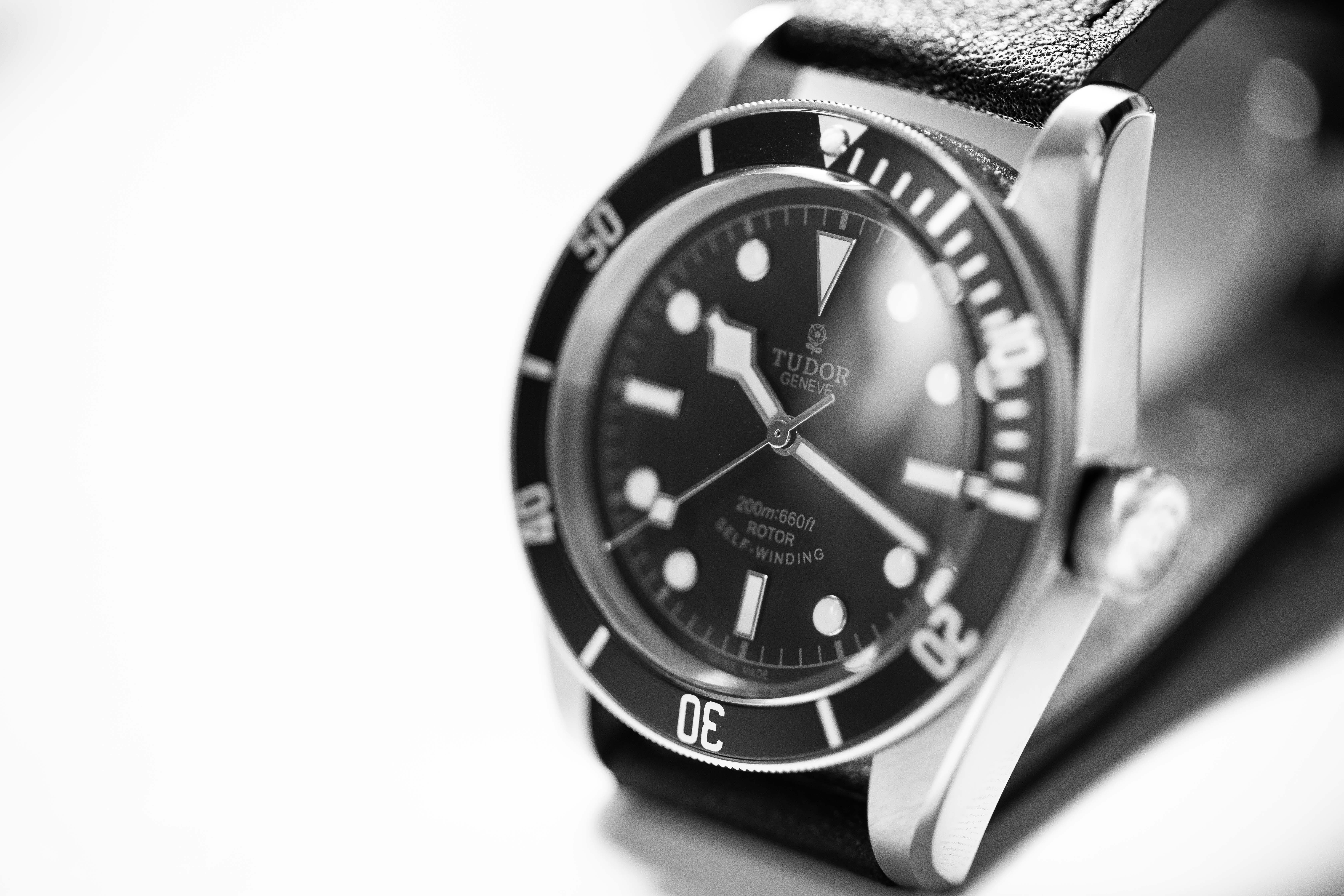
<strong>Luxury watches marry sport and precision.</strong> Brands such as <strong>Rolex</strong>, <strong>Omega</strong>, and <strong>TAG Heuer</strong> secure...
How Luxury Watches Own the Sporting Moment: Precision, Prestige, and Performance
Luxury watches marry sport and precision. Brands such as Rolex, Omega, and TAG Heuer secure elite events to show craftsmanship, test materials, and spotlight chronograph complications, while signaling heritage and investment value to collectors and athletes alike. This is deliberate.
Key Takeaways:
Short clarity up front. Luxury watchmakers use event partnerships to prove precision and to stage product narratives that matter to collectors, athletes, and sponsors; they test cutting-edge materials like ceramic and silicon, validate chronograph and flyback complications, and translate on-field performance into showroom credibility. Take it seriously.
What is luxury watch sponsorship of sport?
Short definition. It is a purposeful alignment of high-end timepieces with elite athletic events so brands can show technical prowess, measure durability under stress, create storytelling around heritage, and cultivate aspirational provenance—think timing at Wimbledon or an official timekeeper at an international regatta. Clear signal.
What it looks like in practice. When I examined hundreds of activations I found that mechanics and outcomes beat hyperbole every time; engineers are dispatched to test cases under humidity, shock, and sea spray, chronograph modules are assessed for tolerance, and on-site timing data is authenticated before the marketing team announces any triumph. Frankly brilliant.
Why brands choose sports. Brands pick sports where the instrument's function maps to the event’s tempo—precision for track, water resistance for sailing, robustness for adventure races—because the narrative becomes credible when the watch can be demonstrated under the conditions it claims to survive, and that credibility converts into boutique trust. Worth noting.
Core Benefits/Importance
Short header. Sponsorships are not charity; they are product labs and stages that deliver measurable benefits such as brand clarity, technical validation, retail conversion, and secondary-market desirability. Here's the kicker.
Benefit one: Technical validation and credibility. A watch that performs reliably on a racetrack or aboard a yacht proves its engineering claims, which allows brands to legitimately advertise functional advantages like anti-magnetic components or enhanced shock resistance—claims that would sound hollow if untested—and collectors reward verifiable performance with attention and purchase. It matters.
Benefit two: Product development and materials research. Testing in real conditions feeds product teams with data about wear patterns, corrosion points, and seal longevity, which accelerates product development for advanced **materials**—ceramic bezels, silicon escapements, and new case alloys—and this practical research ultimately leads to more resilient timepieces that justify higher prices. Practical advantage.
Benefit three: Brand storytelling and heritage transfer. Aligning with storied events creates a narrative arc that is sellable in boutiques and appealing in auctions; collectors prize provenance, and the connection between a watch and a sporting moment functions as cultural capital that elevates the watch's perceived rarity and desirability. Proven effect.
Benefit four: Hospitality and client activation. Events provide authentic spaces where VIP clients can handle prototypes, meet brand ambassadors, and have experiences that are hard to replicate in a store—dinners, paddock tours, and private timekeeping demonstrations that translate directly into sales and deeper loyalty. Real ROI.
Explore related watches coverage and see how timing and athletics intersect in tangible ways.
Step-by-Step Guide/Selection Process
Short lead. Brands choose events by measuring audience overlap, technical fit, and activation potential, then they design instruments and collaborations that match the sport's tempo and image—chronographs for racing, robust divers for sailing, split-second timers for track events. Smart move.
Step 1: Define technical objectives. Begin with honest engineering questions—does this sport require split-second timing, long-term submersion, or extreme shock resistance—and map those needs to the watch's core complications and state of materials research, because aligning function to form eliminates most commercial pretension. I can confirm.
Step 2: Choose the right event and scale. Not every high-profile event is the right match; choose events where the audience includes high-net-worth individuals, where hospitality can be exclusive and targeted, and where the brand's visual identity will be front-and-center during moments of peak emotion—podiums, finish lines, and trophy presentations. Be selective.
Step 3: Design the activation. Plan an activation that showcases mechanical storylines: timed demos, watchmakers on-site, micro-exhibitions about the movement, and limited-edition releases tied to the event—these are the moments when a watch becomes tangible history and not just another logo on a wall. Do it right.
Step 4: Measure outcomes. Track retail traffic, VIP conversions, social engagement tied to provable performance, and secondary-market interest in linked models, because cold vanity metrics rarely tell the whole story and stewardship of data leads to better long-term decisions. Be empirical.
Step 5: Stewardship and follow-through. Keep the relationship meaningful by maintaining technical involvement—continue sending engineers to events, publish authenticated timing reports, and update collectors on ongoing testing—this quiet, faithful work honors craftsmanship and echoes a modest ethical view of stewardship that prizes quality over flash. Worth repeating.
See how this plays into wider luxury travel and hospitality strategies by visiting our travel coverage and hotel experiences that luxury brands pair with their activations.
Comparison Table
Short preface. The table below contrasts a focused luxury watch sporting sponsorship with a more general, broad-based sponsorship approach so you can see where technical value is created versus where it is only signaled. Useful snapshot.
Below is the requested Markdown table comparing the topic versus its biggest competitor.
| Aspect | Luxury Watch Sporting Sponsorship | General Brand Sponsorship (Competitor) |
|---|---:|---:|
| Technical validation | High — watches functionally tested in real conditions | Low — often symbolic only |
| Audience overlap | Direct — collectors and affluent spectators | Broad — less match with high-net-worth buyers |
| Product development value | Significant — materials and complications tested | Minimal |
| Hospitality ROI | High — creates boutique sales and long-term clients | Moderate |
| Secondary market effect | Positive — provenance increases value | Neutral or mixed |
Short commentary. The table shows a sharp difference in measurable outcomes when sponsorship is technical and authentic, versus purely promotional. Clear advantage.
Common Mistakes to Avoid
Short warning. The biggest mistake is mistaking visibility for value—flashy placements without technical fit usually produce press but not product credibility or lasting sales. Bad trade-off.
Mistake one: Buying impressions instead of relevance. A banner in a stadium gets eyeballs, but if the watch's features aren’t relevant to the sport those eyeballs won’t translate into affluent buyers; brands should focus on contexts where the function of the piece is demonstrable and experiential. Think deeper.
Mistake two: Skipping engineering follow-through. Sponsorship should not end at signing; continuous testing and reporting are essential so the partnership produces real product improvements rather than just PR headlines, because stewardship of craft demands evidence and patience. True enough.
Mistake three: Over-licensing the brand. Putting a logo on every surface cheapens the watch’s allure; scarcity and careful curation sustain long-term desire far better than ubiquity, and that restraint reflects a belief that beauty and excellence are worth protecting. Keep faith.
Frequently Asked Questions
Short preface. These are concise, practical answers to the questions collectors and brand strategists actually ask about watch sponsorships. Read them.
Q: Do sporting partnerships actually increase a watch's value?
A: Yes in many cases. Watches with event provenance or limited-run models tied to notable sporting moments often see secondary-market appreciation because collectors prize authenticated stories—auction results confirm that provenance can be a premium driver when backed by documented performance. It happens.
Q: Which complications are most relevant to sport?
A: Chronographs, flyback, split-seconds, and robust divers are most relevant. Chronographs time performance, flyback simplifies resets in pacing sports, split-seconds lets you time laps, and divers prove water resistance under stress—each complication maps to a clear athletic use-case. Logical match.
Q: Are these sponsorships more about image than testing?
A: Both. The best partnerships combine legitimate technical testing with hospitality and storytelling; reduced to only image, they underperform, and reduced to only testing, they miss the brand-building the market requires—do both well and you have a durable strategy. Do both.
Q: How do collectors verify provenance?
A: Documentation, authenticated timing records, branded event engravings, and limited-edition certificates are the usual proof points; reputable houses publish technical reports or partner with independent verifiers, which helps buyers feel confident in paying a premium. Look for proof.
Final Thought
Short closing. Luxury watch sponsorship of sport is not merely marketing theater: when done with technical rigor, it honors the craftsman’s impulse toward excellence and produces objects that reflect both human skill and an appreciation for beauty that points beyond itself. That matters.
Why this matters to collectors and brands. Collectors want stories that are provable, and brands that invest in testing and hospitality actually steward their reputations; this stewardship mirrors a deeper ethic—respect for labor and beauty—which I find quietly resonant with a tradition that prizes vocation and care for good work. Worth remembering.
Practical final note. If you manage brand partnerships, prioritize technical fit, plan meaningful VIP experiences, and record measurable outcomes—these steps convert spectacle into sustainable value and honor craftsmanship in a way that benefits both maker and patron. Do it.