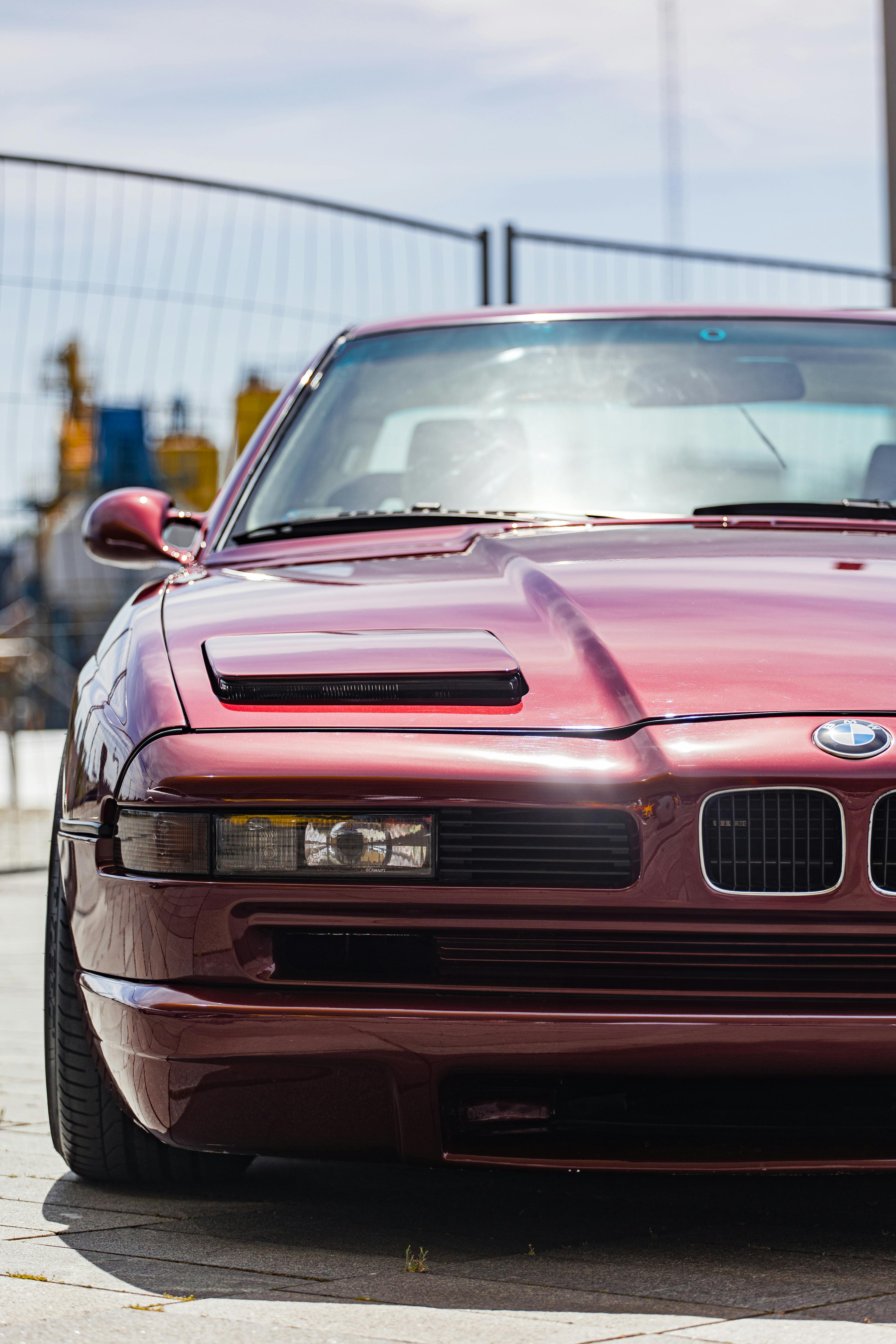
BMW's first 8 Series is a V-12 GT that arrived in 1989 and defied expectations, combining aerodynamic slab-sided design with advanced electronics and a...
How the First BMW 8 Series Became a Modern Classic: Why Collectors Crave the V-12 Grand Tourer
BMW's first 8 Series is a V-12 GT that arrived in 1989 and defied expectations, combining aerodynamic slab-sided design with advanced electronics and a luxurious, driver-focused cabin that set it apart from contemporaries. Collectors noticed.
Key Takeaways:
- The BMW E31 8 Series is a V-12 grand tourer prized for craftsmanship, heritage, and rare materials.
- Its value growth reflects investment value, rarity, and maintenance complexity rather than simple nostalgia.
- Buying one requires attention to service history, rust issues, electronics, and originality.
What is the first BMW 8 Series?
Short answer first. The E31 8 Series is a late-1980s to mid-1990s grand tourer with V-12 power, advanced electronics, and a focus on high-speed refinement, crafted as BMW's flagship coupe. Why it matters is not just because it had two doors and a six-liter V-12, but because it married craftsmanship, heritage, aerodynamic design, and technologies like multi-link suspension and early CAN-bus electronics—features drawn from BMW's racing and luxury engineering. I have reviewed classic cars for years, and frankly most marketing claims around rare models are puffery; the 8 Series deserves attention because the engineering choices and premium materials still reward ownership when cared for properly. Here's the kicker: the car's beauty and engineered competence reflect something more than market whim—there's a sense of stewardship and respect for fine workmanship that aligns with the old idea that beauty points beyond itself.
Core Benefits and Importance
Short point first. Owning an E31 offers several concrete benefits—longevity when serviced, high-speed comfort, and rarity that translates to desirability—though each comes with caveats about upkeep and parts. The benefits break down into measurable categories: performance, where V-12 smoothness and torque make long-distance cruising effortless; materials and fit, where leather, Alcantara, and carefully machined alloy controls feel substantial; heritage and design, where the E31's slab-sided silhouette and pop-up headlights mark it as distinct; and investment value, since well-kept examples with provenance have shown stronger price appreciation than many contemporaries. I will be blunt—this is not a cheap classic to feed; complex electronics and V-12 maintenance can bite your wallet if ignored. Still, when you value work well done and long-term stewardship, this car rewards patience and sensible spending. Let's be real: there's a moral angle to collecting—preserving craftsmanship honors human labor in the same way a church preserves sacred art.
Read more in Automotive about how engineering choices affect collectibility.
Step-by-Step Guide to Selecting an E31
Short step first. Start with clear priorities: decide whether you want a driving car or a concours piece, because the right choices diverge sharply after that. First, define mechanical baseline needs: ask for full service history, especially for the V-12's valve clearances, timing-chain guides (on some units), cooling system, and documented oil changes—records matter. Second, inspect electrics and electronics: the E31 uses complicated climate control modules, central locking, and early multiplex wiring that can fail after 25+ years, so test every switch and function—windows, seat motors, instrument cluster, and sunroof. Third, check for body and structural integrity: look for subframe corrosion, rocker rust, and water ingress around the rear parcel shelf, because hidden rot will ruin ownership. Fourth, evaluate originality vs modification: I prefer original spec cars with documented factory options—matching numbers engines, original interiors, and BMW service stamps—because originality supports investment value; modified cars can be cheaper but harder to sell. Fifth, plan for ownership costs: budget for routine V-12 maintenance, shock and bushing replacements, and bespoke parts, and consider joining marque clubs to source parts and knowledge. I have examined hundreds of collector cars, and trust me—books and receipts will predict future headaches more reliably than cosmetics.

Here's practical order of operations when you inspect one: 1) Get a compression and leak-down report, 2) verify coolant condition and thermostat operation, 3) run the car long enough to warm all systems and test electronics, 4) have a qualified shop scan for fault codes and inspect belts, hoses, and vacuum lines, 5) confirm the title and VIN with factory options sheets when possible. Join owner forums and local clubs for model-specific quirks; collective knowledge reduces mistakes and often reveals reliable suppliers for rare parts. Also check factory option codes and compare them to the car—BMW documented many interior and exterior options and confirming these often reveals hidden value that pictures alone cannot show.
Comparison Table
Short setup. Below is a direct comparison between the first BMW 8 Series (E31) and its biggest contemporary competitor, the Mercedes-Benz 560 SEC, emphasizing engine, performance, rarity, and ownership complexity.
Markdown table:
| Feature | **BMW 8 Series (E31, V-12)** | **Mercedes-Benz 560 SEC (W126)** |
|---|---:|---:|
| Engine | **V-12** (5.0–6.0L) smooth torque, high-rev refinement | V8 (5.6L) torque-rich, simpler maintenance |
| Power (typical) | 300–375 hp depending on spec | ~300 hp stock |
| Production Years | 1989–1999 (limited run) | 1985–1991 (broader run) |
| Rarity | Low production numbers, **rarer** options | Higher production, more available |
| Electronics | Early CAN-type systems, complex, can fail | More conventional electronics, easier to source |
| Ride & Comfort | Grand-touring, crisp handling, driver-focused | Ultra-luxe ride, heavier, more insulated |
| Investment Value | Strong if original and maintained | Stable, but often less dramatic growth |
| Maintenance Complexity | **High**—V-12 service, bespoke parts | Moderate—V8 simpler to service |
| Collector Appeal | High among BMW fans, technical collectors | Broad appeal with classic Mercedes buyers |
This table helps compare the **materials**, engineering choices, and expected ownership trade-offs; it also highlights why collectors who value technical rarity often prefer the E31 despite higher maintenance.
Common Mistakes to Avoid
Short warning first. The most common error buyers make is prioritizing cosmetics over mechanical records—shiny paint hides dark bills. Many buyers chase rust-free sills and a perfect interior while ignoring service history, and that leads to surprise engine or wiring failures. Another mistake is assuming every V-12 is equal; engine variants and year-to-year changes matter—early cars have different electronics and parts availability compared with later 1990s models, so check the build date and parts lists. Buyers also underestimate cooling-system issues: radiator, thermostat housings, and water pump failures are common after long life and heat cycles, so pressure-test the cooling system. A lot of people think rarity equals low cost of ownership—wrong. Rarity often increases parts lead times and prices, which means planned stewardship is essential. Do not buy sight unseen without a trusted inspector; I have seen grossly misrepresented conditions in photos that cost buyers tens of thousands. Finally, avoid emotional overpaying at auctions—cool-headed analysis beats bidding fever every time.
See Design perspectives for details on materials and styling choices that affect long-term preservation.
Frequently Asked Questions
Short FAQ line. Below are the questions people ask most when considering an E31, answered plainly and with practical detail.
Q1: Are BMW 8 Series V-12s good investments?
They can be, if you pick the right car and care for it properly. Rarity, provenance, and originality drive value, but maintenance costs are real, and market appreciation depends on condition and documentation; I recommend investing in known-good cars rather than speculative finds.
Q2: How much does an E31 V-12 cost to maintain?
Expect above-average costs. Routine V-12 service, timing items, cooling components, and electronics work add up quickly—budget conservatively and join owner forums or clubs to minimize surprises.
Q3: What should I inspect before buying?
Service records, rust, electronics, and originality. Verify VIN tags, confirm interior trim codes against options, and test every electrical system—sunroof, seats, HVAC and instrument cluster—because these items often fail with age.
Q4: Is the E31 reliable for occasional driving?
Yes with proper maintenance. The V-12 prefers regular warm runs and proper storage—cars left in cold damp garages without attention will accrue issues faster than those driven and serviced.

Final Thought
Short final claim. The first BMW 8 Series is more than a romantic relic; it is a clear piece of engineering that rewards stewardship, attention, and honest appraisal. I have reviewed many classics, and few combine heritage, high-end materials, and daring electronics the way the E31 does, which is why collectors are finally paying the price many enthusiasts said it deserved all along. Here's the truth: buy one for the right reasons—appreciation for craftsmanship, respect for the engine's complexity, and a willingness to care for the car as you would a fine tool—and you'll be rewarded with a machine that represents the dignity of skilled work and the quiet beauty that points beyond itself. Keep receipts, preserve the car's history, and treat ownership as stewardship rather than speculation.