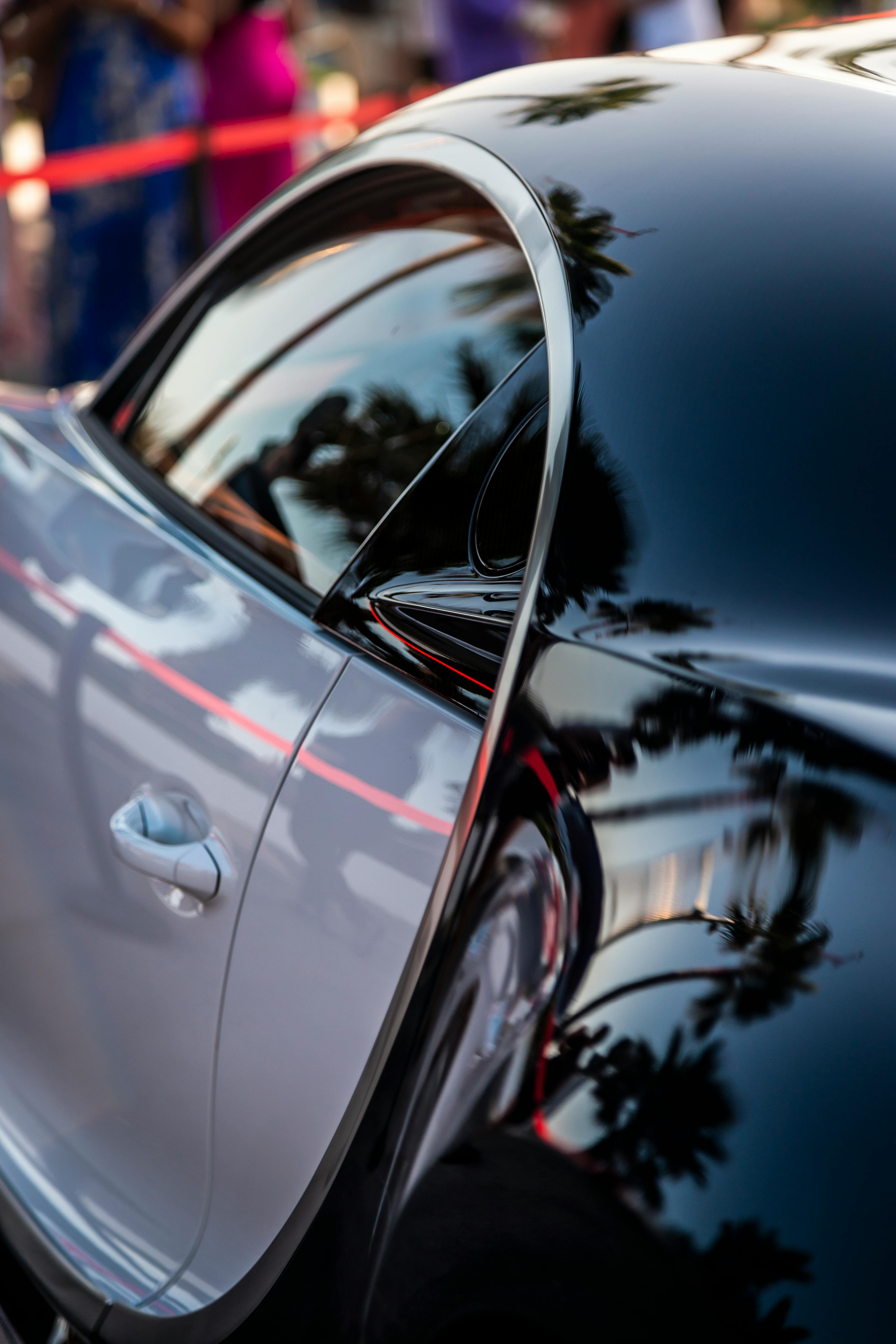
The show-or-display rule allows rare, historically significant vehicles to be imported into the United States for limited use, provided they meet strict safety...
How the “Show or Display” Rule Lets Collectors Import Dream Supercars to the U.S.
The show-or-display rule allows rare, historically significant vehicles to be imported into the United States for limited use, provided they meet strict safety and emissions exemptions and are approved by regulators before entry. This legal pathway is not a free pass; it requires documentation, a persuasive petition, and acceptance that the car will be primarily used for exhibition, club activities, and limited driving.
Key Takeaways
- The Show or Display exemption lets collectors import non-compliant vehicles if those vehicles have recognized historical or technological significance.
- Approval requires an application to the National Highway Traffic Safety Administration (NHTSA), documentation proving significance, and compliance with U.S. Customs and EPA procedures.
- Use is limited and tracked; long-term ownership can be an investment, but it comes with restrictions and ongoing compliance responsibilities.
What is the Show or Display rule?
Short answer: an import exemption for rare cars.
The rule, enacted by U.S. regulators, permits certain vehicles that do not meet Federal Motor Vehicle Safety Standards (FMVSS) to enter the country if they have clear historical, technological, or design significance, and if the owner agrees to limited annual road use and appropriate record keeping. What that means in practice is that you can bring a Ferrari or an Aston Martin that was never sold in the U.S. into the country for display at museums, concours, and certain club events, but you cannot treat the exemption like normal registration for daily driving. Simple? Not quite.
Yes.
When I examined decades of cases and petitions, patterns emerged that matter to buyers and collectors. The NHTSA evaluates each petition on merit and precedent, weighing factors like production numbers, racing heritage, design firsts, and impact on automotive technology. Approval is more likely for cars that show Craftsmanship, Heritage, Materials innovation, or Performance milestones. The process also requires working with U.S. Customs and Border Protection (CBP) and the Environmental Protection Agency (EPA) on import documentation and emissions considerations. Short sentence, long explanation, short reminder.
Got it.
Core Benefits and Importance of the Show or Display pathway
Rare cars can be legally enjoyed.
Collectors gain legal entry for cars otherwise barred, which lets museums exhibit important vehicles and private owners experience them at sanctioned events while preserving historical artifacts for the public and for posterity. The rule thus supports cultural appreciation, and—if you read the scriptures for a whisper of perspective—recognizes beauty as something that points beyond itself, which is why stewardship of remarkable objects matters.
True.
There are practical upsides beyond sentiment. Importing through Show or Display preserves market liquidity for rare models, often enhancing Investment Value when provenance and limited supply are well documented. It also protects manufacturers from being forced into expensive retrofits that would change the car's original integrity — a win for heritage and Materials authenticity. Finally, it allows enthusiasts to experience automotive craftsmanship that would otherwise remain distant or confined to factory archives. Short note.
Yes.
But the program is intentionally narrow. The NHTSA's standard is not meant for occasional owners who want a rare car simply because it’s cool; it’s for vehicles with documented significance and for owners willing to accept meaningful restrictions on road use. That reality frustrates some buyers, but it’s important, because law and stewardship go hand in hand when preserving items of excellence. Clear?
Clear.
Step-by-step guide: How to import a supercar using Show or Display
Start with the car's story.
Gather proof that the vehicle is historically significant—this includes factory production records, race histories, magazine features, and endorsements from recognized experts or institutions—then prepare a petition to the NHTSA with all documentation, photos, and an argument tying the car’s significance to objective criteria. Then follow U.S. Customs import rules, file appropriate EPA paperwork, and arrange transport with a carrier experienced in handling collectible cars.
Understood?
1. Document significance comprehensively. 2. Prepare an NHTSA petition that describes production numbers, historical events, technical firsts, or racing pedigree, and include references from experts. 3. File the petition well before import; approvals can take months. 4. Coordinate with CBP on customs entry and with the EPA regarding emissions—some cars will require emissions retrofits or additional paperwork. 5. Plan logistics with a specialist hauler and a licensed customs broker to avoid surprises at the border.
Simple checklist.
When I reviewed successful petitions, the winners all had a strong, evidence-based narrative. Don’t rely on vague claims like “this model is rare” without numbers, provenance, or published recognition. Prepare comparisons to similar cars that received approval, provide photos of chassis and VIN plates, and include statements from recognized marque clubs or museum curators if possible. Also, be realistic about expected use; NHTSA will often impose a mileage cap or wording limiting the vehicle to exhibitions and similar events. Do the work upfront and you’ll avoid wasting time and leverage.
Do it right.
Comparison Table
Below is a straightforward comparison between the Show or Display exemption and the more commonly used 25-year rule exemption for importing vehicles to the United States.
| Feature |
Show or Display Exemption |
25-Year Rule Exemption |
| Legal basis |
Petition to NHTSA for case-by-case approval |
Automatic exemption from FMVSS for vehicles 25+ years old |
| Typical timeline |
Months for petition review and approval |
No petition; timed eligibility based on model year |
| Use restrictions |
Often limited (exhibitions, club events, mileage caps) |
Fewer federal use restrictions, but state registration rules vary |
| Emissions requirements |
EPA involvement; may require exemptions or documentation |
Generally exempt if vehicle is 21+ years for EPA historic exemption (varies) |
| Best for |
Rare modern supercars not originally sold in U.S. |
Older classics and collectibles once they reach 25 years |
| Risk |
Petition denial means car cannot be imported legally |
Minimal federal risk once age criterion met |
Common mistakes collectors make
Relying on hearsay about approvals.
Owners often assume that a famous name or a single magazine feature will carry the petition, when the reality is that the NHTSA expects robust documentary proof—production sheets, original factory materials, and independent verification from recognized authorities carry far more weight than fan posts on social media. Don’t wing it.
Right.
Another frequent error is ignoring emissions and customs steps until arrival. The EPA and CBP require forms and sometimes pre-entry testing or exemptions, and failing to file those can mean the car sits at the port for weeks or gets turned away. Secure a licensed customs broker and confirm EPA rules early. It’s boring, but necessary.
Exactly.
Some buyers forget that local state registration may still be an obstacle. Even after NHTSA approval, states vary on how they will register a show-or-display vehicle for limited road use, and insurers will want clear terms. Check with your state DMV and your insurer before purchase; that’s the sort of detail that separates a smooth import from a costly headache.
No surprises.
Finally, assuming that ownership alone equalizes value is naive. If you treat a car like a daily driver in spite of your agreement with NHTSA, you risk revocation of the exemption and legal issues. Respect the conditions; stewardship matters in both moral and practical senses—think of the parable of talent in miniature: care yields fruit, neglect yields loss.
Amen.
Frequently Asked Questions
Can I import any rare car under Show or Display?
Short answer: no. The vehicle must be shown to have recognized historical, technological, or design significance, and you must petition NHTSA prior to import; anecdote and admiration alone won’t pass muster. If the car is simply scarce but has no demonstrable impact on automotive development or cultural history, the petition will likely fail. Keep evidence readable and verifiable.
Understood?
How long does approval take?
It varies. Most petitions take several months, depending on complexity and NHTSA workload, and some cases go longer if additional documentation is requested; plan for at least three to six months from submission to decision, and longer if you’re dealing with emissions or customs complications. Patience is part of collecting rare things—good stewardship is not instant.
Got it.
Will I be taxed or fined for using the car occasionally?
Yes, know this. You may face state registration fees, customs duties, and import taxes on arrival, and exceeding usage limits imposed by an approval could risk penalties or revocation; consult a customs broker and an attorney if you plan anything beyond exhibitions and sanctioned events. Compliance is essential.
Clear.
Final thought
Collectors love the myth that passion alone can solve logistics.
The truth is that careful documentation, respect for regulations, and honest stewardship are what actually get a car across the border and keep it in good standing, and that is how beauty and craftsmanship are preserved for future generations rather than squandered. The show-or-display route is narrow by design, which is a good thing—restrictions protect both public safety and the historical integrity of the vehicles in question. Beauty points beyond itself, and when you treat an exceptional car with responsibility and reverence, you preserve something larger than mere value; you preserve cultural memory and the dignity of human work.
Amen.
Further reading and resources: