How to dress classy means choosing fit, fabric, and restraint over noise. It is not about showing off labels or pretending money equals taste; it is about...
How to Dress Classy: 14 Simple Tips for Men and Women
How to dress classy means choosing fit, fabric, and restraint over noise. It is not about showing off labels or pretending money equals taste; it is about clothes that sit cleanly on the body, age well, and signal care, discipline, and respect for the people around you. Frankly, most so-called style advice is drivel.
Key Takeaways- Classy dressing is built on fit, fabric, and grooming.
- Neutral palettes and clean lines beat loud trends.
- Quality matters, but only if the item suits your body and life.
- Luxury is restraint, not clutter.
- Good style reflects stewardship, because beauty and order are meant to serve real life.
What is classy dressing?
Classy dressing is the habit of wearing clothes that look intentional, polished, and quietly confident. It usually means good tailoring, sensible colors, proper care, and a refusal to confuse attention with elegance. I have reviewed enough wardrobes to know this: expensive pieces can look cheap if the fit is wrong, while modest pieces can look superb if the proportions are right. That is the kicker.
For men, classy often means a well-cut blazer, trousers that break cleanly, leather shoes kept in decent shape, and shirts that do not balloon like circus tents. For women, it can mean a tailored coat, a dress with structure, polished shoes, and accessories used with a light hand. The point is not sameness. It is coherence.
Most people overthink trends and underthink standards. A classy wardrobe is closer to architecture than decoration: the bones matter. Materials matter too. Natural fibers such as wool, cotton, linen, silk, and leather tend to drape better, breathe better, and age with more grace than flimsy synthetics. Of course, not every synthetic is bad, but garbage is garbage whether it comes from a boutique or a discount rack.
There is also a moral dimension people rarely mention without sounding pompous. Clothing can express respect for one’s work, one’s body, and one’s neighbor. That is not some sermon. It is common sense, and honestly, it is part of why the best-dressed people rarely look like they are trying to impress anyone. They look ordered.
You can read more about refined wardrobe principles in this style guide for elegant dressing, and when assessing quality, it helps to study broader standards of craftsmanship from luxury fashion houses and luxury retail reporting.
Core benefits of dressing classy
Classy clothing pays off. Not loudly. Quietly.
- You look credible faster. In business, social settings, and travel, well-chosen clothes reduce friction. People make judgments in seconds, whether we like it or not. Better to work with that reality than pretend it does not exist.
- You buy less, but better. A restrained wardrobe usually costs more upfront and less over time. Fewer bad purchases. Fewer impulse sins.
- You feel more settled. Clothes that fit and flatter reduce the daily nonsense of fiddling, tugging, and second-guessing. That saves attention for better things.
- You travel more efficiently. A classy capsule wardrobe packs well, mixes well, and photographs well. Useful, not theatrical.
- You age more gracefully. Trends can make a wardrobe look dated in a season; a disciplined style tends to hold its shape for years.
- You signal stewardship. Fine clothing, properly cared for, reflects respect for materials, labor, and money. Beauty is not waste. It is order made visible.
There is another benefit people miss because they are too busy chasing novelty. Classy dressing reduces decision fatigue. When your colors, fits, and silhouettes are consistent, getting dressed becomes almost boring in the best possible way. I have seen clients spend a fortune on chaos. They end up with closets full of regret and a calendar full of indecision.
The truth is, a classy wardrobe can make fine dining easier too. If you are heading to a Michelin-starred restaurant, a boutique hotel lounge, or a wine bar with actual standards, you do not want to look as if you wandered in from a gym parking lot. Social grace still matters, even if modern culture pretends otherwise.
For more on polished travel and dining settings, see luxury hotels and resorts and fine dining experiences. If you want examples of how premium style appears across categories, browse style trends and guides.
Step-by-step guide to dressing classy
Start with the basics.
- Audit your current wardrobe. Pull everything out. Be ruthless. Keep the items that fit, flatter, and work with at least three other pieces. The rest is dead weight. Frankly, most closets are museum exhibits of bad decisions.
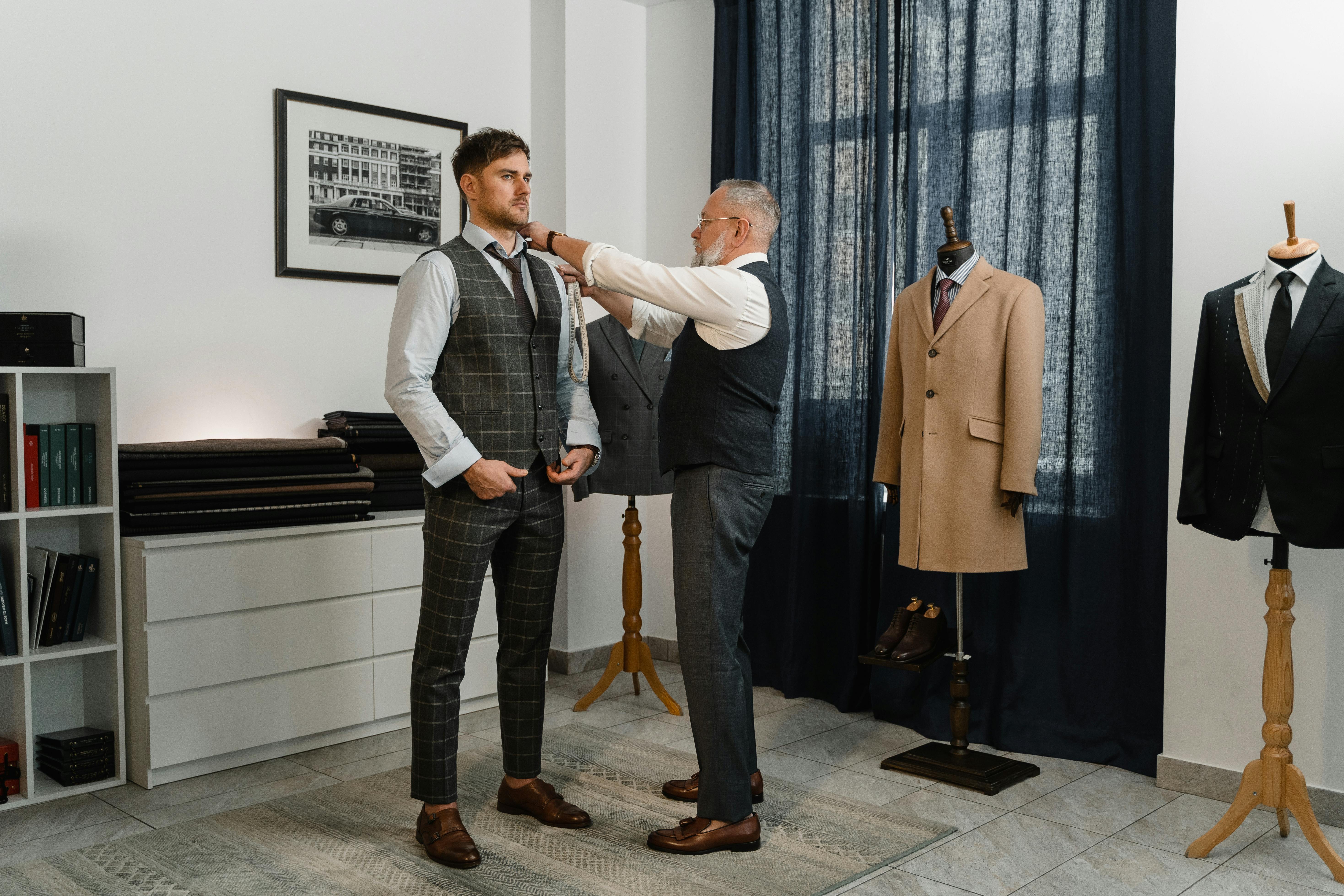
- Fix fit before buying anything new. Tailoring beats logos. A $150 blazer that fits properly will outclass a $1,500 blazer that hangs off your shoulders like wet cardboard. Hem trousers, shorten sleeves, and adjust waistlines. It matters.
- Choose a restrained color palette. Build around navy, charcoal, cream, black, camel, white, and muted earth tones. These colors cooperate instead of fighting. You can add one accent, but keep the circus elsewhere.
- Buy quality fabrics. Wool, cashmere, silk, linen, cotton, leather, and fine denim generally hold shape and age better. I’ve examined enough garments to say this plainly: cheap sheen is a smell, not a style.
- Upgrade shoes and outerwear first. Shoes, belts, coats, and bags carry more visual weight than most people realize. If they look tired, the whole outfit looks tired. No getting around it.
- Keep accessories disciplined. One watch, one good bag, one pair of earrings, one tie bar if needed. Not a whole hardware store. Elegance tends to whisper.
- Use grooming as part of the outfit. Neat hair, clean nails, fresh shoes, pressed clothes. Those are not extras. They are the frame. Without them, even expensive clothing can look sloppy.
- Dress for the setting, not your ego. Classy dressing respects context. A beach resort, a boardroom, a cathedral, and a black-tie dinner all require different levels of formality. Common sense is rare, sadly.
- Invest in a few signature pieces. A trench coat, a blazer, a silk blouse, a cashmere sweater, a leather tote, a well-made dress shoe, a simple watch. These do heavy lifting.
- Edit seasonally. A wardrobe should breathe. Remove worn items, repair what is worth saving, and resist the urge to pile on novelty. The point is refinement, not accumulation.
When I examined high-performing wardrobes, the winners were rarely the most expensive. They were the most coherent. That is the real pattern. Not flashy. Effective.
If you want a broader view of quality and provenance, explore luxury fashion coverage, craft-focused style reporting, and high-end shopping guides. These are useful reference points, not gospel.

Comparison table: classy dressing vs fast-trend dressing
| Factor | Classy Dressing | Fast-Trend Dressing |
|---|
| Focus | Fit, fabric, restraint | Novelty, hype, volume |
| Lifespan | Years | Weeks or months |
| Cost over time | Lower waste, fewer replacements | Frequent repurchasing |
| Visual effect | Calm, polished, consistent | Loud, scattered, often dated |
| Best for | Work, events, travel, dining | Short-term attention |
| Maintenance | Moderate, intentional | Often frustrating |
| Investment value | Strong if well-made | Weak to none |
Common mistakes to avoid
A lot of style advice is nonsense.
- Buying for labels instead of fit. A famous logo does not fix poor proportions. It just makes the mistake more expensive.
- Confusing sexy with classy. Showing more skin is not the same as looking refined. Sometimes it is just lazy styling in nicer fabric.
- Over-accessorizing. If every surface sparkles, nothing stands out. Pick a focal point and stop there.
- Ignoring shoes. Shoes reveal laziness fast. Scuffed shoes ruin an otherwise sharp outfit. People notice, even if they do not say it.
- Chasing every micro-trend. Trends can be fun, but building a whole wardrobe from them is foolish. Use trends as seasoning, not the meal.
- Neglecting care. Wrinkled linen can be chic; neglected clothing is not. There is a difference, and it is not subtle.
- Forgetting comfort. If you cannot sit, walk, or breathe, the outfit has failed. Style should serve the person, not the other way around.
Here’s the kicker: many people think classy dressing requires wealth. It does not. It requires judgment. A thrifted blazer can look excellent if tailored. A designer dress can look tragic if it fights your frame. The market is full of ornate nonsense, and much of it exists to flatter insecurity.
If you want a practical benchmark, study classic tailoring from Savile Row houses and modern wardrobe discipline from The Rake. Both reward standards over noise.
Frequently asked questions
What colors make you look classy?
Neutral and muted colors usually work best: navy, black, white, cream, camel, gray, olive, and deep brown. They create calm visual lines and are easier to combine. Bright colors can work too, but they should be used with restraint.
Can casual clothes look classy?
Yes. A crisp knit, clean sneakers, dark denim, a well-cut coat, and simple jewelry can look classy if the fit is right and everything is clean. Casual does not mean careless.
Is designer clothing worth it?
Sometimes. If the fabric, cut, and construction are excellent, yes. If you are paying mostly for branding, probably not. I have seen plenty of expensive garments that were mediocre and plenty of modest garments that were superb.
How do men and women dress classy without looking old-fashioned?
Use modern silhouettes, excellent fit, and understated accessories. Keep the shape current, but avoid gimmicks. Elegance is not a costume from another century. It is disciplined taste.
Final thought
Classy dressing is not about impressing strangers with a price tag. It is about order, proportion, and care, which is why it still works when trends collapse. Beauty has weight when it is tied to truth, usefulness, and restraint. That sounds lofty, but it is really just good sense dressed properly.
The best wardrobes I have seen had a certain quiet mercy to them: they made life easier, not more theatrical. They respected the body, the occasion, the labor behind the garment, and the money spent on it. That is the standard worth keeping. The rest is noise.
If you build your style around fit, fabric, grooming, and restraint, you will not need to shout. People will notice anyway. That is the whole point.
