How to dress classy is not about flashing logos or chasing fads. It's about restraint, fit, fabric, grooming, and the quiet confidence that comes from wearing...
How To Dress Classy: 14 Simple Tips for Men and Women
How to dress classy is not about flashing logos or chasing fads. It's about restraint, fit, fabric, grooming, and the quiet confidence that comes from wearing clothes that respect the room and the person in it. I’ve reviewed luxury wardrobes for years, and the best-dressed people usually look expensive because they look considered. Here’s the kicker: style is less about money than judgment, and judgment shows up in the details.
What is How To Dress Classy?
How to dress classy means building a wardrobe that looks composed, clean, and appropriate without trying too hard. That sounds simple because it is. The trick is doing the simple things well, which is where most people get lazy.
Classy style is not the same as expensive style, and it certainly is not the same as loud style. A person can spend a fortune on a jacket and still look unkempt if the shoulders hang wrong, the hem is sloppy, or the shoes are a mess. I’ve seen that more times than I care to count. Frankly, the market is full of prestige signaling dressed up as taste. Real polish shows up when the outfit works in daylight, at dinner, and in a meeting, not just in a mirror selfie.
For men, that usually means fitted trousers, crisp shirts, good leather shoes, and outerwear that fits the frame rather than fights it. For women, it means elegant silhouettes, clean lines, quality fabrics, and accessories that support the outfit instead of stealing the scene. Both approaches share the same rules: respect proportion, avoid clutter, and choose materials that age well.
Beauty is not random. In a quiet way, that matters. There is a reason ordered, well-made things feel right: they reflect craft, care, and a sense that excellence has value beyond vanity. That’s a pretty old idea, and it still holds up.
If you want a more formal wardrobe baseline, the principles overlap with advice found in style references like Esquire style coverage, Vogue fashion guidance, and GQ style reporting. Those sources won’t do the thinking for you, though. That part is on you.
Core Benefits/Importance
- You look credible fast. Clean tailoring and restrained colors signal composure before you speak.
- You waste less money. A smaller wardrobe built on strong pieces outperforms a closet full of impulsive buys.
- You reduce decision fatigue. Neutral, well-fitted basics make morning dressing easier.
- You age better stylistically. Trend-heavy outfits date quickly; classic pieces hold their ground.
- You fit more settings. Classy clothing works for business, dinner, travel, and formal events without strain.
- You respect the occasion. That’s not stuffy. It’s civilized.
- You sharpen grooming habits. Good clothes expose bad grooming, so people usually improve both.
Here’s the contrarian bit: not every “statement” is a good one. Most people do not need louder jackets, bigger logos, or more unusual fabrics. They need better hem lengths, better leather, and fewer distractions. The industry sells novelty because novelty sells. That doesn’t mean it serves you.
Step-by-Step Guide/Selection Process
- Start with fit. Buy for your body, not your fantasy. Shoulders should sit cleanly, sleeves should stop where they should, and trousers should skim rather than puddle. I’d rather see an affordable blazer fit perfectly than a pricey one hang badly. No contest.
- Choose a restrained palette. Navy, charcoal, black, ivory, cream, camel, brown, and soft grey do most of the work. Add color carefully, not desperately.
- Upgrade fabric before pattern. Wool, cotton poplin, silk, cashmere, linen, and quality leather look better and wear better than synthetic knockoffs pretending otherwise.
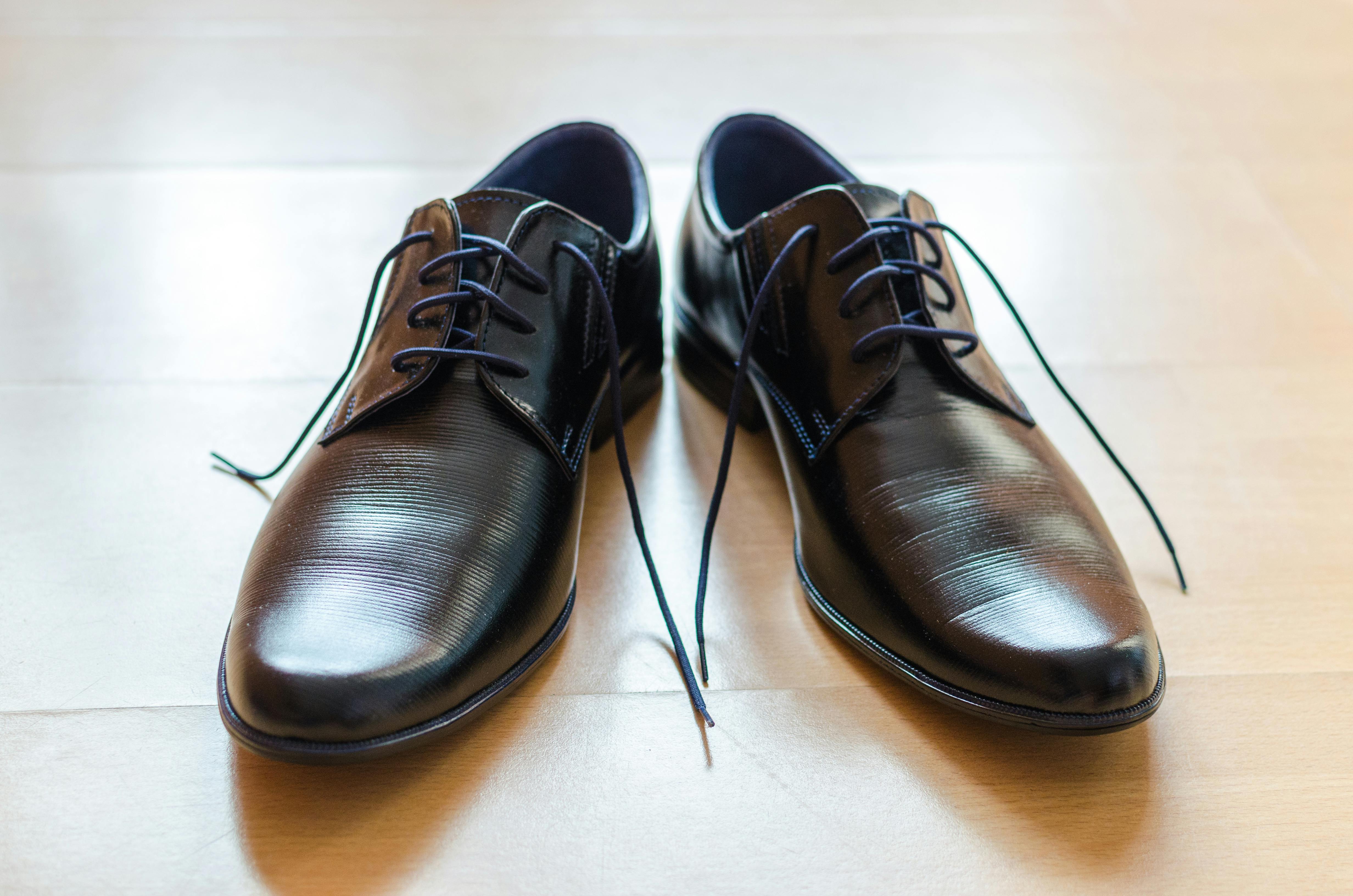
- Pay attention to shoes. Shoes tell the truth. Polished loafers, sleek pumps, minimal sneakers, and well-made boots carry more weight than people admit.
- Keep accessories intentional. One good watch, one elegant bag, one belt that matches the shoes, one pair of earrings, one necklace. That’s enough.
- Groom like it matters. Hair, skin, nails, breath, and pressed clothes are not extras. They are part of the outfit. Let’s be real.
- Edit hard. If an item makes you fiddle, tug, or apologize for it, remove it. Style should not require constant negotiation.
- Build around occasion. A classy wardrobe is not one look repeated forever. It adapts to business, weddings, dinners, travel, and weekends while keeping the same disciplined tone.

Comparison Table
| Classy Dressing | Loud Trend Dressing |
|---|
| Prioritizes fit and fabric | Prioritizes attention |
| Uses neutral, balanced colors | Uses high-contrast gimmicks |
| Ages well over time | Dates quickly |
| Works across many settings | Often suits only one moment |
| Relies on tailoring and grooming | Relies on novelty and branding |
| Signals restraint and judgment | Signals impulse and appetite |
Common Mistakes to Avoid
- Chasing labels instead of silhouette.
- Wearing clothes that are too tight or too loose.
- Ignoring shoe condition. Dirty shoes kill the whole outfit.
- Over-accessorizing because “more is more.” It usually isn’t.
- Following fast fashion trend lists like they are sacred text.
- Forgetting that grooming is part of style.
- Buying expensive items you cannot care for properly.
Most style advice online makes this harder than it is. You do not need a closet crisis and a personality rebrand. You need discipline. You need standards. You need to stop buying things that flatter a fantasy version of yourself and start dressing the person who actually walks out the door every morning.
Frequently Asked Questions
Q: Can you dress classy on a budget?
A: Yes. Fit, grooming, and restraint matter more than price. Tailoring affordable pieces often beats buying expensive items that fit badly.
Q: What colors look the most classy?
A: Navy, black, white, ivory, camel, grey, and deep brown are reliable. They create calm, cohesive outfits.
Q: What makes an outfit look cheap?
A: Poor fit, worn-out shoes, shiny synthetic fabrics, too many logos, and sloppy grooming.
Q: Is classy style the same as old-fashioned style?
A: No. Classy style is timeless, not dated. It can be modern, but it avoids gimmicks that age badly.
Final Thought
Classy dressing is a discipline, not a mood board. It asks for judgment, not noise. The best wardrobe is one that serves your real life with grace, keeps vanity in check, and treats beauty as something worth pursuing without becoming foolish about it. That’s the whole game.