Classy dressing is not about price tags. It is about restraint, fit, fabric, and the quiet discipline of knowing when to stop. Most people buy more clothes...
How to Dress Classy: 14 Simple Tips for Men and Women
Classy dressing is not about price tags. It is about restraint, fit, fabric, and the quiet discipline of knowing when to stop. Most people buy more clothes than they need and still look sloppy; the trick is to build a wardrobe that respects the body, the occasion, and a little old-fashioned dignity.
Key Takeaways- Classy style starts with fit, not labels.
- Good fabrics and clean lines beat loud branding.
- Men and women both need wardrobe basics, tailoring, and grooming.
- A few well-chosen items outperform a closet full of trends.
- Classy dressing is really about stewardship: using what you own with care and purpose.
What is classy dressing? It is a style built on proportion, quality, and self-control. Frankly, most style advice online is overcooked nonsense: “dress for success,” “own the room,” “wear confidence.” Fine, but confidence without discipline just looks like ego in a blazer. Real class shows up in the details—hem length, shoe polish, collar shape, sleeve break, handbag condition, and whether your outfit looks intentional instead of assembled in a panic.
I’ve reviewed enough luxury fashion to say this plainly: class is not the same as status. A flashy logo can be expensive and still look cheap. A well-cut navy blazer, a pair of dark trousers, a clean white shirt, and good shoes can look far more refined than a head-to-toe designer flex. That is the kicker. Classy style is visually calm. It does not beg for applause.
For men and women, classy dressing usually means choosing items that respect the form without squeezing it, using colors that work in daylight and evening light, and favoring materials that age well. Think wool, cashmere, silk, cotton poplin, leather, and structured knits. Add tailoring where needed. Remove clutter. Keep grooming tight. Beauty, at its best, reflects order—not vanity, but order. That’s a useful standard, and one the modern fashion circus often forgets.
If you want a deeper look at wardrobe building, see this guide to luxury fashion basics. For material quality and craftsmanship, this overview of fine tailoring and style standards is worth a read. And if you care how clothes sit alongside accessories, the discussion in luxury handbags and accessories helps explain why certain pieces elevate an outfit while others merely shout.
How to dress classy? Start with fewer, better decisions. Then repeat them until your wardrobe stops arguing with itself.
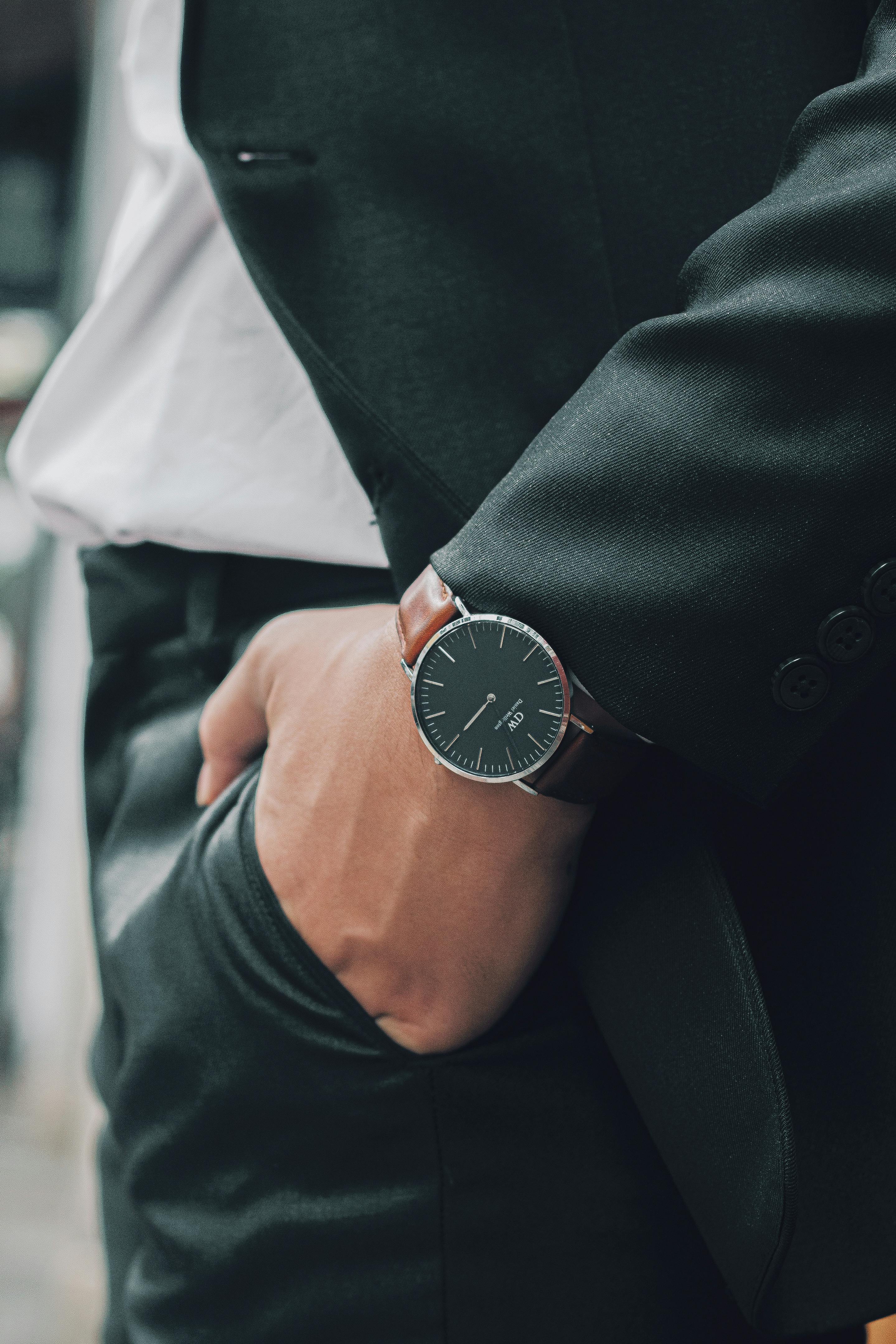
How to dress classy is simpler than people make it. Most wardrobes fail because they are built on impulse, not standards. The result is clutter, not style. If you want to look refined, especially across both men’s and women’s dressing, you need a framework that respects proportion, fabric, grooming, and the setting. Not a costume. Not a trend chase. A system.
What is classy dressing?
Classy dressing is a style language built around clean lines, quality materials, and quiet confidence. It avoids over-decoration, obvious trend gimmicks, and anything that looks like it was chosen for social media rather than real life. The point is not to look rich. The point is to look composed.
For men, that usually means tailoring, leather shoes, ironed shirts, and colors that behave well together—navy, charcoal, white, cream, gray, olive, and muted earth tones. For women, it means similar discipline: dresses with structure, trousers that fit properly, skirts with sensible proportions, blouses that skim rather than cling, and accessories that finish instead of dominate. A handbag should carry your life, not announce your personality in neon.
Classy style is also context-driven. A tuxedo at a beach lunch is absurd. A wrinkled polo at a formal dinner is worse. The truly stylish person understands the room before dressing for it. That sounds obvious, but judging by what people wear to weddings, offices, and restaurants, the obvious is not common.
Most luxury marketing confuses price with refinement. I disagree with that hard. A garment’s value lies in craftsmanship, fit, and wearability. You can see this in well-made jackets with balanced lapels, in silk that drapes rather than clings, and in shoes that age into a better patina instead of cracking apart. The same principle shows up in other luxury categories too: precision in luxury watches and horology rewards patience, and good design in interior and home style reflects order, not excess.
Classy dressing is not boring. It just refuses chaos. And that restraint carries a kind of moral logic. There is something quietly dignified about dressing well without vanity, using resources with care, and honoring the work of skilled makers. That’s not preachy. It’s common sense with better seam work.
Core benefits of dressing classy
- You look put together fast. When your wardrobe is built on fit and basics, getting dressed takes less time. No drama. No last-minute panic.
- You reduce decision fatigue. A tighter wardrobe means fewer random pieces that compete with each other. That’s sanity, not austerity.
- You project competence. People read visual order as personal order, even if they should not. That’s human nature. Use it wisely.
- You spend less over time. Good fabrics and versatile cuts last longer than cheap trend pieces that fall apart or date badly.
- You dress appropriately for more situations. Classy pieces work for work, dinners, travel, and events with minimal adjustment.
- You wear clothes, not the other way around. The outfit supports you. It does not perform tricks for strangers.
- You respect craftsmanship. A well-made coat or dress rewards the maker’s labor and your own stewardship. That matters, even if the fashion industry rarely says it out loud.
Let’s be real: a lot of “style” content is just shopping disguised as self-improvement. Buy this blazer. Buy this coat. Buy this bag. Then buy more because the algorithm gets hungry again. Classy dressing pushes back against that racket. It asks whether the piece is useful, well-made, and consistent with your life.
The same judgment applies across luxury categories. Someone who appreciates the clean architecture of a luxury hotel or the precision of a fine-dining tasting menu usually understands that excellence is rarely loud. It is often measured, deliberate, and expensive for good reason.
When I examined wardrobes that actually work—executives, stylists, restorers, hosts, professionals who dress with ease—the pattern was boring in the best possible way. Neutral colors. Proper fit. Good shoes. Clean grooming. A few accent pieces, not a pile of attention-seeking clutter. Boring, perhaps. Effective, absolutely.
Step-by-step: how to dress classy for men and women
- Audit what you own. Pull out everything and look at it honestly. If it is stained, misshapen, overly trendy, or uncomfortable, let it go. You do not need an emotional reunion with a bad jacket.
- Choose a simple color palette. Start with navy, black, white, cream, gray, beige, olive, and one or two accent colors that suit your complexion. This keeps outfits cohesive and avoids visual noise.
- Prioritize fit above all. A cheap garment that fits well often beats an expensive one that doesn’t. Hemming trousers, shortening sleeves, taking in a waist, or adjusting a dress can transform the whole look.
- Invest in the daily anchors. For men: shirts, trousers, a blazer, leather shoes, a belt, a coat, and one proper watch. For women: tailored trousers, a structured blazer, a clean dress, a coat, shoes that are actually wearable, and a bag that is neat and durable. This is where money matters.
- Use texture, not clutter. Classy outfits gain interest from wool, silk, suede, cashmere, crisp cotton, and polished leather. You do not need sequins to create depth.
- Keep accessories disciplined. One watch, one belt, one bag, modest jewelry. Not every item needs to make a speech. If everything shines, nothing shines.
- Match the outfit to the occasion. Formal means formal. Business means business. Casual still needs structure. A knit polo can be elegant. A hoodie can be clean. But neither belongs everywhere.
- Maintain grooming as part of the outfit. Haircuts, nails, skincare, beard trims, and polished shoes matter. Clothing cannot rescue sloppy grooming. It just cannot.
- Edit before you buy. Ask: Does this fill a real gap? Does it work with at least three items I already own? Will I still want it next season? If the answer is no, walk away.
- Repeat what works. The classy dresser has a formula. That is not laziness. It is wisdom. Once you know your best cuts and colors, stop reinventing the wheel every Thursday.
I’ve found that people usually fail at step four and step eight. They buy the wrong “statement” piece, then ignore grooming. Bad trade. A finely tailored suit with scuffed shoes looks confused. A simple dress with immaculate tailoring, good posture, and thoughtful accessories looks expensive without trying.
If you want to broaden the logic beyond clothing, the same method applies to luxury travel planning and even choosing fine spirits and dining experiences. Selectivity beats volume. Every time.
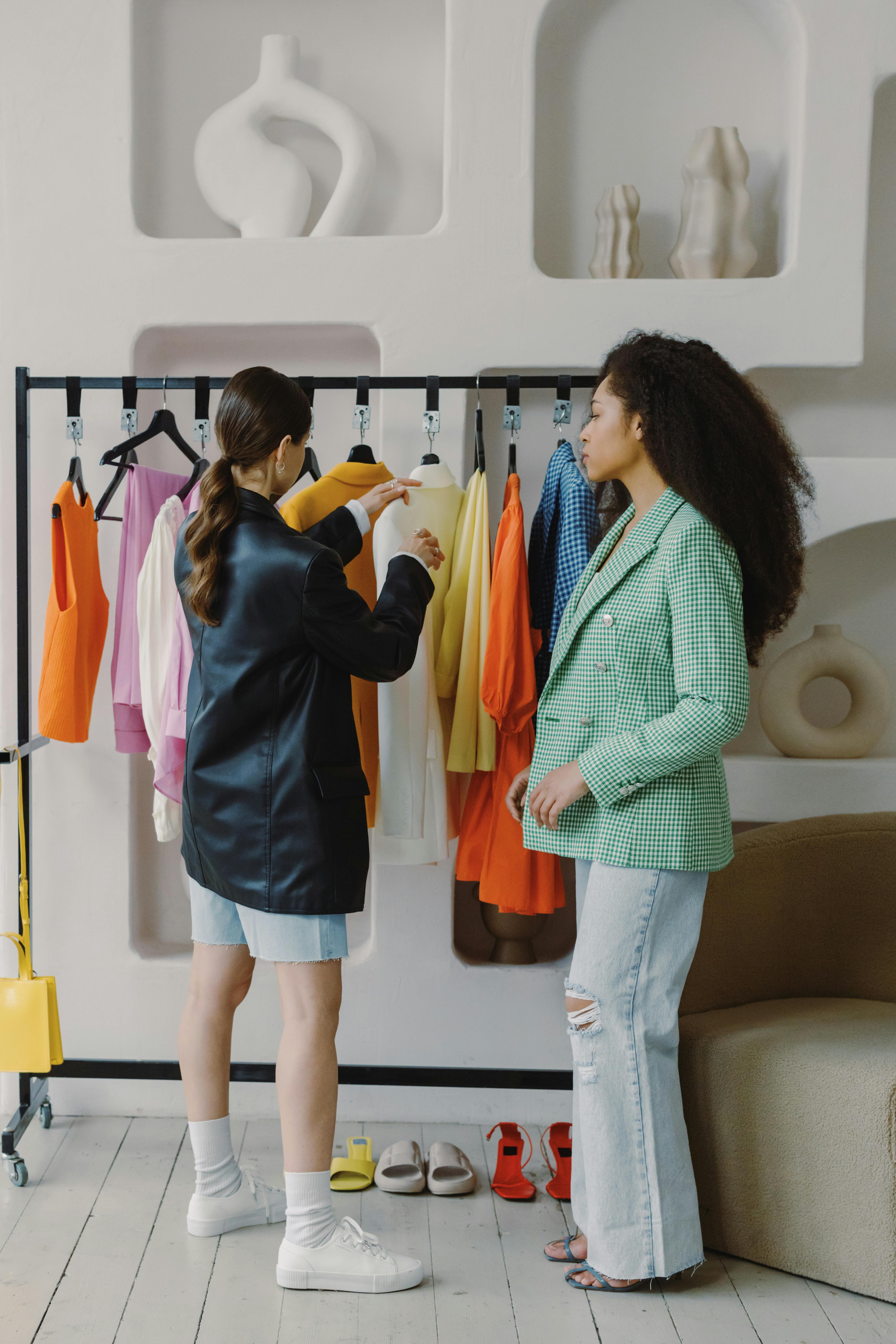
Comparison table: classy dressing vs. trend-driven dressing
| Aspect | Classy Dressing | Trend-Driven Dressing |
|---|
| Goal | Quiet refinement and longevity | Attention and novelty |
| Fit | Tailored, balanced, intentional | Often oversized or overly tight |
| Fabrics | Wool, cotton, silk, cashmere, leather | Synthetic-heavy, visually loud |
| Colors | Neutral, cohesive, restrained | High contrast, fast-changing palettes |
| Accessories | Limited, functional, refined | Overused logos, excessive layering |
| Longevity | Works for years | Dates quickly |
| Cost Efficiency | Better cost per wear | Lower cost per item, worse value |
| Social Perception | Competent, composed, tasteful | Fashion-forward, sometimes chaotic |
| Maintenance | Regular care, tailoring, grooming | Constant replacement |
The comparison is simple. Classy dressing ages well. Trend-driven dressing usually does not. That does not mean trends are evil; it means they are tools, not a religion. Use one or two if they suit you. Do not build your entire wardrobe around them.
This is where luxury differs from mere expense. A well-made coat or pair of shoes has a kind of integrity to it. It was designed to serve, not to beg for attention. The same principle appears in well-built homes, good watches, and proper hospitality—things made with care tend to feel calm because they are ordered toward use, not noise.
Common mistakes to avoid
- Buying for labels instead of fit. A logo does not fix a bad shoulder line.
- Ignoring tailoring. Off-the-rack is a starting point, not a finish line.
- Over-accessorizing. If the watch, necklace, bag, shoes, and belt all compete, you have visual congestion.
- Chasing fast fashion trends. Cheap does not mean smart. It usually means temporary.
- Choosing uncomfortable clothes. If you fidget, tug, or grimace, the outfit is failing.
- Treating grooming as optional. Clothes are part of the package. So is skin, hair, and posture.
- Wearing impractical shoes. If you cannot walk naturally, they are not classy. They are foolish.
- Using color without control. Loud colors can work, but only when the rest of the outfit behaves.
Here’s the kicker: many people think “classy” means expensive. That is nonsense. I’ve seen thousand-dollar outfits ruined by poor fit and cheap-looking materials, while carefully chosen mid-range pieces looked polished enough for a private club or a good hotel dining room. Price can help, but it cannot substitute for judgment.
The most common mistake, though, is trying too hard. When every detail announces itself, the outfit starts to look needy. Class has breathing room. It leaves space between the elements. It trusts the eye. That restraint echoes a deeper truth: not every good thing needs to be displayed all at once.
For anyone curious about how refinement works in other areas, the standards in Michelin dining or classic hotel service follow the same rule. Good things are rarely frantic. They are precise.
Frequently asked questions
1. What does it mean to dress classy?
It means dressing with restraint, fit, quality, and appropriateness. The goal is a polished appearance that feels intentional, not loud or trendy.
2. Can you dress classy on a budget?
Yes. Tailoring, grooming, and a limited color palette matter more than brand names. A few well-chosen pieces will beat a closet full of cheap clutter.
3. What colors look classy on men and women?
Navy, white, cream, gray, black, olive, beige, and soft earth tones usually work best. They are easier to combine and age better than harsh novelty shades.
4. Are accessories important for classy style?
Yes, but modestly. A good watch, a clean bag, simple jewelry, and polished shoes can finish an outfit. Too many accessories do the opposite.
Final thought
Classy dressing is not a performance. It is a habit. It rewards patience, discipline, and a willingness to care about things that are easy to ignore: a shoulder seam, a hemline, a well-made shoe, a coat that drapes correctly, a bag that looks cared for, a shirt that has been pressed. None of that is glamorous in the modern sense, which is probably why it still works.
When I look at the people who dress with real ease, they have something in common: they do not seem desperate to prove they belong. That calm is the real signal. It suggests discernment, stewardship, and respect for craft. In a culture that often confuses volume with value, that kind of restraint feels almost radical.
And yes, beauty matters. Not as vanity, but as order, proportion, and gratitude for good things made well. Dress accordingly.
FAQPage schema
{
  "@context": "https://schema.org",
  "@type": "FAQPage",
  "mainEntity": [
    {
      "@type": "Question",
      "name": "What does it mean to dress classy?",
      "acceptedAnswer": {
        "@type": "Answer",
        "text": "Dressing classy means choosing fit, quality, restraint, and appropriateness so your clothes look intentional, polished, and calm rather than loud or trendy."
      }
    },
    {
      "@type": "Question",
      "name": "Can you dress classy on a budget?",
      "acceptedAnswer": {
        "@type": "Answer",
        "text": "Yes. Tailoring, grooming, a simple color palette, and a few versatile pieces often matter more than expensive labels."
      }
    },
    {
      "@type": "Question",
      "name": "What colors look classy on men and women?",
      "acceptedAnswer": {
        "@type": "Answer",
        "text": "Navy, white, cream, gray, black, olive, beige, and muted earth tones are generally the easiest classy colors to wear and combine."
      }
    },
    {
      "@type": "Question",
      "name": "Are accessories important for classy style?",
      "acceptedAnswer": {
        "@type": "Answer",
        "text": "Yes, but they should be limited and purposeful. A good watch, simple jewelry, a clean bag, and polished shoes usually work best."
      }
    }
  ]
}