Classy dressing is not about price tags. It is about fit, restraint, quality, and the quiet confidence that comes from wearing clothes well rather than loudly...
How to Dress Classy: 14 Simple Tips for Men and Women in Luxury Style
Classy dressing is not about price tags. It is about fit, restraint, quality, and the quiet confidence that comes from wearing clothes well rather than loudly. Most people buy status and call it style, which is nonsense. Real elegance looks considered, feels comfortable, and respects both the occasion and the person wearing it.
Key Takeaways:- Classy style starts with fit, fabric, and restraint.
- True luxury is visible in workmanship, not logos.
- Men and women can build a refined wardrobe with fewer, better pieces.
- Grooming, shoes, and accessories matter more than trend-chasing.
- Good taste is disciplined. That’s the whole trick.
What is classy dressing?
Classy dressing means presenting yourself with polish, moderation, and purpose. It is not stiff. It is not snobbish. It is a careful mix of clean lines, good tailoring, sensible color choices, and pieces that age gracefully instead of begging for attention.
I’ve reviewed enough luxury wardrobes to say this plainly: most outfits fail because they try too hard. The label is visible, the fit is lazy, and the overall effect is cheap even when the items are expensive. That is the core fraud of modern fashion marketing. People are sold noise and told it is refinement.
Classy dressing, by contrast, values proportion, texture, and discipline. It shows respect for the body, the setting, and the people around you. That last part matters more than fashion magazines admit. Beauty is not just decoration; it points beyond itself when it is ordered and rightly used.
If you want a practical benchmark, look for these traits:
- Neat fit at the shoulders, waist, and hem.
- Natural fabrics or high-quality blends.
- Limited logos and minimal clutter.
- Shoes and bags that look maintained.
- Colors that work together without shouting.
Frankly, classy style is boring to people who need applause. Good. Boring, in this case, is often excellent.
For a broader look at taste across luxury categories, you can also read about luxury fashion essentials and how high-end accessories shape personal style.
Core benefits of dressing classy
Classy dressing pays off in ways that trend-driven dressing never does. It is not a miracle. It is just sound judgment applied to clothing.
- You look credible immediately. A well-fitted jacket, clean shirt, or elegant dress says something before you speak. People notice order. They trust order.
- You waste less money. Cheap, trendy clothes wear out fast and look dated faster. Better pieces last longer, which is a sensible use of resources. Stewardship is not a flashy word, but it is a good one.
- You simplify decision-making. A disciplined wardrobe removes clutter. You stop asking, “What’s hot?” and start asking, “What fits my life?”
- You adapt to more settings. Classy basics work for dinner, work, travel, and formal events with fewer changes. That is practical, not pretentious.
- You project self-respect. Clothes do not create dignity, but they can express it. If your appearance is careless, people assume your habits are too.
- You buy for craftsmanship, not hype. I’ve seen too many people overpay for a logo and ignore stitching, lining, and fabric weight. That’s amateur hour.
- You support better makers. Good tailoring, fine leather, and solid construction reflect real labor. There is something honest about paying for work done well.
If you want a smart companion read, see how to identify quality in luxury fashion and timeless style rules for men and women.
Here’s the kicker: classy dressing also calms the mind. When your wardrobe is coherent, your life feels less scattered. That is not a small thing.
Step-by-step guide to dressing classy
Start with the basics. No gimmicks.
- Audit what you own. Pull everything out. Keep only the items you would wear to a decent restaurant, an important meeting, or a special evening out. If it looks tired, donate it. If it looks flashy but awkward, let it go.
- Fix the fit first. This is where most people fail. A mid-range blazer that fits beats an expensive one that pinches, puddles, or hangs badly. When I studied luxury wardrobes for years, fit emerged as the strongest marker of actual taste.
- Choose a restrained color palette. Navy, black, white, gray, camel, cream, and deep jewel tones cover a lot of ground. You do not need six neon items to prove you have personality. Your face does that already.
- Buy fewer, better fabrics. Wool, cashmere, silk, linen, cotton poplin, and good leather tend to wear well when cared for. Cheap synthetics can work in some cases, but the sheen and drape often betray them.
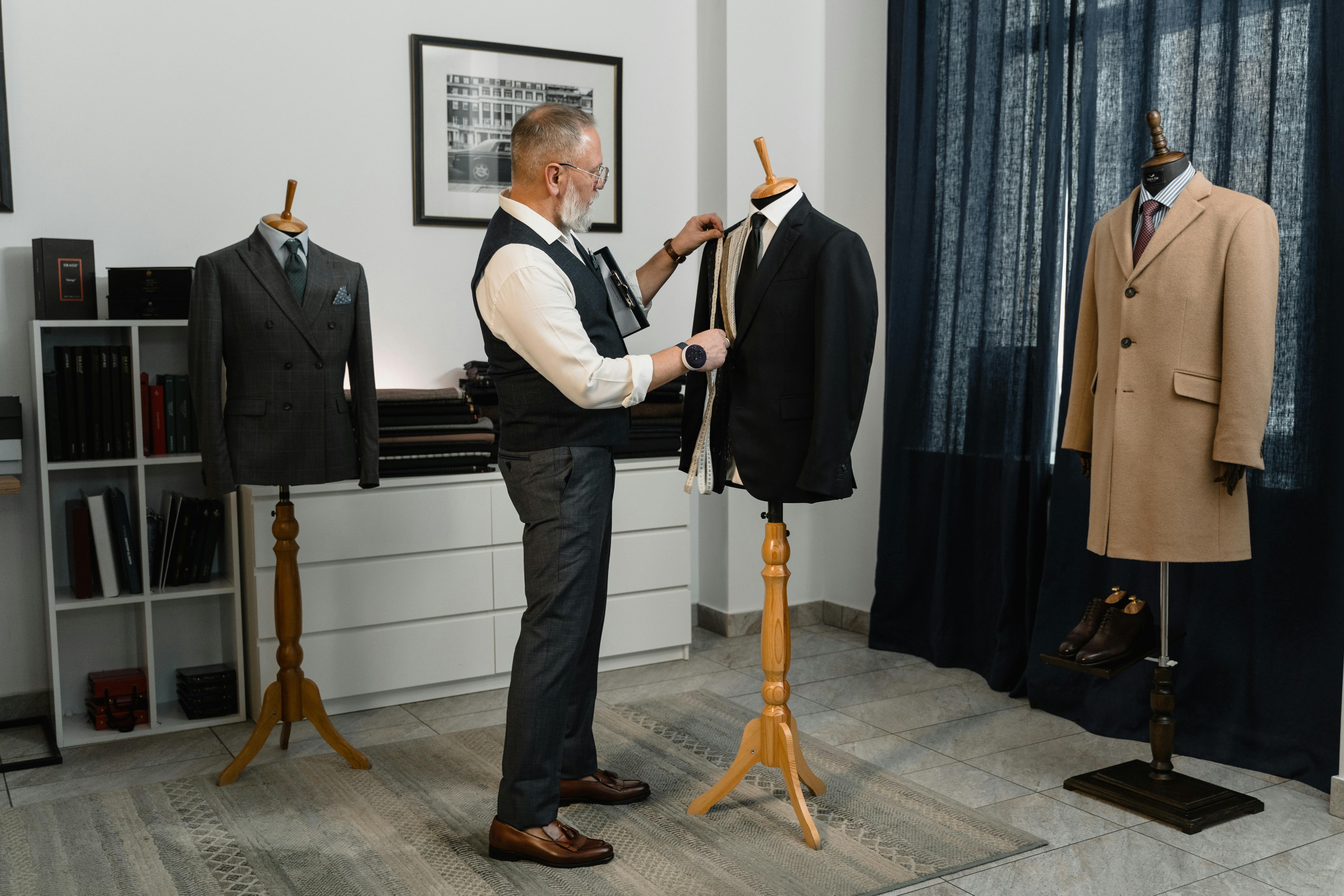
- Invest in tailoring. Hem trousers. Shape the waist. Adjust sleeves. This is not vanity; it is precision. Clothes should serve the body, not punish it.
- Respect shoes and bags. People pretend they don’t matter. They matter. Scuffed shoes can ruin an otherwise polished outfit. A structured leather bag or clean pair of loafers changes the whole read.
- Keep accessories disciplined. One watch, one ring, one necklace, or a single elegant scarf often does more than a pile of extras. Less clutter, more character.
- Maintain grooming. Hair, nails, skin, fragrance, and posture all affect the final impression. The best outfit in the world cannot rescue a sloppy presentation.
- Match the setting. Classy dressing is context-aware. A silk dress can be perfect at dinner and foolish on a beach. A navy suit can be sharp in one room and overkill in another.
- Edit regularly. Every season, remove what is worn out or no longer fits your life. A wardrobe that stays lean stays usable.
If you want inspiration for polished travel dressing, check luxury hotel style and packing advice and premium destination guides.
Comparison table: classy style vs. trend-chasing style
| Category | Classy Dressing | Trend-Chasing Dressing |
|---|
| Focus | Fit, fabric, restraint | Novelty, visibility, speed |
| Cost over time | Lower, because pieces last | Higher, because items date quickly |
| Versatility | Strong across many settings | Weak outside the trend cycle |
| Visual effect | Calm, polished, confident | Loud, busy, often contrived |
| Brand dependence | Low | High |
| Maintenance | Moderate, with care | Constant replacement |
| Best for | Work, events, travel, long-term wardrobe building | Social media, short-term attention |
The table says enough. Classy wins because it is durable.
Common mistakes to avoid
Most advice about dressing well is either smug or useless. Here’s what actually goes wrong.
- Mistaking expensive for elegant. Price does not guarantee taste. Some of the ugliest outfits on earth are expensive. Frankly, money can make bad judgment louder.
- Overloading on logos. A logo can be fine. A billboard on your chest is not. If the brand matters more than the garment, you are advertising insecurity.
- Ignoring fit to preserve size pride. People cling to numbers like they are moral achievements. They are not. Fit is what matters.
- Chasing every trend. Trends are useful only when they suit you. Otherwise, they become costume changes for strangers on the internet.
- Neglecting shoes, belts, and bags. These are not afterthoughts. They anchor the outfit. Worn-out accessories make everything else look careless.
- Using too many statement pieces at once. One strong piece is enough. Two can work. Five is theater.
- Confusing minimalism with emptiness. Blank outfits with no texture, no shape, and no care are not refined. They are unfinished.
- Forgetting the occasion. A classy wardrobe is not one outfit worn everywhere. It is a set of well-chosen options used with judgment.
If you want to see how refinement appears in related luxury categories, read what makes a luxury watch truly valuable and how fine jewelry balances craft and restraint.
I’ve reviewed enough style advice to know this: the loudest people are often the least informed. Real taste rarely needs a microphone.
Frequently asked questions
How can I dress classy on a budget?
Buy fewer items and spend more on fit, shoes, and a good coat or bag. Thrift carefully. Tailor what you already own. A budget outfit can look expensive when it is clean, pressed, and properly fitted.
Can men and women use the same style rules?
Yes, mostly. Proportion, fit, grooming, and restraint apply to both. The details change, but the principles do not. Clothes should flatter the body and suit the setting.
What colors look the classiest?
Neutral shades usually make the strongest base: navy, black, white, gray, cream, camel, and deep brown. Rich jewel tones can also look elegant if they are used sparingly.
Is classy dressing the same as formal dressing?
No. Formal dress follows a dress code. Classy dressing is broader. You can look classy in denim, a blazer, or a knit dress if the fit, fabric, and styling are right.
Final thought
Classy dressing is not complicated. It is disciplined attention to detail, respect for your own appearance, and refusal to be bullied by the worst instincts of fashion culture.
That is rare enough. Most people want quick validation, not lasting quality. But good style, like good craftsmanship, rewards patience. It reflects order, and order is beautiful because it is true to how things ought to be made and used.
If you dress with care, you are not just looking better. You are practicing restraint, stewardship, and gratitude for what you have been given. That sounds lofty, but it shows up in small things: the hem that fits, the leather that ages well, the watch that is worn rather than shown off. Fancy? No. Better than fancy.
A classy wardrobe does not shout. It simply endures.