Elite youth sports are a costly, exhausting bet on talent, discipline, and access. Families spend on coaching, travel, gear, and private school pipelines...
Inside the High-Stakes, High-Cost World of Elite Youth Sports
Elite youth sports are a costly, exhausting bet on talent, discipline, and access. Families spend on coaching, travel, gear, and private school pipelines, hoping raw ability becomes something durable. Sometimes it works. Often, it just buys more pressure. The real question is not whether the game is expensive. It is whether the expense is actually wise.
Key Takeaways
- Elite youth sports can cost tens of thousands of dollars a year.
- Money buys coaching, exposure, and logistics, but not grit or health.
- The best outcomes usually come from clear limits, not blind sacrifice.
- Most families overpay for status and underinvest in recovery, education, and balance.
- Beauty, excellence, and discipline matter, but children are not assets to optimize.
What is elite youth sports?
Elite youth sports is the upper tier of organized athletics for children and teens, where competition is intense, costs are high, and the surrounding machinery includes club teams, private coaching, national showcases, specialized training, nutrition, recovery, and recruiting exposure. It is less a pastime than a pipeline. The promise is simple: pay more now, get more later.
Frankly, a lot of that promise is dressed-up hype. I’ve reviewed enough high-end consumer behavior to recognize the pattern: scarcity sells, prestige sells harder, and parents are easy marks when their child’s future is on the line. Elite sports packages the ordinary desire to support a child and turns it into a permanent performance economy. The child is not just playing. The child is being positioned.
That positioning can be useful. Repetition matters. Coaching matters. Strong peers matter. Facilities matter. A kid training with serious athletes will usually improve faster than a kid drifting through a casual rec league. But improvement is not the same as flourishing. Nor is exposure the same as opportunity. The people who make money in this space often speak as if every athlete is one camp away from stardom. That is nonsense.
The money trail is easy to follow. Club dues, private lessons, flights, hotels, tournament fees, rental cars, equipment, uniforms, nutrition plans, strength programs, sports psychology, and recovery tools stack up quickly. Add unpaid time off work and the hidden strain on siblings, marriages, and household rhythms, and the full cost becomes obvious. It is not just a sports bill. It is a family reorganization.
There is also a deeper issue. Human excellence has a proper order. Skill is good. Discipline is good. Winning is not evil. But when a child’s worth gets tied to rankings, reels, and recruitment emails, the whole enterprise becomes spiritually lopsided. The dignity of the person must stay above the scoreboard. That’s not sentimentality. That is common sense with a backbone.
For readers comparing high-status family spending patterns across categories, the same basic truth shows up in luxury travel, fine homes, and premium experiences: price can buy refinement, but it cannot buy meaning. See our related pieces on luxury travel experiences, luxury hotels and premium accommodations, and luxury culture and art for the same status-meets-substance question in other forms.
So what actually defines elite youth sports? Four things: access, repetition, visibility, and tolerance for expense. If a family has all four, they can stay in the game. If they lack one, especially money, they are often forced out regardless of talent. That is the part most brochures won’t mention.
Core benefits and importance
There are real benefits here, and pretending otherwise would be silly. But the benefits are narrower than the sales pitch suggests, and the tradeoffs are heavier than most people admit. Here’s the plain version.
- High-level coaching can accelerate development. Good instruction corrects technique, improves decision-making, and prevents bad habits from becoming permanent. I’ve seen that up close. The difference between competent coaching and vanity coaching is not subtle.
- Serious peers raise the standard. Training with disciplined, talented athletes forces better habits. Children learn what effort looks like when other people are not joking around.
- Competition builds emotional durability. Losing under pressure, recovering, and trying again can harden character. That part is real, and it matters far beyond sports.
- Structure can protect talent. For some kids, a serious program keeps them focused, away from chaotic environments, and grounded in daily discipline. A well-run team can be a blessing.
- Exposure can matter, but only in context. Scouts, college coaches, and recruiters do attend key events. Still, exposure without actual performance is just a noisy badge.
The contrarian point is simple: most families overrate the prestige of being “in the system.” A club logo on a jersey does not create an athlete. Plenty of high-cost programs are mediocre businesses with glossy websites and loud promises. The strongest indicator of long-term success is usually consistency, not glamour. Reps in the right environment beat expensive theatrics. Every time.
There is also the moral benefit of ordered effort. Children who learn to submit their bodies, time, and habits to a worthwhile discipline often gain a respect for workmanship that spills into school, friendships, and later work. That’s a Catholic-sized insight without the sermon: excellence is good when it is ordered toward the good. The body is not a toy. The gift should be used well.
Still, the hidden costs remain. Travel sports can wreck family dinners, miss weekends, and turn siblings into passengers in someone else’s dream. They can also create an atmosphere where every setback feels catastrophic. That is a poor trade if the child is already anxious, injured, or losing joy. Sometimes the best parenting is the one that says, “Enough.”
For comparisons with other premium categories where status and utility collide, see luxury watches and horology and luxury cars and supercars. Both markets have their share of real craftsmanship and their share of ego tax. Youth sports is not much different.

Step-by-step guide to choosing the right path
If you are weighing elite youth sports, do not start with the hype. Start with the child, the family budget, and the actual odds. I’ve watched too many parents begin with prestige and end with resentment. That order is backwards.
- Define the goal clearly. Is the aim college recruiting, professional potential, skill development, health, or simple enjoyment? If you cannot say it in one sentence, you do not have a plan. You have a fog bank.
- Audit the true cost. Add up fees, travel, equipment, private lessons, missed work, childcare for siblings, and recovery expenses. Most families underestimate by a lot. I mean a lot.
- Evaluate coaching, not branding. Ask who the coach has developed, not what the logo looks like. I trust track records, not glossy branding decks. The truth is, some of the finest teachers work in humble settings.
- Check injury load and recovery. More training is not always better. Overuse injuries, sleep debt, and burnout are common. If a program treats recovery like an afterthought, walk away.
- Measure family consequences. Does the schedule damage marriage, school performance, sibling care, or weekly worship and rest? If the answer is yes, the program may be too costly in the only currency that matters.
- Compare alternatives. A regional program, school-based athletics, or a targeted private coach may produce nearly the same result for far less money. Prestige is expensive. Usually too expensive.
- Set a hard exit line. Decide in advance what failure looks like: repeated injuries, academic collapse, chronic misery, or unsustainable spending. Without a cutoff, families drift into sunk-cost stupidity.
The selection process should be boring. Boring is good. Luxury salespeople hate boring because boring asks for receipts. Ask for the training plan, the scholarship outcomes, the injury protocols, the athlete turnover, and the measurable development markers. If the answers are vague, that is your answer.
When I examined high-cost family decisions across sports and travel, the best outcomes came from boundaries, not obsession. Families that capped spending, kept school non-negotiable, and protected downtime usually got better long-term results than families that chased every showcase. That pattern holds up.
Also, keep the child in the room. Not literally in the room every time, though that would be funny. I mean emotionally. Ask whether the child still loves the sport after the pressure is removed. If the answer changes the minute scholarships are mentioned, you may be dealing with compliance, not vocation.
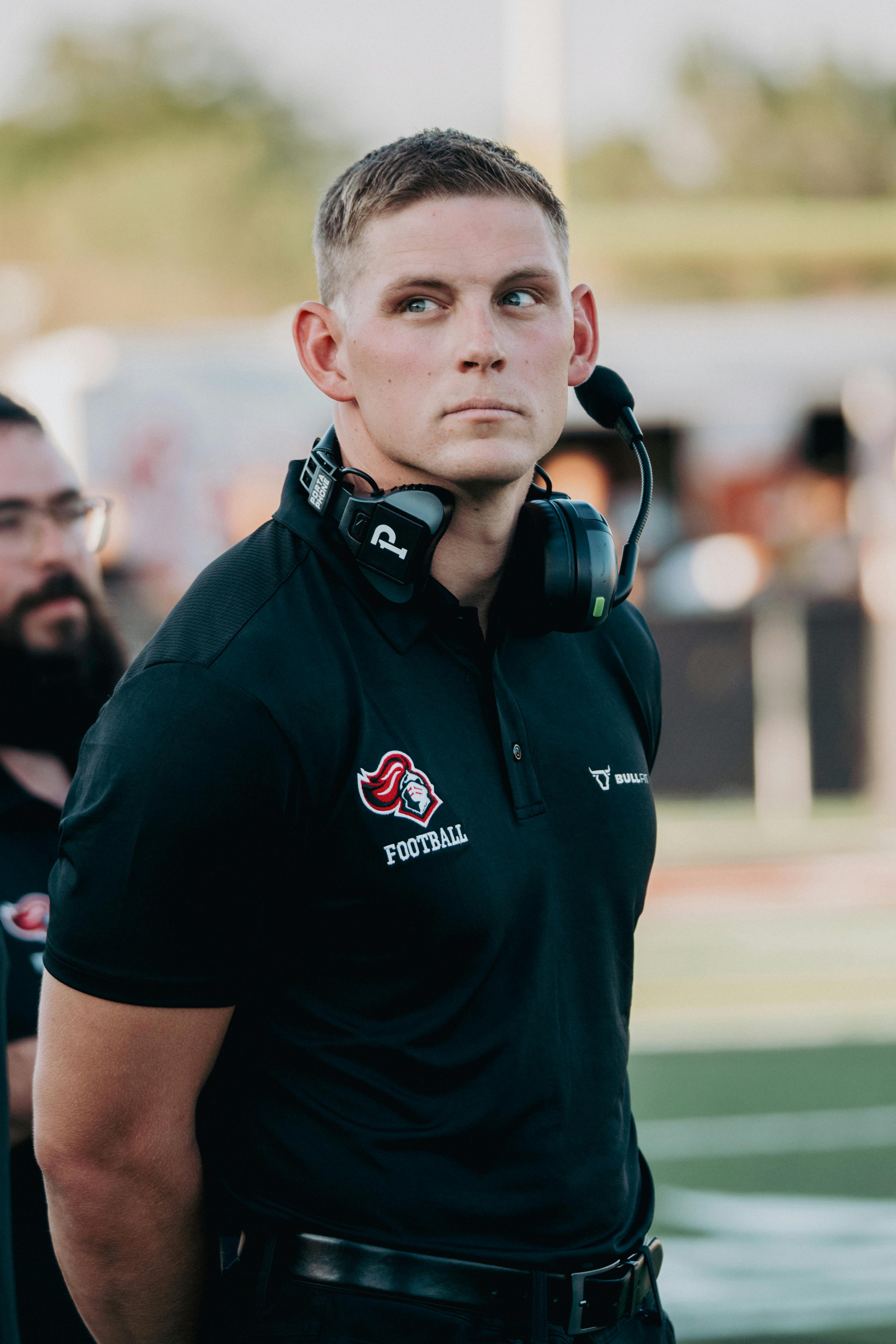
One more thing: do not confuse sacrifice with virtue. A family can spend a fortune and still be disordered. A family can spend modestly and still be heroic. In fine craftsmanship, as in parenting, the value lies in proportion. Beautiful things should serve life, not devour it.
Comparison table
Here is the blunt comparison between elite youth sports and a more traditional recreational path. Not every child belongs on the expensive track, despite what the sales pitch says.
| Factor |
Elite Youth Sports |
Traditional Youth Sports |
| Annual cost |
High to very high; often five figures with travel |
Low to moderate; usually local and predictable |
| Coaching intensity |
Specialized, frequent, sometimes excellent |
Basic to solid, depending on the league and school |
| Exposure |
Strong for scouts and recruiters if performance is real |
Limited, but not useless for late bloomers |
| Family burden |
Heavy on time, money, and logistics |
Much lighter and easier to sustain |
| Injury and burnout risk |
Often higher due to volume and pressure |
Usually lower with better balance |
| Best for |
Truly exceptional athletes with clear goals |
Most children who want to learn, compete, and stay healthy |
| Biggest weakness |
Can become a status trap |
Can miss advanced development opportunities |
The competitor here is not a rival club. It is the ordinary, sane path. That may sound unglamorous, and it is. But ordinary is not inferior. A well-run local program often gives kids what they actually need: competent coaching, friendships, enough competition, and a family life that still resembles human life.
That said, elite systems do beat local systems in specific cases. If the child is already exceptional, needs higher resistance, or is aiming at a genuinely selective level, the advanced path may be justified. The problem is not the existence of the path. The problem is the way many families oversell it to themselves. Wishful thinking is expensive.
Common mistakes to avoid
The first mistake is assuming the most expensive option is the best. It usually is not. Some of the worst programs I’ve seen charge premium rates and deliver soft coaching, mediocre organization, and plenty of excuses. Luxury branding has a way of disguising weak substance. Same old trick, new jersey.
The second mistake is treating youth sport like a professional career before the child is old enough to understand the cost. That mindset leads to burnout, sleep deprivation, family strain, and identity problems. Children are not small adults. They are children. That distinction matters.
The third mistake is chasing exposure without a foundation. Coaches and recruiters notice results, consistency, and character. They do not care nearly as much about your airport mileage or your social media reel. Parents love the idea of visibility because it feels controllable. It isn’t. Performance is what counts.
The fourth mistake is ignoring school. A strong academic base gives a child options when the athletic door closes, and it usually closes sooner than people think. Smart families keep education central, not as a backup plan, but as part of the child’s full formation. The old advice still holds: train hard, learn well, live rightly.
The fifth mistake is mistaking suffering for virtue. Some coaches praise exhaustion as if fatigue itself were a moral good. That is rubbish. Discipline has a place, but so does rest. Even the best-crafted object requires maintenance; so does a young athlete’s body and mind. Stewardship beats bravado.
And yes, the sixth mistake is parental ego. Let’s be real. Some adults love the status of elite sports more than the sport, the child, or the family peace. They buy into the fantasy that being “serious” means being relentless. Often it just means being loud. Real seriousness has calm edges.
If you want a useful lens, ask whether the program helps the child become stronger, wiser, and more grateful. Those are durable goods. The rest is decoration.
Frequently asked questions
How much do elite youth sports cost?
Costs vary widely, but many families spend several thousand to well over ten thousand dollars per year once travel, coaching, equipment, and fees are included. In expensive markets or elite circuits, the number can be much higher.
Are elite sports worth it for college scholarships?
Sometimes, but the scholarship odds are often overstated. A smaller number of athletes receive significant aid than most parents expect. Families should treat scholarships as a possible outcome, not the plan itself.
How do I know if my child should pursue the elite path?
Look for clear athletic aptitude, genuine love for the sport, resilience under pressure, and a family budget that can carry the load without wrecking everything else. If those pieces are missing, scale back.
What matters more than expensive training?
Consistency, quality coaching, sleep, nutrition, school performance, and emotional stability. The basics are boring, which is exactly why they work.
For more context on how luxury choices are evaluated by substance rather than flash, browse related coverage in luxury market trends and brand updates and interviews with luxury industry leaders. Different arena, same problem: separating real value from polished noise.
Final thought
Elite youth sports can be a noble thing when it is ordered properly. It can also become a very expensive way to confuse hope with wisdom. That’s the part nobody likes to say out loud, because hope sells and caution does not. But children are not luxury assets, and families are not investment funds with carpool duty. The point is not to squeeze every possible advantage out of a child’s body before adulthood. The point is to form a whole person.
When the sport serves that end, beautiful things happen. Discipline deepens. Confidence grows. A young athlete learns how to lose without collapsing and how to win without becoming vain. That is real formation. It echoes something older and sturdier than the latest recruiting trend: excellence should be offered in gratitude, not worshiped as a god. Beauty, effort, and skill have their place because they reflect order in the world, and order is worth preserving.
So yes, spend carefully. Invest wisely. Demand honest coaching. Protect rest. Keep school intact. Keep the child visible as a child, not just a prospect. If a program cannot survive that scrutiny, it probably was not worth the price. Frankly, that rule saves families a lot of grief.
At the end of the day, the most impressive thing is not a private trainer, a travel schedule, or a stack of receipts. It is a young person who has been formed with discipline, gratitude, and freedom. That is worth more than any trophy shelf.