A rare Midtown aerie. This three-bedroom home in Milan in Midtown blends location, scale, and a dose of screen cred, but those are only the headline features...
Inside the Milan in Midtown Three-Bedroom Aerie: Luxury Living, TV Fame, and What Actually Matters
A rare Midtown aerie. This three-bedroom home in Milan in Midtown blends location, scale, and a dose of screen cred, but those are only the headline features; the real value sits in light, layout, materials, and how well the building supports daily life. Is it worth it? That depends on more than bragging rights.
Key Takeaways- Milan in Midtown is a recognizable luxury residence with pop-culture visibility.
- A three-bedroom aerie matters most when the floor plan works, not when the marketing copy gets loud.
- Buyers should judge finishes, light, privacy, storage, and building services before caring about fame.
- Luxury is strongest when beauty, usefulness, and stewardship stay in balance.
- TV appearances help with cachet, but they do not pay the maintenance bill.
What is a Milan in Midtown three-bedroom aerie?
It is a high-end residence in a Manhattan building with a polished reputation, and the term "aerie" signals elevation, open views, and a certain airy confidence that developers love to market; still, what matters is whether the apartment feels composed, practical, and private rather than merely expensive. Most luxury marketing is pretentious nonsense. What’s left when the gloss fades?
Milan in Midtown stands in that category of New York property that collects attention for architecture, neighborhood convenience, and media exposure, with appearances in Architectural Digest-style city talk, television references, and the usual premium real estate chatter. I’ve reviewed luxury homes for years, and the same truth keeps showing up: buyers say they want prestige, but they live with floor plans, noise, elevator waits, and closet space. Those are the daily tests.
The three-bedroom format is especially useful because it creates options, not just square footage. One room becomes an office, another a guest room, and the primary suite can actually breathe if the plan is sane. If the building has good bones, that matters more than a celebrity cameo ever will. Frankly, beauty in housing is not just show; it should serve the people who live there, which is not a very fashionable thought, but it is a correct one.
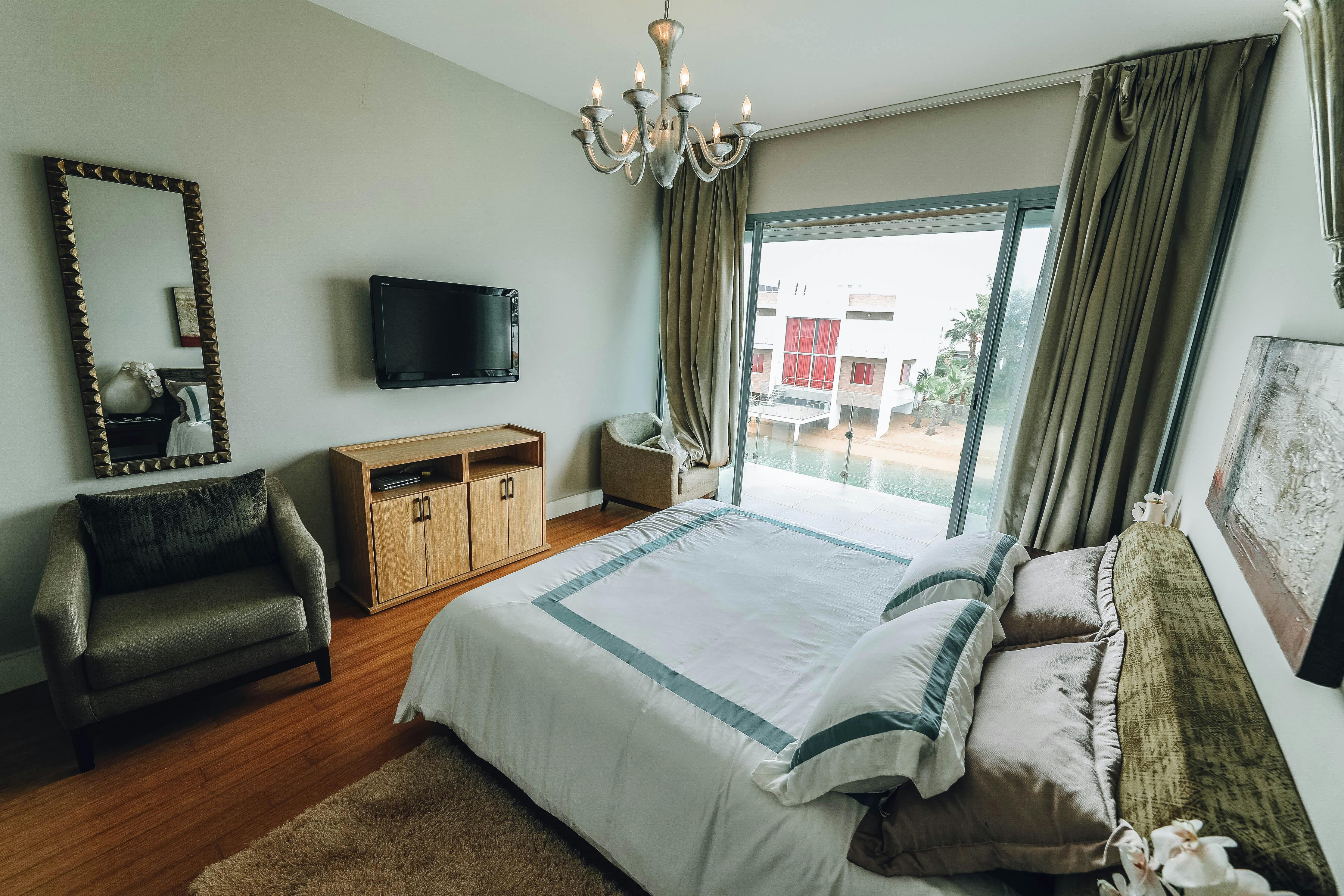
Why does the TV history matter at all? Because buildings with screen time often gain symbolic value, and symbolism can support demand, but only when the underlying asset is solid. A building featured in The New York Times Real Estate conversation, or in shows like Gossip Girl, The Good Wife, and Blue Bloods, benefits from memory and recognition. Yet fame is a garnish, not the meal.
Core Benefits and Importance
- Prestige without exaggeration. A property like this carries built-in recognition, which can help with resale interest and renter appeal, but the home still has to stand on its own merits.
- Functional space. Three bedrooms in Midtown are not trivial; they let you separate work, rest, and hospitality without turning the living room into a tangle of compromises.
- Prime access. Midtown remains one of the most efficient parts of Manhattan for commuting, theater, dining, and business. Convenience is not glamorous, but it is priceless.
- Building reputation. A known address can reduce uncertainty for buyers who care about service, security, and marketability.
- Material quality. In luxury housing, the finishes, stone, millwork, hardware, and natural light often matter more than any slogan.
Here’s the kicker: the most expensive thing in a luxury apartment is not always the most valuable thing. A marble slab means little if the kitchen workflow is clumsy or the acoustics are bad. I’d rather see honest craftsmanship, tight joints, and a plan that respects the people using it. That is where craftsmanship becomes moral as well as aesthetic; excellent work honors the maker and the resident alike.
Luxury also has a stewardship problem, and I say that as someone who likes beautiful things. A well-made residence should be durable, not wasteful. Good design lasts. Cheap glamour doesn’t. When a home is built with restraint, proportion, and care, it tends to age better, which is both practical and, dare I say, a little wiser in a biblical sense: gifts are to be received with gratitude, not squandered with vanity.
For broader reading on what makes high-end spaces hold value, see Dezeen for design commentary and Mansion Global for market-minded luxury property reporting.
Step-by-Step Guide to Evaluating a Luxury Residence Like This
- Start with the floor plan.
I always check circulation first, because a beautiful room arrangement beats a flashy finish package that traps furniture in awkward corners. Does the apartment flow? Can you live in it without fighting the architecture every day?
- Measure light and exposure.
Big windows are not enough if the room faces a canyon of shadows, or if the apartment loses its brightness by midafternoon. Natural light changes the mood of a home, and in a city apartment it changes how large, calm, and humane the space feels.
- Inspect storage honestly.
Many luxury buyers pretend storage is boring until they run out of it. Then the tune changes. Check closets, pantry space, utility zones, and any built-ins that actually reduce clutter instead of displaying it.
- Judge the materials, not the adjectives.
Ask what the floors are, how the cabinetry was built, whether the fixtures are solid, and whether the stone or tile feels durable. A home should not need constant apologizing.
- Evaluate privacy and noise.
Midtown can be lively, which is a nice word for loud. If the windows, walls, and bedroom placement do not handle that properly, the apartment becomes a performance space rather than a refuge.
- Study the building services.
Concierge coverage, elevator speed, package handling, maintenance response, and security matter. A luxury building that fumbles the basics is just an expensive disappointment in a nicer coat.
- Compare the address to your actual life.
The best property is the one that fits your habits, not your ego. Do you need walkability, school access, restaurant proximity, or quiet rooms for work? Be honest.
- Look at long-term ownership costs.
Fees, taxes, repairs, and furnishing costs can turn a glamorous purchase into a financial headache. I prefer buyers who count, not just admire.
- Confirm the intangible value.
This is where the Milan in Midtown profile matters. TV associations, building reputation, and neighborhood energy can support enjoyment and resale, provided the apartment itself is well-kept and reasonably priced against comparable units.
- Walk through with a plainspoken eye.
If you would not want to sit there on an ordinary Tuesday, that is a problem. Luxury should improve daily life, not just look good in a listing photo.
A good selection process is less about chasing fantasy and more about disciplined attention. Search for the thing that remains attractive after the applause dies down.
Comparison Table: Milan in Midtown vs. a Typical Midtown Luxury Tower
| Feature | Milan in Midtown Three-Bedroom Aerie | Typical Midtown Luxury Tower |
|---|
| Recognition | Strong pop-culture visibility | Usually lower public recognition |
| Layout | Often valued for livability and room count | Frequently efficient, sometimes generic |
| Prestige | High, with distinctive address cachet | High, but often more interchangeable |
| Privacy | Can be strong if the unit is well-positioned | Varies widely by tower and stack |
| Maintenance Burden | Depends on services and fees | Often predictable, but can be heavy |
| Resale Appeal | Helped by building story and neighborhood name | Driven more by specs than identity |
| Emotional Value | Higher for buyers who value character | Higher for buyers who want newness |
| Main Risk | Paying for cachet over quality | Paying for newness over substance |
Most people think new is better. That is not always true. A newer tower may offer shinier common areas, but older prestige buildings can provide better proportions, more interesting architecture, and a sense of place that cookie-cutter luxury lacks. The trick is not to worship age or novelty; it is to judge whether the home serves life well.
For additional context on Manhattan luxury trends, Corcoran market reports and StreetEasy provide useful local data and inventory comparisons.
Common Mistakes to Avoid
- Confusing fame with quality. A building that appeared on television is not automatically a better buy. Screen time can boost cachet, but it does not improve plumbing, soundproofing, or layout.
- Overpaying for branding. Marketing language around luxury is often inflated. Verify comparable sales, fee structure, and actual condition before buying into the story.
- Ignoring maintenance costs. High-end buildings can carry real carrying costs, and those costs compound quickly. People love the glossy entryway until the bills arrive.
- Choosing style over function. A dramatic dining area is useless if the kitchen is cramped, or if the bedrooms feel exposed to noise and light.
- Skipping a detailed walk-through. You should inspect closets, finishes, ventilation, window quality, and room proportions carefully. Perfection lives in the details.
- Forgetting resale logic. The smartest luxury purchase keeps future buyers in mind. A rare apartment can still be hard to sell if the plan is eccentric.
I’m skeptical of the usual advice that says, “buy the most distinctive property you can find.” That’s lazy. Distinctive can be great, but only if the distinction is grounded in utility, not just spectacle. Real luxury is measured by how easily a home supports ordinary life with dignity. That may sound humble, but it is the whole point.
If you want to read about luxury market behavior beyond glossy ads, The Wall Street Journal real estate section regularly covers pricing, demand, and ownership realities.
Frequently Asked Questions
What makes Milan in Midtown notable?
It is notable for its Manhattan address, luxury positioning, and cultural visibility, which together create a recognizable identity in a crowded market.
Is a three-bedroom aerie better than a larger but less famous apartment?
Sometimes, yes. If the layout, light, building services, and location are better, a smaller but smarter apartment can be the superior choice.
Does TV exposure increase property value?
Not automatically. It can support interest and perceived cachet, but value still depends on condition, location, services, and comparable market sales.
What should buyers prioritize in luxury Manhattan living?
Prioritize floor plan, natural light, storage, privacy, building service, and long-term costs. Fame is optional; comfort is not.
Final Thought
A luxury apartment should do more than impress guests for ten minutes. It should carry you through real life with calm, order, and a little grace, which is where good architecture stops being decoration and starts becoming a form of stewardship. I’ve seen plenty of homes that shout and very few that truly serve. The better standard is quieter: beautiful, durable, well-made, and fit for actual living. If Milan in Midtown delivers that, the TV credits are just a bonus.