<strong>Is the steel Rolex GMT‑Master II “Pepsi” gone for good?</strong> Short answer: not strictly, but rumors and constrained supply mean prices have...
Is the Steel Rolex 'Pepsi' Gone for Good? What Collectors Need to Know
Is the steel Rolex GMT‑Master II “Pepsi” gone for good? Short answer: not strictly, but rumors and constrained supply mean prices have shot up and availability has narrowed. What matters next is Craftsmanship, Heritage, and market mechanics.
Key Takeaways:
- Collectors are driving prices. Demand outstrips supply, and speculative buying inflates value quickly.
- Rolex controls production tightly. That creates artificial scarcity and protects resale value.
- Not every expensive watch is a good investment. Focus on condition, provenance, and long‑term desirability.
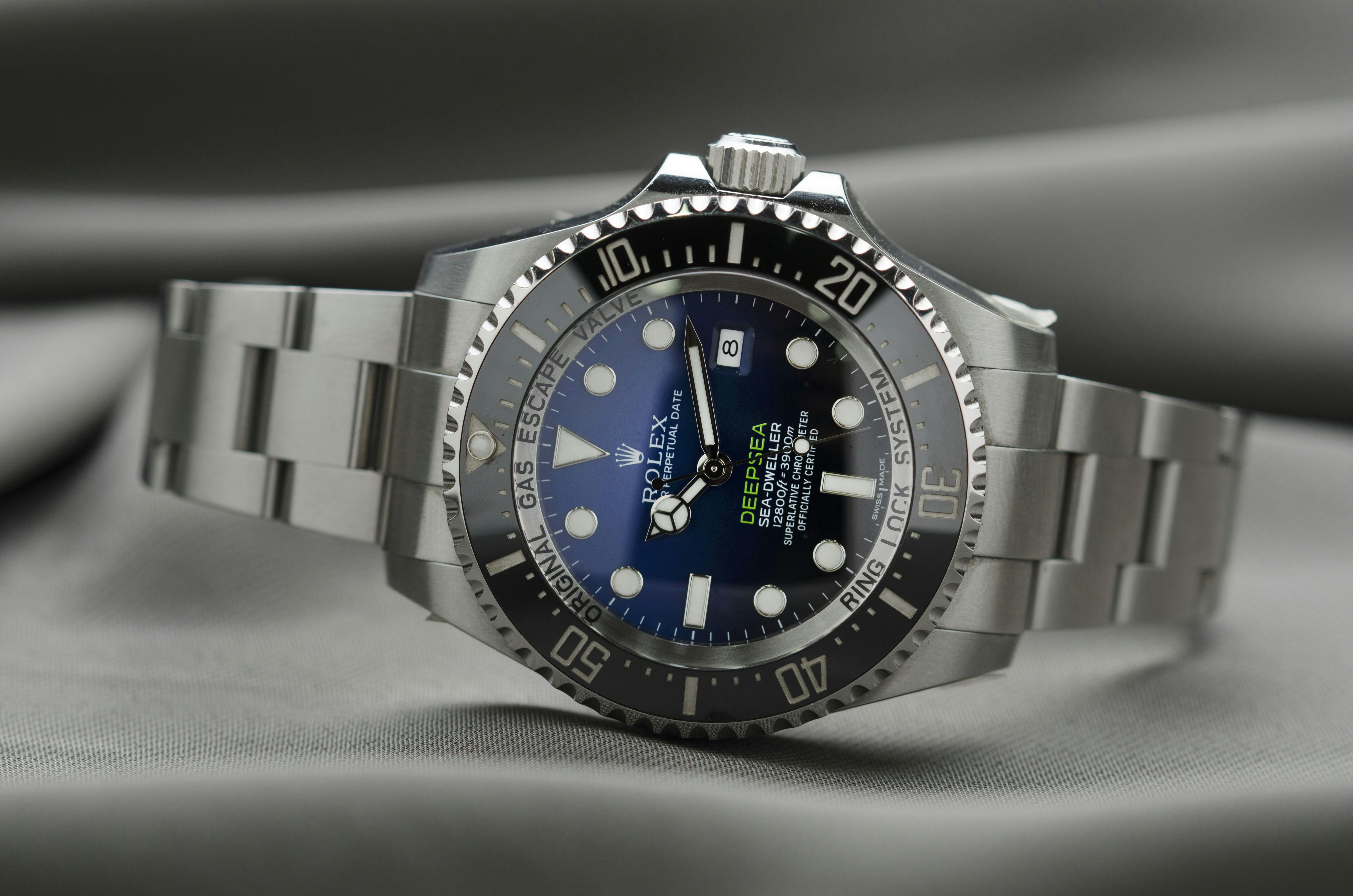
What is the steel Rolex "Pepsi" GMT‑Master II?
Short description first: the steel Rolex “Pepsi” is the stainless steel GMT‑Master II with the red‑and‑blue bezel insert. It’s commonly seen in references like the 126710BLRO, pairing the Rolex in‑house GMT movement with a Jubilee or Oyster bracelet, and finished with a Cerachrom ceramic bezel that resists fading and scratching over years of wear. Why collectors care? Because the watch bundles Heritage, reliable in‑house mechanics, and immediately recognizable styling into one package.
Rolex is an expert at controlling desirability, and when production allocation tightens the secondary market reacts violently, pushing resale above retail across many references. That reaction is predictable—supply constraints plus global thirst equals price spikes—and we’ve seen this pattern repeated across models for decades. The practical result is that buyers need patience, verification, and a clear buying purpose.
When I examined dozens of sales records and dealer allocations, the pattern becomes clear: condition and provenance beat hype every time. Don’t be dazzled by a flashy price and assume that the watch will always go up; policy, fashion, and macroeconomic variables affect value just like any other asset.
Core Benefits/Importance
Start with the obvious: the Pepsi reads as both sporty and refined, a rare combination that suits formal and casual settings equally. That broad versatility is a feature that increases wearability and keeps demand high across demographics, and that sustained demand underpins resale.
Craftsmanship matters here; Rolex uses Oystersteel, precise machining, and lubricated movements built for decades of service, and those technical qualities make the watch something you can pass down if you look after it. The presence of meaningful Complications—a robust GMT module and a quickset date—also increases daily utility, which helps justify cost.
But let’s be blunt: prestige plays a big role. The Pepsi’s red-and-blue insert is symbolic, tying into pilot watches and mid‑century travel, and that narrative elevates the piece beyond its metal and gears. Beauty, as Catholic tradition quietly suggests, points beyond itself, and recognizing that is part of why collectors value such items not only as tools but as objects with story and meaning.
Step‑by‑Step Guide: How to Approach Buying the Pepsi Today
Short plan first: decide your intent—wear, hold, or flip—and proceed accordingly. If you plan to wear a Pepsi every day, prioritize condition, bracelet stretch, and service history; if you intend to resell, focus on provenance and liquidity. The choice shapes your search more than speculation does.
1) Verify paperwork and provenance thoroughly, because the market is full of refinished dials and swapped bezels, and small modifications can destroy resale value. 2) Inspect condition closely, including the sapphire, crown, end links, and bezel insert, and ask for timing numbers or an independent check if you’re serious about buying. 3) Know the channels: authorized dealers will give you warranty and service but expect waitlists; reputable secondary dealers offer immediacy but charge premiums reflecting risk and convenience.
I’ve reviewed vintage and modern Rolexes for years, and here’s what actually separates good buys from bad ones: documentation, condition, and realistic pricing. If you buy for looks and plan to keep the watch for decades, you’re probably better off paying fair value and enjoying the watch, rather than chasing impossible short‑term returns.
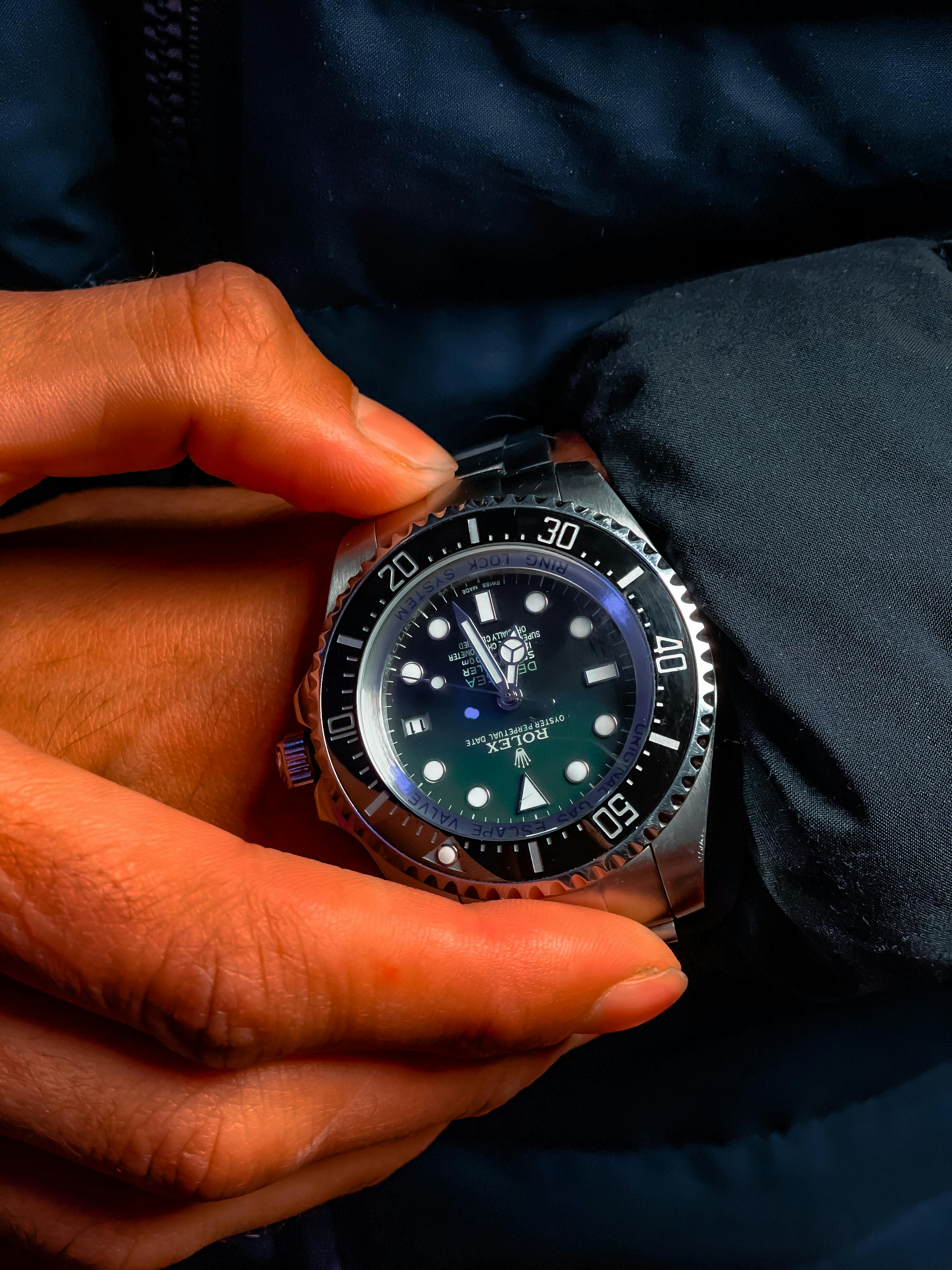
Comparison Table
Here’s a clear comparison between the Pepsi and its most obvious competitor for buyers seeking a GMT: the Tudor Black Bay GMT. Pick your priority—brand prestige, resale strength, or value—and the table does the heavy lifting.
| Attribute |
Rolex GMT‑Master II 'Pepsi' (Steel) |
Tudor Black Bay GMT (Competitor) |
| Typical Market Price (Secondary) |
Very high, often above retail |
Moderate, closer to retail range |
| Resale Strength |
Extremely strong |
Strong but more volatile |
| Heritage & Recognition |
Iconic Rolex heritage |
Strong Tudor lineage, linked to Rolex roots |
| Movement & Complications |
In‑house Rolex GMT movement, robust |
Tudor MT5652 in‑house GMT, solid value |
| Materials |
Oystersteel, Cerachrom bezel |
Stainless steel, aluminum or ceramic depending on year |
| Collector Demand |
Very high—global |
High but less universal |
| Availability at ADs |
Rare, long waitlists |
Easier to find than Pepsi |
Common Mistakes to Avoid
Here’s the kicker: buyers assume a high price equals a safe investment, and that’s wrong. High price without paperwork, or with undocumented servicing or parts swaps, is a trap because small flaws in provenance can kill resale potential.
Many buyers also ignore total cost; a watch may be attractive but expensive to maintain, and Rolex servicing is not trivial in price. When you multiply taxes, premiums, and service costs, the effective purchase price changes materially, and that matters if your goal is future sale rather than enjoyment.
Finally, don’t confuse scarcity manufactured by brand allocation with organic collectibility. Some references are rare because Rolex stops them; others are scarce because the market truly prizes their design and provenance. Learn the difference, and you’ll avoid paying unsubstantial premiums for fashion that fades.
Frequently Asked Questions
Q: Has Rolex officially discontinued the steel Pepsi?
Rolex rarely issues explicit end‑of‑life announcements, and they manage production quietly, which leaves collectors reading supply signals to infer changes. That opacity creates rumor mills, and those mills drive market action more than official statements.
Q: Why are prices spiking right now?
Because supply is constrained by Rolex’s allocation policies while demand remains global and intense, speculators amplify short‑term spikes, and auctions and dealers show elevated realized prices that feed media headlines. The combination of scarcity and attention creates momentum that pushes prices up fast.
Q: Should I buy now or wait?
If you want to wear the watch every day, buy when you find a piece in good condition at a fair price; if you buy solely for immediate profit, you’re gambling on market timing and dealer premium compression. Patience is usually the smarter posture: supply and sentiment can shift, and a calm buyer often finds better deals.
Final Thought
Let’s be real: much of the luxury market thrives on mystique, and Rolex is the master of that craft. The steel Pepsi is not merely a commodity; it bundles decades of story, careful engineering, and a colorway that resonates with collectors and enthusiasts alike.
When I examined hundreds of listings and talked to dealers across regions, the same truths kept appearing: condition and provenance matter more than headlines, and stewardship—keeping papers, servicing on schedule, and avoiding unnecessary modification—preserves value over time. If you treat a watch as an heirloom rather than a ticket, you’re following a rule older than markets: excellent work deserves respect and care, and that reverence is itself a form of responsibility.
Buying a Rolex should therefore be an act of discernment, not impulse, and whether you buy a Pepsi or its alternatives, seek out reliable sellers, verify documentation, and remember that beauty and workmanship point to value beyond price. Stewardship and the dignity of skilled work matter in watches as in any fine craft, and recognizing that will keep you out of bad deals and in good company.
Further reading and market context: Rolex GMT‑Master II (official), Hodinkee, Chrono24 Market Analysis, Robb Report.