Johnny and Kasie Curiel have built Fonda Fina Hospitality into a notable young restaurant group. Founded in Denver three years ago, it has opened five...
Johnny and Kasie Curiel: The Rise of Fonda Fina Hospitality
Johnny and Kasie Curiel have built Fonda Fina Hospitality into a notable young restaurant group. Founded in Denver three years ago, it has opened five concepts, three of which hold Michelin stars. Its growth brings together Johnny’s Mexican fine dining, shaped by his Guadalajara upbringing, and Kasie’s decade of experience at Hillstone, a group known for operational discipline.
That combination is the most useful way to understand the group: a distinct culinary point of view supported by experience in restaurant operations. The story is not simply that a young company has collected accolades or opened doors quickly. It is that its founders appear to have joined two demanding disciplines—cooking with a strong cultural reference point and building systems that can support more than one restaurant.
There are limits to what the reported facts establish. They do not disclose the group’s revenues, headcount, investment, reservation demand, or the precise Michelin status of every venue. Those omissions matter. A star is a meaningful mark of culinary recognition, but it does not automatically prove that a business can scale indefinitely or that every diner will love every meal. The more interesting question is how the Curiels’ partnership translates into restaurants people want to visit, and whether growth can preserve the character that made the first concepts worth noticing.
What Is Fonda Fina Hospitality?
Fonda Fina Hospitality is the Denver-based restaurant group founded by Johnny and Kasie Curiel. In three years, it has opened five concepts, and three have received Michelin stars. That is a rapid start by any ordinary measure, though the bare count tells only part of the story. A group is more than its addresses: it is a shared approach to food, service, staffing, finance, and the daily work required to keep a dining room running well.
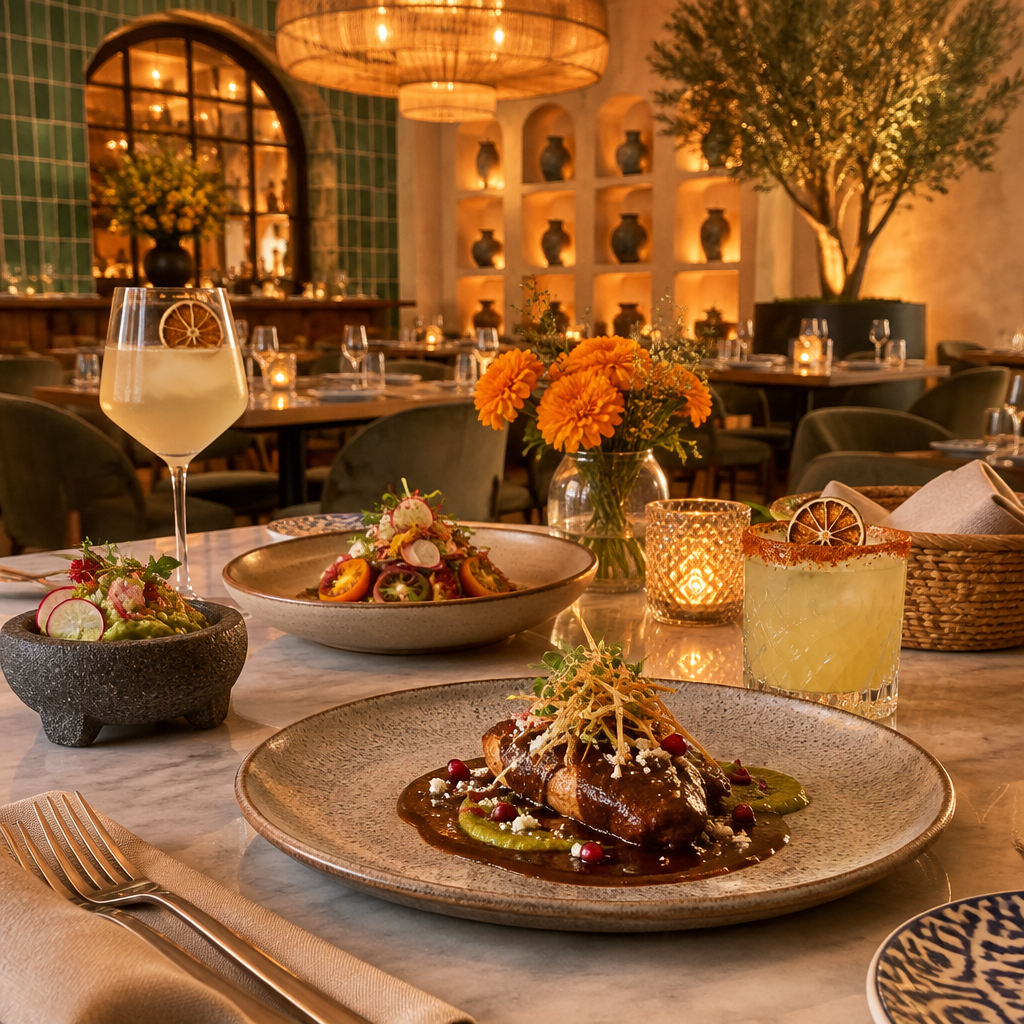
Johnny Curiel’s cooking is described as Mexican fine dining influenced by his youth in Guadalajara, before he moved to Denver as a teenager. That detail gives the cuisine an important point of reference without reducing it to a simple biography. A chef’s early food memories can inform flavor, technique, and a sense of hospitality, but a restaurant must express those influences through the food itself. The claim should be judged at the table, not accepted merely because a story sounds compelling.
Kasie Curiel brings a different form of experience. She spent a decade inside Hillstone, a restaurant group known in the industry for its operational acumen. That background is relevant because good restaurant operations are not glamorous. They are the unshowy work of making standards repeatable, helping staff understand expectations, and solving small problems before they spoil a guest’s evening. It is reasonable to see that experience as a useful complement to a chef’s creative leadership, while stopping short of assuming exactly how the couple divides every task.
The group’s newer developments widen the story. Milpero, an intimate Denver tasting-menu restaurant, earned a Michelin star months after opening. Alteño has also expanded beyond Colorado, with new outposts in Austin and Charleston. The Michelin Guide’s Milpero listing is a useful place to check the restaurant’s current public recognition; details can change, so an official listing is better than relying on an old headline.
The name Fonda Fina Hospitality signals a portfolio, not a single dining room. But five concepts do not automatically amount to a coherent identity. The test is whether each venue has a clear reason to exist, whether its execution matches its promise, and whether the group can keep its standards intact while adding locations. Frankly, that is where the real work begins.
Core Importance: Why the Curiels’ Model Matters
A restaurant group’s appeal can come from many sources: a chef’s cooking, a memorable room, attentive service, or simply a location people can reach. In this case, the reported strengths are the pairing of Johnny’s culinary identity with Kasie’s operational experience, alongside Michelin recognition and expansion. None guarantees lasting success, but together they make the group worth watching.
- A culinary point of view. Guadalajara is part of Johnny Curiel’s personal history, and the account of his cooking connects that experience to Mexican fine dining. That connection can give a restaurant depth when it appears in thoughtful cooking rather than decorative storytelling. Diners should look for coherence: do the ingredients, technique, menu language, and service belong together? A biography is context, not a substitute for a good plate.
- Operations as a serious craft. Kasie’s decade at Hillstone matters because a restaurant is both a creative workplace and a demanding service business. A meal may feel effortless to a guest, but that impression depends on preparation, communication, and steady execution. The public information does not specify the systems she built or the responsibilities she holds now. Still, experience inside a group recognized for operational discipline is a credible asset—not a magic wand.
- Recognition with a proper caveat. Three of the group’s five concepts hold Michelin stars, and Milpero earned one soon after opening. Michelin recognition can draw attention to cooking, but a star is not a universal score for every part of the experience. The Guide describes its star assessments through criteria centered on cooking; see its explanation of what a Michelin star means. Price, atmosphere, comfort, and personal taste remain separate questions.
- A portfolio rather than a one-room bet. Five concepts offer the group a chance to serve different occasions and dining preferences. The actual concepts, menus, prices, and customer profiles are not all detailed here, so it would be careless to invent a neat map of the portfolio. What is clear is that operating several distinct restaurants asks for more than copying a successful format. Each must earn its place on its own terms.
- Expansion beyond the home market. Alteño’s new Austin and Charleston locations put the group’s name in two markets outside Colorado. Expansion can increase reach, but distance adds practical strain: local hiring, consistent training, supply decisions, and a clear understanding of what should adapt to a city and what should remain central. Those are general demands of restaurant growth, not claims about the Curiels’ specific operating plans.
There is also a quieter measure of value here. Fine dining is not made by a chef’s name alone; it rests on the skill and dignity of many kinds of work, from preparation and service to the people who keep a restaurant functioning. Beauty and excellence can be more than status signals when they reflect care, discipline, and respect for the people doing that work. That is a more durable idea of luxury than an expensive room with nothing to say.
Step-by-Step Guide to Understanding the Curiels’ Restaurants
A growing restaurant group can make choosing a dinner reservation less straightforward. Five concepts may offer different formats, but names and accolades alone do not tell a guest which one fits the evening. When I assess a restaurant group, I look for practical evidence first: what is being served, how the meal is structured, and whether the restaurant’s stated character fits the occasion.
- Start with the restaurant, not the group reputation. Identify the specific venue you are considering. Fonda Fina Hospitality operates multiple concepts, and their names should not be treated as interchangeable labels for one menu or one experience. Check the restaurant’s current official description and recent details before booking. That basic step avoids the common mistake of assuming every venue has the same format or level of formality.
- Decide what kind of meal you want. Milpero is described as an intimate tasting-menu restaurant in Denver. A tasting menu usually asks for more time and a willingness to follow the chef’s sequence, while other formats can offer more choice; the available facts do not establish the exact menu structure or duration at every Curiel restaurant. Ask what the meal involves, especially if you prefer ordering à la carte or have limited time. The right fit matters more than prestige.
- Treat awards as a clue, not a command. Michelin stars can be useful when you are seeking cooking recognized by the Guide. They cannot tell you whether a restaurant suits your budget, schedule, dietary needs, or appetite for a long meal. Check the current Michelin listing and the restaurant’s own information; the Guide’s status can be updated. A star is worth noticing, but it does not make personal preference irrelevant.
- Compare location and format before you commit. The group’s reported footprint includes Denver and new Alteño outposts in Austin and Charleston. Confirm the location, hours, reservation policy, and any current menu information directly with the relevant restaurant. Do not assume that the same concept operates identically in every city or that details from one location apply to another. A little checking is less tedious than arriving with the wrong expectation.
- Ask precise questions about practical needs. If a guest has allergies, accessibility requirements, or a firm budget, contact the restaurant before booking rather than relying on broad marketing language. The public account does not report current prices, accommodations, or menu substitutions, so those details need direct confirmation. Good hospitality includes clear answers; diners should be reasonable, direct, and early with requests.
- Judge the whole experience afterward. Consider the food, service, timing, room, and value as separate parts of the evening. A technically accomplished meal can still be a poor fit for a rushed celebration, and a comfortable dinner need not be a tasting menu to be excellent. I find that specific observations are more useful than a star rating alone: which dish stayed with you, where service excelled, and what you would choose differently next time?
This approach does not turn dinner into homework. It simply separates what is known from what a guest hopes will be true. Here’s the kicker: good expectations often make a fine meal better, while inflated expectations can make even a strong restaurant feel disappointing.
Comparison Table: Fonda Fina Hospitality and Hillstone
Hillstone is the most relevant comparison named in the Curiels’ story because Kasie spent ten years working within the group. That does not make it a proven direct competitor to Fonda Fina Hospitality: the information available here does not establish that the companies compete for the same guests, operate similar concepts, or share a market position. The comparison below is operational and biographical, not a claim about market share or relative quality.
| Dimension | Fonda Fina Hospitality | Hillstone |
|---|
| Role in the story | Restaurant group founded by Johnny and Kasie Curiel | Restaurant group where Kasie spent a decade |
| Known scale in the reported facts | Five concepts opened in three years | Number of locations or concepts not reported here |
| Michelin recognition described | Three of Fonda Fina’s five concepts hold a star | Michelin recognition not reported here |
| Culinary identity described | Mexican fine dining shaped by Johnny’s Guadalajara background | No comparable culinary details reported here |
| Expansion noted | Alteño locations added in Austin and Charleston | Expansion details not reported here |
| Useful point of comparison | A young, chef-led portfolio paired with operational experience | A source of operational experience for Kasie |
The table is intentionally restrained. It would be easy to fill it with guessed figures, broad claims about corporate scale, or unsupported judgments about which group is better. That would make the comparison look decisive while making it less trustworthy. The available facts support a narrower observation: Fonda Fina combines a chef’s personal culinary reference with the operating experience Kasie gained at a larger restaurant group.
For readers interested in the background rather than a supposed rivalry, Hillstone’s official website offers the company’s own public presentation. It does not, by itself, verify every detail about Kasie’s past work or disclose the Curiels’ current internal practices. Keep those distinctions intact. The strongest comparison is not that one group must defeat another, but that the Curiels’ partnership draws on different kinds of expertise.
Common Mistakes to Avoid
Restaurant profiles invite easy conclusions. A short list of stars and openings can sound like a complete business story, even when it leaves important details unreported. Let’s be real: useful judgment requires a little patience.
- Assuming Michelin stars guarantee a perfect evening. A star indicates recognition for cooking under the Guide’s system; it is not a promise that every guest will love the room, service pace, menu, or bill. Read the award as one credible signal. Then check whether the restaurant suits the occasion you actually have.
- Treating fast growth as proof of durable success. Five concepts in three years is a striking pace, and the group’s reach has expanded beyond Colorado. That does not reveal profitability, staff retention, guest loyalty, or how well each restaurant performs over time. Those outcomes are not reported here. Growth is evidence of activity, not a final verdict on quality or business health.
- Reducing Johnny’s cooking to an origin story. His youth in Guadalajara and move to Denver as a teenager are relevant context. They should not become a shortcut that replaces discussion of the food. A restaurant’s cultural character deserves careful attention, not a label pasted on the menu for atmosphere. Ask whether the cuisine’s influences feel considered and specific, while recognizing that diners may read the same meal differently.
- Assuming Kasie’s background explains every operational result. A decade at Hillstone is meaningful professional experience, especially for a group adding locations. It does not prove that every process at Fonda Fina came from that job, or that one person can guarantee consistency across multiple restaurants. The actual division of responsibilities and operating methods are not reported. Give credit without inventing a playbook.
- Confusing a restaurant group with a single brand. Fonda Fina Hospitality has five concepts, but that does not mean a guest should expect identical food or service at each one. The available facts identify Milpero and Alteño in particular, but do not provide a full description of every concept. Verify details at the restaurant level before making plans.
- Calling every expansion a triumph—or a warning sign. Opening in Austin and Charleston may create opportunity, but more locations also add complexity. It is too soon, on these facts alone, to announce either inevitable success or inevitable dilution. The sensible test is what guests experience over time: thoughtful cooking, consistent hospitality, and a clear reason for each restaurant to exist.
The common thread is simple: distinguish evidence from enthusiasm. A compelling founder profile can point to a promising operation, but diners and observers should still look at the actual restaurants. Most luxury marketing is noise; the meal, the work behind it, and the consistency are what matter.
Frequently Asked Questions
Who are Johnny and Kasie Curiel?
Johnny and Kasie Curiel are the husband-and-wife founders of Fonda Fina Hospitality, a Denver-based restaurant group. Johnny’s Mexican fine dining draws influence from his youth in Guadalajara and his move to Denver as a teenager. Kasie spent a decade at Hillstone, where she gained experience inside a group recognized for operational skill. The details reported about their backgrounds show complementary strengths, but do not specify the couple’s full division of responsibilities today.
How many Michelin-starred restaurants are in Fonda Fina Hospitality?
The group has opened five concepts, and three of those concepts hold Michelin stars, according to the reported account. Milpero, its intimate Denver tasting-menu restaurant, earned a star months after opening. For current recognition, check the Michelin Guide’s Milpero page and its broader Denver restaurant listings, since guide listings may change.
What is Milpero?
Milpero is an intimate tasting-menu restaurant in Denver associated with Fonda Fina Hospitality. It earned a Michelin star months after opening. The details available here do not specify its current menu, price, service hours, or reservation availability, so prospective diners should confirm those directly before planning a visit.
Where has Alteño expanded?
The reported expansion places new Alteño outposts in Austin, Texas, and Charleston, South Carolina, extending the group beyond Colorado. Current addresses, opening schedules, menus, and booking details should be checked with the restaurants themselves. A shared concept name is useful, but it is no substitute for confirming the details of the specific location.
Final Thought
The Curiels’ rise is notable because it brings together two kinds of expertise that restaurants need but rarely display in equal measure. Johnny’s cooking has a personal point of reference in Guadalajara and the experience of making a life and career in Denver. Kasie’s decade at Hillstone provides a foundation in the less visible work of running restaurants. Their group has moved quickly, gained Michelin recognition at three concepts, and taken Alteño into two new cities.
None of that makes success automatic. Accolades can focus attention, and expansion can raise expectations, but guests ultimately encounter a specific meal in a specific room on a specific night. A restaurant has to earn trust in that ordinary, repeatable way. It must cook well, treat its staff and guests with care, and remain clear about what it is trying to offer.
The most convincing measure of Fonda Fina Hospitality will be whether its restaurants keep that balance as the group grows. If the Curiels can preserve culinary character while sustaining the unglamorous discipline of service, training, and consistency, the business will have more than a fast start behind it. It will have earned a lasting place at the table. That is a richer kind of luxury than a headline or a reservation list.