Lamborghini’s newest Urus SE Performante is not just more powerful. It’s a blunt reminder that luxury now means speed, tech, and useless-but-fun excess...
Lamborghini’s Most Powerful SUV Yet: What the 800 HP Urus SE Performante Really Means for Luxury Performance
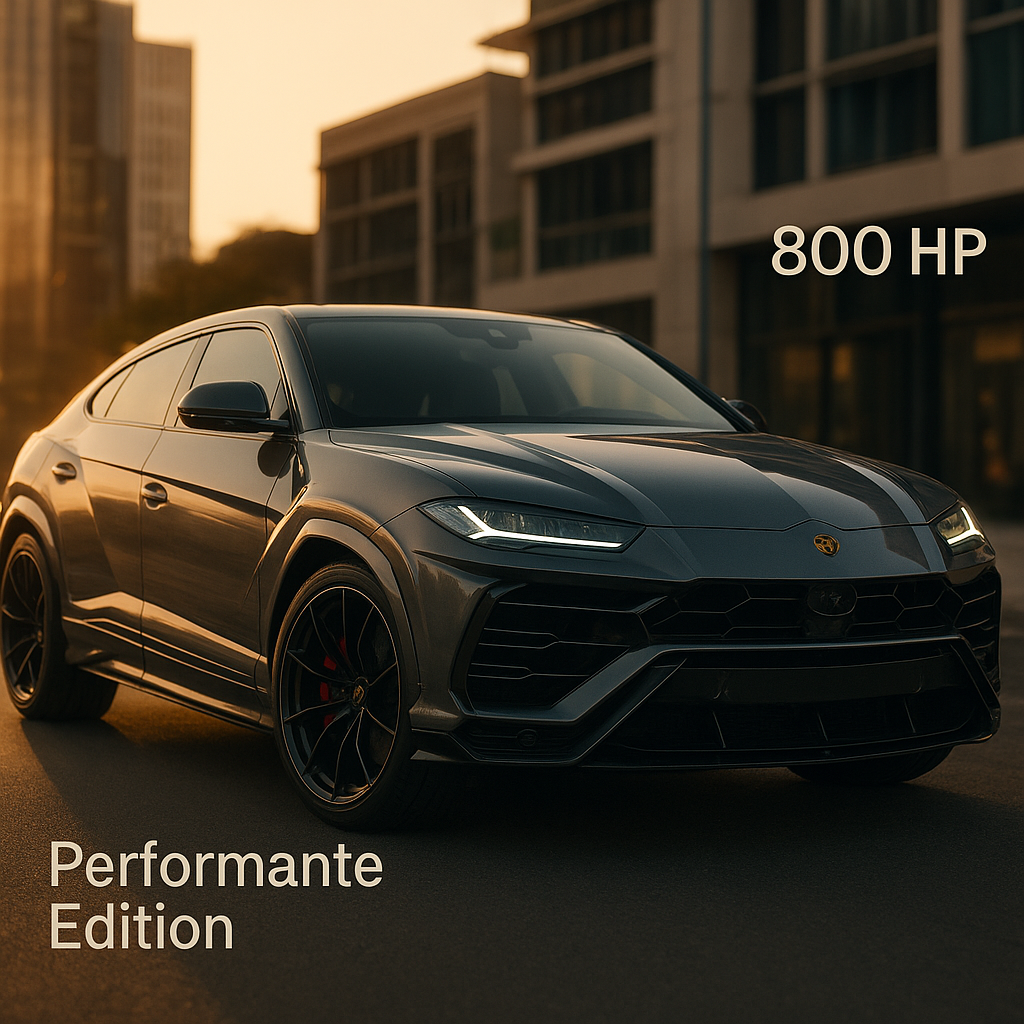
Lamborghini’s newest Urus SE Performante is not just more powerful. It’s a blunt reminder that luxury now means speed, tech, and useless-but-fun excess wrapped in very expensive carbon fiber. The 800 hp figure grabs headlines, but the real story is how performance SUVs keep pulling money, attention, and irrational desire from buyers who could buy anything else.
Key Takeaways- The Lamborghini Urus SE Performante pushes the brand deeper into hybrid performance territory.
- 800 horsepower is the headline, but chassis tuning and traction matter just as much.
- The SUV market is crowded, yet Lamborghini still sells emotion better than most rivals.
- Luxury buyers want more than badge value; they want capability, drama, and real-world usability.
- This is where craftsmanship, powertrain engineering, and brand theater all collide.
What is Lamborghini’s Most Powerful SUV Yet?
The Urus SE Performante is Lamborghini’s latest high-performance SUV, and yes, the number matters: 800 hp. But numbers alone are lazy marketing. What actually matters is the package—hybrid assistance, all-wheel drive grip, sharper suspension calibration, and the sort of calibration that lets a tall, heavy machine feel less like a penalty box on stilts and more like a very expensive riot.
I’ve reviewed enough luxury vehicles to know the trick. Power sells first, then people talk about “confidence,” “presence,” and “usable performance.” Frankly, that’s not nonsense here. A performance SUV has to do contradictory things at once. It must be plush enough for daily life, precise enough for fast roads, and outrageous enough to satisfy someone who would never be seen in something merely competent.
Lamborghini is not pretending the Urus SE Performante is a rational choice. Good. Rationality is overrated in luxury, provided the object is made with discipline and not just glitter. The machine should feel built, not assembled by committee. That’s where the best luxury items resemble good architecture or a fine watch: you can admire the surface, but the real value sits in proportion, detail, and the hidden labor of human hands.
The added Rally mode is the sort of detail that sounds absurd until you understand the audience. This is not a grocery-getter with stickers. It’s a toy for people who already have sensible transport and want something more feral on weekends, trail roads, or whatever passes for dirt in a billionaire’s postcode. If you want to read the manufacturer’s own pitch, see Lamborghini’s official material on the Urus SE and the company’s broader Urus model line.
Luxury often gets accused of being empty performance. Sometimes that charge is fair. Here, the engineering appears to justify the theater. Not cheaply. Not modestly. But honestly.
Core Benefits/Importance
The point of a vehicle like this is not transportation. It’s a statement made in metal, leather, software, and noise. Most people will never need 800 hp in an SUV. Most people also do not need fine jewelry, bespoke tailoring, or a table at a restaurant with a six-month wait. Need is the wrong yardstick.
Here’s what matters.
- Performance without surrendering utility
An SUV gives you space, visibility, and everyday practicality. Add serious output, and the owner gets one vehicle that can haul people, luggage, and ego without feeling compromised. That matters to buyers who refuse to split life into “fun car” and “useful car.” - Brand identity through engineering
Lamborghini sells drama, but drama without substance gets old fast. The Urus SE Performante signals that the brand is still willing to make something sharp, not merely loud. That’s rare in a sector where many competitors hide blandness under chrome. - Hybrid performance with a purpose
Electrification is not automatically noble or clever. But when hybrid tech fills torque gaps, sharpens response, and improves real-world usability, it earns its keep. The market is full of cynical badge engineering. This is closer to honest mechanical excess. - A stronger resale story than average luxury SUVs
Not every rich-person toy holds value, but limited, desirable, high-output models tend to do better than common trims. Buyers tracking depreciation will still take a hit, of course. They always do. But scarcity and halo status help. - A more convincing luxury experience
True luxury is not just expensive materials. It’s coherence. When the design, controls, sound, and performance all point in the same direction, the product feels intentional. That idea fits neatly with Catholic thinking on craftsmanship: excellence should reflect order, care, and respect for the work itself.
If you want a broader view of how premium mobility fits into the wider luxury market, the coverage in Bloomberg Luxury and Forbes Luxury shows the same pattern: people keep paying for distinction, not just features.
The kicker? The product only works if the brand keeps the promise. A hollow super-SUV is just expensive noise. A properly engineered one earns respect, even from skeptics like me.

Step-by-Step Guide/Selection Process
Buying, evaluating, or simply understanding a high-end vehicle like the Urus SE Performante requires more than gawking at horsepower figures. I’ve watched too many buyers get mesmerized by spec sheets and then complain later that the thing rides like a brick or feels fake at low speed. Don’t be that person.
Use this process.
- Start with your actual use case
Be honest. If you spend 90% of your time in city traffic, the car’s performance ceiling matters less than throttle finesse, seating position, visibility, and parking stress. The flashiest option is often the least sensible in practice. - Check chassis behavior, not just power
Power is easy to advertise. Chassis balance is harder to fake. Look at suspension tuning, steering feel, brake consistency, and how the vehicle behaves at low and high speeds. Real luxury performance feels controlled, not frantic. - Evaluate the cabin as a workplace
A luxury car is often a second office. Check seat support, infotainment logic, switchgear quality, and noise isolation. A beautiful interior that annoys you after ten minutes is not luxury. It’s a showroom prop. - Compare it against the real competitor set
The Urus doesn’t live in a vacuum. Compare it with the Porsche Cayenne Turbo GT, Aston Martin DBX, and Ferrari Purosangue if you’re shopping in this bracket. Some offer more finesse, some more practicality, some more badge heat. Choose what matters to you, not to a forum thread. - Inspect ownership friction
Maintenance, insurance, service access, tire costs, and software updates all matter. Rich people love pretending ownership costs are irrelevant. They are not. A luxury vehicle should still be a well-made machine, not a subscription to irritation. - Pay attention to emotional fit
This sounds soft, but it’s decisive. Does the car make you feel something useful—confidence, satisfaction, delight, maybe even a bit of awe? If not, keep walking. Beauty matters because it points beyond utility. Even in a car, that truth survives. - Test the “special mode” gimmicks
Rally mode, sport modes, launch control—fine. But ask whether they’re meaningful or just menu theater. A good system should change behavior noticeably. A fake one just changes the color of the screen. - Price the car as a total ownership experience
Sticker price is only the opening move. Tax, options, depreciation, service, and storage all count. Luxury is stewardship, too, not just indulgence. The wise buyer respects what expensive things demand.
For broader context on how luxury buyers think across categories, see Menswear and style coverage or premium travel reporting in Condé Nast Traveler. The same rule applies everywhere: quality has to justify itself.
Comparison Table
Here’s the cleaner comparison, because too many people confuse louder with better.
| Model | Power | Character | Practicality | Best For | Weak Spot |
|---|
| Lamborghini Urus SE Performante | 800 hp | Wild, theatrical, sharp | High for class | Buyers who want maximum drama and strong daily usability | Price and ride firmness |
| Porsche Cayenne Turbo GT | 650 hp | Precise, athletic, disciplined | Very high | Drivers who value balance and handling | Less visual drama |
| Aston Martin DBX | 697 hp | Elegant, muscular, grand touring | High | Buyers who want style and comfort | Less extreme performance edge |
| Ferrari Purosangue | 715 hp | Exotic, exclusive, refined | Moderate | Buyers who want rarity and Ferrari cachet | Less SUV practicality |
The obvious answer is not always the best one. The Lamborghini wins on spectacle and headline power. The Porsche often wins on polish. The Ferrari wins on exclusivity. See? Luxury competition is not a simple ranking; it’s a set of trade-offs dressed in expensive trim.
For model-specific verification, Lamborghini’s own pages remain the cleanest source: official Urus SE details. You can also cross-check broad market and launch coverage from Top Gear and Car and Driver.
Common Mistakes to Avoid
People make the same dumb mistakes with luxury performance products. Every year. Without fail.
- Obsessing over horsepower alone
Horsepower is a headline, not a verdict. Traction, braking, damping, and software calibration decide whether the machine feels brilliant or merely unstable with a badge. - Assuming luxury equals comfort
Not always. Some luxury performance models are firm by design. If you want sofa softness, buy a different vehicle and stop pretending otherwise. Frankly, a lot of buyers confuse expensive with relaxing. - Ignoring the brand’s emotional logic
Lamborghini is supposed to feel dramatic. If you criticize it for being dramatic, you’ve missed the point. The same goes for Ferrari, Rolls-Royce, or any brand with a clear identity. Evaluate them on their own terms. - Letting trend-chasing replace taste
A lot of luxury advice online is just herd behavior in a shiny suit. Pick a car because you understand the engineering and the experience, not because the internet told you to be seen in it. - Forgetting ownership realities
Tire wear, service intervals, insurance, and fuel or charging behavior all matter. Luxury should be enjoyed with discipline. Stewardship is not a buzzword; it is a sensible way to treat expensive things. - Thinking special modes are the whole story
Rally mode sounds fun. It is fun. But the real question is whether the car remains composed, predictable, and rewarding when the party trick is off. That’s what separates good engineering from marketing confetti.
The truth is, many luxury buyers are not buying a product. They’re buying relief from boredom. There’s nothing immoral about that. But if you spend six figures, you should at least demand integrity from the object.
Frequently Asked Questions
Is the Lamborghini Urus SE Performante really the most powerful SUV Lamborghini has made?
Yes, based on the 800 hp output highlighted in the announcement and the brand’s own description of the model. That said, the more meaningful question is how the power is delivered, not just the peak figure.
What is Rally mode for?
Rally mode is designed to improve control and adjust the vehicle’s behavior on loose or uneven surfaces. It sounds playful, because it is, but it also reflects a broader push toward versatility in performance SUVs.
How does the Urus SE compare with rivals?
It leans hardest into drama and outright power. Some rivals are more refined, and some may be easier to live with, but Lamborghini is aiming for emotional impact first and compromise second.
Is a luxury performance SUV a sensible purchase?
Usually, no. And that’s fine. Luxury doesn’t have to be sensible. It should, however, be well-made, coherent, and worth the money to the person spending it.
Final Thought
The Urus SE Performante is not trying to be everyone’s favorite SUV. Good. That would be boring. It exists for buyers who want their luxury with edge, their practicality with noise, and their engineering with a bit of swagger. The thing is, the best luxury products never apologize for what they are; they simply earn their place through excellence.
I’ve always thought the finest objects—whether a car, a watch, a hotel room, or a perfectly plated meal—share the same quiet burden: they must justify delight. Not just price. Delight. That’s a higher bar, and most brands fail it because they confuse extravagance with merit. Lamborghini usually avoids that trap by making the experience feel deliberate, even if it’s outrageous. There’s craftsmanship in that. There’s order. There’s also the faint reminder that beauty and power are gifts best handled with gratitude, not vanity.
If you buy one, buy it with your eyes open. If you merely admire it, do so honestly. Either way, the machine has done its job when it leaves you thinking not about specs, but about what human ambition can make when it stops being timid.