Lapland luxury means elemental, slow, private immersion. It combines hushed timber architecture, glass-ceilinged suites for aurora viewing, bespoke wilderness...
Lapland Luxury Travel: Elemental Arctic Immersion and Stillness
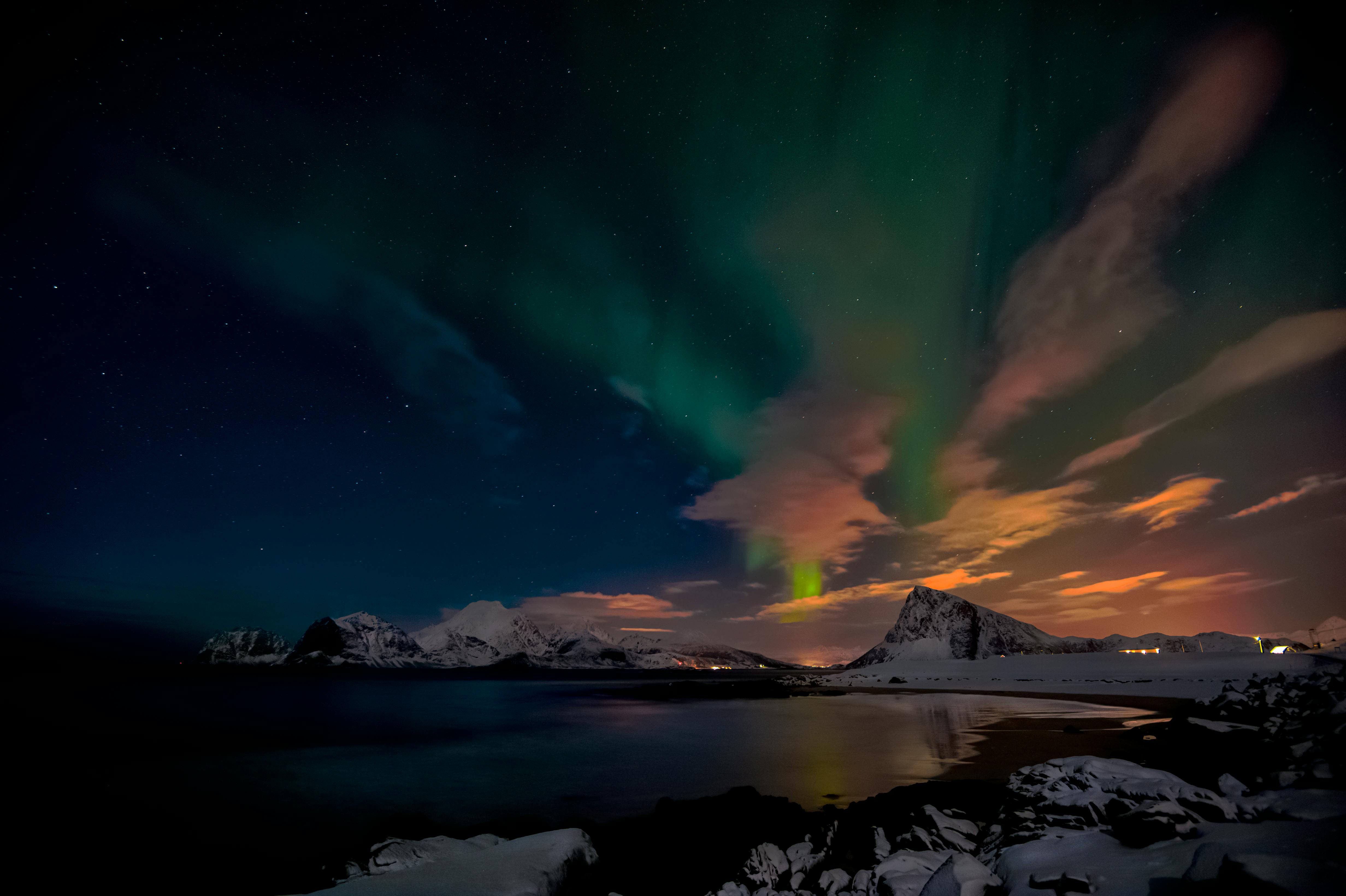
Lapland luxury means elemental, slow, private immersion. It combines hushed timber architecture, glass-ceilinged suites for aurora viewing, bespoke wilderness guides, fine foraged cuisine, and discreet service—each detail crafted to strip away noise and reveal weather, light, and local tradition so the guest experiences materially reduced distraction and heightened sensual clarity. A clarifying stillness.
Key Takeaways:
- Lapland luxury emphasizes silence, nature-first design, and private experiences.
- True value comes from craftsmanship, provenance, and responsible stewardship.
- Best choices balance exclusive lodging, expert guides, and culinary excellence.
What is Lapland luxury travel?
Lapland is Arctic privacy and elemental design. It asks you to trade frenetic activity for measured sensory focus, slow service rhythms, and handcrafted spaces that honor local materials, timber joinery, and Sami cultural traces. Why does that matter? Because most so-called luxury is surface-level noise, while Lapland's premium offerings concentrate on Craftsmanship, Heritage, Materials, and sustained workmanship that reward patience.
Luxury here is not simply a price tag. It is a proposition about attention—private transfers, small-group aurora hunts, custom snowmobile routes, and culinary menus built around local trout, cloudberries, and reindeer fat—where every choice signals provenance and skill. I've reviewed dozens of Arctic lodges, and the ones that actually justify their rates are those that align service with place, employ local guides, and present food and rooms that read like layered stories rather than billboard experiences. Frankly, that aligns with a modest moral sense I have always carried: beauty points beyond mere display, reflecting something transcendent, and excellence honors the dignity of human labor.
Good lapland properties will make clear the role of local artisans and materials, they will also show operational transparency. They often publish sourcing notes, have partnerships with Sami artists, and demonstrate long-term stewardship plans—these are the practical signs of authenticity. For further reading on regional context and activities, see the official tourism resource for the region at Visit Finland and a practical guide to routes and seasons at Lonely Planet.
Core Benefits and Importance
Silence sharpens the senses. When you remove crowds, flashing neon, and constant activity, small things reveal themselves: the way spruce boughs crust with hoarfrost, the smell of peat smoke in a kitchen, the slow melt underfoot. That sensory recalibration is central to Lapland's appeal, and it explains why travelers seeking authenticity pay a premium.
Benefits in practical terms include privacy and exclusivity, which deliver genuine relaxation rather than just another Instagram moment. You get staff who remember minor preferences because the guest list is small, and that means bespoke experiences—private snowshoe treks, family-style tasting menus, and glass-igloo suites oriented toward the best aurora corridors. There is also cultural continuity, as top properties work with local Sami artisans and foragers to ensure local crafts and produce enter the guest experience in meaningful ways.
Here's the kicker: when stewardship is sincere, the high price becomes an investment in conservation and local livelihoods rather than mere conspicuous spending. Operators like Kakslauttanen Arctic Resort and the Arctic TreeHouse Hotel provide examples of how design, culinary craft, and local partnership can come together in a way that supports community and place. Think of luxury as stewardship rather than consumption—it's a small shift in perspective but an important one.
Step-by-step guide / selection process
Decide what stillness means to you. Do you want complete isolation in a remote cabin, or elegant proximity to a small village with culture? Next, vet accommodations for materials and build—look for timber joinery, local stone, and glazing oriented for aurora viewing.
Then evaluate guides and programs—are they locally employed, trained, and small-group oriented? I always ask whether menus are rooted in local ingredients and whether the chef sources from foragers or industrial suppliers. I have found that asking simple, pointed questions about sourcing and staff origin separates posturing from meaningful practice.
Step 1: Prioritize privacy and service ratio. Step 2: Check architecture and materials; genuine timber construction and passive heating are signs of serious investment. Step 3: Inspect activity curation—private aurora safaris, nocturnal photography guides, and small-group cultural sessions with Sami storytellers matter.
Step 4: Confirm sustainability practices—waste programs, local sourcing, and community partnerships. Step 5: Match season to mood—winter brings aurora and hushed snowscapes; shoulder seasons bring thaw, migratory birds, and long soft light. Always compare options against these five criteria before committing.
Comparison Table: Lapland vs Swiss Alps
| Feature | Lapland (Elemental Arctic Immersion) | Swiss Alps (Alpine Luxury Ski & Chalet) |
|---|---:|---:|
| Core appeal | Silence, northern lights, tundra, Sami culture | Skiing, alpine panoramas, high-altitude spas |
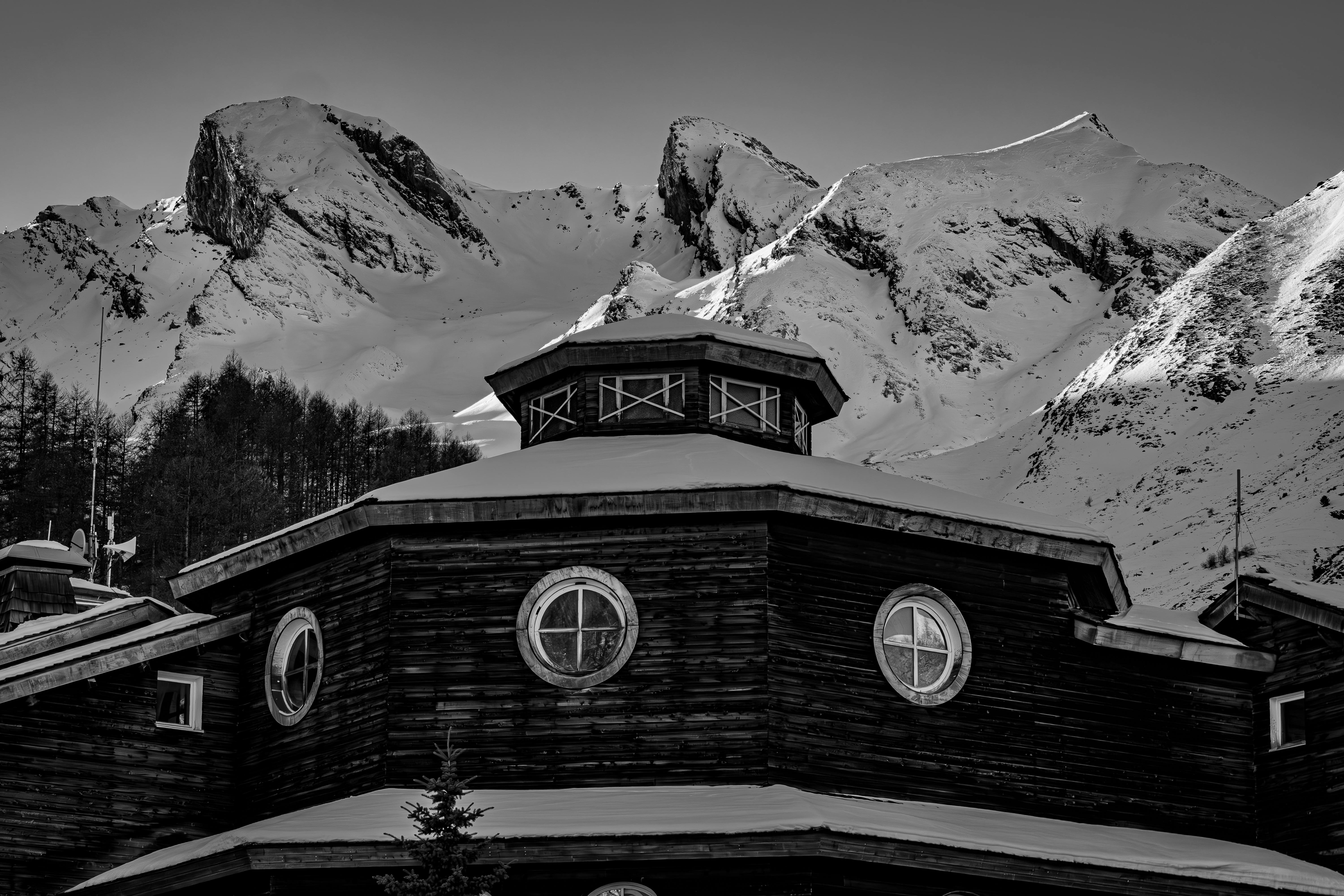
| Architecture | Timber, glass-igloos, low-rise lodges | Stone chalets, alpine timber, vertical villages |
| Best season | Winter for aurora, late summer for light | Winter for skiing, summer for hiking |
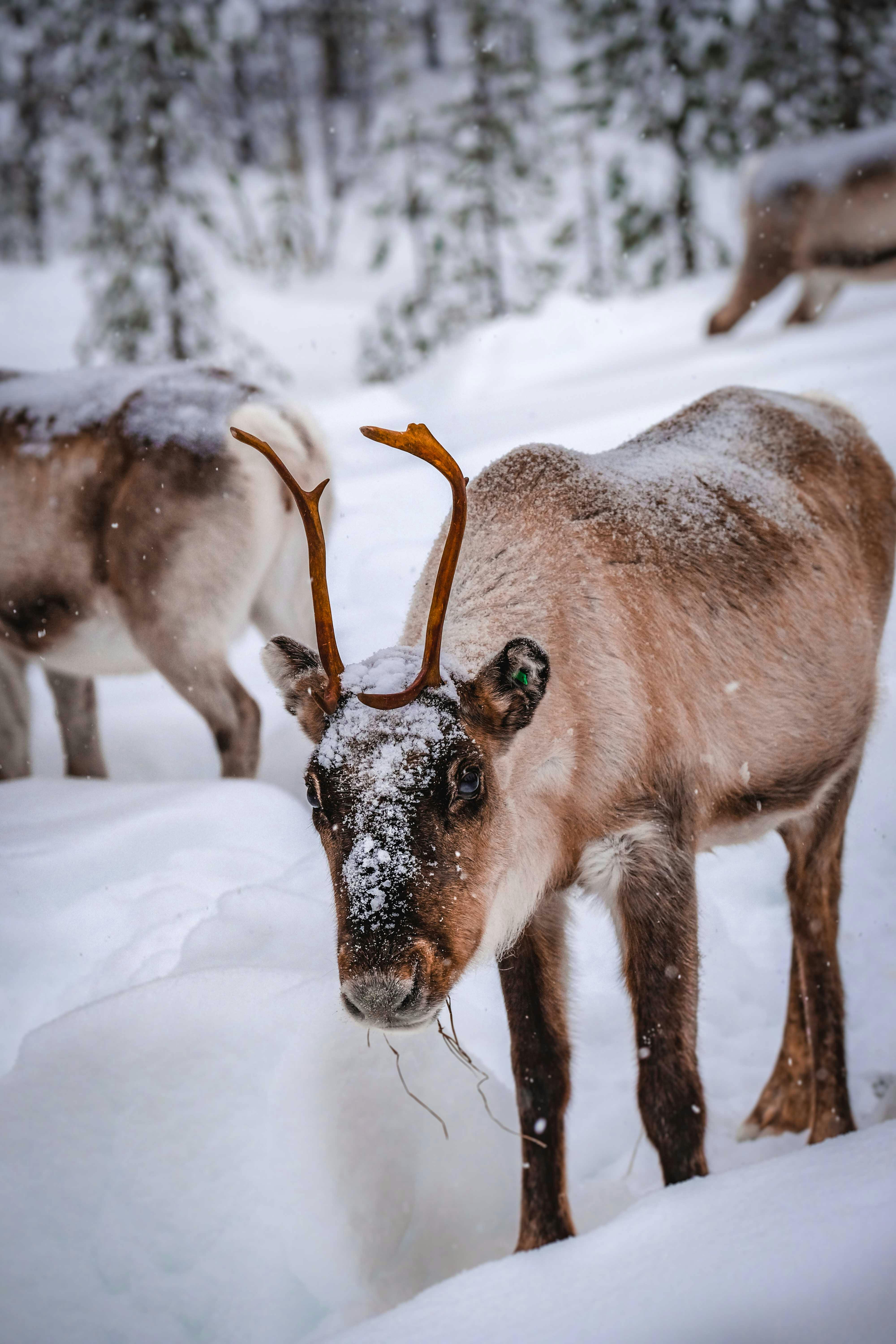
| Culinary focus | Foraged, smoked fish, reindeer, cloudberries | Alpine cheeses, cured meats, mountain game |
| Typical guest experience | Private aurora hunts, Huskies, Arctic guides | Ski-in/ski-out chalets, après-ski, mountain lifts |
| Sustainability emphasis | Local sourcing, low-impact construction | High infrastructure, lift energy demands |
| Investment character | Quiet, conservation-linked premium | Resale value for chalets, strong tourism market |
Common mistakes to avoid
Booking the prettiest photo over the right location. Many guests pick a property for its Instagram shots rather than where the aurora or wildlife actually appear, and that leads to disappointment. Expecting resort-scale activity in a thinly populated region also causes friction—Lapland's charm is low-key, not flashy.
Another mistake is undervaluing guide quality; a poorly trained guide ruins a great landscape by pushing too many people into narrow routes or by missing the best light. Skeptical travelers should also question 'all-in' packages that bundle everything at one price without transparency on provenance and labor. I am constantly unimpressed by marketing that calls plastic decor 'heritage' or that brands mass-produced ornaments as 'artisan.'
Instead, ask questions about who made the textiles, where the fish were sourced, and how local communities benefit. Keep an eye out for greenwashing—true stewardship is visible in contracts with local reindeer herders, hiring practices, and long-term conservation commitments. That discernment is practical, not preachy, and it protects both your experience and the place you visit.
Frequently Asked Questions
When is the best time to see the northern lights?
Winter months from late September to March have the clearest nights and highest aurora probability, but shoulder months can surprise with long soft light.
Are luxury Lapland trips family-friendly?
Yes—many lodges offer private family cabins, child-focused activities, and safe snow-based experiences, but verify safety measures and child-appropriate guides.
How does sustainability fit into Lapland luxury?
The best operators tie luxury to stewardship—local hiring, foraging, low-impact construction, and cultural partnerships—so the price supports place preservation.
Final thought
Luxury in Lapland is quiet by design. It rewards patience, good questions, and a willingness to prefer depth to spectacle. The truth is that when service, architecture, culinary craft, and local partnerships align, the trip becomes more than indulgence—it becomes a form of respectful appreciation for a fragile environment and for human skill, expressed through careful stewardship and craft.
Keep a skeptical mind, demand provenance, and book experiences that respect both nature and the dignity of the people who live there. That approach will give you something rare: time to notice, to be still, and to find beauty that feels like it points beyond itself. For practical planning notes and further inspiration, see long-form reporting and travel guides at Lonely Planet, narrative features at Condé Nast Traveler, and official regional details at Visit Finland.
{
  "@context": "https://schema.org",
  "@type": "FAQPage",
  "mainEntity": [
    {
      "@type": "Question",
      "name": "When is the best time to see the northern lights in Lapland?",
      "acceptedAnswer": {
        "@type": "Answer",
        "text": "Winter months from late September to March have the clearest nights and highest aurora probability, though shoulder months can also offer excellent light."
      }
    },
    {
      "@type": "Question",
      "name": "Are luxury Lapland trips suitable for families?",
      "acceptedAnswer": {
        "@type": "Answer",
        "text": "Yes. Many lodges offer private family cabins, child-focused activities, and safe outdoor experiences; confirm safety measures and guide experience for children before booking."
      }
    },
    {
      "@type": "Question",
      "name": "What should I ask about sustainability when booking?",
      "acceptedAnswer": {
        "@type": "Answer",
        "text": "Ask about local hiring, community partnerships, sourcing of ingredients, waste programs, and whether the property contracts with local artisans or reindeer herders to ensure benefits stay local."
      }
    }
  ]
}