Luxury Dining Without the Grandstanding: Vijay Kumar and Semma
Luxury dining is not simply expensive food served in a handsome room. At its best, it joins skilled cooking, thoughtful hospitality, and a sense of occasion; at its most convincing, it gives people a reason to gather. Vijay Kumar made that point plainly when he accepted the 2025 James Beard Award for Best Chef: New York: the real luxury, he said, is connecting around the dinner table.
Kumar’s remarks offer a useful corrective to the usual luxury script. Price, scarcity, and polished surroundings can help create a special occasion, but they do not make a meal meaningful by themselves. The better test is whether the cooking has a point of view and whether the evening leaves room for people, not just performance.
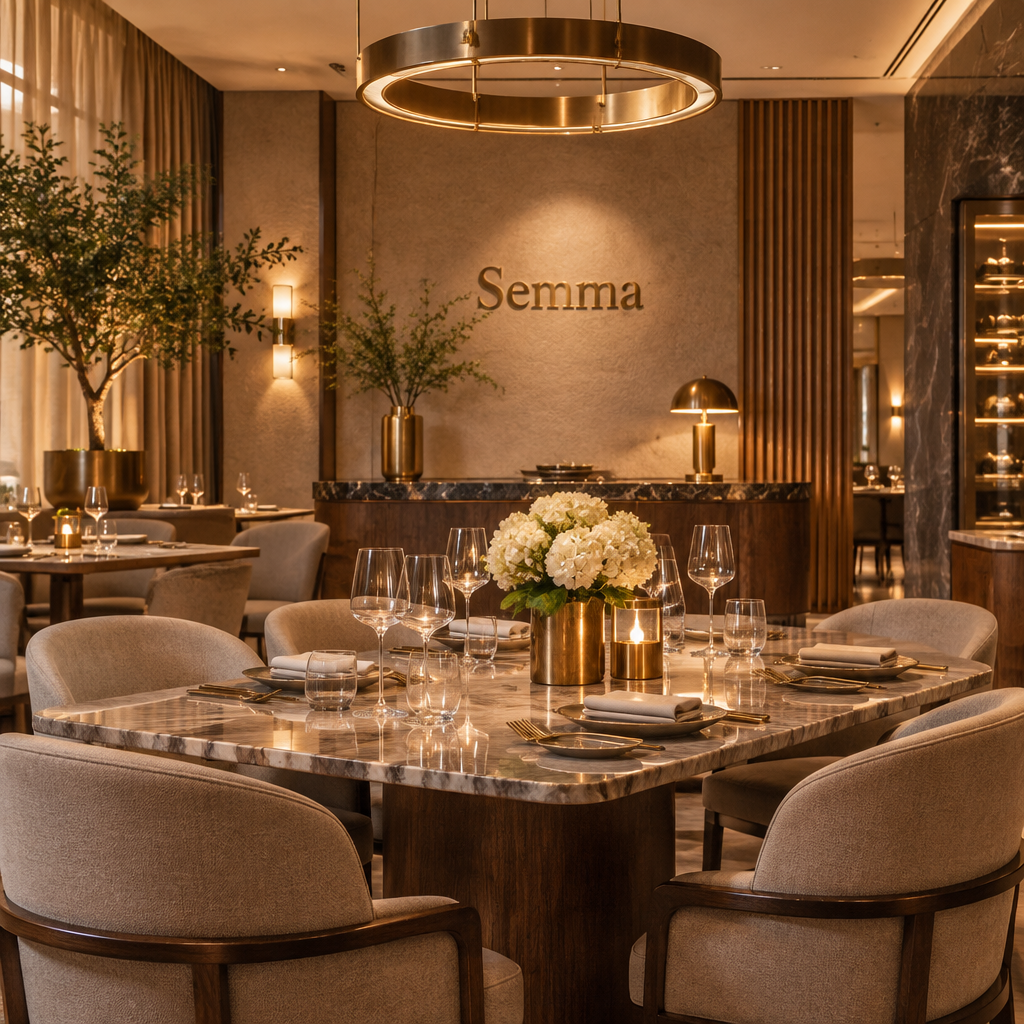
That distinction matters at Semma, the restaurant Kumar opened in 2022 with hospitality partners Roni Mazumdar and Chintan Pandya of Unapologetic Foods. Its cooking draws on Kumar’s upbringing in Tamil Nadu, in southern India, and it has earned both a Michelin star and the attention of New York diners. The restaurant’s profile, however, is more than a collection of accolades: dishes such as valiya chemmeen moilee and Gunpowder Dosa make a case for a regional cuisine on its own terms.
What Is Luxury Dining?
Luxury dining is a meal in which quality extends beyond the ingredients on the plate. It may include precise cooking, informed service, a comfortable room, a considered wine or beverage list, and the rare pleasure of eating something that feels rooted in a particular place or tradition. None of those elements needs to shout. In fact, the loudest signals—gold trim, a famous address, a menu crowded with costly ingredients—often distract from the work that matters.
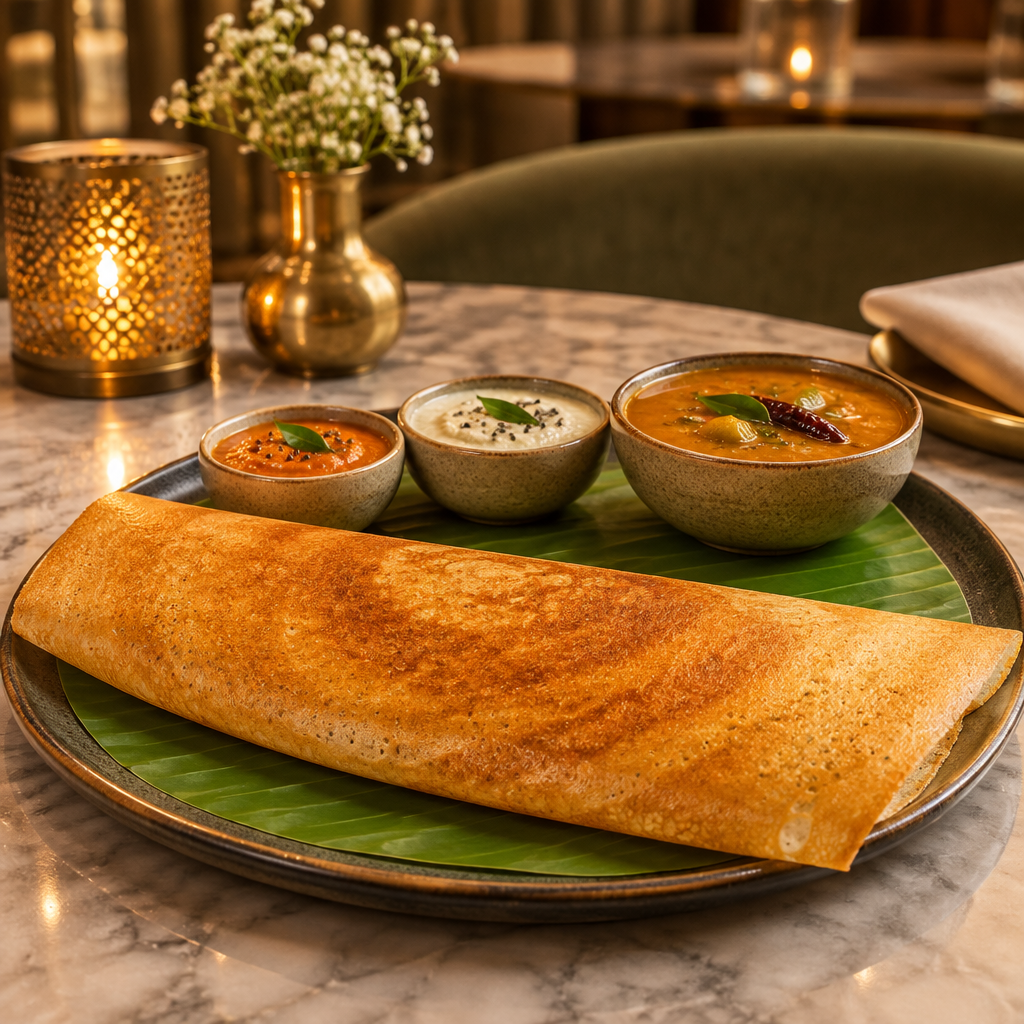
Semma makes the distinction useful. The restaurant is a high-profile New York address, but its identity is tied to Kumar’s Tamil Nadu background and to dishes that are not generic symbols of luxury. Valiya chemmeen moilee pairs lobster tail with mustard, turmeric, and coconut milk. Gunpowder Dosa brings a rice-and-lentil crepe together with potato masala and sambar. Those descriptions tell diners more than a string of prestige ingredients would: they suggest flavor, technique, and a culinary point of view.
A Michelin star and a major chef award are meaningful signals, not a guarantee that every guest will love every dish. The Michelin Guide’s Semma listing provides a useful reference for the restaurant’s recognition, while the James Beard Foundation’s awards information records the awards program behind Kumar’s 2025 honor. Neither accolade substitutes for a diner’s own appetite, budget, or preferences. Frankly, prestige is a poor seasoning.
Luxury, then, is best understood as a combination of material quality and human meaning. The room, ingredients, and service matter, but so does the way a meal creates attention: attention to the work in a dish, to the people at the table, and to the culture behind the food. That last part should not be treated as decoration. When a restaurant presents a cuisine with care rather than sanding away its character to satisfy a narrow idea of refinement, it offers something more substantial than a costly night out.
Why Semma Matters to the Luxury Dining Conversation
- It makes regional cooking central. Semma’s stated identity draws from Tamil Nadu rather than treating Indian food as one broad, interchangeable category. Kumar’s background informs the menu, and that specificity gives the meal a clearer sense of place. Diners may know a dish by name; the greater pleasure comes from encountering it as food with its own balance, texture, and character.
- It puts substance ahead of ornament. The dishes named in the restaurant’s story are built around recognizable preparations and ingredients: lobster tail, mustard, turmeric, coconut milk, rice, lentils, potato, and sambar. There is no need to pretend that expensive ingredients automatically equal better cooking. The real question is how well those ingredients are handled and whether the finished dish makes sense.
- It treats recognition as a result, not the whole product. Semma has retained its Michelin star for three consecutive years, according to the account of its award, and was described there as the only Indian restaurant in New York then holding that honor. Kumar also received the 2025 James Beard Award for Best Chef: New York. Those distinctions help explain the attention, but a guest still has to decide whether the restaurant’s food, service, and price suit the occasion.
- It gives the meal a social purpose. Kumar’s acceptance remarks place connection at the center of luxury. That is not a trick of branding. A meal can be beautiful without becoming a stage set, and excellent service can make conversation easier rather than interrupting it. There is a quiet moral intelligence in treating ingredients, labor, and hospitality as gifts to be stewarded, not props for status; beauty is most persuasive when it draws people toward one another.
- It shows why context matters. A dish is not improved by being detached from the culture and skill that shaped it. The work of cooks, farmers, producers, and servers deserves more than a passing mention. When I assess a premium meal, I look for evidence that the price reflects skilled work and considered choices, rather than a surcharge for a famous name alone. Let’s be real: a grand room cannot rescue careless cooking.
This is not an argument that every excellent dinner must be formal, costly, or award-winning. The point is narrower: luxury earns its place when it makes quality and care tangible. Semma’s appeal lies in the combination of culinary specificity, recognition, and a shared-table philosophy—not in prestige by itself.
How to Choose a Luxury Dining Experience
- Start with the food’s point of view. Before studying the room or the reservation calendar, ask what the restaurant cooks and why. Is the menu tied to a region, a technique, a season, or a particular chef’s perspective? Semma’s connection to Tamil Nadu gives a prospective diner a useful starting point. The restaurant’s official site can help confirm current information, but a menu description should still leave you curious about what will arrive.
- Read awards as evidence, not instruction. Michelin stars and James Beard Awards can help identify restaurants that merit attention. They do not tell you whether you prefer intense heat, a relaxed pace, a long tasting menu, or a lively room. Check the date of a recognition, what it actually recognizes, and whether the restaurant’s current offer matches the occasion. Here’s the kicker: a medal cannot order dinner for you.
- Look for craft in the details. Fine cooking is not just a costly ingredient with a story attached. Consider the balance of flavors, the handling of texture, and whether a dish feels complete. In the examples associated with Semma, lobster tail, mustard, turmeric, and coconut milk promise a specific combination; rice, lentils, potato masala, and sambar suggest a different set of textures and flavors. The detail is useful because it lets you judge the idea as well as the price.
- Think about the whole table. A premium restaurant should work for the people dining with you. Consider dietary needs, the menu’s format, the noise level, the length of the meal, and whether everyone can participate comfortably. A celebratory reservation can feel less luxurious if one guest is left without a suitable option or the room makes conversation difficult. Service matters most when it anticipates needs without turning the evening into a production.
- Set a budget before the bill arrives. The menu price is only part of the cost. Add any tasting-menu supplements, drinks, tax, and gratuity when planning. No amount of careful cooking makes a bill comfortable if it was a surprise. Luxury should feel deliberate, not financially careless. Choose the parts of the experience that matter to you, whether that means a special dish, a drink pairing, or simply having enough time to enjoy dinner.
- Choose the occasion honestly. Some restaurants are best suited to a long celebration; others work for a focused meal with a close friend. Semma’s recognition may make it a tempting destination for visitors, but the strongest reason to go is interest in the food and the style of hospitality. I find that this simple test works better than booking only because a place is difficult to reserve: would the meal still appeal if nobody else knew where you ate?
- Check current details directly. Menus, hours, reservation policies, and prices can change. Confirm them with the restaurant before making plans, especially when traveling or arranging a group dinner. The Unapologetic Foods site provides information about the hospitality group, while the restaurant’s own channels are the sensible place to check its present-day details. A review or award page may describe an earlier visit, not the meal you are about to book.
Comparison: Connection-Led Dining vs. Status-Led Dining
Luxury dining’s most useful comparison is not necessarily one restaurant against another. It is the difference between a meal that puts craft and company first and one that relies mainly on the signals of exclusivity. The table below uses the facts associated with Semma alongside a general status-led model; the second column is a way of thinking about dining, not a claim about a named competitor.
| Point of comparison | Semma and connection-led dining | Status-led fine dining model |
|---|
| Main appeal | Tamil Nadu cooking, hospitality, and a shared meal | Exclusivity, display, or the prestige of the address |
| Culinary identity | Kumar’s upbringing in Tamil Nadu informs the restaurant’s focus | The menu may rely more heavily on familiar luxury cues |
| Recognition | 2025 James Beard Award for Best Chef: New York; Michelin star retained for three years, as reported | Recognition may be used chiefly as a status signal |
| Example dishes | Valiya chemmeen moilee; Gunpowder Dosa | Not specified; varies by restaurant |
| Measure of value | Craft, flavor, cultural specificity, and connection | Scarcity, ceremony, and perceived exclusivity |
The comparison is not a verdict on every expensive restaurant. Formality can be lovely, and a special-occasion meal may reasonably include theater. The useful question is whether the ceremony supports the food and the people at the table, or crowds them out. Semma’s reported philosophy puts connection at the center, while its awards give diners an independent signal of professional recognition.
Common Mistakes to Avoid
- Treating price as proof of quality. A high bill can reflect rent, labor, ingredients, or a restaurant’s positioning; by itself, it proves little about the meal. Assess the food and service as well as the room. A premium price deserves a clear reason, not a shrug about exclusivity.
- Assuming awards predict personal taste. A Michelin star signals that the restaurant has been recognized by the guide; a James Beard Award honors a chef in a particular category. Neither can promise that a menu will match every diner’s preferences. Use awards to build a shortlist, then read the menu and think about the occasion.
- Flattening a cuisine into a label. Calling a menu simply Indian may miss the regional focus that distinguishes Semma’s Tamil Nadu cooking. Broad labels are convenient, but they can conceal the traditions, ingredients, and techniques that give a restaurant its character. Ask what the kitchen is actually cooking rather than relying on a category alone.
- Confusing rarity with meaning. A hard-to-book table can feel desirable because it is hard to get. That is a weak reason to spend money if the food does not interest you. The scarcity of a reservation may be a logistical fact, not evidence of a more satisfying meal. Frankly, the dinner should be better than the story you tell about getting in.
- Expecting every course to be a spectacle. A meal can be memorable without a parade of dramatic presentations. A dish’s value may come from balanced seasoning, well-managed heat, a pleasing texture, or the care taken in serving it. At Semma, the named dishes offer clues about ingredients and preparation; diners should approach them with curiosity, not an expectation that every plate must perform for a camera.
- Overlooking the people who make the evening work. The chef’s name may attract attention, but a restaurant depends on a wider team. Cooking, sourcing, cleaning, greeting, and serving all require skill and effort. Premium hospitality is not only a finished plate; it is also the accumulated labor that lets a meal unfold smoothly. Respect for that work is part of a mature appreciation of luxury.
- Confusing a polished room with generous hospitality. Beautiful interiors can make a meal feel special, but attentive service matters more than expensive materials. A comfortable welcome, clear answers, and thoughtful pacing are not minor extras. They are part of the experience, and a guest should be able to notice them without being forced to admire the decor.
The common thread is simple: choose the restaurant for what it does well, not for what its reputation lets you imply. Luxury is most satisfying when its visible signals are backed by work a diner can taste and hospitality a diner can feel.
Frequently Asked Questions
What makes Semma a luxury dining experience?
Semma combines a high-profile New York setting with Kumar’s Tamil Nadu-inspired cooking, Michelin recognition, and a James Beard-winning chef. The luxury is not just the awards or the price; it is the possibility of eating a distinctive meal in a setting where hospitality and connection matter. Current menu and pricing details should be checked with the restaurant.
What award did Vijay Kumar win in 2025?
Vijay Kumar received the James Beard Award for Best Chef: New York in 2025. In his acceptance remarks, he said food is powerful and described the real luxury as being able to connect with one another around the dinner table.
What dishes is Semma known for?
The dishes highlighted in the account of Semma include valiya chemmeen moilee, made with lobster tail, mustard, turmeric, and coconut milk, and Gunpowder Dosa, a rice-and-lentil crepe served with potato masala and sambar. Menus can change, so confirm current availability before visiting.
Does a Michelin star mean a restaurant is right for everyone?
No. A Michelin star is a form of professional recognition, not a promise that every diner will enjoy the menu, atmosphere, or price. Use it as one useful signal, then consider your own tastes, needs, budget, and the kind of evening you want.
Final Thought
Kumar’s most memorable point is also the least complicated: food can bring people together. The idea sounds obvious, but luxury businesses often complicate it with talk of exclusivity, status, and things a guest is supposed to notice. A good meal needs no such defense. The cooking should reward attention; the hospitality should make people comfortable; and the setting should help rather than compete with the conversation.
Semma has the distinctions many diners look for: a Michelin star retained for three years, as reported, and a chef who received the 2025 James Beard Award for Best Chef: New York. Those credentials make the restaurant easy to place in the premium dining conversation. Its deeper interest is the way Kumar’s Tamil Nadu roots inform the food and the way his award remarks frame the table as a place of connection.
That is a more durable idea of luxury than simply paying more. The best things we make and share can carry beauty, skill, and care without turning them into badges of rank. A meal can honor the people whose labor brought it to the table and leave room for gratitude, good conversation, and pleasure. If a restaurant delivers that, the evening has earned its place in the memory. If it delivers only a bill and a photograph, the price was doing most of the work.