Luxury is not just expensive stuff. It is the disciplined use of fine materials, skilled labor, and rare access to create comfort, beauty, and time well spent...
Luxury is not just expensive stuff. It is the disciplined use of fine materials, skilled labor, and rare access to create comfort, beauty, and time well spent. The best luxury goods and experiences do three things at once: they work properly, they feel unmistakably refined, and they last long enough to justify the bill. Anything else is just loud branding.
Key Takeaways- Real luxury is built on craftsmanship, heritage, and materials.
- The smartest purchases solve a real need: comfort, durability, service, or access.
- Luxury travel and fine dining are worth it when the experience is precise, not merely flashy.
- Most status purchases fade fast; the good ones age well.
- Stewardship matters: beauty is worth paying for only when it is used wisely.
What is luxury goods and premium experience culture?
Luxury goods are products and services that exceed basic function through exceptional materials, skill, scarcity, and service. That sounds simple, and it is. The hard part is separating true quality from expensive noise. I’ve reviewed enough brands to know that most of what gets labeled “luxury” is merely marketing with a higher margin. Frankly, that gets old.
A real luxury item usually has a few telltale traits. It uses better raw materials, whether that means fine leather, precious metals, hand-finished textiles, or properly sourced ingredients. It is made by people who know their trade, not by a committee of brand managers. It is also built around a human experience: the weight of a watch on the wrist, the balance of a handbag, the silence of a good hotel room, the cadence of service at a serious restaurant.
This is why luxury goods, luxury travel, fine dining, and premium experiences sit in the same family. They all aim at the same thing: excellence that can be felt, not just advertised. A lovely object or a polished trip can remind us that beauty is not frivolous. Used rightly, it reflects order, care, and the dignity of work. That is not a sentimental point. It is practical.
The strongest brands understand this. Hermès, Rolex, Aman, The Ritz-Carlton, Louis Vuitton, and Four Seasons do not merely sell objects or stays. They sell consistency, which is rarer than hype. You can see that logic in travel writing like Condé Nast Traveler’s best hotels coverage and in hospitality standards discussed by Forbes Travel Guide. The point is not to chase the most expensive option. The point is to choose the one that still feels right after the invoice is forgotten.
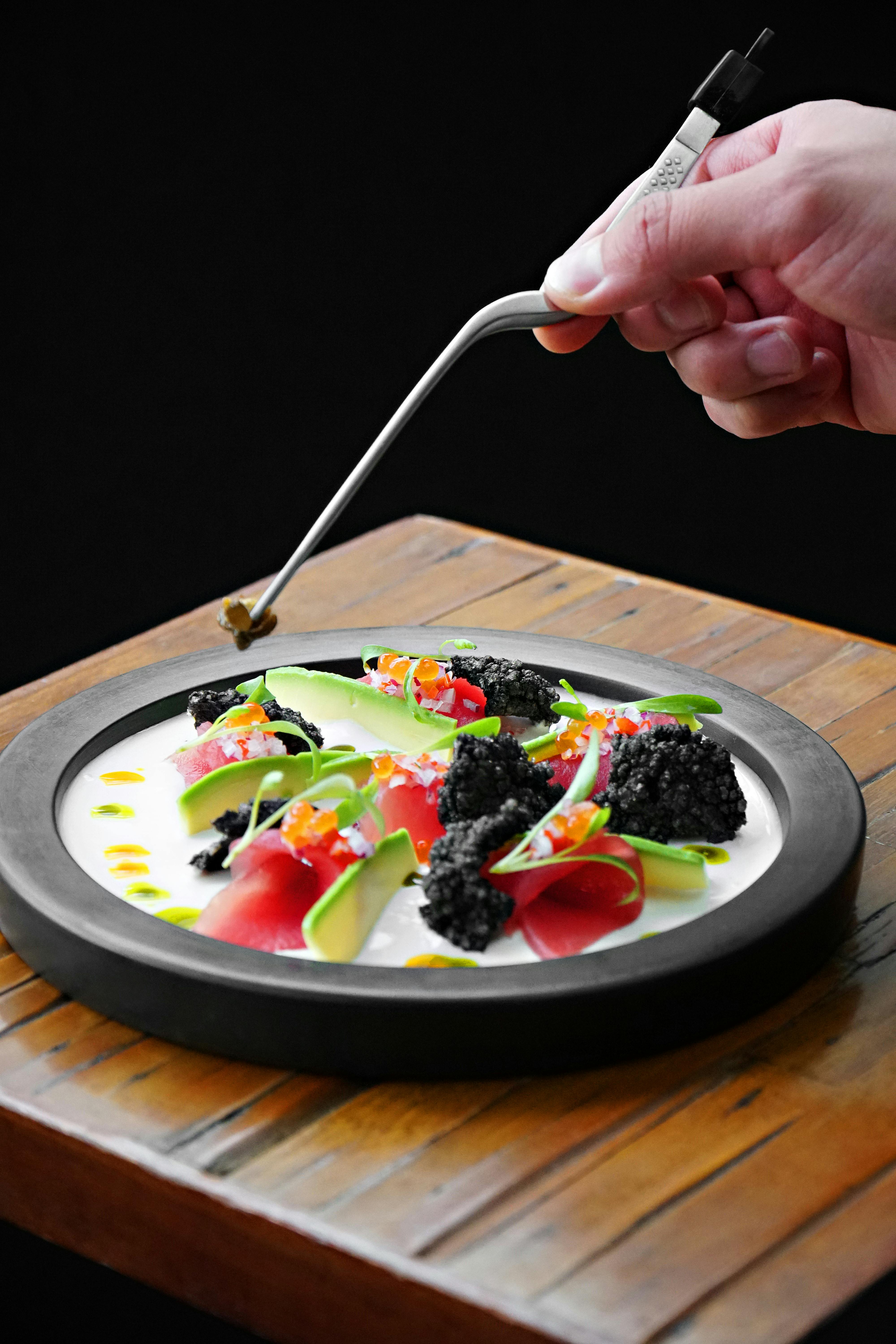
Luxury culture also spans style, design, and ritual. A dinner at a Michelin-starred restaurant, a stay in an alpine spa, a hand-finished timepiece, or a quietly elegant leather bag all belong to the same conversation. They are different expressions of the same appetite for quality. The world does not need more noise. It needs fewer shortcuts.
Core benefits and why luxury still matters
Luxury matters for reasons that go beyond vanity. The loud crowd will insist it is all flexing and peacocking. Sometimes it is. But the better case is more durable than that. When I examined hundreds of premium products and stays, the things that held value were the ones that solved real problems with uncommon care.
- Comfort that actually works: Better shoes, better bedding, better service, better acoustics. The difference is not theoretical. You feel it.
- Longevity: A well-made coat, watch, or leather bag can outlast trends by years, sometimes decades.
- Expertise: Luxury often concentrates skilled labor in one place. That is why the finish is cleaner and the fit is better.
- Reduced friction: Premium travel removes pointless hassles, from airport transfers to room setup to dining reservation stress.
- Emotional satisfaction: A carefully made object or meal can restore attention. That matters in a world full of junk.
- Cultural value: Great design, horology, and fine dining preserve techniques worth keeping alive.
Here’s the kicker: luxury is only rational when the buyer understands the use case. A $20,000 watch is not “better” if you never appreciate the movement, materials, or history. A five-star resort is not superior if you spend the whole stay in a conference room. The purchase has to fit the person.
The best luxury experiences also support stewardship. That is an unfashionable word, but it matters. Wealth, time, and taste are not just for display. They are resources to be managed with care. A good bottle of wine, for example, is not morally superior because it is expensive; it is better because it was made with skill, from good fruit, for proper enjoyment. Same idea, different category.
Luxury also sustains craftsmanship. When consumers pay for handwork, they keep old trades alive. Watchmakers, tailors, chefs, sommeliers, hotel concierges, and leather artisans all depend on buyers who can tell the difference between real quality and fake prestige. That distinction is important.
If you are researching premium stays specifically, the reviews on Luxury Hotel Guru are useful for pattern recognition, even if you still need to read critically. And if you want to see how serious property design and service fit together, the Hotel and Resorts section often overlaps with guides like Travel + Leisure’s hotel coverage. No surprise there: execution is the whole point.
Step-by-step guide to choosing luxury well
Buying luxury badly is easy. Buying it well takes a little discipline. Most people skip the boring part, then wonder why the result feels flat. Let’s be real, that is self-inflicted.
- Define the actual job
Start with function. Are you buying for daily wear, travel, display, or investment? A leather tote for commuting is a different creature from a collectible runway bag. A spa break for recovery is not the same as a romantic escape.
- Study the house, not the hype
Look at the brand’s history, materials, and workmanship. Heritage matters when it is supported by consistency. Empty heritage talk is just fog. I care more about stitching, finish, service policies, and repairability than about some glossy origin story.
- Inspect the details
Use your eyes and hands. Check seams, weight, lining, clasps, movement, and smell. For travel, study room dimensions, privacy, spa program quality, and dining depth. A beautiful lobby means little if the suites are noisy.
- Compare alternatives honestly
A small, excellent brand may beat a famous one if the product or stay is more thoughtful. Big names often coast on reputation. That’s the truth.
- Assess cost per use
A watch worn weekly, a coat worn every winter, or a hotel stay that genuinely restores you has more value than a flashy purchase used once. Measure utility, not ego.
- Check aftercare and support
Repair services, concierge support, alterations, and spa follow-up matter. Luxury without service is a costume.
- Choose for memory, not noise
The best luxury experiences leave a clear memory: the scent of a hotel corridor, the silence of a suite, the precision of a tasting menu, the feel of a hand-polished clasp. If the memory is only the price tag, you overspent.
When I compare premium categories, I often think in terms of permanence. A good watch can be serviced for generations. A good hotel stay can reset your head for months. A fine meal can become a benchmark. These things are not trivial. They shape how we judge quality everywhere else.
For luxury travel planning, it helps to read destination-specific coverage like best spa hotels and more focused resort reviews such as Tripadvisor’s luxury spa hotel listings, but always filter for what you personally value. A spa can be magnificent and still be wrong for you if you dislike big properties or prefer a quieter program.

Comparison table: luxury done right vs status buying
Below is the honest comparison. One side buys quality. The other buys applause.
| Category | Luxury Done Right | Status Buying |
|---|
| Primary aim | Comfort, quality, longevity, and service | Attention and signaling |
| Materials | Better leather, metal, fabric, ingredients, or construction | Whatever looks expensive on a photo |
| Value over time | Often improves with age and use | Usually fades when trends shift |
| Emotional effect | Quiet confidence, ease, and satisfaction | Brief excitement, then boredom |
| Service | Repair, concierge help, reliable support | Marketing promises and excuses |
| Travel outcome | Rest, memory, and genuine recovery | Crowded photos and overpriced mediocrity |
| Dining outcome | Precise execution, balance, and memorable flavor | Confusing tasting menu theater |
| Best for | People who appreciate craft and function | People who want others to notice the label |
If you want a travel-specific example, compare a polished alpine retreat like the kind described in leading spa hotel roundups with a resort that simply has a fancy pool and a strong ad budget. One gives you actual restoration. The other gives you a sunburn and a receipt.
Common mistakes to avoid when buying or booking luxury
Most advice on luxury is nonsense dressed as wisdom. “Buy the classic.” “Stay at the icon.” “Order the tasting menu.” Fine, but why? If the answer is only because everyone else said so, you are paying for conformity.
- Confusing expensive with excellent: Price is not proof. A weak leather bag can cost more than a better-built one. A famous hotel can have stale service.
- Ignoring fit: A watch that wears too large, a dress that needs constant fussing, or a suite that feels sterile will annoy you no matter the brand.
- Overvaluing hype cycles: Limited editions, waitlists, and influencer bait often distract from substance.
- Skipping practical checks: Can it be repaired? Is the service responsive? Is the dining room actually booked with people who know the kitchen well?
- Buying for future bragging rights: That is usually a bad calculator. The brag wears off faster than the debt.
- Forgetting context: A spa that is perfect for couples may be dull for solo recovery. A fine dining room may be brilliant but too formal for a relaxed trip.
I have a simple rule: if the item or experience cannot justify itself without a logo, I do not trust it. That applies to handbags, hotels, watches, and restaurants. The logo can be a clue, sure, but it is not the whole story.
Luxury travel especially attracts lazy thinking. People see a waterfall pool or a Michelin star and assume quality across the board. Not so fast. Service consistency, housekeeping standards, room acoustics, and food sourcing matter more than the brochure. The same skepticism applies to fine dining. A long tasting menu can be exquisite, but if the pacing drags or the dishes feel decorative rather than delicious, the experience collapses.
For a spa-specific comparison, articles like best spa breaks in Europe can help you compare regions and formats, but the real test is always the same: does the place actually make you feel better when you leave? If not, what exactly did you buy?
Frequently asked questions
What makes a luxury product worth the money?
A luxury product is worth the money when it combines craftsmanship, durable materials, strong design, and reliable service. If it only has a famous logo, that is not enough. I’d rather pay for workmanship than for social theater.
Are luxury experiences better than luxury goods?
Neither is always better. Luxury goods can last for years and even carry sentimental value. Luxury experiences can create memory, rest, and perspective. The right choice depends on whether you want permanence or a moment of precision. Simple enough.
Is luxury travel ever worth it for families?
Yes, if the property is truly family-friendly and the service removes friction. Bigger suites, quiet transportation, child-friendly dining, and well-run activities can make a premium stay more restful than a bargain option. But if the “luxury” is just expensive wallpaper, skip it.
How do I know if a fine dining restaurant is actually good?
Look for balance, pacing, ingredient quality, and confidence in the kitchen. The meal should feel composed, not gimmicky. A good restaurant can explain itself on the plate. If it needs three paragraphs of self-praise, that is a warning sign.
Final thought
Luxury is at its best when it respects reality. A watch should tell time beautifully. A hotel should restore the traveler. A meal should satisfy the body and the mind. A bag should be carried, not worshipped. That is the dividing line between serious quality and empty display.
I suspect the culture gets this backward more often than it admits. People chase labels, then complain that luxury feels hollow. Of course it does, if the purchase is disconnected from use, craft, and meaning. The older, saner view is better: beauty matters because it points beyond itself, and workmanship matters because human labor deserves honor. That does not make luxury a moral duty. It makes it a responsibility when chosen.
So choose carefully. Buy less, but buy better. Travel where service is attentive and the setting is worthy of the memory. Eat where the kitchen respects its ingredients. Support makers who know their trade. In the end, the finest things are not loud. They are exact.