Luxury goods are expensive for a reason, but not always for the reason the brochure claims. Real value comes from craftsmanship, materials, service, rarity...
Luxury Goods and High-End Brands: What Actually Matters
Luxury goods are expensive for a reason, but not always for the reason the brochure claims. Real value comes from craftsmanship, materials, service, rarity, and the way an object or experience holds up after the hype wears off. I’ve reviewed luxury brands for years, and the pattern is clear: the best pieces reward use, not just admiration. Frankly, that is the whole game.
Key Takeaways- True luxury combines craft, restraint, and durability.
- Brand cachet matters, but it is not the same as quality.
- Travel, dining, and design can be luxuries too.
- Stewardship matters: beauty is for use, not vanity.
What is luxury goods and premium experience?
It is the overlap of skill, scarcity, service, and taste. That means a watch with finishing you can feel under a loupe, a hotel suite that gets silence, light, and linen right, or a meal where the chef respects the ingredient instead of drowning it in theatrics. Most luxury marketing is pretentious nonsense. Here’s what actually matters: whether the thing works beautifully and keeps doing so.
Luxury is not just price. A higher sticker can buy better leather, better timekeeping, better sleep, or a table with a view that makes you put the phone away. It can also buy fluff. That’s the kicker. The Catholic instinct here is simple: created things have real value when they serve human dignity well, and excellent craft is a form of honest labor. Beauty should point upward, not merely shout wealth.
When I compare premium goods with ordinary alternatives, I look for three things: the hand of the maker, the honesty of the materials, and whether service exists after purchase. A handbag that slouches badly after one season is not luxury. A chef’s tasting menu that feels like a lecture is not fine dining. A resort that forgets the guest after check-in is just expensive wallpaper.
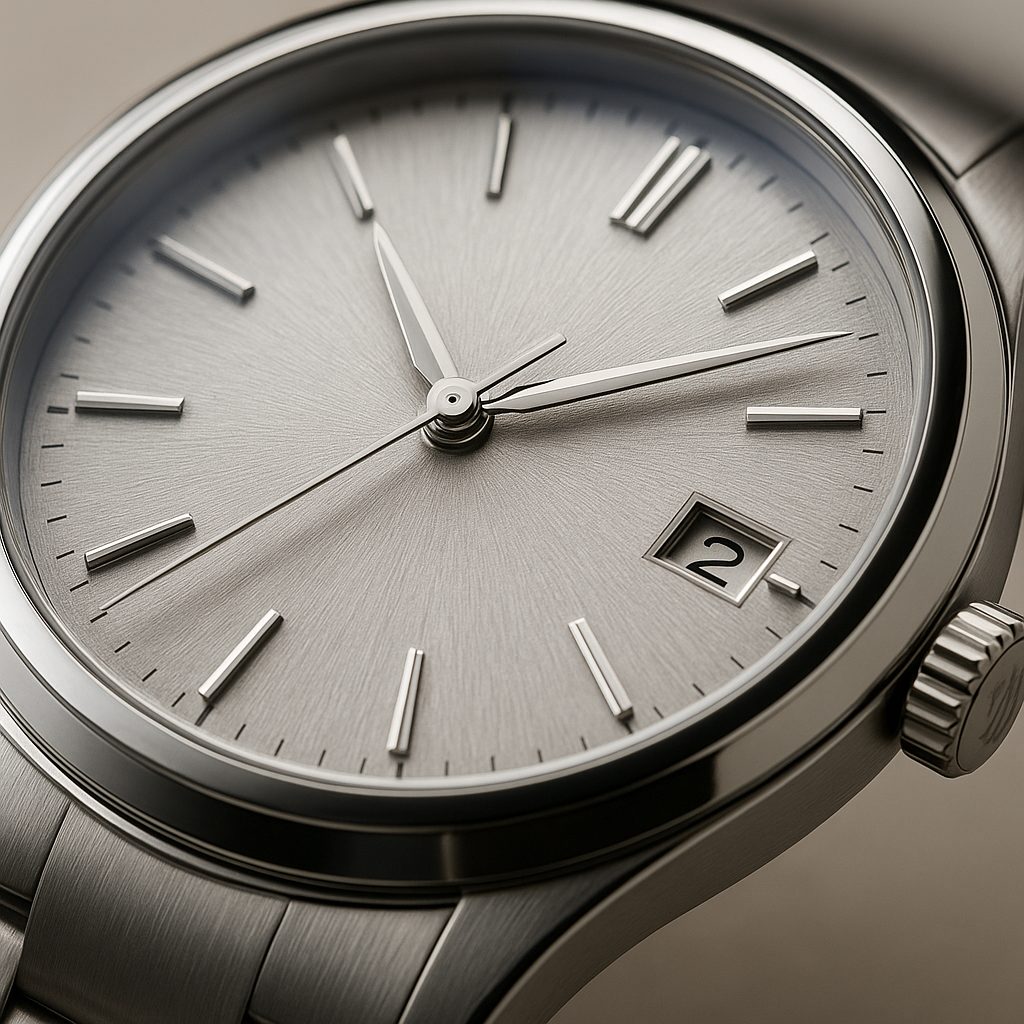
Luxury, at its best, is a discipline. It honors proportion, patience, and the dignity of work. That is why the finest houses do not merely sell objects; they preserve standards. Read that twice. The object is only half the story. The other half is the chain of skill behind it, from raw material to final polish.
For more on the market side of premium buying, see Montres de Luxe, which tracks horology with more seriousness than most fashion press. For travel standards, the Forbes Travel Guide remains a useful reference, even if its tone can get a bit glossy. And for wider luxury market context, Bain & Company’s luxury goods insights are worth a look.
Core Benefits/Importance
Luxury matters when it improves daily life. That is the plain truth. And no, the logo alone does not do the work.
- Better materials age with grace. Full-grain leather, noble metals, fine wool, and well-selected stone all wear better than cheap substitutes. That is not snobbery. It is physics.
- Skilled workmanship reduces failure. Tight stitching, precise movement assembly, proper finishing, and careful tailoring last longer because someone cared enough to do the job right.
- Strong aftercare preserves value. Repair programs, service networks, and parts availability matter more than people admit. The best houses stand behind what they sell.
- Good design saves time and annoyance. A well-laid-out suite, a clean dashboard, or a balanced knife makes life easier every day. Small mercy, big effect.
- Fine travel and dining create memory, not clutter. A great meal in a quiet room or a perfect view at sunrise can outlast a shelf of purchases.
But be careful. A logo is not a sacrament. A beautiful thing can still be mediocre if the stitching is sloppy or the menu is all smoke and mirrors. Most people overpay for status and underpay for function. That is backwards. I’ve seen watches with thrilling names and dull movements, bags with grand campaigns and weak handles, and hotels where the lobby did all the heavy lifting while the room coasted.
Frankly, the main benefit of luxury is not showing off. It is friction removal. Better fabrics irritate less. Better cars isolate noise better. Better restaurants pace service properly. Better hotels anticipate needs without being theatrical about it. The finest experiences are often quiet, almost modest in tone. That restraint is part of the appeal.
There is also an ethical dimension that gets ignored by the industry’s louder corners. Craftsmanship respects labor. Service respects the guest. Stewardship respects resources. A truly excellent object is not disposable; it is cared for, repaired, passed on, or collected because it still has worth. That lines up, more or less, with a sane view of human goods: they are to be used well, not worshipped.
For hotel standards and service benchmarks, Luxury Travel Advisor and Condé Nast Traveler both publish useful destination and property coverage, though you still need to separate signal from marketing fluff.
Step-by-Step Guide/Selection Process
Here’s how to choose well, step by step. First, identify the actual use case. Second, inspect the materials, construction, and service network. Third, compare the object or experience against the best non-luxury alternative. Fourth, read the fine print on warranties, repairs, and exclusions. Fifth, ask whether it will still matter in five years.
- Define the need precisely. Are you buying for daily wear, occasional use, collection, or a trip of a lifetime? If you can’t answer that cleanly, stop. You are shopping mood, not value.
- Check the craft, not the marketing. Look at stitching, finishing, joins, movement accuracy, ingredient quality, room layout, or service training. I usually tell people to judge luxury by the parts they never see.
- Compare total cost of ownership. Price is only the beginning. Add servicing, repairs, cleaning, insurance, storage, and resale realities. Here’s the kicker: some “affordable” luxury turns expensive after year two.
- Verify service and repair access. If a brand disappears after the sale, that is not luxury. That is a tuxedo on a raccoon. Harsh, but true.
- Buy what you will use often. A beautiful thing that sits unused becomes decorative guilt. Better to own fewer, better things that fit your life.
When I analyze luxury purchases, I look for three practical markers. One, the item or experience must feel better immediately. Two, it must age gracefully. Three, it must remain serviceable. That applies to a mechanical watch, a villa stay, a rare bottle, or a hand-stitched jacket. If one of those fails, the value drops fast.
Don’t get seduced by novelty. Limited runs, celebrity endorsements, and oversized launches often hide ordinary goods in fancy wrapping. The best luxury brands are usually more boring than their ads. They obsess over tolerances, sourcing, and consistency. That is why they survive.
For deeper context on travel and hospitality standards, browse Travel + Leisure, which covers premium stays and experiences with solid breadth. For food and dining benchmarks, the MICHELIN Guide still matters because it rewards technique, not just scenes and hashtags.
Comparison Table
| Category | Luxury Goods & Premium Experiences | Mainstream Competitor |
|---|
| Materials | Top-tier, often rare or superior | Adequate, mass-produced |
| Craftsmanship | Detailed finishing, handwork, expertise | Efficient assembly, less refinement |
| Service | Concierge, aftercare, personalization | Standard support |
| Longevity | Often repairable and durable | Frequently disposable |
| Experience | Quiet, tactile, memorable | Functional, predictable |
This table is the blunt version. Luxury competes on texture, not just output. A mainstream product may deliver decent function, and sometimes that is enough. But premium goods should exceed competence. They should bring comfort, precision, and a sense that someone sweated the details.
That does not mean every luxury purchase is wise. Some are merely better-dressed versions of ordinary things. Others are true upgrades. The difference is usually obvious once you use them. The bad ones announce themselves with brittle materials, awkward interfaces, or service that vanishes the moment payment clears.
Common Mistakes to Avoid.
Common mistakes are predictable. People chase logos. They ignore repair costs. They buy for a fantasy life they do not lead. They also swallow brand stories whole, which is a fine way to waste money. Let’s be real, if a product needs a 12-minute monologue to justify itself, it probably isn’t worth it.
Another error is confusing scarcity with excellence. Limited editions can be clever sales tactics. Some are lovely; some are just numbered noise. Read reviews, ask for service records, and handle the item if possible. Taste improves through contact, not through slogans.
- Do not buy only for status. If the piece is invisible, uncomfortable, or impractical, the thrill fades fast.
- Do not ignore maintenance. Luxury often requires care, and care costs money. Pretending otherwise is naïve.
- Do not trust vague heritage claims. Everyone says “heritage.” Show me the workmanship, the archive, and the repair bench.
- Do not mistake exclusivity for quality. Scarce can mean excellent, or it can mean simply rare. Those are not the same thing.
- Do not overbuy decorative luxury. If it cannot be used, serviced, or enjoyed regularly, it is probably vanity dressed as taste.
I’ve spent enough time around high-end brands to know this: the strongest houses are calm about their quality. The weak ones shout. They use theatrics because the substance is thin. That is true in watches, fashion, cars, hotels, and wine. The lesson is boring, which is usually how good decisions feel.
For market and brand trend reading, The Business of Fashion remains useful, especially on luxury fashion and retail, while Robb Report covers premium goods and experiences across categories.
Frequently Asked Questions
Q: Are luxury goods worth it?
A: Sometimes. When quality, service, and longevity beat alternatives, yes. When it is just status, no.
Q: What makes a brand truly high-end?
A: Consistent craft, reliable service, strong materials, and a refusal to cut corners.
Q: Is luxury travel better than standard travel?
A: When done well, yes, because it removes friction and adds care. But only if the details are real.
Q: How do I avoid overpaying?
A: Compare build quality, service access, and long-term usefulness, not just the logo.
Q: What should matter more than price?
A: Repairability, craftsmanship, comfort, and how well the item serves its purpose over time.
These questions keep repeating because the basics are easy to forget. Advertising is loud. Good judgment is not.
When I think about luxury done well, I think about proportion, order, and quiet excellence. That rhythm has a moral shape to it. Beauty should be truthful, not theatrical. Wealth should be managed, not worshipped. And craftsmanship, whether in a watchmaker’s bench or a chef’s kitchen, should be treated as a real human good.
The best premium experiences do not insult your intelligence. They give you space, precision, and care. That is rarer than most brands admit.
Luxury at its best is disciplined, not loud. It honors the maker’s labor, the buyer’s intelligence, and the reality that beauty has a purpose beyond display. Buy less, buy better, and let the object or experience earn its place. That’s the whole point, honestly. When you choose well, the thing disappears into usefulness and pleasure, which is exactly where excellent design belongs.
And yes, that applies whether you are buying a watch, booking a suite, choosing a bottle, or reserving a tasting menu. The surface may change, but the rule does not: seek substance, not swagger.