Luxury is not just a higher price tag. It is a mix of craft, scarcity, service, materials, and restraint, and the best examples make that obvious without...
Luxury Goods and High-End Experiences: What Actually Justifies the Price?
Luxury is not just a higher price tag. It is a mix of craft, scarcity, service, materials, and restraint, and the best examples make that obvious without shouting. Most luxury marketing is polished nonsense, frankly, so the real question is whether the object, meal, hotel, or trip delivers something rare, lasting, and worth the money.
Key Takeaways- True luxury is about craftsmanship, materials, and service, not hype.
- The best purchases feel calm, precise, and useful for years.
- Status fades fast; quality and stewardship do not.
- Fine dining and travel matter when they respect place, people, and detail.
- Beauty has value when it is made well and used well.
What is luxury, really?
Luxury goods and premium experiences are products or services designed to exceed ordinary standards in quality, rarity, and execution. That includes watches, jewelry, handbags, fashion, automotive, travel, hotels, design, spirits, and fine dining. But the category is broad enough to hide a lot of fluff. Here’s the kicker: the word “luxury” gets pasted on almost anything with a high price and a clean ad campaign.
The useful way to think about it is this: luxury is a concentration of attention. A proper watchmaker spends hours on movement finishing. A fine jeweler chooses stones for color, cut, and clarity, not just carat weight. A luxury hotel obsessively tunes mattress density, room acoustics, and housekeeping rhythm. A great restaurant respects sourcing, seasoning, and pacing. These are not gimmicks. They are decisions that add up.
I’m skeptical of brands that talk more about aspiration than substance. If the product needs a lecture to seem valuable, that is a bad sign. Real luxury usually does not need to explain itself. You feel it in the hand, on the wrist, at the table, or in the room. A cashmere coat that drapes properly. A leather bag that patinas well. A vintage watch that still keeps admirable time. A Burgundy glass filled with a well-made Chablis that tastes of stone, citrus, and tension. That is the sort of clarity people are paying for.
Luxury also carries a moral dimension, even if nobody in marketing wants to admit it. Fine things are easier to respect when they are purchased and used with restraint. Not as vanity, but as appreciation. The old biblical idea is simple: work well, make things well, and use them well. That principle still holds. It should. Beauty matters, but it should never become foolishness dressed up as taste.
For context on market standards and brand positioning, it helps to read how leading houses frame craftsmanship and heritage at sources like Rolex, Hermès, and editorial coverage from Bloomberg. Those names matter because they shape the market, though not always for the better.

Core benefits and importance
Luxury matters when it improves the lived experience. Not when it merely signals wealth.
- Durability: Better materials and construction usually last longer. That is not glamorous, but it saves money over time.
- Comfort: A well-cut jacket, a properly engineered seat, or a hotel bed that does not fight your spine can change your day. Big deal? Yes.
- Service: Real luxury often lives in the invisible stuff—staff training, response time, and the ability to solve problems before they become annoying.
- Craft continuity: Heritage brands preserve techniques that would otherwise disappear. That is cultural value, not just consumer value.
- Aesthetic pleasure: Beauty is not trivial. It orders the mind. It makes daily life less coarse.
- Resale and collectability: Certain watches, handbags, and cars retain value because demand, rarity, and reputation line up. Not always, though. Plenty of “investment pieces” are just expensive regrets.
The contrarian view is worth stating. Luxury is often overrated when people buy for approval. A logo is not a personality. A first-class flight is not a character trait. A room full of monogrammed objects can still be tacky. If a product exists mainly to make other people notice you, it has already failed a deeper test.
The better use of luxury is far simpler: reduce friction, increase pleasure, and reward excellence. A good bottle of wine with dinner, a quiet boutique hotel after a long week, or a well-made coat you wear for a decade—those are sane uses of money. They are also more honest than buying twenty cheap substitutes and pretending you are practical. Frankly, false thrift is expensive.
Luxury travel deserves the same scrutiny. A spectacular destination is not defined by exclusivity alone. The best premium experiences respect place: a coastal hotel that frames the sea instead of barricading it; a mountain lodge that uses local materials; a vineyard visit where the host actually knows the vines, not just the marketing copy. For a stronger practical view of where premium trips succeed, see the kind of analysis featured in Condé Nast Traveler and Travel + Leisure.
Fine dining works the same way. A tasting menu is only worthwhile when technique serves flavor. There is nothing noble about tiny portions and theatrical smoke if the food lacks soul. The best chefs understand restraint. They know when to stop. That, incidentally, is a virtue in most things.
Step-by-step guide to choosing well
Buying luxury badly is easy. Buying well takes discipline.
- Start with function, not fantasy. Decide what the item or experience must do. A watch should fit your life. A handbag should carry what you actually use. A hotel should match your tolerance for noise, service style, and location. I always start here because fantasy shopping is how people end up with expensive clutter.
- Inspect the materials. Leather quality, metal finishing, movement specs, fabric weave, stone grading, sourcing, or room finishes—these details matter more than ad campaigns. If the brand does not clearly state what it uses, be suspicious. The truth is usually hiding in plain sight.
- Check the maker’s standards. Look for production details, country of manufacture, repair support, and warranty terms. A strong luxury brand stands behind its work. Weak ones hide behind heritage slogans.
- Study price against lifespan. A $4,000 coat that lasts twelve winters is smarter than three $900 coats that fall apart. Same idea with luggage, watches, and home goods. Cost per wear is not trendy, but it is rational.
- Test service before purchase. Luxury should feel attentive before you buy. If customer service is rude, slow, or evasive, that is a preview, not a glitch.
- Think about maintenance. Watches need servicing. Leather needs care. Cars need proper ownership. Hotels and restaurants need consistent standards. Luxury is not “buy and forget.” It is stewardship.
- Avoid blind brand worship. Compare the object, not the aura. The biggest name is not always the best choice. Sometimes it is simply the most familiar one.
I’ve found this method useful because it strips away the theater. It replaces impulse with judgment. And judgment matters. A fine watch, for example, is not just a status token. It can be a small machine of remarkable precision, the result of decades of accumulated skill. But if you will never service it, never wear it, and only want the logo, then buy the logo on a cheaper object and save yourself the pretense.
For readers interested in adjacent luxury categories, my analysis of luxury watches, fine jewelry, and luxury hotels explains how the same selection logic applies across very different purchases.
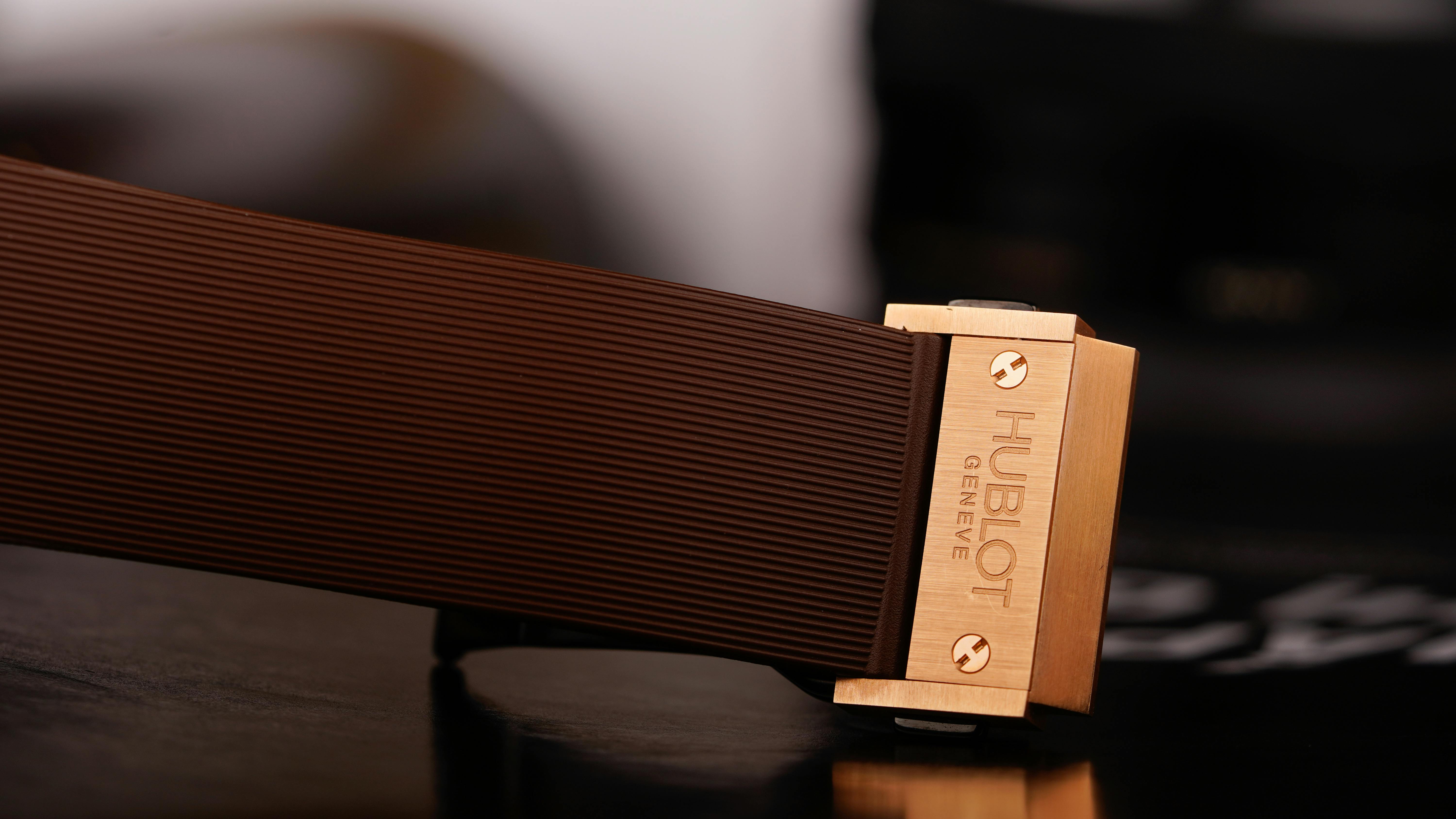
Comparison table: luxury goods vs. mass-market premium
| Factor | True Luxury | Mass-Market Premium |
|---|
| Materials | Higher-grade leather, metals, fabrics, stones | Good-looking, often standardized materials |
| Craftsmanship | More hand-finishing, tighter tolerances | Efficient production, less finishing |
| Longevity | Often designed for repair and long use | Frequently optimized for replacement cycles |
| Service | High-touch, personalized, often proactive | Functional but limited |
| Brand meaning | Heritage, scarcity, identity through quality | Broad appeal, trend-driven |
| Resale value | Can be strong in select categories | Usually weak |
| Emotional effect | Quiet confidence, lasting satisfaction | Short-term excitement |
| Risk | Paying for prestige without substance | Lower price, less distinction |
The biggest competitor to luxury is not another luxury brand. It is mass-market premium stuff that looks nearly as good in a photograph. That is why a careful buyer must look past the first impression. A product can photograph well and still feel cheap in use. You touch it. You wear it. You sleep in it. The difference shows up there.
Common mistakes to avoid
People make the same foolish errors over and over. The expensive version of foolish is still foolish.
- Buying the logo, not the object. A famous name cannot rescue poor proportions, weak materials, or awkward design.
- Confusing rarity with quality. Limited editions are not automatically better. Sometimes they are just scarce because the brand printed a smaller run of mediocrity.
- Ignoring upkeep. Luxury that cannot be maintained is decorative debt.
- Trusting hype reviews. Plenty of “must-have” lists are little more than paid applause.
- Overbuying category trophies. One excellent handbag beats five flashy ones. One superb bottle beats a shelf of meaningless labels.
- Assuming expensive travel is good travel. A costly resort can still be sterile, while a smaller hotel can feel deeply refined.
Let’s be real: the market is full of polished nonsense. Influencer noise makes it worse. Someone gets sent a bag, a watch, or a bottle of champagne, and suddenly the object is described like a revelation. Usually it is just a product with a publicist. That is why you should rely on inspection, not praise.
Another mistake is buying outside your actual life. A haute couture gown is beautiful, yes, but not useful if you attend no events that justify it. A supercar makes sense only if you understand the compromises. A six-star resort sounds lovely until you realize you prefer smaller places with less ceremony and better sleep. Taste should be honest.
The best buyers respect limits. They know that luxury is not a moral escape hatch. It is a choice to prefer the excellent where it counts. That preference should stay grounded in reality, not fantasy. Beauty should serve life, not replace it.
Frequently asked questions
What makes something truly luxurious?
True luxury combines quality, scarcity, service, and lasting value. It should feel better in use, not just look better in ads.
Are luxury goods worth the money?
Sometimes. If the item has superior materials, craft, durability, or resale value, yes. If you are paying mainly for a logo, probably not.
Which luxury purchases hold value best?
Generally, certain watches, handbags, jewelry, and collectible cars can retain value, especially from top-tier brands with strong demand and limited supply. Condition matters a great deal.
How do I avoid overpaying for luxury?
Compare materials, construction, service, and lifespan. If possible, examine the item in person. Hype is cheap. Quality is measurable.
For more context on market pricing and brand behavior, sources such as McKinsey’s luxury and fashion coverage and retailer brand directories can help you separate category leaders from mere aspirants.
Final thought
Luxury, at its best, is not about excess. It is about ordered excellence.
That is a far better standard, because it forces every brand and every buyer to answer a plain question: does this thing improve life in a way that is worthy of its cost? If the answer is yes, the purchase may be justified. If the answer is no, the gold plating does not matter. A fine object, a superb meal, or a memorable hotel can lift the spirit because beauty is real, craftsmanship is real, and care is real. Those are not shallow things. They reflect a deeper truth: human work can be honorable when it is done well.
So buy with taste, but also with discipline. Choose goods and experiences that age well, serve well, and leave room for gratitude rather than vanity. That, frankly, is the whole point.