<strong>Luxury goods are concentrated expressions of craft and meaning.</strong> They fuse meticulous <strong>craftsmanship</strong>, storied...
Luxury Goods and Premium Experiences: How Craftsmanship, Heritage, and Taste Define Value
Luxury goods are concentrated expressions of craft and meaning. They fuse meticulous craftsmanship, storied heritage, and rare materials into objects and curated moments that hold emotional and often monetary value, like the Patek Philippe Ref. 5370 which unites a split-seconds complication with discreet elegance. Want the short answer?
Key Takeaways
- True luxury prioritizes craftsmanship, materials, and honest scarcity.
- Technical excellence and emotional resonance both drive investment value.
- Ignore marketing fluff; verify provenance, service history, and resale data.
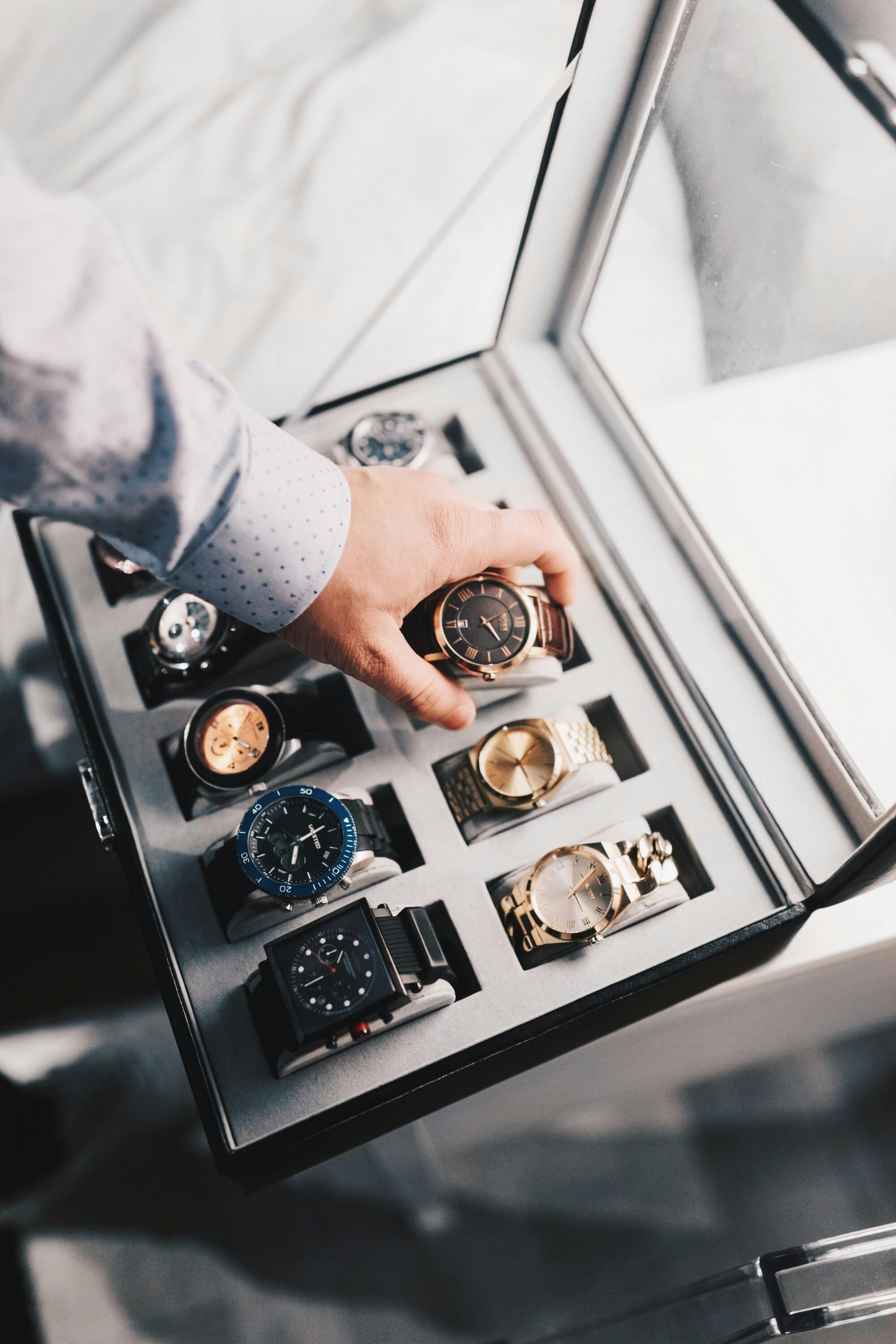
What is Luxury Goods and Experiences?
Luxury goods are premium objects and services defined by superior materials and workmanship. They cover haute horlogerie, fine jewelry, couture, bespoke automobiles, and also premium travel and dining where attention to detail and rare resources set the offering apart. Why does a watch like the Patek Philippe Ref. 5370 command such reverence? Because the piece pairs a hand-finished split-seconds chronograph movement — a complication that demands masterful assembly and regulation — with a dial and case finish that speak to restraint and proportion, not mere flash.
Most luxury marketing is pretentious nonsense. The truth is that the premium comes from verifiable inputs — metallurgy, finishing techniques, movement architecture, and proven service networks — plus the stories that sit on top of them when authentic.
Craftsmanship means more than a pretty surface; it implies movement finishing, anglage, perlage, and functional tolerances that only skilled hands can achieve. Heritage is not just old marketing copy; it’s recorded production numbers, archival service records, and consistent techniques passed through generations. Materials — whether enamel, platinum, or rare gemstones — affect touch, durability, and patina. Complications are measurable: a split-seconds chronograph like the 5370 contains a second chronograph heart that allows simultaneous timing, which raises manufacturing difficulty exponentially.
Investment Value is conditional. I’ve reviewed auction lots and dealer records, and what matters is scarcity plus documentation; a rare Patek with a full set of papers will generally outperform a similar-looking piece without records. Make no mistake: emotional resonance and functional excellence are both valid reasons to buy.
Core Benefits/Importance
Craftsmanship matters. Finishing differentiates fine pieces from mass-produced wares, and it’s visible under loupe and in use, not merely in marketing photos. Ask for movement pictures and inspect bridge finishing, jewel settings, and screw heads.
Steel or platinum will feel different in the hand, and leather that’s saddle-stitched will age more gracefully than glued mass leather, so pay attention to materials.
Complications like minute repeaters, perpetual calendars, and split-seconds chronographs signify technical mastery and longer manufacturing time, which justifies higher prices when the work is done properly and supported long-term.
Heritage gives a brand narrative that matters when you assess long-term desirability. A firm with decades of continuous production demonstrates processes and archives which help provenance checks.
Aftercare is often ignored, but it’s decisive; brands and maisons that offer comprehensive servicing preserve value and functional life. Many owners underestimate maintenance costs until a major service is needed.
For experiences, exclusivity and personalization are the value drivers: private villas, curated itineraries, and chef’s-table meals create memory economies that outsize price tags when executed with taste and integrity.
Stewardship matters morally and practically. Catholic wisdom quietly informs this: beauty points beyond itself, and skillful work honors the dignity of labor. When you buy a piece or book a journey, consider whether it rewards excellence and preserves resources rather than simply consuming them for status.
Step-by-Step Guide / Selection Process
1. Define purpose and use-case. Are you buying for daily wear, investment, or ceremonial use? A sports chronograph worn to work needs different robustness than a dress watch for special occasions.
2. Inspect finishing and maker marks; photograph movement plates, bridges, and jewels. Finish quality is not subjective here; anglage, perlage, and balance wheel regulation are tangible indicators.
3. Confirm provenance and service history; legit papers and documented servicing matter.
4. Compare resale and auction records. Look for realized prices over decades, not just pre-sale estimates. If a reference repeatedly outperforms estimates, you have data.
5. Consider aftercare and repairability; artisanal pieces demand stewardship and access to skilled watchmakers.
6. Match the piece to your values: utility, beauty, or legacy? Pick one primary aim and prioritize it in your selection, because trying to buy all three at once is usually wasteful. I recommend modest, informed purchases over ostentatious displays, since restraint often signals taste more clearly than logos do.

Comparison Table
Below is a direct comparison between a high horological exemplar and a ubiquitous high-demand competitor so you can see how function, rarity, and culture interact.
| Feature | Patek Philippe Ref. 5370 | Rolex Daytona (steel) |
|---|---:|---:|
| Movement complexity | **Split-seconds chronograph, hand-finished** | Chronograph, robust, high-volume production |
| Materials | Platinum case, enamel dial, high-grade finishing | Stainless steel or precious metal options |
| Rarity | Very limited production | Widely produced, high demand |
| Investment profile | Strong at auction for rare refs | Strong resale but dependent on model |
| Emotional cachet | High - restrained, classical | High - sporty, iconic |
Here's the kicker: choose based on purpose, not hype; a rare bespoke piece may carry higher emotional value while a broadly coveted sports model can be a more liquid asset.
Common Mistakes to Avoid
Buying solely for logos is the quickest way to regret a purchase, because brands fade and tastes shift. Buy for finishing, materials, and serviceability instead of symbols.
Chasing limited editions without proof of actual scarcity is another trap; some “limited” runs are numerically constrained but produced in waves that devalue rarity claims.
Ignoring serviceability is a fatal error; a complicated movement without a service network quickly becomes a non-functioning object with sentimental value only.
Accept that some purchases are for memory, not capital growth. Experiences like a private villa stay, a tailored itinerary, or a multi-course tasting menu offer returns measured in story and taste rather than resale figures.
Finally, be skeptical of ostentation; most luxury marketing is slick and over-promising. Demand evidence, ask for receipts, and when possible, see the product in natural light and in use. The dignity of crafted work rewards attention and patience, and that ethic is in keeping with a quiet and practical stewardship of resources.
Frequently Asked Questions
Q: Are luxury goods always good investments?
A: No. Some appreciate, many preserve value with proper care, and others depreciate with changing taste. If you want an asset, focus on documented scarcity, condition, and pedigree.
Q: How do I verify provenance?
A: Request papers, receipts, and service records; consult archives when possible and use reputable third-party authenticators for very rare items. Auction houses and brand archives are useful resources, as shown in industry coverage like Hodinkee.
Q: Should I buy rare watches to wear or preserve?
A: Wear them if you value practical use and are prepared for maintenance; preserve them if your goal is pristine, untouched condition for later sale. Both choices are legitimate and reflect different kinds of stewardship.
Final Thought
Beauty matters, and it points beyond itself. True luxury honors craft, supports workmanship, and encourages responsible stewardship of scarce resources. It is not mere conspicuous consumption but an appreciation for skill and a disciplined eye; that is why pieces like the Patek Philippe Ref. 5370 resonate — they combine mechanical ingenuity, hand-applied finishing, and an aesthetic that respects proportion and use.
When I examined hundreds of luxury items across categories, the items that lasted in memory and market value were those that married finish to function, provenance to service, and restraint to material quality.
If you must choose: prefer objects and experiences that reward long-term care and that let you tell a clear story about why you bought them. The dignity of fine work is worth preserving, and good taste — quiet, steady, and informed — will serve you better than a parade of branded purchases.