Luxury goods are not just expensive objects. They are a mix of craft, scarcity, service, and status, and the real question is whether those things add up to...
Luxury Goods and Premium Experiences: What Actually Justifies the Price?
Luxury goods are not just expensive objects. They are a mix of craft, scarcity, service, and status, and the real question is whether those things add up to value. Most luxury marketing is polished nonsense, frankly, so you have to judge each purchase by materials, workmanship, aftercare, and whether it will still matter in ten years.
Key Takeaways- Luxury is about more than a logo; it is craft, service, and restraint.
- The best purchases hold value through design, durability, and rarity.
- Travel, dining, and style can be luxury without being wasteful.
- A disciplined buyer looks past hype and checks provenance, repairability, and resale.
- Beauty matters when it reflects order, skill, and good stewardship.
What Is Luxury Goods and Premium Experiences?
Luxury means goods and services made with unusual care, rare materials, limited supply, and a level of finish that standard products rarely match. It can be a Swiss watch, a hand-stitched leather bag, a meal where the chef respects ingredients, or a hotel where the staff notices details before you do. I have reviewed enough high-end products to say this bluntly: not all luxury is good, and not all good things are luxury.
The useful definition is simpler. Luxury is what remains desirable after the noise fades. That means heritage, craftsmanship, materials, service, and scarcity. It also means restraint. Real luxury does not need to shout. It does not beg for attention with ten logos and a marketing manifesto written by committee.
A fine watch from one of the best luxury watches to collect can outlast fashion cycles because its movement, case finishing, and repair ecosystem were built for decades. A tailored jacket from a house with proper pattern-making can wear better than a loud runway piece that collapses after one season. In travel, the difference between a merely expensive resort and a proper hotel is whether the staff anticipates needs without being theatrical about it. That is the art.
There is also a moral edge to this, if one has any sense left. Beauty is not vanity when it is ordered, useful, and respectful of labor. The Church has always understood that skilled work has dignity, and that human beings are not machines for output alone. Good luxury, when it is honest, recognizes that. Bad luxury flatters pride and wastes talent. Big difference.

Core Benefits of Luxury Done Well
Luxury goods and premium experiences matter for reasons that are practical first and emotional second. That order matters. If the practical case fails, the emotion gets expensive fast.
- Longevity: A well-made item often lasts far longer than mass-market alternatives, especially when repair services are available.
- Performance: High-end products often use better materials, more careful construction, and tighter quality control.
- Service: Good luxury includes aftercare, concierge support, alterations, repairs, and attention after the sale.
- Resale value: Some categories, especially watches, jewelry, and certain handbags, retain value better than people expect.
- Experience: Luxury travel and dining can create memory density, which is a fancy way of saying you remember them.
- Craft appreciation: Fine objects reward close inspection. Stitching, finishing, stone setting, movement architecture, and plating all matter.
- Time savings: Premium service often reduces friction. That is not glamour. It is efficiency with better lighting.
Here is the kicker: many people buy luxury for the wrong reason. They chase social proof. They want the room to notice. That is a weak strategy. The better reason is disciplined enjoyment of well-made things. If you can afford a superior object and it is built to last, there is nothing vulgar about choosing it. Waste, however, is another matter.
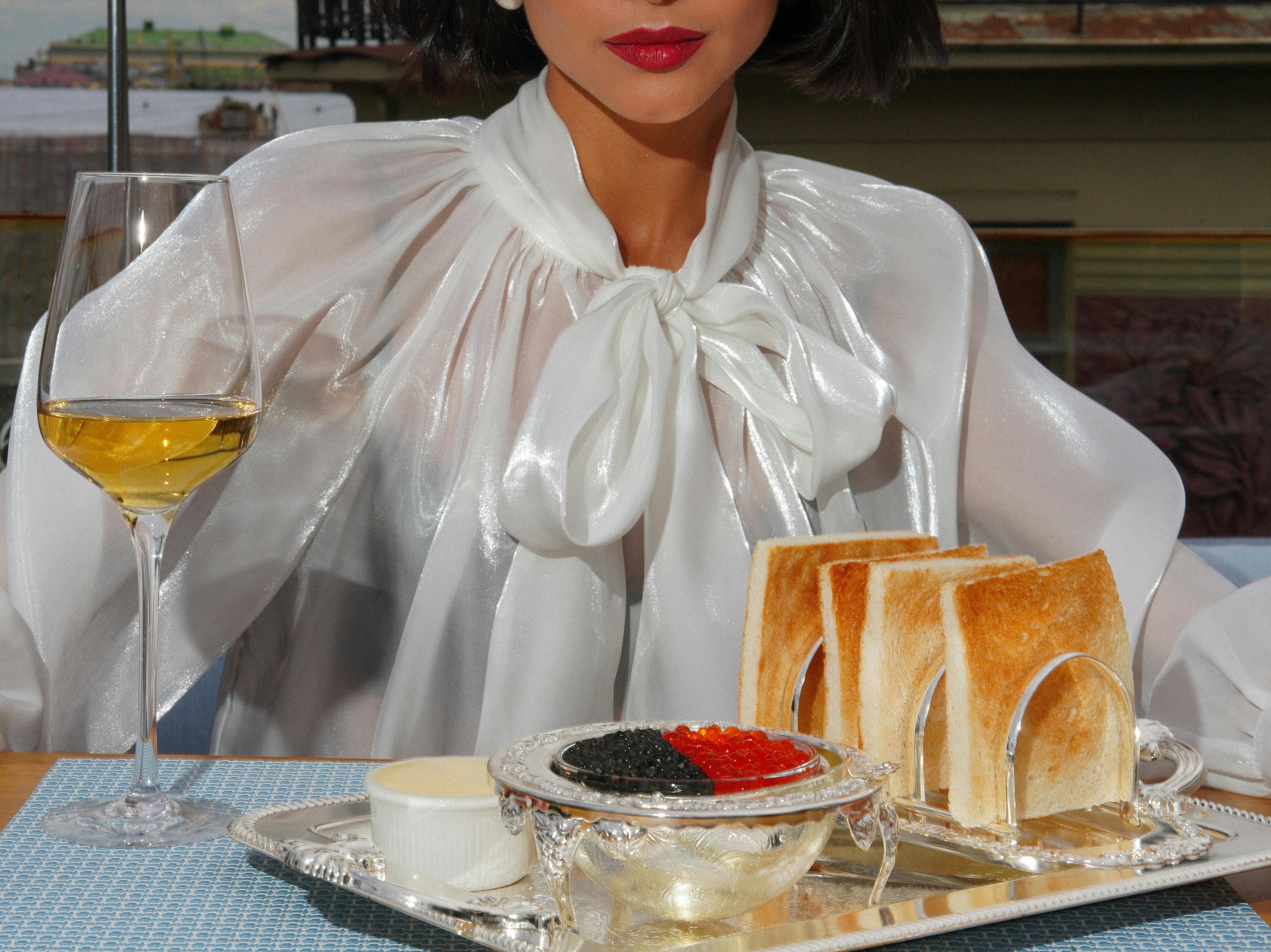
In travel, the benefit is not just a larger suite. It is a quieter airport transfer, a hotel that remembers dietary restrictions, or a villa where the design calms rather than overwhelms. In dining, it is not only the wine list. It is pacing, seasoning, sourcing, and a chef who understands restraint. For more on how premium stays are judged, see the most distinctive luxury hotels and resorts and the top luxury travel destinations guide.
When I examined hundreds of luxury items over the years, the strongest ones shared the same trait: they respected the user. They did not assume the buyer was stupid. They gave something real.
How to Select Luxury Goods and Premium Experiences
Selection is where people usually get lazy. They buy by brand name, by trend, or by whatever an influencer is flinging at the camera. Poor method. Here is a cleaner process.
- Start with use, not status. Ask what the item or experience must do. A watch should tell time, survive daily wear, and fit your wrist. A handbag should carry what you actually use. A hotel should serve the kind of trip you are taking.
- Check the materials. Leather quality, metal grade, stone provenance, movement caliber, fabric fiber, and joinery all matter. A pretty shell means little if the bones are flimsy.
- Study construction. Look at stitching, edge finishing, clasp strength, dial execution, movement decoration, seams, hems, and furniture joinery in hotels or yachts. Small defects are often the real truth.
- Compare service ecosystems. Luxury without maintenance support is just a future headache. Ask about repairs, cleaning, restoration, spa access, butlers, fit alterations, and warranty coverage.
- Judge rarity honestly. Limited editions can be meaningful, or they can be marketing confetti. Scarcity only matters if the object is also excellent.
- Consider longevity and resale. Certain brands hold value because they earned trust. That is not magic. It is evidence.
- Read the house history. Heritage matters when it reflects continuity of skill, not when it is a wallpaper of old dates and founder portraits.
- Use your senses. Touch the leather. Listen to the clasp. Feel the weight balance. Taste the dish. Sit in the chair. Good luxury speaks plainly when you let it.
- Avoid novelty for its own sake. Most trend pieces age badly. That includes some fashion, many interiors, and plenty of “exclusive” experiences that are merely expensive versions of ordinary things.
- Buy with stewardship in mind. A well-chosen object should be cared for, repaired, and eventually passed on or resold. That is more civilized than tossing it aside when the next season arrives.
For style-minded readers, the same logic applies to clothing and accessories. The best designer handbags worth investing in article is useful because it separates durable value from marketing smoke. The luxury fashion trends that actually matter guide does the same for wardrobe decisions.
I am skeptical of “must-have” lists. Most of them are written to sell panic. Real selection is calmer. It is closer to discernment than consumption.
Comparison Table: Luxury vs Mass-Market Competitor
| Category | Luxury Goods and Premium Experiences | Mass-Market Competitor |
|---|
| Materials | Better leather, metals, textiles, ingredients, and finishes | Standardized, cost-cut materials |
| Craftsmanship | More hand-finishing, tighter tolerances, deeper labor input | Faster production, fewer finishing steps |
| Service | Concierge, repair, alterations, white-glove support | Basic customer service, limited aftercare |
| Durability | Often designed for long-term use and restoration | Usually built for replacement, not repair |
| Resale Value | Some categories retain strong resale if brand and condition are right | Usually low resale value |
| Experience | Elevated atmosphere, privacy, and personalization | Functional, often efficient but forgettable |
| Price Logic | Higher upfront cost, sometimes justified by lifespan and service | Lower upfront cost, higher churn over time |
| Emotional Value | Strong when quality, identity, and memory align | Mostly convenience or utility |
The biggest competitor to luxury is not always cheap goods. Sometimes it is simply “good enough.” That is the hard truth. If a mid-market item performs nearly as well, looks clean, and lasts reasonably, then luxury must justify itself with something more than a crest. Luxury travel works the same way. A standard five-star hotel may be all a person needs. A true luxury property must earn its tariff with architecture, privacy, staffing, and thoughtful rhythm.
That is why category matters. In watches, prestige often shows up in movement complexity and finishing. In jewelry, it is stone quality, setting precision, and design balance. In spirits, it is distillation, aging, and sourcing. In home, it is material honesty and proportion. In culture, it is access to rare objects, collections, and patronage. Good luxury is specific.
Common Mistakes to Avoid
The biggest mistake is confusing price with excellence. They are cousins, not twins.
- Buying for logos only. A visible logo is not craftsmanship. It can be, but often it is just advertising with a zipper.
- Ignoring repairability. If a brand cannot service its own product, think twice. Maybe thrice.
- Chasing trends. Trend-driven luxury dates quickly, especially in fashion and decor.
- Overlooking fit and function. A beautiful bag that hurts to carry or shoes that wreck your feet are poor buys.
- Assuming scarcity equals quality. Some items are rare because production is tiny, not because the product is special.
- Skipping due diligence on travel. The most expensive resort can still feel dull if the location, service style, or food program is weak.
- Treating dining as theater only. A stunning room cannot save bad seasoning.
- Buying without comparing ownership costs. Maintenance, insurance, climate control, cleaning, and servicing all add up.
Let’s be real. The luxury market is packed with branding tricks. Some are harmless. Some are insulting. A limited edition can be meaningful, but it can also be a way to charge more for the same thing with a different plaque. I have seen this more times than I care to count.
There is also a subtler error: using luxury to cover disordered habits. If a person buys constantly but never appreciates what they own, the object becomes a prop. That is a dead end. Fine things deserve attention. So do the people who made them. Excellence calls for gratitude, not gluttony.
In dining, this means judging technique, sourcing, and pacing rather than Instagram optics. In hotels, it means comparing suite layouts, staff ratios, privacy, and wellness facilities rather than marble alone. In style, it means understanding silhouette and tailoring. In automotive, it means chassis tuning, cabin quality, and long-term service support, not just horsepower bragging.
If you want more context on how premium taste shows up in the built environment, the luxury design trends shaping interiors piece is worth your time. If you care about collectible objects, the luxury jewelry and precious gems guide is useful too.
Frequently Asked Questions
What makes something truly luxury?
It combines quality materials, skilled workmanship, strong service, and a sense of restraint. If it only has a logo and a high price, it is not much.
Are luxury goods a good investment?
Sometimes. Watches, jewelry, handbags, and certain collectibles can hold value, but only if brand, condition, rarity, and demand are strong. Most luxury purchases should be judged first as objects of use and enjoyment.
What should I look for in a luxury hotel?
Look for service consistency, quiet comfort, location, privacy, food quality, design coherence, and staff who solve problems without drama.
How do I avoid overpaying for luxury?
Compare build quality, service, and long-term ownership cost. Ignore hype. Check resale data where possible. If the product cannot explain itself without slogans, walk away.
Final Thought
Luxury, at its best, is not about excess. It is about ordered delight. That sounds quaint, perhaps, but it is true. A well-made watch, a thoughtful meal, a beautiful hotel room, or a coat cut by someone who knows the human body can lift the ordinary day without turning life into a performance.
The trouble starts when luxury forgets its proper purpose. Then it becomes vanity with a receipt attached. Nobody needs that. What people do need are things and experiences that are made well, used well, and appreciated without pretense. That is the old wisdom, plain as bread. Good craftsmanship honors the maker, serves the buyer, and, in a small but real way, reflects the kind of order that makes beauty worth seeking in the first place.
When I look at the luxury market now, I see plenty of noise and a fair amount of fraud by implication. I also see genuine excellence. The difference is not subtle once you know what to inspect. Choose carefully. Pay for substance. Leave the rest to the showmen.
Further reading: Bloomberg Luxury, L'OFFICIEL USA luxury coverage, and McKinsey's State of Luxury report.
FAQ sources used in this article: industry reporting and luxury market analysis from Bloomberg, McKinsey, and L'OFFICIEL USA.