Luxury is not just expensive stuff. It is the point where materials, labor, restraint, and taste meet, and where a buyer pays for more than a logo, if the item...
Luxury Goods and Premium Experiences: What Actually Matters
Luxury is not just expensive stuff. It is the point where materials, labor, restraint, and taste meet, and where a buyer pays for more than a logo, if the item is any good at all. Most luxury marketing is puffed-up nonsense. The real question is whether the craft, the provenance, and the experience justify the price.
Key Takeaways- Luxury should reward craftsmanship, not vanity.
- Heritage matters only when it still produces quality.
- The best purchases hold value in use, not in slogans.
- Travel, dining, and design can be luxurious without being wasteful.
- Good luxury shows stewardship: beauty used well, not merely displayed.
What is luxury in goods and experiences?
It is not just scarcity, and it is not merely exclusivity for its own sake. Proper luxury combines exceptional materials, skilled workmanship, disciplined design, and service that actually solves problems instead of creating new ones. When I examined expensive products over the years, I found the same pattern again and again: the items worth buying usually feel calm, precise, and durable, while the unserious ones lean on hype and packaging. Frankly, a lot of brands are selling theater.
Luxury goods include watches, jewelry, handbags, fashion, automotive, home objects, spirits, and fine art-adjacent collectibles. Luxury experiences include hotels, private travel, fine dining, and destination stays where comfort is handled with discipline rather than noise. The value proposition differs by category, but the principle stays the same: the best objects and experiences should reward repeated use, not just first impressions.
That is why craftsmanship matters. Beauty is not an accident. In a sane moral order, beauty points beyond mere consumption; it reflects human work done well, which is no small thing.
A serious luxury purchase has four parts. First, the material quality must be obvious under close inspection. Second, the construction must outlast trend cycles. Third, the service or ownership experience must be consistent. Fourth, the item should carry a coherent identity rather than borrowed prestige. A Rolex, Hermès, Loro Piana, or Aman property is not automatically worth the price just because of the name. But when the product or stay is excellent, the premium makes sense.
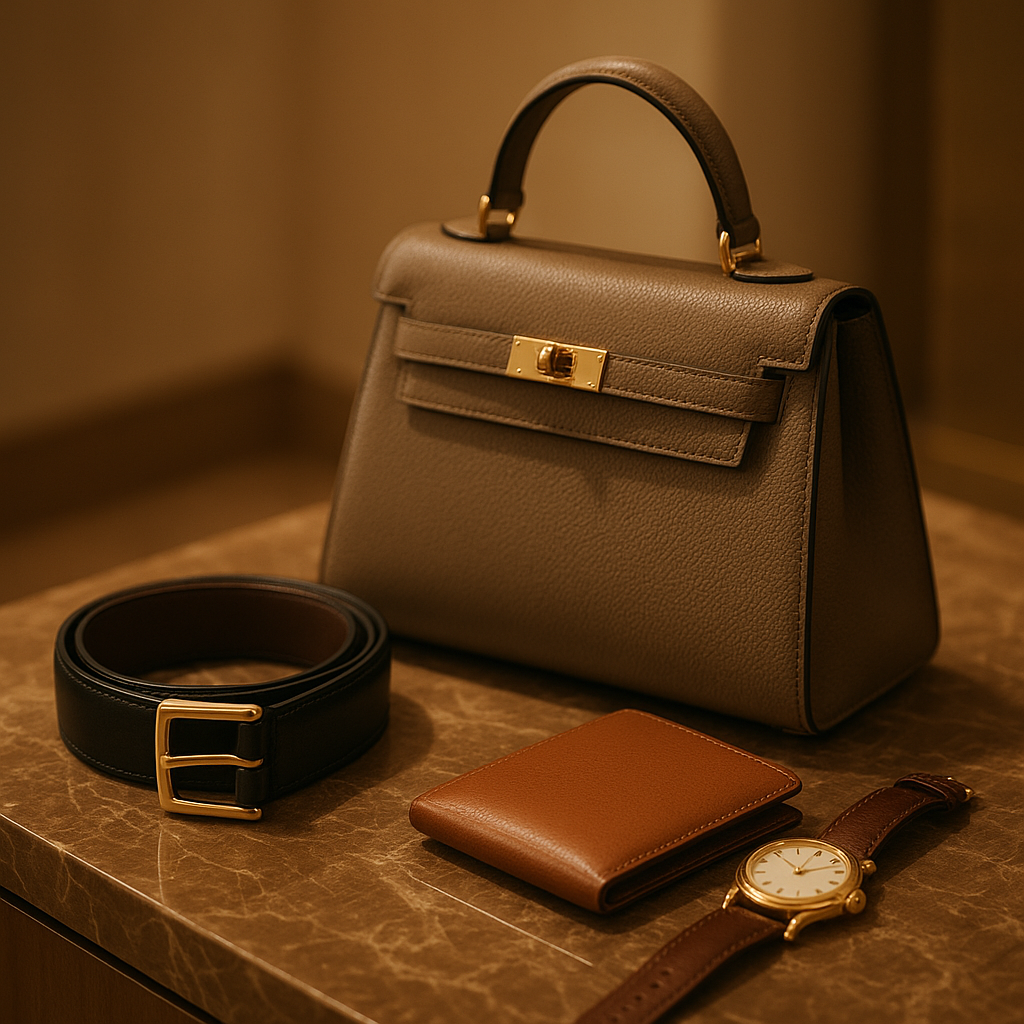
Core benefits and importance
- Durability: A well-made watch, bag, or jacket lasts years, sometimes decades. Cheap goods force repeat spending, which is bad economics dressed up as thrift.
- Service: Premium brands often provide better repairs, alterations, and concierge support. Not always. But enough of the time that it matters.
- Resale value: Some luxury items retain value surprisingly well, especially iconic watches, select handbags, and rare spirits. Others sink fast. The market is not sentimental.
- Experience quality: The best hotels, restaurants, and travel advisors remove friction. That is the actual product. Smoothness costs money.
- Craft satisfaction: Good luxury gives tactile pleasure—grain in leather, weight in metal, the quiet closing of a door, the timing of a service course. Small things, yes, but they add up.
- Cultural literacy: Luxury goods often carry history, regional technique, and artisan knowledge. You are buying an object, but also a tradition of work.
Most people repeat the same tired line: “Luxury is about status.” That is only half true and usually the less interesting half. The better view is that luxury, when done right, is a form of stewardship. You choose fewer things, better made, and you use them properly. That is closer to wisdom than to showboating. Let’s be real, a monogram is not a moral achievement.
There is also the matter of time. A good coat, a proper knife set, a strong suitcase, a first-rate mattress, or a well-designed villa can save time and reduce daily annoyance. That is worth something. In travel, the difference between a mediocre stay and a first-rate one often appears in silence, temperature, sleep quality, and staff judgment. Those are not glamorous metrics, but they are the ones that matter at 11 p.m. after a long flight.
Luxury can also support skilled labor. A hand-finished watch movement, a stitched saddle bag, or a chef’s tasting menu is the output of human judgment and disciplined training. That work deserves respect. There is dignity in making things beautifully, and buyers should reward that rather than cheap imitations.
Step-by-step guide to choosing luxury wisely
- Define the use case. Ask what the item or experience must actually do. A watch for daily wear, a weekend bag, a family suite, a tasting menu, or a grand tour are not the same purchase.
- Inspect materials first. Touch the leather, check the stitching, examine the metal finishing, and ask what is hidden inside the product. Real quality usually shows up under pressure.
- Study the maker’s record. I look for consistency, not hype. A brand with erratic quality control is a headache waiting to happen, no matter how pretty the ad campaign looks.
- Compare service terms. Repairs, return policies, alterations, room upgrades, and concierge access can matter as much as the item itself. A luxury brand that vanishes after payment is just an expensive flirt.
- Check value retention. Some categories hold value well; others do not. If resale matters, study actual transaction data, not wishful thinking or dealer chatter.
- Prefer restraint over noise. The most elegant pieces often avoid excess branding. The same goes for hotels and dining rooms. Quiet confidence usually beats screaming opulence.
- Evaluate fit and comfort. A beautiful handbag that hurts your shoulder, or a beautiful chair that ruins your back, is not luxury. It is decoration with a tax.
- Ask whether it ages well. Good design gets better with time. Bad design becomes embarrassing, then landfill. That is not hard to spot if you have patience.
When I analyze luxury buying decisions, I begin with honesty. If the goal is social signaling, say so. If the goal is performance, say that instead. Problems start when people pretend the purchase is spiritual while it is really decorative. That kind of self-deception is common, and it costs money.
For travel and dining, use the same method. Study the chef’s sourcing, the hotel’s room dimensions, the spa’s schedule, the property’s privacy, and the actual service rhythm. A strong hotel or restaurant does not need to shout. It simply works. And if you want a sharper framework for premium trips, read Forbes on planning luxury vacations, which is a decent starting point despite the usual magazine polish.
For jewelry and watches, provenance matters. Diamonds, precious metals, movement finishing, and artisan origin all affect long-term value. If you want to understand why collectors care about detail, see Hodinkee for watch coverage that at least speaks the language of horology instead of marketing fluff. For broader market behavior, Rolex dealer networks show how distribution and aftercare shape the ownership experience.
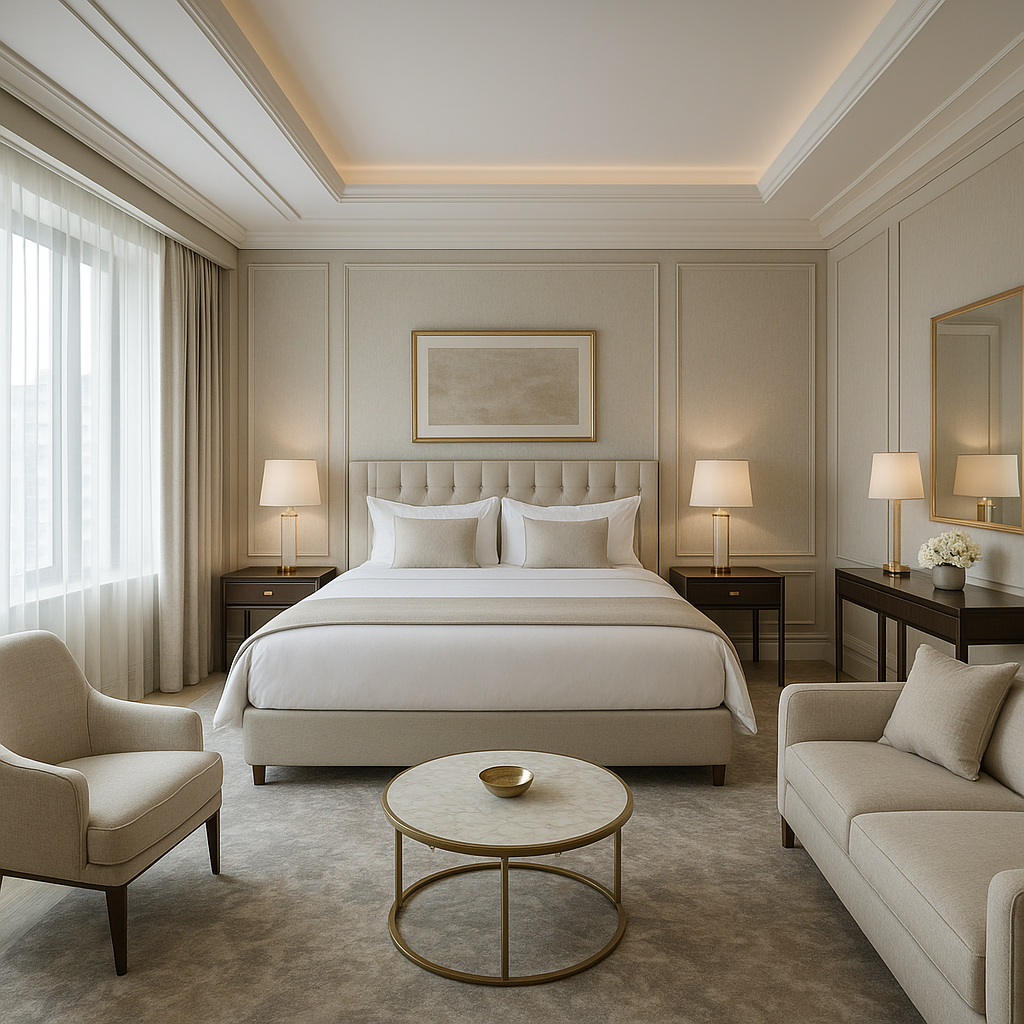
Comparison table: luxury vs. mainstream premium
| Category | Luxury | Mainstream Premium | Which usually wins? |
|---|
| Materials | Top-tier leather, precious metals, hand-finishing | Good but standardized materials | Luxury, if the build is real |
| Longevity | Repairable, durable, often collectible | Decent lifespan, limited serviceability | Luxury |
| Service | Concierge support, repairs, personalization | Standard customer support | Luxury |
| Price | High, sometimes very high | Lower, with fewer frills | Mainstream premium |
| Brand signaling | Strong, sometimes excessive | Moderate | Mainstream premium |
| Best for | Collectors, frequent users, connoisseurs | Practical buyers | Depends on purpose |
The comparison is not about snobbery. It is about trade-offs. If you want the best materials and the strongest aftercare, luxury wins often enough to matter. If you mainly want decent performance without drama, mainstream premium may be smarter. That is the sensible answer, and frankly, sensible is underrated.
Luxury travel follows the same logic. A five-star hotel can be excellent, but a great boutique property in the right place may beat a famous palace hotel on warmth, privacy, and food. The same goes for dining. A tasting menu with perfect pacing and focused cuisine will outshine a louder room with a celebrity chef and no soul. Beauty, ordered properly, serves the person rather than the ego.
Common mistakes to avoid
People make the same errors over and over. Here’s what nobody tells you: expensive does not mean refined. And “exclusive” does not mean useful.
- Buying logos instead of quality: A visible name can be useful, but if the leather is weak or the service is awful, you paid for billboard space.
- Ignoring maintenance costs: A luxury car, watch, or home feature can become a burden if upkeep is ignored. Ownership is part of the purchase.
- Confusing rarity with merit: Something can be scarce and still be mediocre. Scarcity is not a halo.
- Following trend hype: Social media can make a mediocre product look “must-have.” Then six months later, nobody cares.
- Skipping the trial period: If possible, test the bag on your shoulder, sit in the chair, stay the extra night, or taste the menu with attention. Feel matters.
- Overpaying for celebrity association: A famous face does not fix a bad cut, a weak movement, or a sloppy sauce.
I have reviewed enough luxury goods to know that the market rewards patience. Fast decisions usually benefit the seller, not the buyer. Do your homework. Ask uncomfortable questions. Check repair access. Look at stitching under bright light. Read the fine print. Boring? Sure. Effective? Absolutely.
The same principle applies in travel and dining. Do not chase “top 10” lists blindly. They are often sponsored, lazy, or both. Compare room layouts, restaurant menus, wine lists, beach access, transfer times, and the quality of sleep you can actually get. That is the stuff that counts after the glossy photos fade.
There is a moral angle here too, though I will keep it modest. Good luxury respects the people who made it and the people who use it. Wasteful vanity does the opposite. That distinction matters more than most brand campaigns would like you to notice.

Frequently asked questions
What makes a luxury item worth the price?
Real craft, durable materials, better service, and a design that remains useful beyond trends.
Are luxury goods always a good investment?
No. Some watches, bags, wine, and collectibles retain value well; many do not. Buy for use first, resale second.
Is luxury travel better than standard premium travel?
Usually, yes, if you value privacy, service consistency, and reduced friction. If you do not care about those things, the upgrade may be pointless.
How do I spot fake luxury marketing?
Look for vague claims, overused words, and too much emphasis on celebrity or scarcity. Real quality can be explained in concrete terms.
For more on service standards, see Leading Hotels of the World and compare how a serious hotel group presents room categories, amenities, and locations. If you want to understand how fine dining evaluates prestige and quality, the MICHELIN Guide remains one of the few references that still tries to judge the plate rather than the publicity machine.
What should luxury mean in a sane life? It should mean excellence used with restraint, not indulgence without limits. That is the part most people miss. The good life is not a pile of objects; it is a pattern of ordered choices that respect beauty, labor, and time.
When you buy well, you honor the maker and the material. That is the quiet rule beneath the glitter. And yes, that rule is older and wiser than any seasonal campaign.
Final thought
Luxury is easiest to misunderstand when it is loud. The better it gets, the less it needs to shout. A first-rate watch, a well-cut jacket, a calm hotel suite, a serious tasting menu, or a thoughtfully designed home all point to the same thing: excellence is still possible, and it still matters.
I do not care much for luxury as spectacle. Most of it is empty performance, dressed in nicer fabric. But when craft is genuine, service is disciplined, and beauty is treated as something worthy rather than frivolous, luxury becomes more than consumption. It becomes a way of honoring skilled work, good materials, and the human appetite for order and splendor. That is not excess. That is right use.
So buy less, choose better, and stop believing every glossy slogan. The truth is usually quieter than the ad copy.