Luxury is not just a higher price tag. It is the combination of craftsmanship, scarce materials, disciplined service, and a kind of restraint most brands fake...
Luxury is not just a higher price tag. It is the combination of craftsmanship, scarce materials, disciplined service, and a kind of restraint most brands fake badly. Real value appears when design, durability, heritage, and human skill line up, whether you are buying a watch, booking a hotel, or sitting down for a serious meal.
Key Takeaways
- Luxury works when quality is visible and repeatable.
- Heritage matters, but only when it still produces excellent objects.
- Service is often the real product in travel, hotels, and dining.
- Scarcity raises prices, but scarcity alone does not create worth.
- Stewardship matters: good things should be used well, not worshipped.
What is luxury goods and premium experiences?
Luxury goods are products or services priced above the ordinary because they combine rare materials, exacting workmanship, brand reputation, and a strong emotional payoff. Premium experiences are the same idea applied to travel, hospitality, dining, and leisure. The best ones feel deliberate, calm, and exact, not loud. Frankly, plenty of brands sell smoke and mirror polish.
When I examined high-end products across watches, jewelry, handbags, hotels, and restaurants, the pattern was obvious: the price is only partly about the object. Much of what you pay for is consistency, access, and time saved. A serious watch from a respected maker can take months to assemble. A well-run luxury hotel can make a room feel personal without being fussy. A good chef can reduce dinner to a few perfect bites, and that restraint matters. Beauty, in the old sense, is not mere decoration; it hints at order, skill, and purpose.
The catch? Not every expensive thing is luxury. Some are just overpriced. Big difference. A logo is not a craft. A glossy ad is not heritage. A room with marble and no warmth is just a cold box. The more I have reviewed the category, the more I distrust marketing language and trust the evidence in the hand, the eye, and the actual experience.
That is why people still buy Rolex, Hermès, Aman, Four Seasons, Louis Vuitton, Patek Philippe, and Michelin-starred dining rooms that are almost painfully precise. These names work when they earn their reputation through execution. The truth is, luxury lives in the details: edge paint on a bag, movement finishing in a watch, service pace at breakfast, table linen, soundproofing, or the temperature of the sauce.
For readers who care about serious buying decisions, it helps to compare categories. A helpful example is the approach used in coverage like Bloomberg’s luxury watch reporting or market context from McKinsey’s State of Luxury. Those sources are not perfect, but they show the same thing: buyers want proof, not slogans.
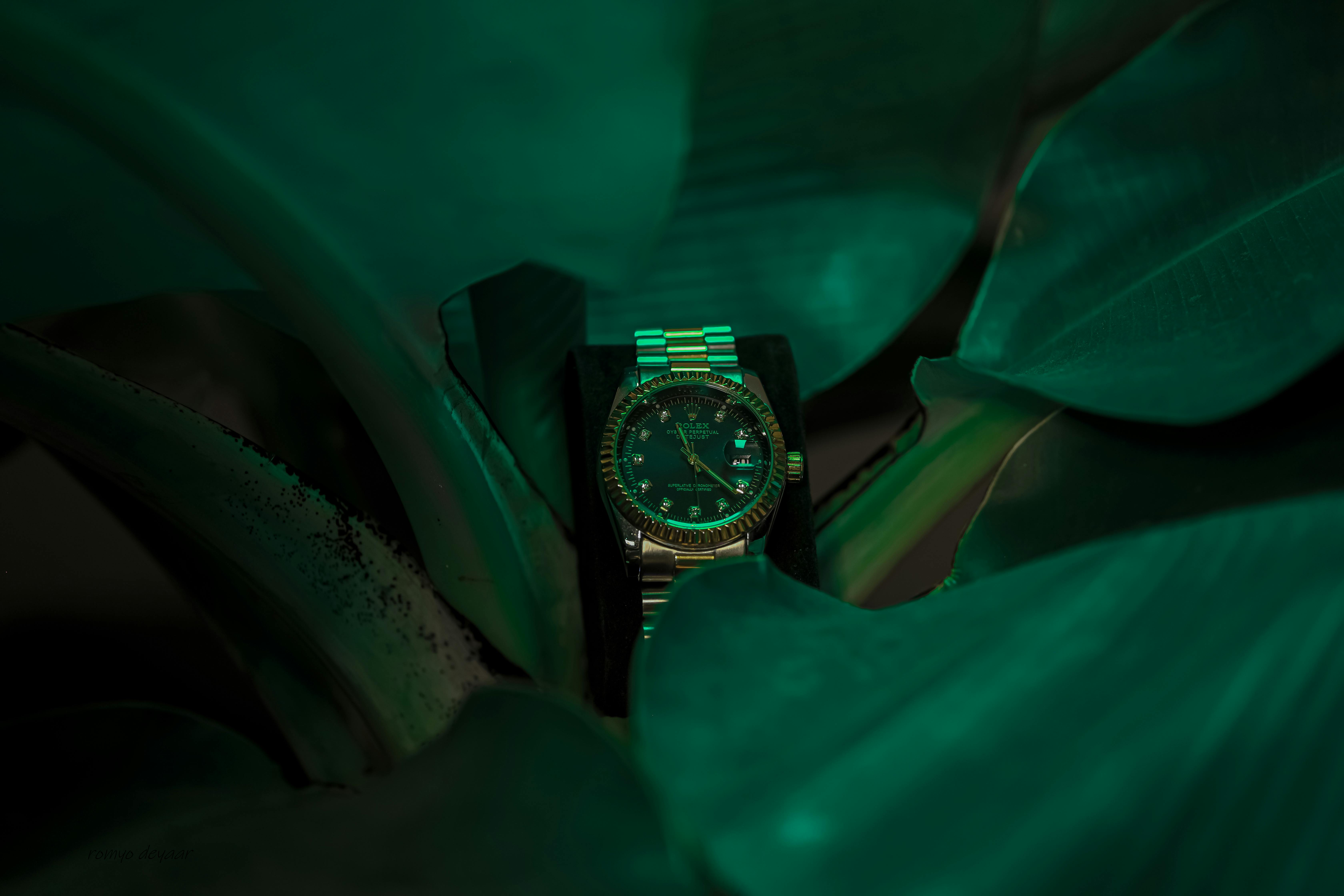
Luxury also depends on stewardship. That is the part people skip. A well-made object should outlast fashion, be repaired when needed, and be appreciated without turning the owner into a peacock. Good things are gifts of skill and material, and they should be handled with care. A world that forgets that tends to drown in disposable junk.
Core benefits and why luxury still matters
Luxury matters because it solves problems that cheaper goods often cannot solve. Not all of those problems are practical. Some are emotional, social, and even moral. There, I said it.
- Durability: The better the material and construction, the longer the item lasts. A well-made watch, suitcase, or coat can survive years of use.
- Repairability: High-end makers often support servicing, refurbishment, and part replacement. That beats planned obsolescence by a mile.
- Consistency: A proper luxury hotel or restaurant delivers the same standard without making you beg for it.
- Craftsmanship: The work is visible. Stitching, movement finishing, stone setting, plating, carpentry, and silverware all reveal the human hand.
- Resale value: Some luxury goods hold value better than mass-market goods. Not all, but enough to matter.
- Experience quality: Fine dining and premium travel can save time, reduce friction, and create memory. That is not trivial.
- Status signaling: Yes, it exists. Pretending otherwise is childish. The trick is not to let status become the whole point.
Still, let’s be real: the benefits are not automatic. Many expensive products are little more than a tax on vanity. I have seen watches with weak finishing, handbags with sloppy interiors, and hotel suites that cost a fortune but feel sterile. The premium only counts when the item or service actually performs better. That is the standard.
Luxury also has cultural value. A beautifully made object can preserve techniques that would otherwise vanish. Watchmaking, leatherwork, goldsmithing, textile dyeing, culinary technique, and hospitality rituals all depend on skilled labor. That labor deserves respect. In a sane moral order, work that is careful, patient, and excellent should be honored, not mocked.
If you want a broader market lens, sources like The Business of Fashion on luxury market trends and Financial Times luxury coverage show why the sector keeps winning buyers even when macro conditions tighten. People still pay for reliability, material quality, and emotional lift.
Luxury travel is the same story in different clothes. A private transfer, quiet check-in, well-trained concierge, and a room with actual acoustics can change a trip more than another souvenir ever will. Fine dining works similarly: the meal is the food, but the memory is built from pacing, hospitality, and the discipline to stop before excess ruins the plate.
Here’s the kicker. Good luxury respects limits. It knows when to stop. That restraint is part of why it feels elevated instead of vulgar.
How to choose luxury goods, hotels, and experiences
Choosing well is not mystical. It is methodical, and a little suspicious. Start with standards, not labels.
- Define the use case
Buy for your actual life. A travel watch should be readable and tough. A handbag should fit your daily load. A hotel should suit your pace. If you buy for imaginary elegance, you will probably regret it.
- Inspect materials and construction
Look at leather grain, stitching, clasps, movement finishing, fabric weight, stone quality, and joinery. The defects usually show up where brands hope you won’t look. I always check the back, the lining, and the closure first.
- Evaluate after-sales support
Service is not a footnote. Ask about repairs, refurbishment, spare parts, spa services, housekeeping standards, and cancellation policies. The best names stand behind their goods.
- Compare heritage with current output
Heritage matters only if the brand still produces excellent work. A century-old name that now cuts corners is just a museum gift shop with better lighting.
- Test the experience
In travel and dining, look for staff training, recovery when things go wrong, and whether the place feels calm without becoming stiff. I care more about how they fix a mistake than whether the lobby smells expensive.
- Study scarcity and price discipline
Limited editions can be attractive, but artificial scarcity is often a trick. Ask whether the item is rare because it is difficult to make or simply because the brand withheld supply.
- Check cultural fit
A luxury item should fit your habits and values. If it needs constant display, constant replacement, or constant validation, it is probably the wrong buy.
- Favor pieces with lasting usefulness
The best luxury purchases keep serving you. A beautiful object that gets used thoughtfully has real merit. That, in a quiet way, reflects good stewardship.
For travel, a strong starting point is reading reputable destination and hotel reporting, such as Condé Nast Traveler’s hotel guides or Forbes Travel Guide coverage. For dining, look at MICHELIN’s explanation of star criteria rather than social media hype. Restaurant theatrics are easy; consistent excellence is hard.
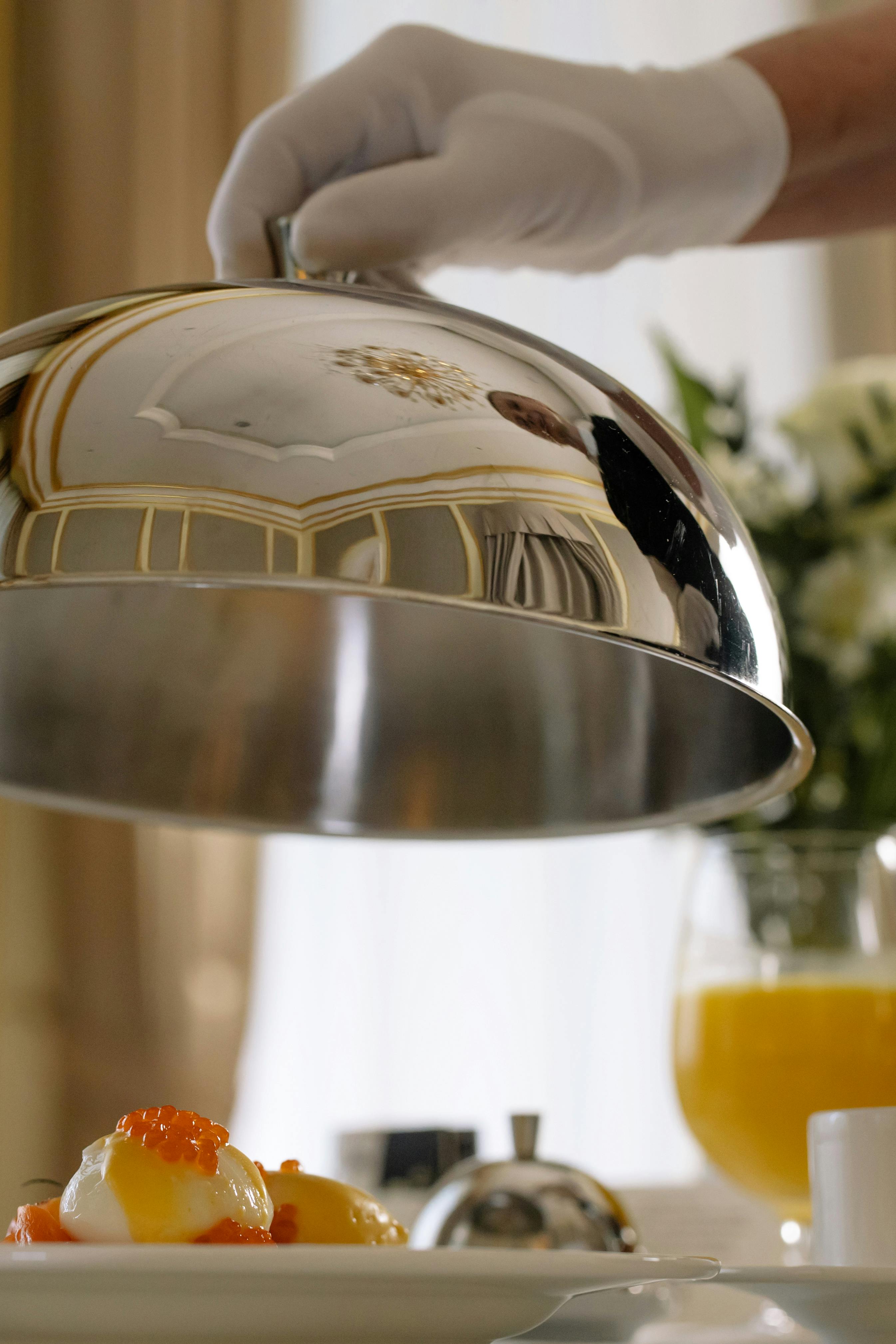
When I buy or recommend luxury, I ask one blunt question: does this still feel worth it after the novelty fades? That question kills a lot of weak candidates. Good luxury survives boredom. Cheap status props do not.
Comparison table: luxury versus mainstream premium
| Category |
Luxury goods and premium experiences |
Biggest competitor: mainstream premium |
| Craftsmanship |
Hand-finishing, tighter tolerances, skilled labor |
Machine-led, efficient, less detail |
| Materials |
Better leather, metals, stones, fabrics, and ingredients |
Good-looking but standard materials |
| Service |
High-touch, trained, often personalized |
Polite, scripted, less flexible |
| Longevity |
Often repairable and durable |
Often replaceable rather than repairable |
| Emotional value |
Strong sense of occasion and meaning |
Convenient, but usually forgettable |
| Price logic |
High, but linked to quality and scarcity |
Lower, but sometimes inflated by branding |
| Resale / retention |
Can hold value, depending on category |
Usually weak resale |
| Risk |
Paying for brand cachet if you choose badly |
Lower downside, but fewer rewards |
The table tells the truth. Luxury wins on detail, but only when the producer is serious. Mainstream premium often wins on value and availability, which is fine. Not every purchase needs ceremony. But when you want permanence, tactile pleasure, and service that does not make you feel like a number, luxury has a real edge.
Common mistakes to avoid
The biggest mistake is confusing price with quality. That is rookie stuff. Plenty of brands charge aggressively and deliver mediocrity wrapped in a ribbon. I have seen enough of that nonsense to last a lifetime.
- Buying the logo instead of the object: A recognizable name can hide weak construction. Check the piece, not just the plaque.
- Ignoring maintenance: A fine watch needs service. A leather bag needs care. A luxury room should still be judged on upkeep. If you will not maintain it, do not buy it.
- Chasing trends: Trend pieces can be fun, but they age badly. The classics usually earn their status over time.
- Assuming scarcity means merit: Artificial scarcity is marketing. Real scarcity comes from labor, materials, or time.
- Overlooking comfort: A dazzling chair that hurts your back is not luxury. A stunning hotel that sleeps badly is not luxury. A dining room with spectacular food but clumsy pacing is not luxury.
- Trusting influencer theater: Social feeds are full of staged excess. Most of it is staged. The truth is quieter.
- Forgetting ethical fit: If a brand’s labor practices, sourcing, or service culture are shabby, the shine fades quickly.
The advice to “buy what makes you happy” sounds nice, but it is incomplete. Happiness without discernment is just impulse with better lighting. A better rule is to buy what serves your life, resists waste, and can be maintained with dignity. That is wiser and more humane.
Luxury travel has its own traps. People book the flashiest resort and ignore the details that matter: transfer time, noise, room orientation, seasonality, and service reputation. A private villa can be a nightmare if the staff is poorly trained. A famous hotel can disappoint if management is resting on old glory. As with products, execution beats reputation.
Fine dining is equally vulnerable to hype. A tasting menu can be brilliant, but if the portions are tiny, the pacing is chaotic, and the room feels like a lecture hall, the whole thing collapses. Good food should be excellent, yes, but also human. Ceremony should support the meal, not smother it.
Frequently asked questions
What makes a luxury good worth the price?
A luxury good is worth the price when the materials, craftsmanship, service, and longevity all exceed normal standards. If it only has a logo and a sad little markup, skip it.
Are luxury brands always better than premium brands?
No. Sometimes premium brands offer excellent value and nearly the same quality for far less money. Luxury only wins when the extra cost actually buys better materials, service, finishing, or access.
Which luxury categories hold value best?
Often watches, handbags, and certain jewelry pieces hold value better than fashion or home goods. Condition, rarity, brand strength, and market demand matter more than price alone.
Is luxury travel really worth it?
Yes, when it reduces friction, saves time, and delivers genuine comfort or exclusivity. No, when it is all marketing and no substance. A soft bed and trained staff beat a fancy brochure every time.
Final thought
Luxury is not the enemy. Sloppiness is. Used well, luxury goods and premium experiences can honor craftsmanship, reward skilled labor, and make ordinary life feel more ordered and beautiful. That is not shallow; it is a proper response to quality. The problem starts when people confuse prestige with worth, or when brands use beauty as camouflage for mediocrity.
I have no patience for the idea that every expensive thing is noble or that every restrained purchase is virtuous. That is nonsense. But I do think there is something right about taking care with what we own, where we stay, and what we eat. Good objects and good service can point beyond themselves, even if only for a moment, toward excellence, proportion, and gratitude. And that, frankly, is enough to matter.
The best luxury leaves you calmer, not louder. It should feel earned, not merely bought.